"THE above is the official designation of a great conference held in Carnegie Hall, New York City, Nov. 15-21, 1905. It originated in a meeting of what seems to have been the ministers of the Protestant denominations in New York City, in the winter of 1900.
At that meeting there was organized what was called the "National Federation of Churches." This organization directed its efforts first to the formation of state and local federations throughout the country. In its annual session for the year 1902, held in Washington, D. C., that body appointed a Committee of Correspondence. This committee sent to all the leading Protestant denominations in the United States, addressing them on the subject of "The Co-operative Relationship of the Churches of Jesus Christ, in Christian Work."
In this letter the object of the federation was declared, in the following words:
The National Federation of Churches and Christian Workers has for its object to promote the co-operation of churches of various communions through the formation of state and local federations, in order to secure united and effective effort in religious and moral movements vital to the welfare of churches and communities.
The work of the federation in attaining its object is also stated as follows:
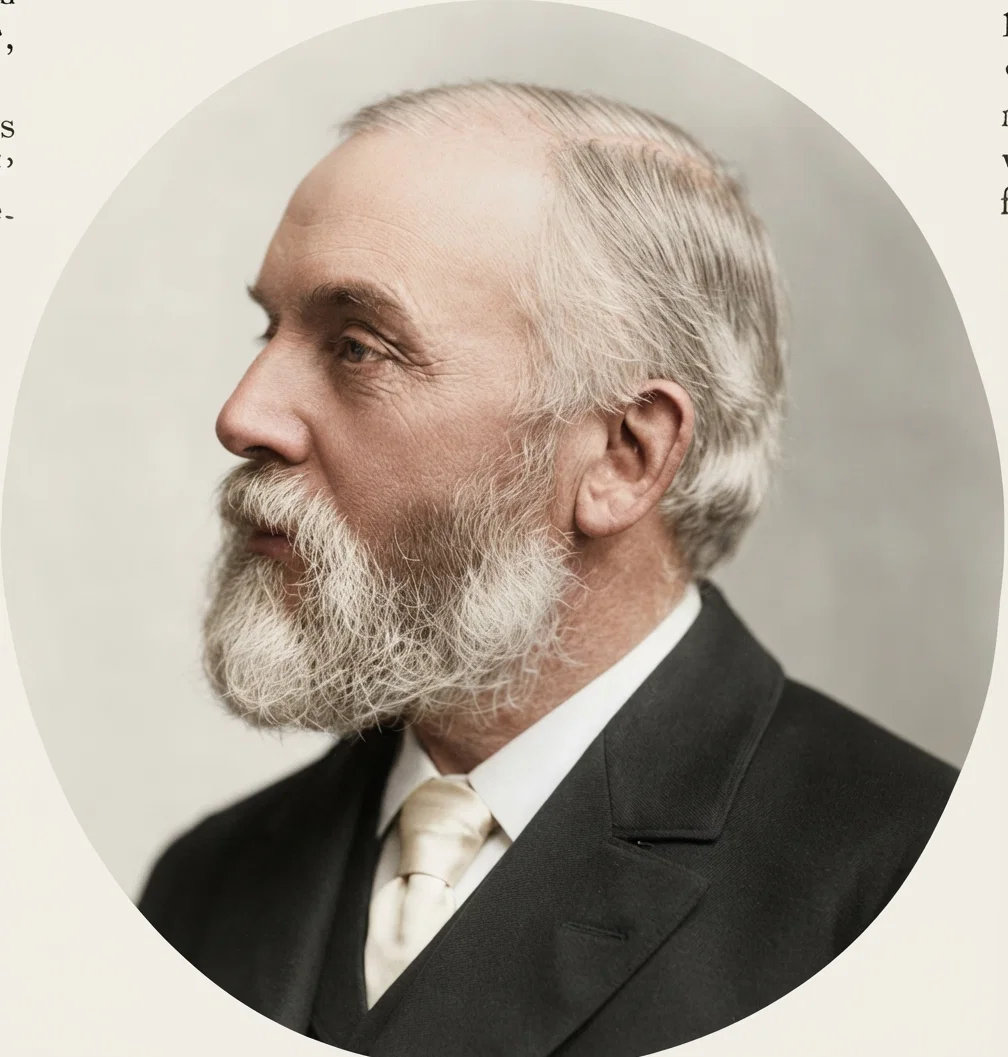
REV. W. H. ROBERTS, D.D., LL.D. (Chairman of the Executive Committee.)
In some cities the work of local federations has been directed to the concentration of effort for the removal of social evils, the cleansing of the centers of vice and corruption, and the promotion of temperance, Sabbath observance, and general morality. The affiliation of the local churches has often proved a beneficent moral force in the administration of civic affairs.
To the churches this letter further said:
In order to secure an effective organization of the various Protestant communions of this country for the practical ends indicated, we would suggest that a conference of representatives accredited by the national bodies of said Protestant denominations meet in New York City, November, 1905, to form such a representative organization as may seem proper to them. It is understood that its basis would not be one of creedal statement or governmental form, but of co-operative work and effort. It is also understood that the organization shall have power only to advise the constituent bodies represented.
The representation was placed by the federation at fifty delegates for each denomination having a membership of five hundred thousand or upwards; ten delegates for those having membership of one hundred thousand and upwards; and five delegates for those numbering less than one hundred thousand. To the latter there responded the Baptists, the Free Baptists, the Disciples, the Congregationalists, the M. E. Church, the M. E. Church, South, the African M. E. Church, the Methodist Protestant Church, the Presbyterian Church, the Cumberland Presbyterian Church, the United Presbyterian Church, the Reformed Church, the African M. E. Zion Church, the Christian Connection, the Evangelical Association, the United Evangelical Church, the Moravian Church, and others, sufficient to justify the announcement in the formal opening of the conference that the assemblage represented "eighteen million communicants." In the opening address it was stated that "twenty-eight denominations" were enlisted.
The conference was opened with the hymn, "Come, Thou Almighty King," and prayer by Bishop Fowler, of the Methodist Church. In the opening address, by the president of the federation, J. Cleveland Cady, a letter was read from President Roosevelt, in which he expressed his "very highest sympathy with the movement," and stated that "it is perfectly possible that the movement may have a very considerable effect in the Christianizing of Japan, which I feel to be retarded by the divisions among ourselves, and by the failure to recognize the fact that the Christian Church in Japan must of course assume essentially a Japanese national form. So you see I have a very real interest in what you are doing."
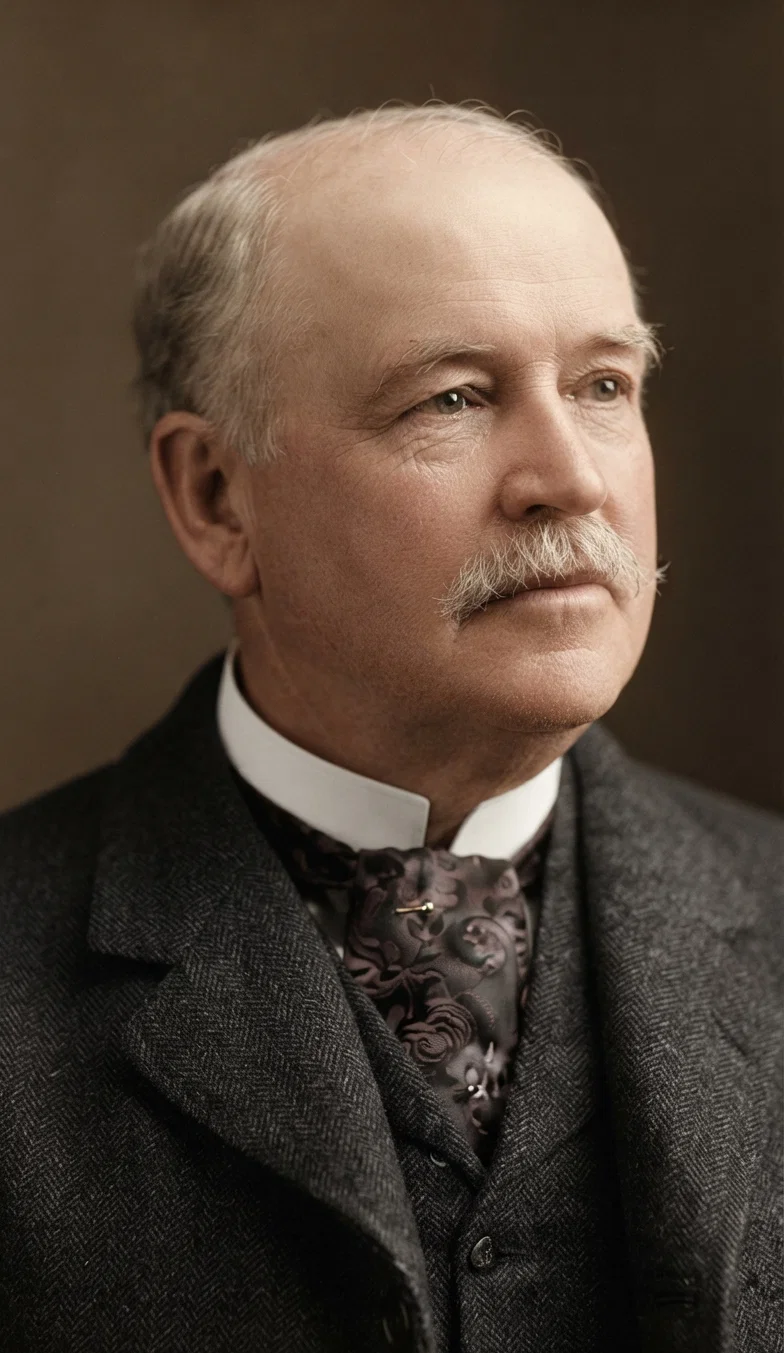
MR. J. CLEVELAND CADY, LL.D. (Chairman National Federation of Churches and Christian Workers.)
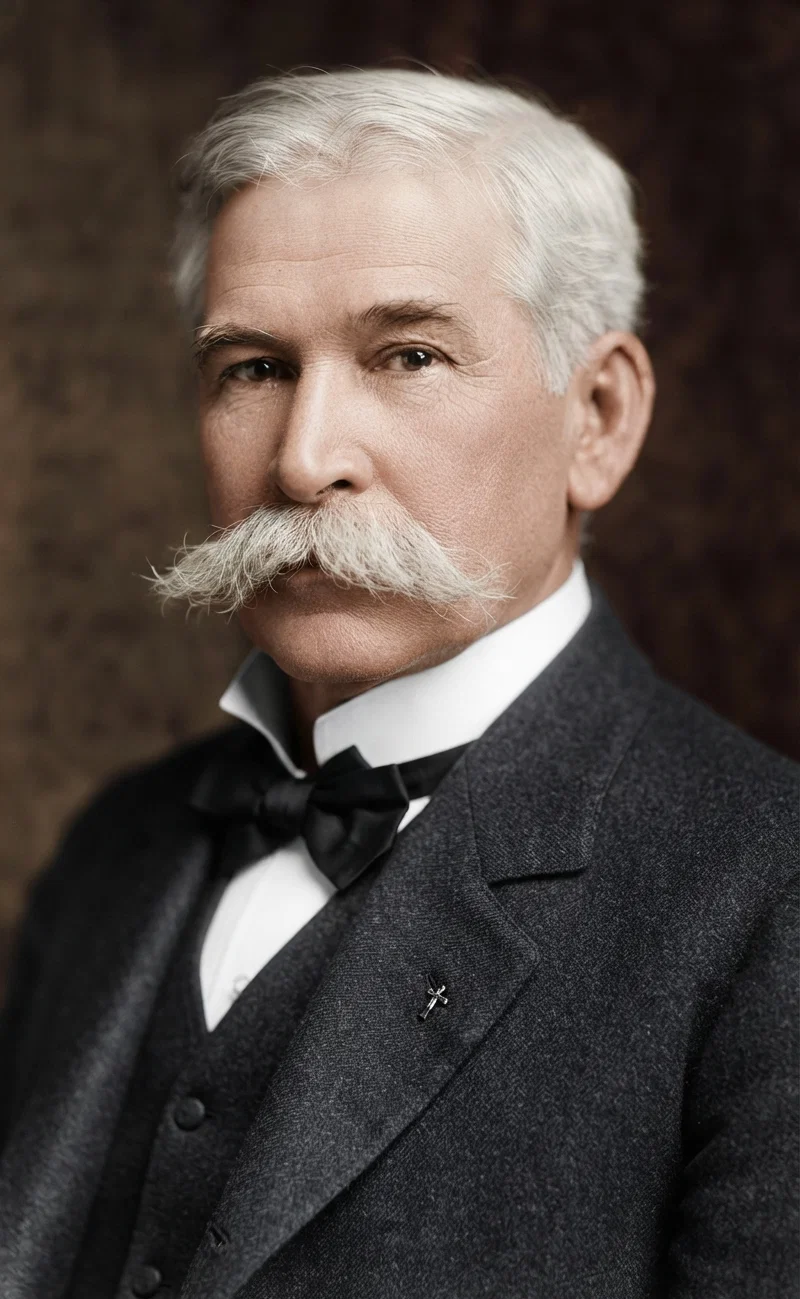
REV. E. B. SANFORD, D.D. (Secretary of the Executive Committee.)
After the opening address, the rest of the evening of November 15 was occupied with addresses of welcome: first by President Littleton, of the Borough of Brooklyn, on behalf of Mayor McClellan; one by Dr. Thompson, of the Presbyterian Board of Missions, on behalf of the Executive Committee of the Federation.
Dr. Thompson said that "Denominationalism has failed to stem the tide that flows out into darkness. If you do not believe it, read the morning papers. The business world, even at mighty peril, is teaching the lesson of concentration. And the value of it is not foreign to the history of the Christian Church. Indeed thus it began its history. When the disciples were together the social mission of the church dawned upon them."
Dr. MacArthur, of Calvary Baptist Church, New York City, was to have given the welcome on behalf of the churches of Greater New York, but when introduced and called upon had not arrived; and the meeting adjourned. As the closing hymn was being sung Dr. MacArthur stepped to the platform, but was too late to be heard.