THE question is often asked by visitors at the Battle Creek Sanitarium, as they observe the methods of investigating and treating disease, and developing strong bodies out of weak ones,—as they note the educational work carried on, the turning of lives almost shipwrecked through ignorance or vice into channels of physical and spiritual salvation, and as they see the large family of workers going to and fro about their daily work, "What or who is the power behind all this? What is the influence or discipline that holds and guides the work? By what means has it reached its present size and influence?" The answer is: It is not the work or power of one man or set of men; certainly not the power of wealth, but the result of the working out of the principles on which the institution is based.
All truth is of God, and all real advance along scientific or other lines is but, as Kepler recognized, the "thinking of God's thoughts after Him."
But the standpoint of the investigator makes a vast difference with the result of his investigations. He who not simply "thinks God's thoughts after him," but who so trusts himself consciously to divine guidance that God may think through him, will be "taught of God," and will reach results that the blind groper after truth, who with equal natural ability and preparation trusts only to himself and magnifies human wisdom, can not hope to attain. The motive, too with which men work is taken cognizance of, and, [[FIGURE]]
other things being equal, the great Teacher unlocks more fully the storehouse of His treasures to those who, desiring to use them to glorify Him and to benefit their fellows, come to Him for the key, than to those who seek only their own fame or the advancement of their favorite science in the development of an isolated fact. To the former, isolated truths fall into line as parts of a harmonious whole, and, seen in the light of divine illumination, their relation to each other grows clear and beautiful. This idea of co-work with God, thus briefly and imperfectly suggested, lies at the foundation of the work of which we are speaking, and all who are connected with it, from superintendent to call-boys, are ready to acknowledge that, while human effort has been freely bestowed, it is because the work is God's that it has met with so fair a measure of success. [[FIGURE]]
This sense of partnership, so to speak, with God in everything, whether it be a scientific research or the doing of an errand, in proportion as it is recognized by the workers, dignifies all service. The injunction of the apostle, "Whether, therefore, ye eat or drink, or whatsoever ye do, do all to the glory of God," becomes thus a vital, every-day experience.
It was early in this last half century that the movement which resulted in the Sanitarium at Battle Creek had its beginning. With the foundation of this work the names of Elder James White and his wife are inseparably connected. Others, as Elder J. N. Andrews, J. N. Loughborough, and Captain Joseph Bates, who has the distinction of having organized the first temperance society known, also appreciated the truth that physical and spiritual regeneration are closely connected, and all these promulgated their belief by voice and pen, advocating a careful attention to the laws of life as an important means of spiritual growth.
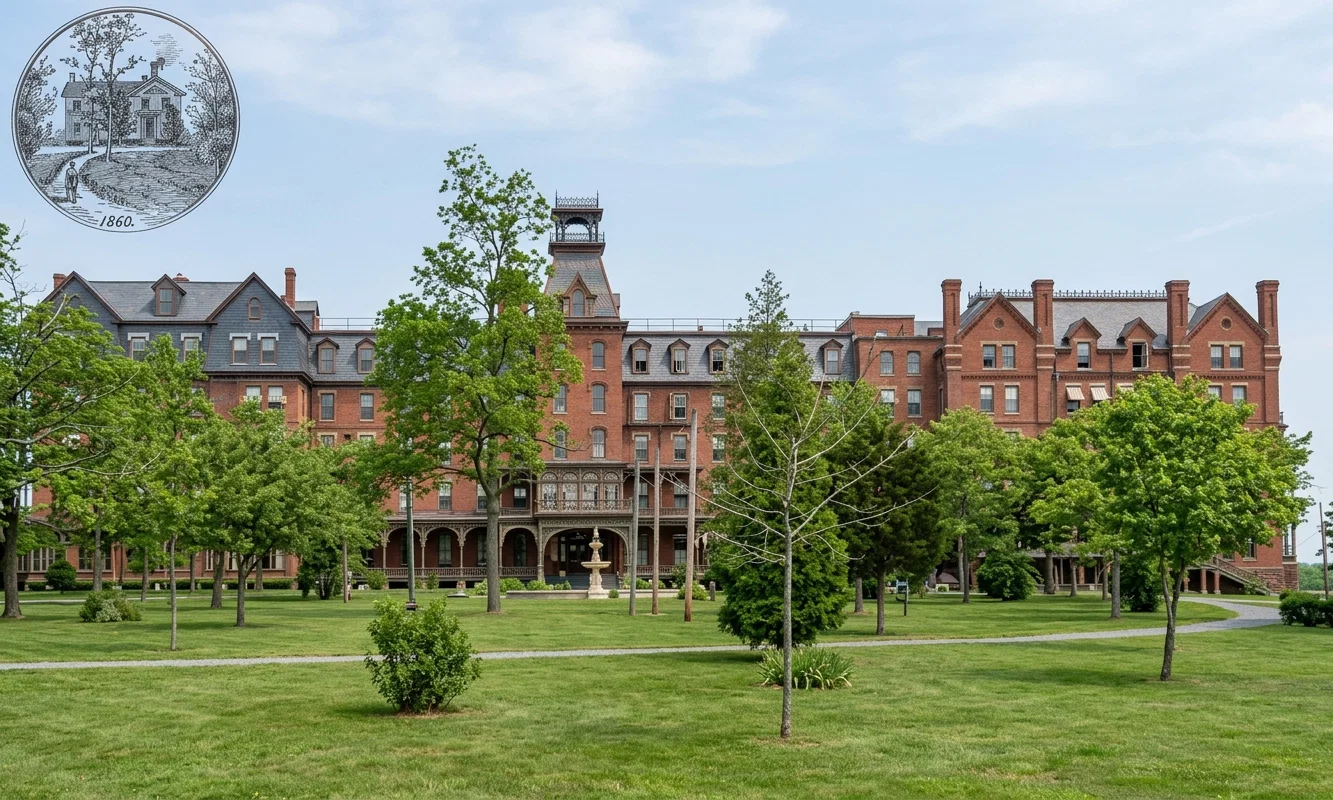
Out of this agitation after several years came the Health Reform Institute, established in 1866, for the treatment of the sick by means of nature's own remedies. The sacredness of the body and the close relation between man's physical and spiritual nature were among its dominant ideas. Disease was recognized as the result of the transgression of physical law, and the first step in its cure must be the correction of the wrong habits of life which had brought the disease, nature being aided by all rational means in her efforts to rally. Growing naturally out of this principle was another, that men and women needed not only to be cured of their infirmities but so taught that they might live as far as possible free from them afterward, and thus be able to render higher service to God and humanity.
This was more than thirty years ago, when such ideas were comparatively new, not to say heretical, to most minds, and they met with opposition more or less active from various sources. It is not the purpose of this article
[[FIGURE]] to trace the history of the Sanitarium work, except so far as it illustrates the relation between its growth and the value and expansive force of the principles upon which it was founded, for in spite of opposition it did grow beyond the most sanguine hopes of its friends.
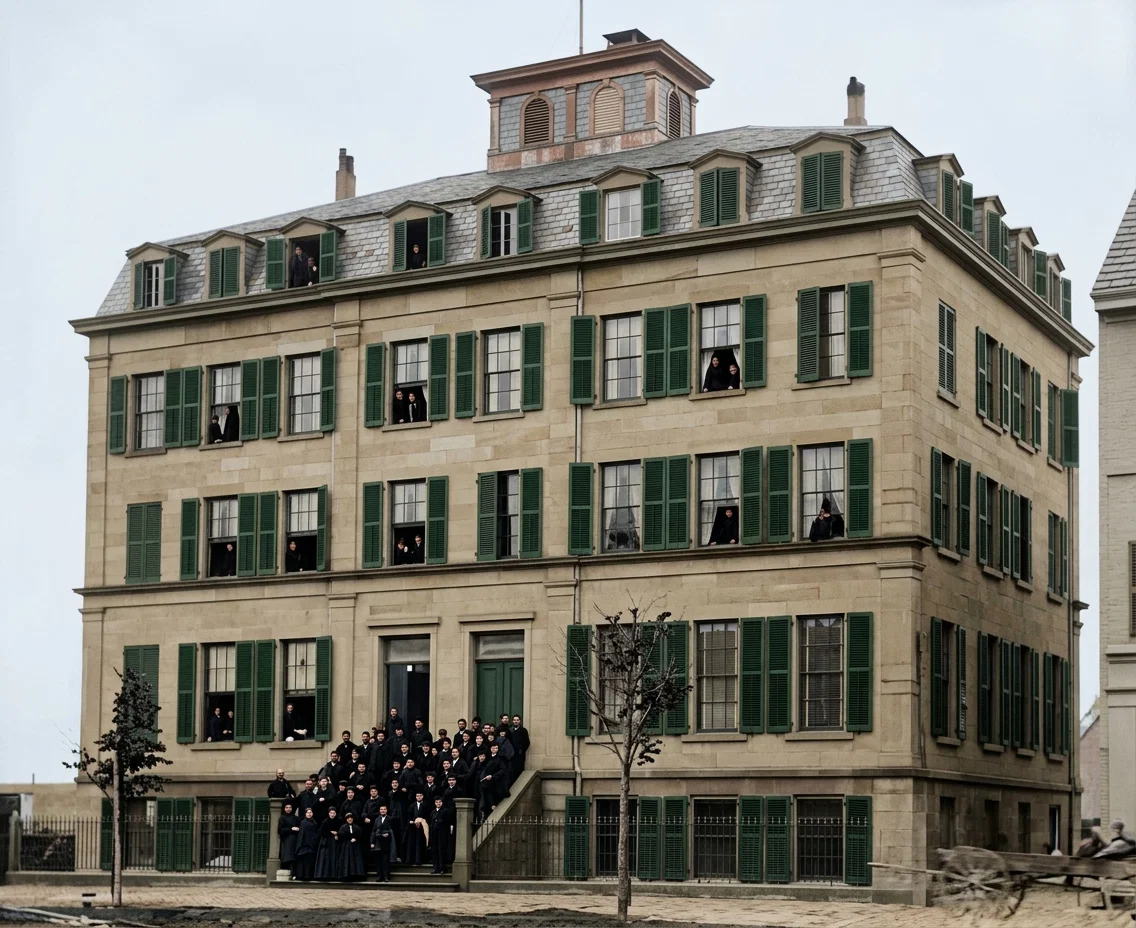
In 1878, pushed by the demands for such extension, the modest cottage in which the work began was superseded by a beautiful brick building, equipped with every approved facility for treating disease, and manned by physicians who spared no effort or scientific research. As the exigencies of the work have demanded, further additions have been made from time to time in buildings and equipments. The main building has been enlarged at different times till it has more than doubled its original capacity. In 1888 a hospital was also erected, with a capacity nearly equal to that of the first brick building, built ten years previously. This was designed for surgical and charitable work, and hundreds of sufferers who could not have obtained the treatment otherwise have been restored to health and usefulness by the opportunities which the hospital afforded, without charge, or at greatly reduced expense.
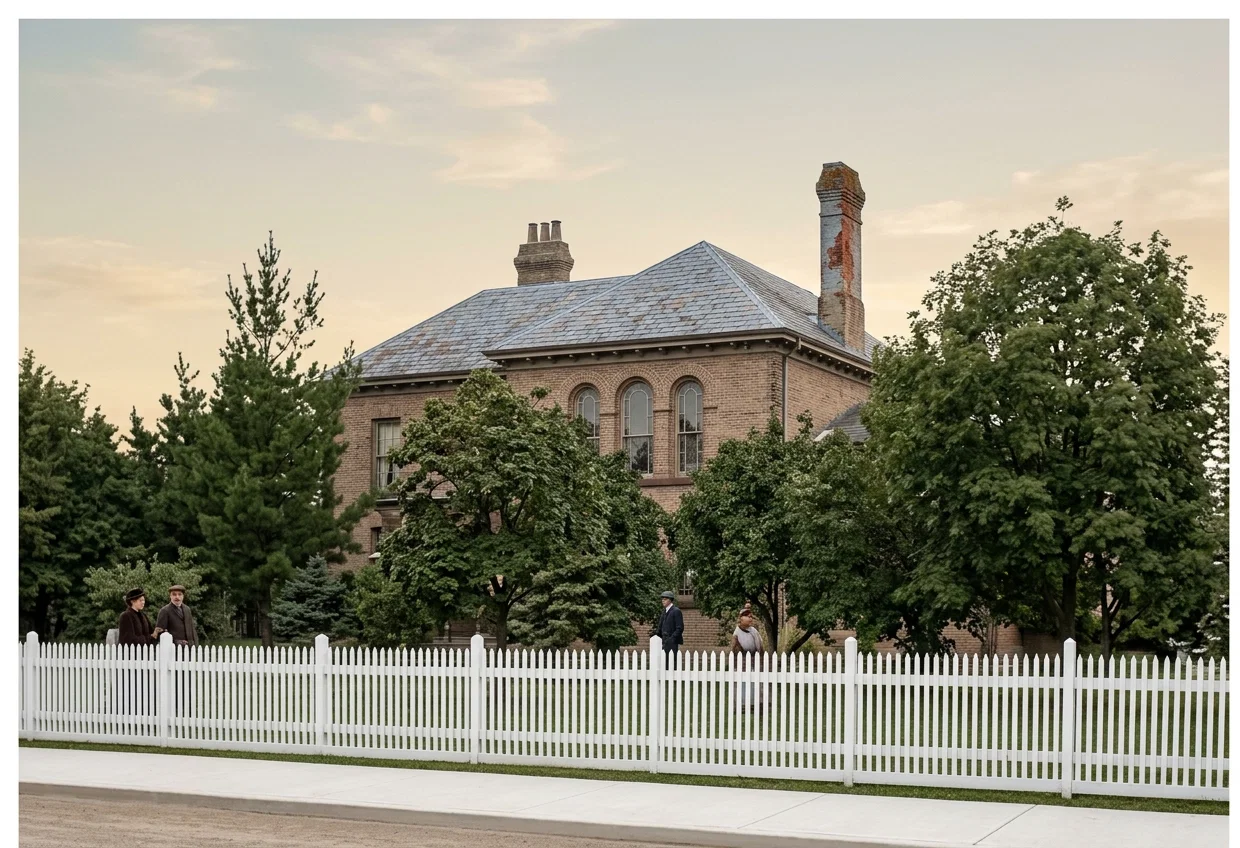
From the very nature of the work and its underlying principles, it must reach out and take root elsewhere, and this it has done. Fourteen sanitariums similarly organized, based on the same principles, and working along the same lines, have been established at different periods, most of them, however, at comparatively recent dates. The Sanitarium at St. Helena, California, beautifully situated among the mountains of the Pacific Coast, is the one exception to this last statement, the first steps toward its establishment having been made in 1878.
A branch of the Battle Creek Sanitarium was established in Chicago in 1893. The Nebraska Sanitarium,9at College View, Nebraska, was opened in 1895, and has increased in patronage till it has become necessary to rent a part of the buildings of Union College to accommodate its work.
About the same time a similar work was developing at Portland, Oregon, which soon outgrew its original quarters and was compelled to remove to those more commodious.
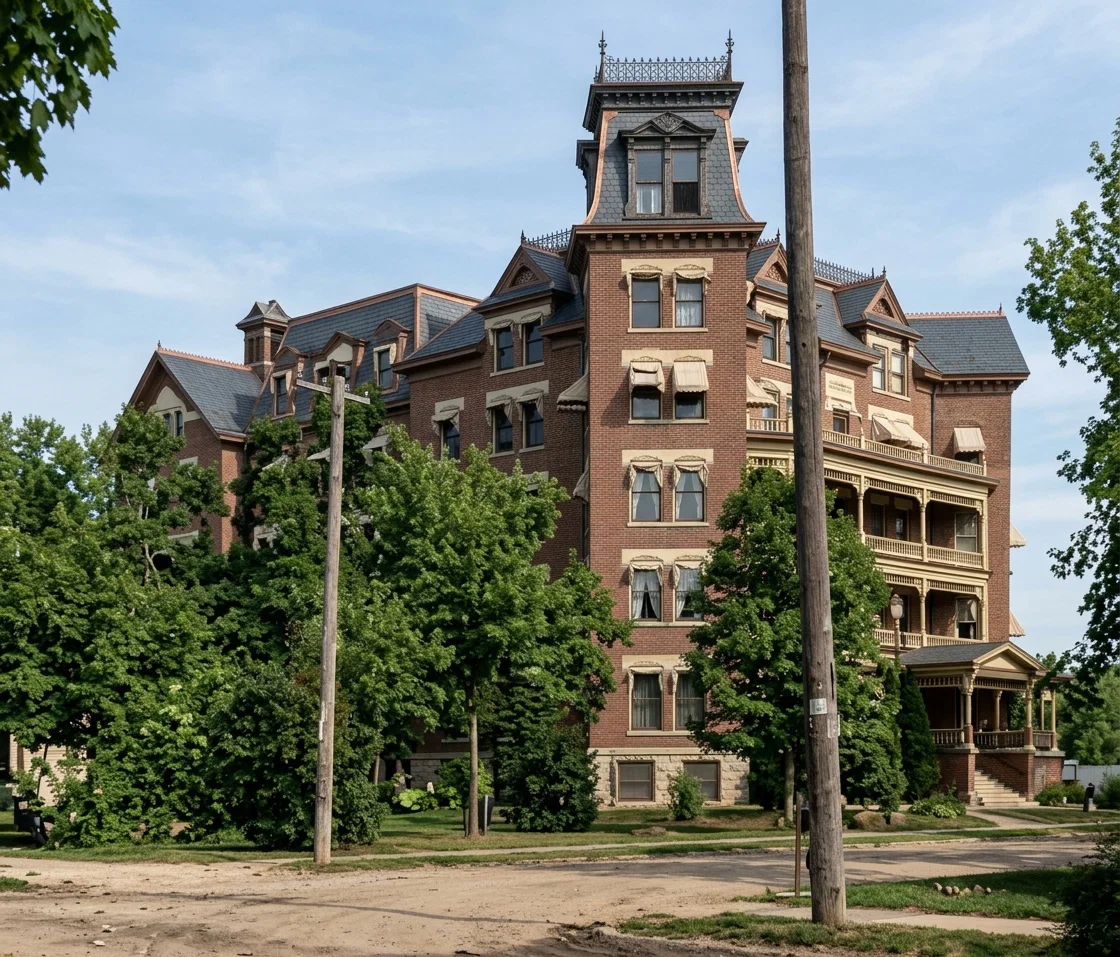
The necessity for a home for the unfortunate victims of lung disease who flock to Colorado led to the organization of a sanitarium at Boulder, Colorado, which was opened in a fine and well-equipped building built for the purpose, and dedicated in 1896. Its patrons, however, are not by any means confined to this class, numerous other maladies being treated with equal success.
A sanitarium has been in operation at Keene, Texas, for about two years.
A beautiful building erected for sanitarium work is nearing completion at Guadalajara, Mexico. It has progressed slowly in construction, and the rooms have been called for and occupied by patients long before they were finished and ready for occupancy.
At Claremont, near Cape Town, in South Africa, a large building was erected and dedicated in 1897. Patients arrived before it was opened, and soon crowded out even the employees of the institution. Additions were speedily made, doubling the original
capacity, but even now the room scarcely keeps up to the demands of the public upon it.
In Basel, Switzerland, a fine, substantial building, beautifully located in the suburbs, was fitted up in 1896 as a health institution, and has since received patients from various parts of Europe.
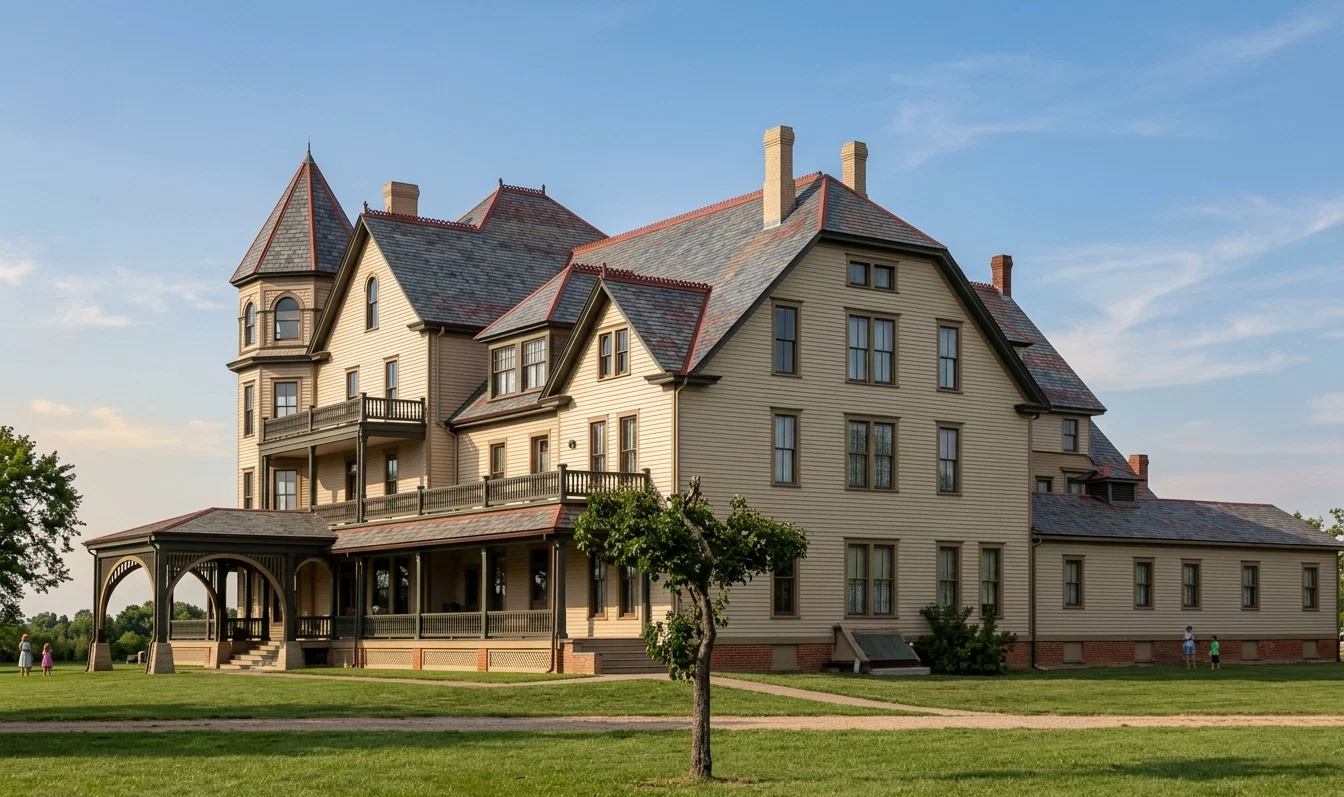
A year ago a summer palace of the royal suite, beautifully situated at Skodsborg, near Copenhagen, Denmark, was purchased and transformed into a sanitarium. It was speedily filled with patients, has [[FIGURE]]
[[FIGURE]] overflowed into other buildings, and still is crowded.
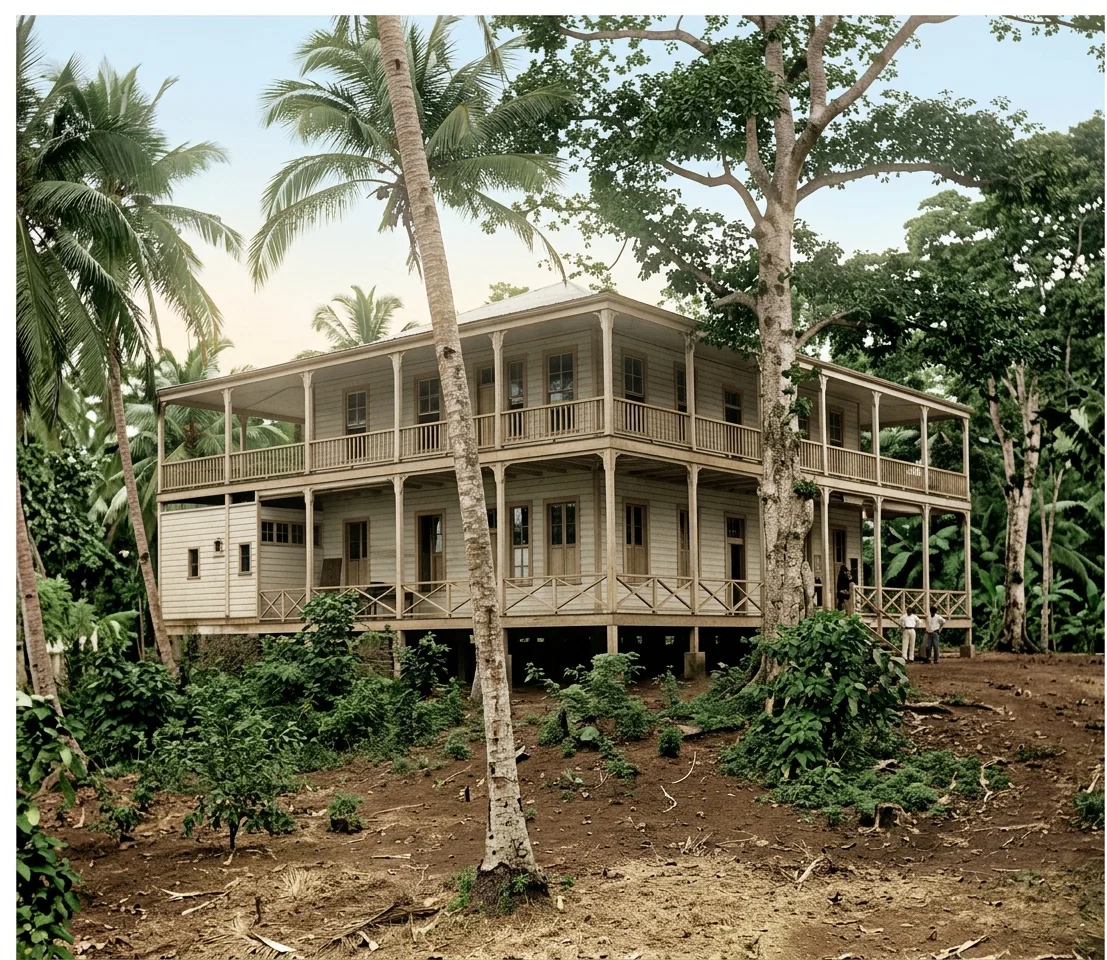
At Apia, on the island of Upolu, in the Samoan group, a building has been erected within a few years for sanitarium purposes, to which the natives of all ranks have come from that and other islands of the group for surgical and medical treatment.
In Calcutta, India, is equipped another sanitarium. Surely the field is a needy one.
In Honolulu, in our new Hawaiian possessions, a [[FIGURE]]
similar work has been carried on for several years.
In Sidney, New South Wales, a very successful work has been inaugurated, which has of late been more fully equipped, and has apparently a very promising future before it.
In each of these institutions there is provided a system of help for the sick poor, and thousands of dollars of their earnings, all, in fact, not needed in the work of the institutions themselves, are expended in benevolent work for this class.
Several of the sanitariums mentioned maintain branch work, or out-stations.
Each of these institutions is under the direction of physicians who hold to the same vital principles in therapeutics or who have been trained at the Battle Creek Sanitarium, aided by nurses, many of whom are graduates of the Battle Creek training class for medical missionary nurses, and others trained at the local sanitariums. The spirit of all these institutions is therefore essentially one, and they keep closely in touch with each other and the mother institution, the independent in their local management.
With this 'lengthening of cords' and 'strengthening of stakes' the educational work has kept pace. To share with others the light of the gospel of health seems as blessed a privilege and as imperative a duty as to proclaim any other phase of the Gospel, for, according to the principles of this work, it is not a divided but a complete Gospel, which preserves 'blameless' 'the whole spirit and soul and body' 'unto the coming of our Lord Jesus Christ.'
Accordingly an important part of the work at the training schools connected with these sanitariums is the preparation of the students not only to care for the sick, but to give instruction in the laws of health, that they may go out to others with the good tidings of a better physical life and the way to attain it. Physicians, medical students, and nurses engage in this work of proclaiming the gospel of health as they can be spared from the institution, and the calls are often more than there are people to answer. In these 'schools of health,' as they are called, instruction is given in dietetics, healthful cookery, physical development, healthful dress, and other practical points bearing upon health. The educational part of the work and the ability to teach others how to prevent sickness is, indeed, considered as almost equal in importance to the ability to care for the sick.
District nursing, or searching out and caring for the sick poor at their homes, might hardly be considered an essential phase of sanitarium work, yet there is none of this group of institutions whose nurses do not engage more or less in such work, carrying with them not only comfort and relief for the sick, but the Gospel, including not only the way to Christ, but information in general sanitation and the care of the health, which they might never get from any other source.
It would not be just to close this imperfect sketch of the principles and work of these sanitariums without referring to the influence of spiritual truth upon (Continued on page 12.) [[FIGURE]]
[[FIGURE]] ### Sanitarium and Health Work
(Continued from page 9.)
the sick themselves. Many a failure in health comes because of sin or sorrow or mental burdens and while rational treatment may greatly relieve, and instruction as to the care of the health may be very beneficial, the cure can not be complete till the soul has laid its burden of sin or sorrow or care upon the great Burden-bearer. Many an invalid having been relieved of his apparent malady has gone out to repeat the experiences of the past and to be worsted again in the struggle, and relapse worse than at first, because he had not learned where lay the secret of both physical and spiritual strength, and how to avail him self of it.
On the other hand, many a one has come for help to these institutions, broken in health, discouraged with the fruitless struggle against the power of evil habits, and has gone away rejoicing in the power of Christ to save "to the uttermost," the whole man, and grateful beyond expression to the physicians and nurses who, while ministering to his bodily wants, had also known how to point him successfully to the great Physician—Healer of soul and body.
MRS. E. H. WHITNEY.
Colorado Sanitarium, Boulder, Colo.
St. Helena Sanitarium, California.
South Lancaster Sanitarium, Mass.
Sanitarium at Samoa.
Sidney Sanitarium, Australia.
Sanitarium Hospital, Battle Creek, Mich.
Sanitarium at Battle Creek, Mich. The Smaller Cut is of the Original Building, 1866.