A Voice from Burma

6%

Pacific Press Publishing Company · Mountain View, California · Oct 30, 1907

FromSigns of the Times, Vol. 33, No. 44.

Read the full edition

A Voice from Burma.

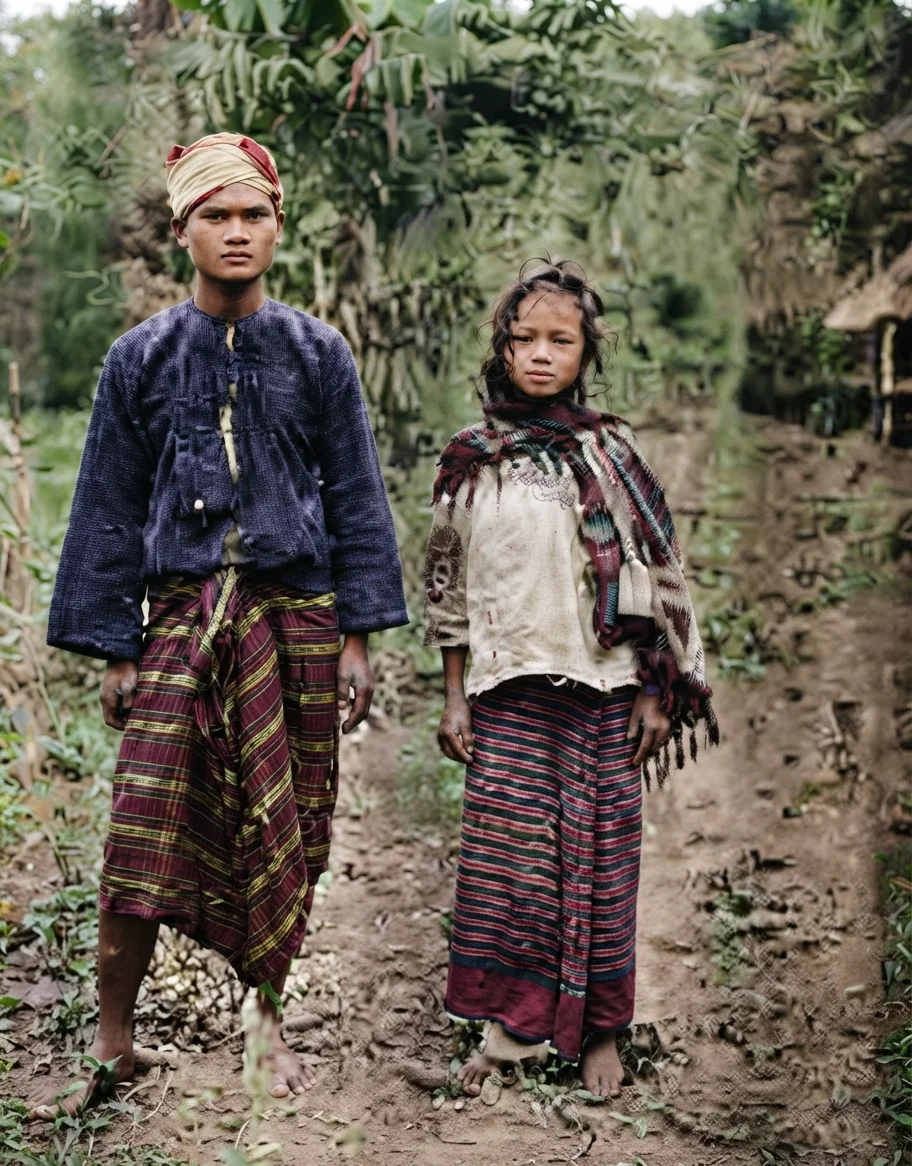
BEFORE the coming of the British, in the days of “the Lord of Gold, Silver, Rubies, and Amber, Descendant of the Sun, Arbiter of Life, King of Righteousness, and King of Kings,” the subject races ofBurma were liable to loss of life or confiscation of goods or both at all times. The arrogance of the Burmese kings led them to a systematic plundering of the five tribes under their rule. The Shans, being brother Buddhists, fared best, perhaps, while the Karens, having no religion except demon-worship, and no written language, fared worst, being considered inferior both spiritually and mentally. To this day the Burman speaks of the Karens as simple-minded folk.
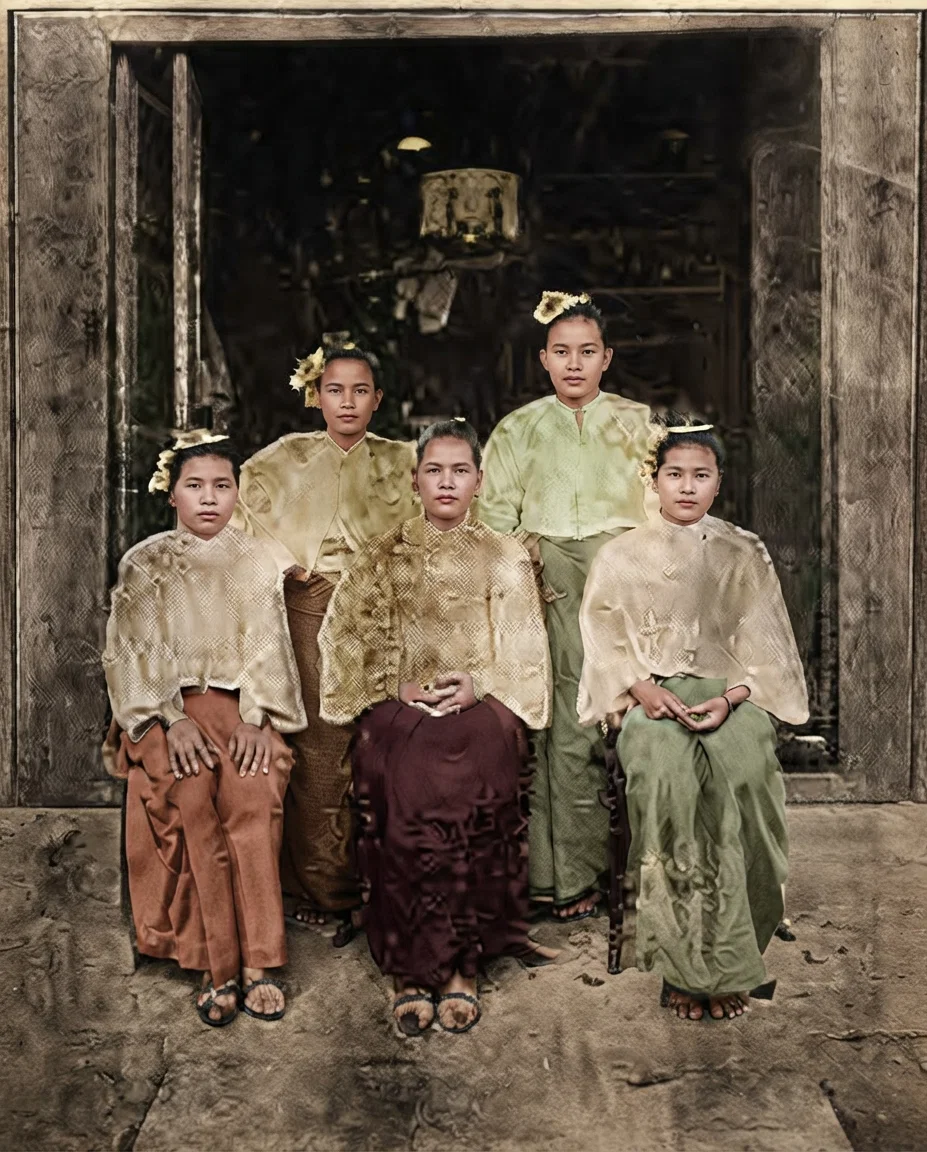
A Group of Burmese Girls.
A Typical Karen Boy and Girl.
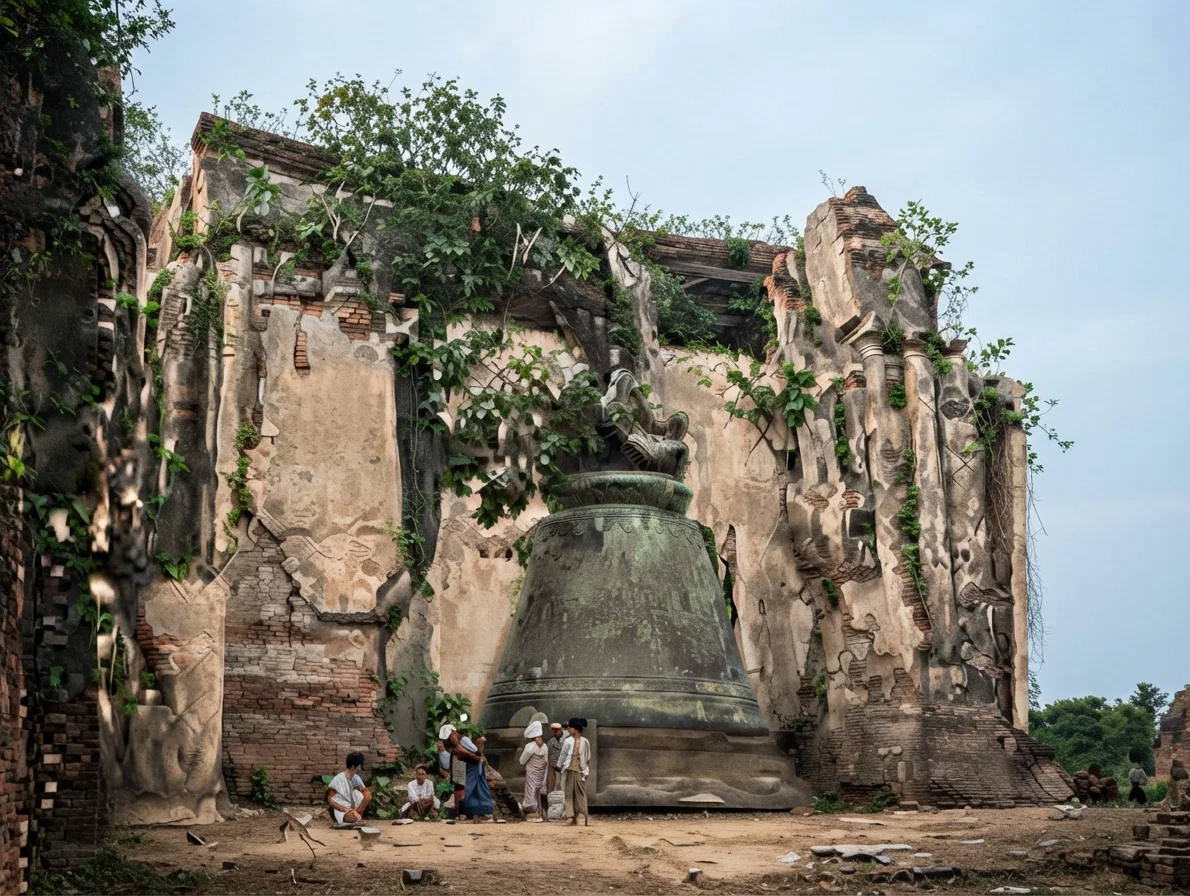
The Great Mongoon Bell, Burma.
However, this once despised people have illustrated in a remarkable way the scripture: “And base things” “and things which are despised, hath God chosen.” During the centuries of their subjection and oppression they preserved a tradition which offered hope for the future. They felt that because of sin they were cut off from God, but that there would come messengers of the true God who would teach them their way back to Him. They preserve an account of Creation, the Fall, the Flood, and other events very like the Biblical record.
When the missionaries came, the Karens illustrated their condition by telling a story. “Some children left in a place of supposed safety by their parents were so frightened by the approach of a tiger that they threw down the cliffs some pigs that had taken refuge with them. Their eyes, however, were not fixed upon the tiger but on the path by which they expected their father to come. Their hands fed the tiger from fear, but their ears were eagerly listening for the twang of their father’s bowstring that would send the arrow quivering into the tiger’s heart. And so altho we have to make sacrifices to demons, our hearts are still true to God.”
Thousands of these Karens have received the Glad Tidings with joy, while comparatively few of the Pharisaical Burmans have responded to the Gospel.
The message of the Saviour’s return in glory must be given in power to these humble Christians. And we know of no people to whom it would be more acceptable.
It has been known for years that when the Karens migrated southward a part of the tribe was left behind. And very recently these have been found. Missionaries in northeastern Burma near the Chinese frontier have found the Lahu, a people whose traditions correspond in almost every particular with those of the Karens. Their language, too, is almost the same. A man knowing the Karen readily acquires their tongue. The Lahu are spread over considerable territory in Burma and far northward into China.
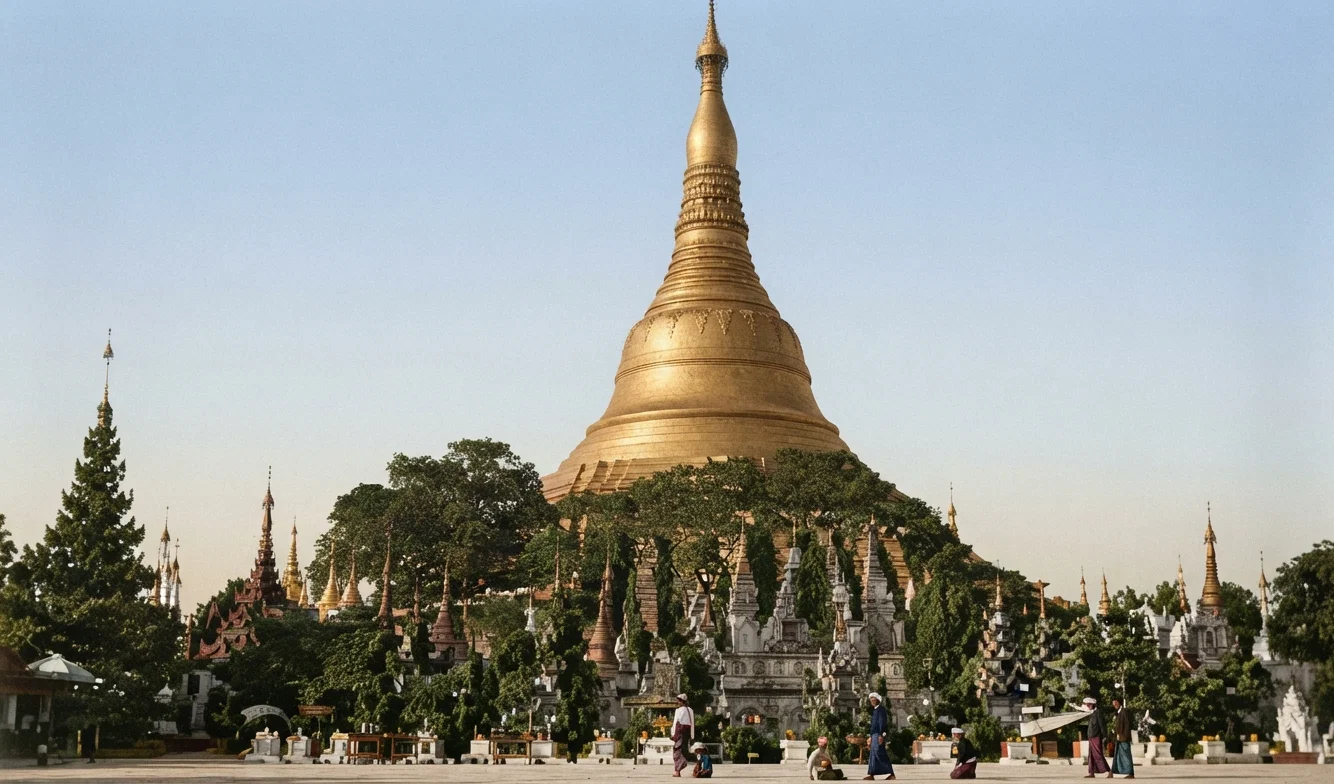
Shwe Dagon Pagoda, Rangoon.
One of the marvels of modern missions is the readiness with which these people accept Christianity, and the eagerness they display in seeking the knowledge of the true God. Usually a mission worker must go out into the highways and byways to seek the lost, but here the operation is reversed—the lost are seeking him. It is not uncommon for people to come from ten to twenty days’ journey. Often groups coming from opposite directions arrive at the same time. There have been as many as five hundred camping in the mission compound at one time. In view of such phenomena, who can say, “There are yet four months, and then cometh harvest”? Saith the Lord, “Lift up your eyes, and look on the fields; for they are white already to harvest.”
Do not the hearts of all who read these lines respond? Will not some go? Will not some give means? Could stronger inducement be wanted? Here is an investment yielding “an hundredfold” in this life, and in the world to come, eternal life.
Many precious sheaves from Burma will be gathered into the kingdom, of this we are sure. The reapers must come. Dear reader, will you not be one? H. H. VOTAW.
Insein, Burma.
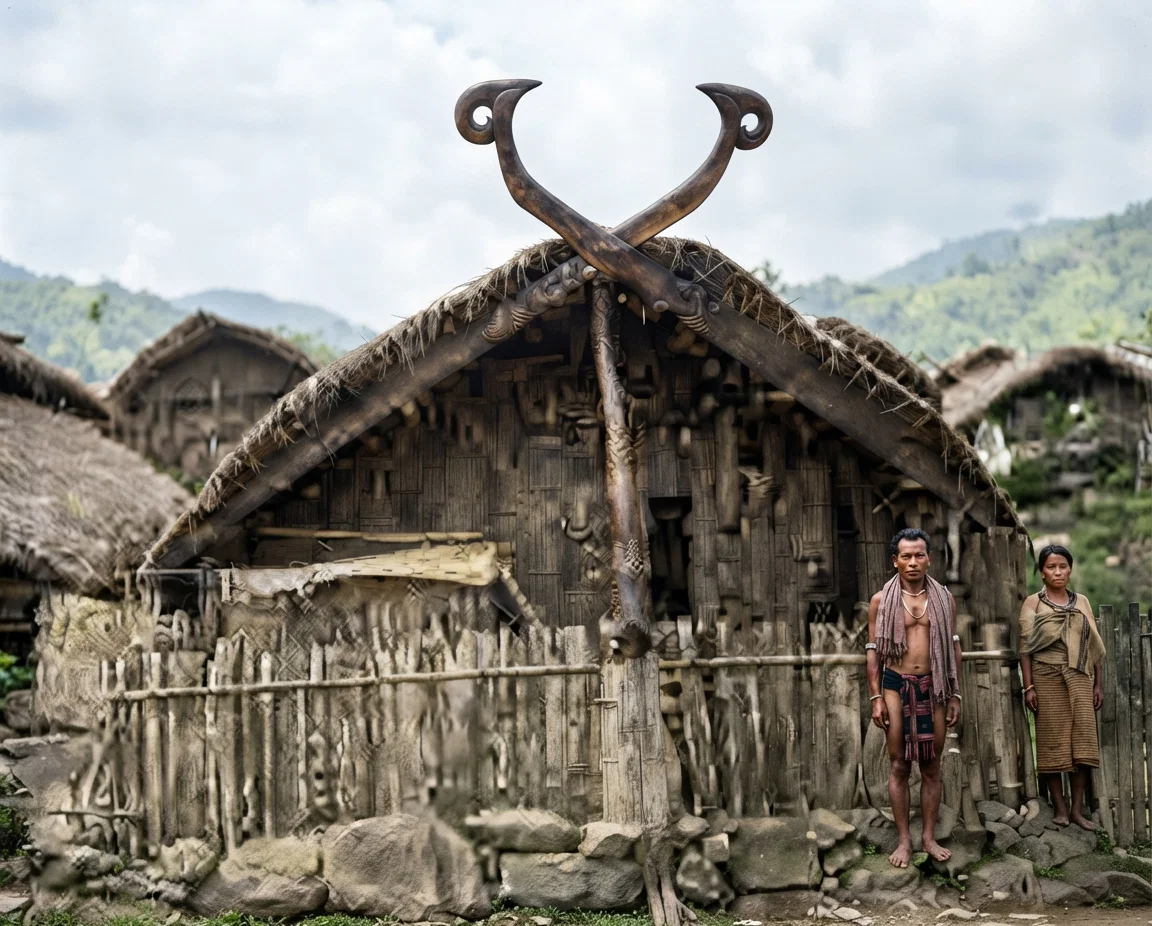
An Indian Home in Assam, India.
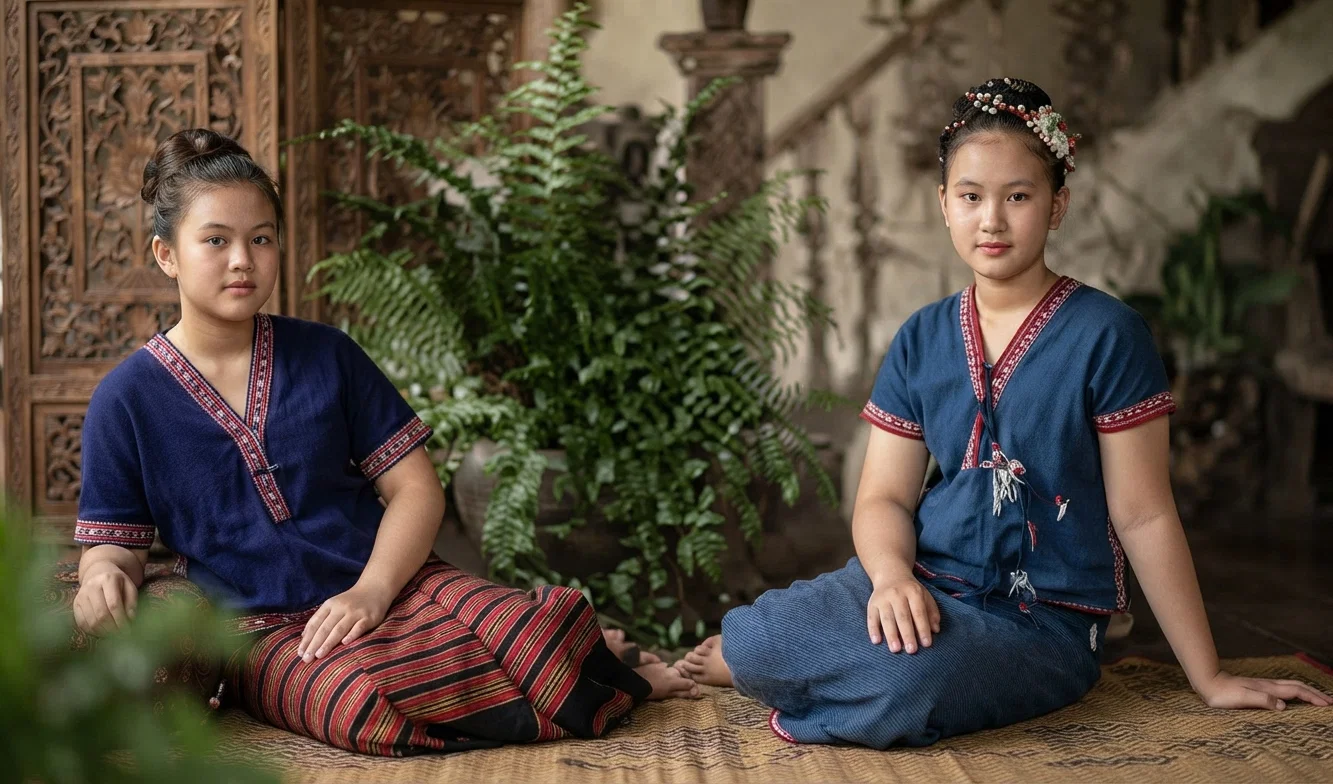
Karen Girls in Their Home Dress.