Concluding the world tour of the affiliated health enterprises conducted by Seventh-day Adventists
By L. A. HANSEN
An Itinerating Dispensary
IN visiting fifteen sanitariums, in twelve foreign countries, besides seeing numerous dispensaries, all within the compass of one article, we must of necessity make our calls very brief. Those who, in the last two issues of this journal, have accompanied us on a tour of the sanitariums in the United States, will understand us when we say that our foreign sanitariums occupy locations of the same order as do the institutions in America. The same general idea of securing the fittest situations possible has prevailed, those noted for healthfulness, beauty, and generally agreeable environments, as well as accessibility for those who would patronize the institutions. In consequence, these sanitariums are blessed with locations most favorable to their work.
Likewise, the same objects hold in the establishment and conduct of those sanitariums as with those we have already considered. We are reviewing a work that is world-wide in its scope, and operates the same in one country as another. There are the same rational therapeutic measures, the same healthful dietary principles, and similar appliances for administering treatment. Like thoroughness in physical examination rules in all. The Christian influence will be found pervading all. There is with all the same purpose to make the institution educational, not only for securing health, but for maintaining it.
Beauty Spots of England
The Caterham Sanitarium is our oldest in England. It stands at the upper end of a picturesque valley, with an outlook of undulating hills, clusters of pines and beeches, and verdant valleys stretching away on three sides. The air is clear and bracing, and the water exceptionally pure. A large outdoor gymnasium, with ample facilities for sun baths, gives added advantage in outdoor life. An appreciative patronage has liberally supported the institution.
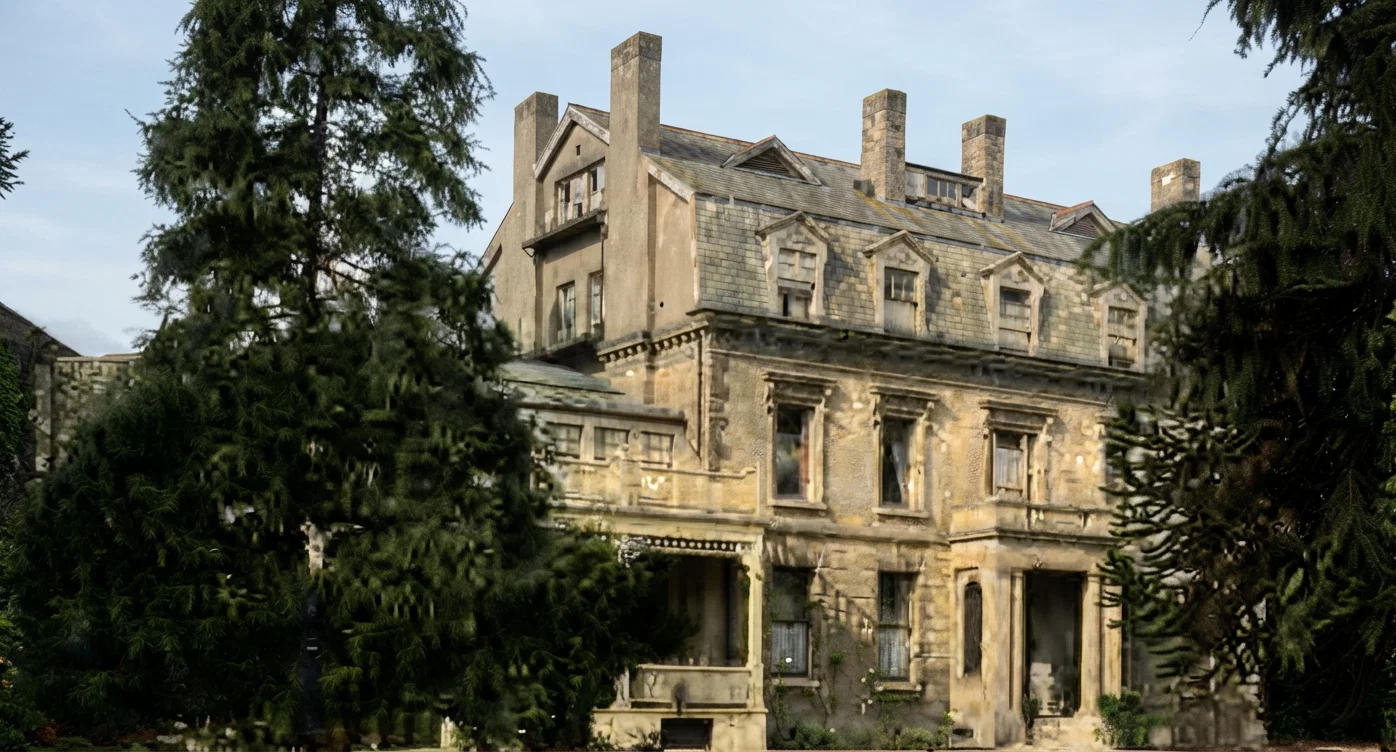
The Stanborough Park Sanitarium stands on rising ground in a park of fifty-five acres, near Watford, Herts, about a half hour's ride from London. The surrounding country — distinguished for its beauty — is diversified by woods, rolling hills, cultivated fields, and meadows, orchards, lawns, and gardens. The sanitarium main building, formerly one of "the stately homes of England," has been thoroughly modernized and equipped for its present uses. Success is attending the institution.
The Largest in Europe
One has to travel long and go far to find a prettier place than that occupied by the sanitarium at Skodsborg, Denmark, eight miles from Copenhagen. In front stretch the blue waters of the Sound, with its thousand sails; and to the south is the bay, with its high banks. Across the Sound, we see the Swedish coast. Back of the sanitarium and the village is a rolling upland, with immense forests.
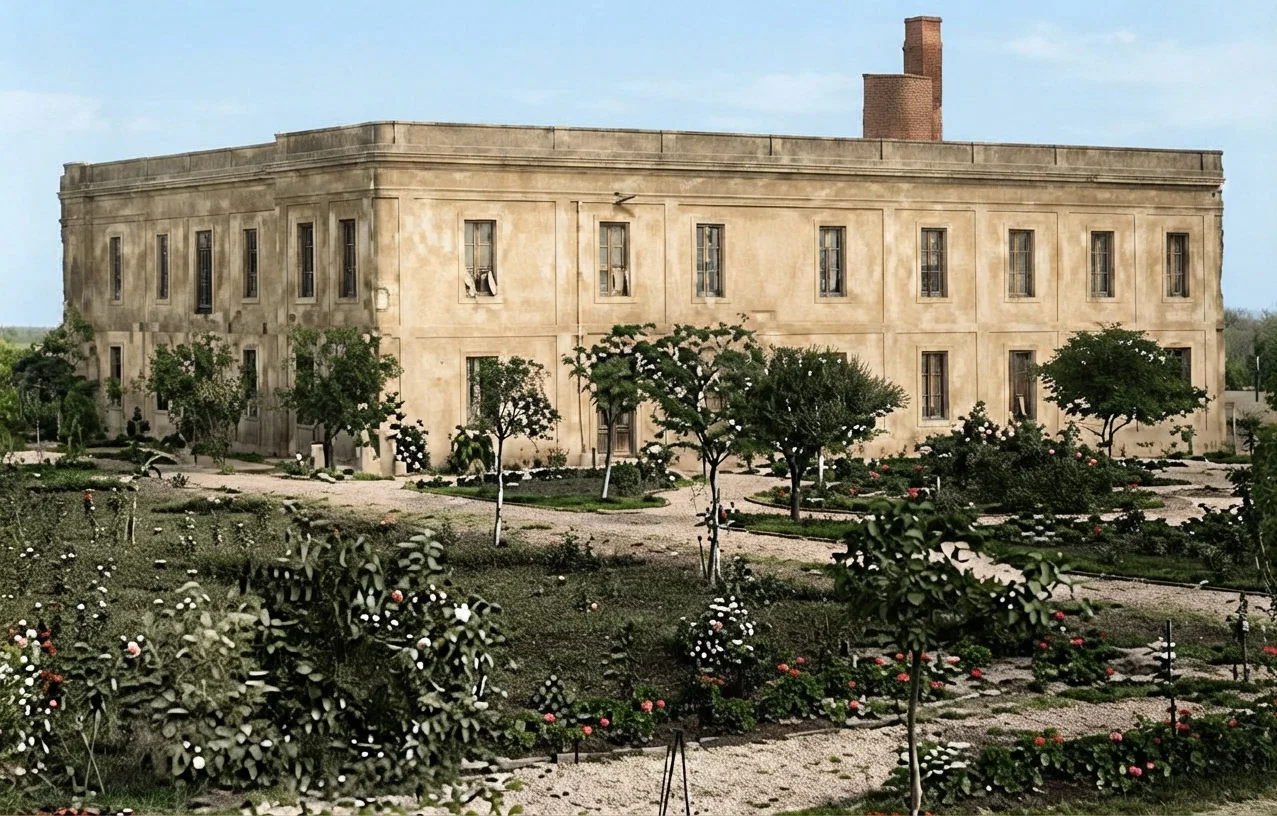
Diamante Sanitarium, Argentina
This sanitarium is our largest, the main building having a capacity of two hundred fifty guests. While the opening of the war caused a considerable drop in its patronage, the normal has been restored, and the institution is flourishing. A large annex has recently been opened. In the group of buildings are those devoted to sloyd and gymnastics, open air treatment, and sun and sea baths.
Near Frederickshaven, a coast town, a stone's throw from the waters of the bay, is the Frydenstrand Sanitarium, another institution offering the pleasures and benefits of surf bathing as well as those of scientific hydrotherapy, together with all the other advantages of a well regulated and fully equipped medical establishment.
In the Scientific Forefront
At Friedensau, Germany, the sanitarium is now caring for many wounded soldiers, in addition to its usual work. Our large school building near offers added room for the more than one hundred soldiers placed there by the government. This institution is in the forefront in its scientific equipment and general facilities.
Here is located one of the thirty training schools for nurses conducted by our sanitariums. Candidates for training are selected with a view to their engaging in missionary work, and they enter upon their training for that purpose. After graduation, they are employed in field work, through nurses' bureaus. Ten such bureaus are in operation in Germany and Austria, with seventy nurses doing field work.
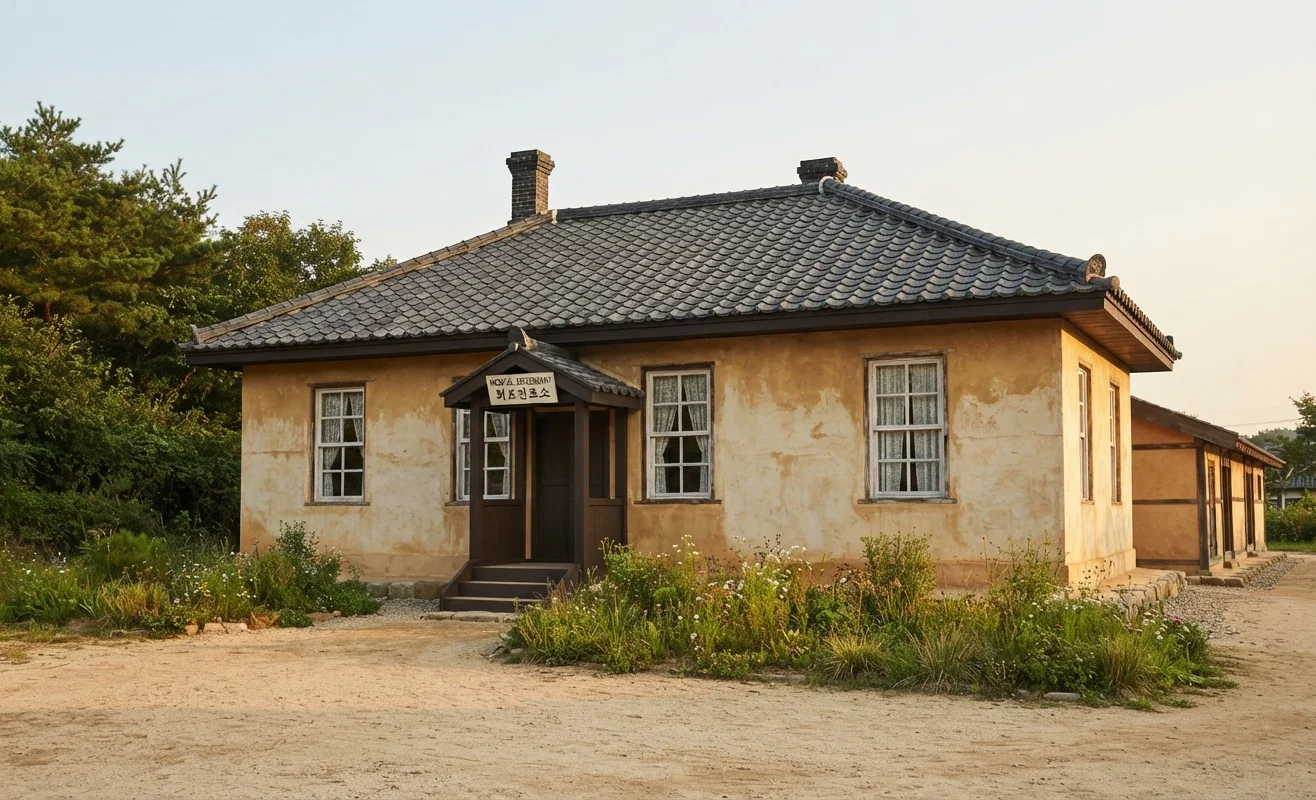
Medical Dispensary at Soonan, Korea
Many of our nurses are now in the Red Cross service; and in a number of instances, men who have had only a partial training have been assigned to relief work instead of having to do military service.
Nurses under regular conference supervision are working in Russia, England, France, Bulgaria, Greece, Syria, and Egypt. Most of our missionaries to German East Africa are nurses. The gospel work finds many openings by means of the medical work. The German government has shown much favor toward our medical missionary work in Africa.
At the Home of Voltaire
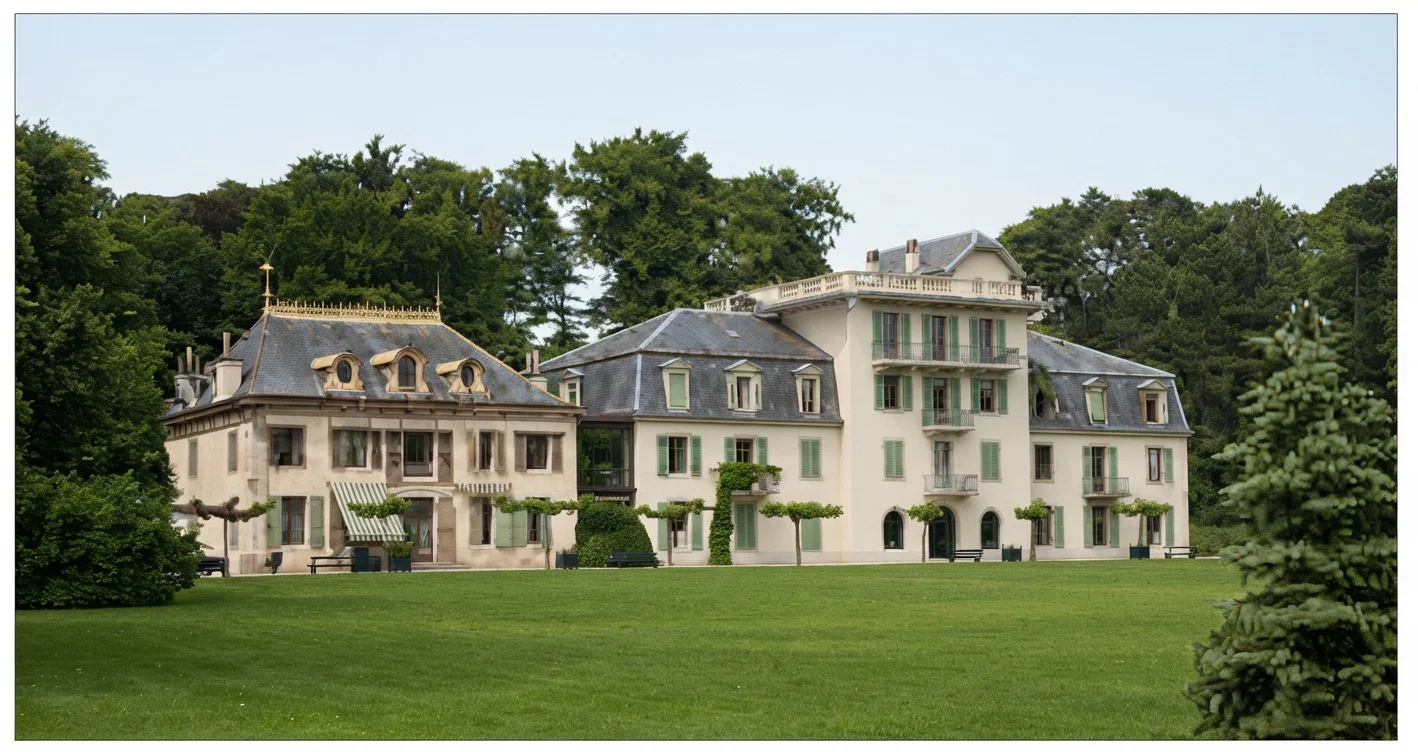
It goes without saying that a sanitarium on Lake Geneva, Switzerland, would enjoy a situation of beauty. Our Gland institution occupies a location that only an actual personal visit will enable one to appreciate. Yet, like all our other institutions, it does not rely on scenery, but makes use of the usual elaborate facilities and of technique. Its work is highly successful. Once the home of the infidel Voltaire, it is now the center of a strong religious influence that is winning men and women to Jesus.
In passing, we will call attention to the fact that we have had treatment rooms for some years at Jerusalem, in charge of a nurse. We are not sure just what the conditions of the work are at this time, on account of the general uncertainty about things there.
The Plumstead Sanitarium, in South Africa, is doing a modest work, exerting a helpful influence among a good class of people. Treatment rooms are operated at Maritzburg, Natal, and also at Kimberley. In all these places, the medical work has a good footing.
Successful Self-Supporting Work
In Australia, medical missionary interests count big in the general progress of our concerted lines of work. The principal sanitarium is at Wahroonga, near Sydney. A training school for nurses is conducted in addition to the regular institutional work. Christian qualities determine the selection of students for training.
Smaller institutions at Adelaide and Warburton, and one at Christ hurch, New Zealand, are also doing successful and self-supporting work. The sanitarium at Diamante, Argentina, has met with splendid success. Its influence is far-reaching. A good class of people patronize the institution. Its physicians are called to outside service at some distances. They, like many of our physicians, are active in public temperance work.
The Health Home in India
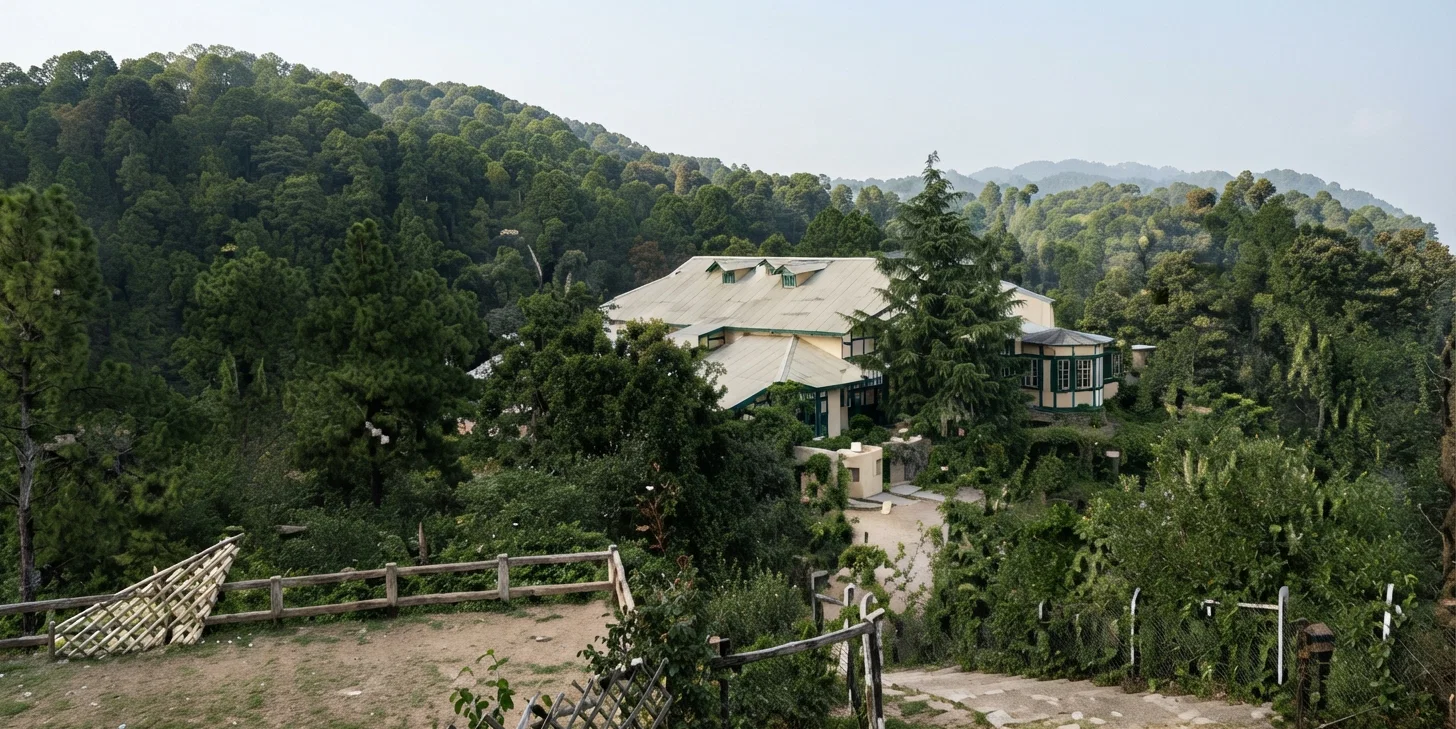
The climate of the lowlands of India is very enervating to our missionaries. A number have fallen under the strain, and others have been compelled to return to this country13with broken health. We now have a health home in the mountain region at Mussoorie, where our own workers and others find excellent advantages for rest and recuperation. Other lines of health work are carried on, mention of which will be made later.
Kalyan Sanitarium, near Bombay, India
It is in these mission fields that real medical missionary effort finds its largest place and greatest accomplishment, and where, perhaps, it sees its truest expression. In saying this, we are not measuring by size or number of institutions, or by the amount of equipment or facilities, nor of the investment of means, or the returns in money fees. We refer to the vast needs of millions of people, and the immense good that the medical missionary may do.
People living in America can scarcely comprehend the lack of means of medical care that exists in the countries of largest populations of the sickest of people. With one hundred fifty thousand doctors in the United States — one to every one hundred and twenty families — we are complaining of too many. In New York, there is one practicing physician to every ninety-two families; in San Francisco, there is one to every seventy-four families; in Washington, one to every fifty-four families.
No 'Doctors' Rows' There
Some cities have their 'Doctors' Row,' where blocks are lined with doctors' offices. Even our Western States have a liberal proportion of practitioners. Everywhere are villages of fifty or one hundred families — and a little country trade besides — with one, two, or possibly three physicians. It has come to the place where medical authorities are decrying a surplus. We have our numerous sanitariums and hospitals. City dispensaries are available to all classes. Drug stores are plentiful. Almost every family has its household remedies. The home medicine cabinet is common. Practically every magazine of to-day, and almost every newspaper, gives instruction in how to keep well.
We cannot compare this condition with that of the heathen lands, for there is no comparison — it is almost an absolute contrast. The countries containing the largest population have the fewest hospitals. The people needing doctors the most have them the least. Gross ignorance is accompanied by intense suffering, and there are so few to give enlightenment.
Our medical dispensary work is making its way in disease-stricken India, that vast field of immeasurable needs and immense missionary problems. It is helping to gather out a people for God, from that Gibraltar of heathenism. Our largest mission station, with its church and school, had its beginning in the dispensary.
Mussoorie Sanitarium, India
Stanborough Park Sanitarium, England
We have there seven dispensaries, four treatment rooms, a health journal, and a health food factory. Thousands of patients come to the dispensaries, and many others are treated in their homes. This work is accompanied by gospel talks and the distribution of literature.
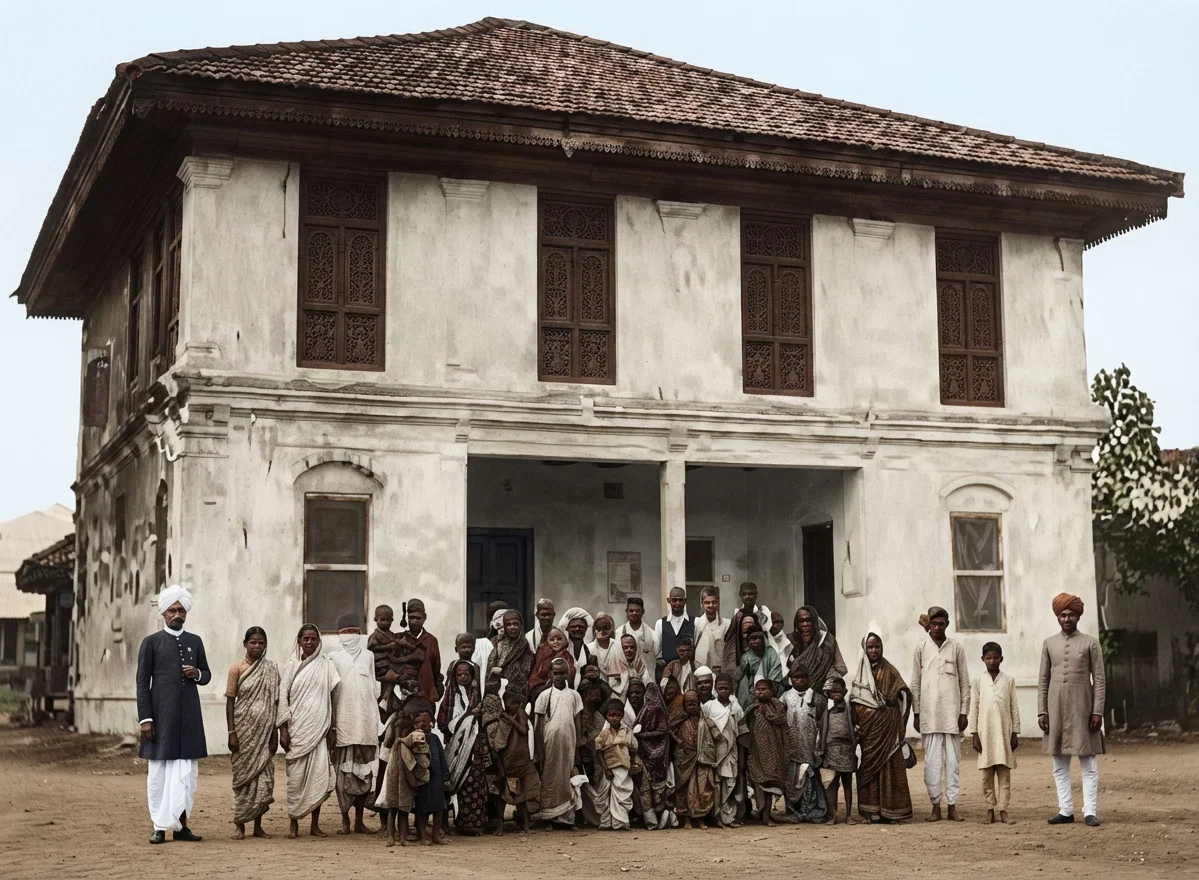
The mission dispensary at Kalyan, near Bombay, gives about twenty thousand treatments a year. Hundreds of homes are visited, in many villages round about. Patients come thirty and forty miles for relief. Millions are without a doctor. Large sections of dense population have no medical help of any kind. Diseases are legion. Fevers run just as high there as elsewhere. Pain is just as hard to bear. Toothache and neuralgia hurt there the same as here. Typhoid and pneumonia are just as killing.
Medical Missions Rank Highest
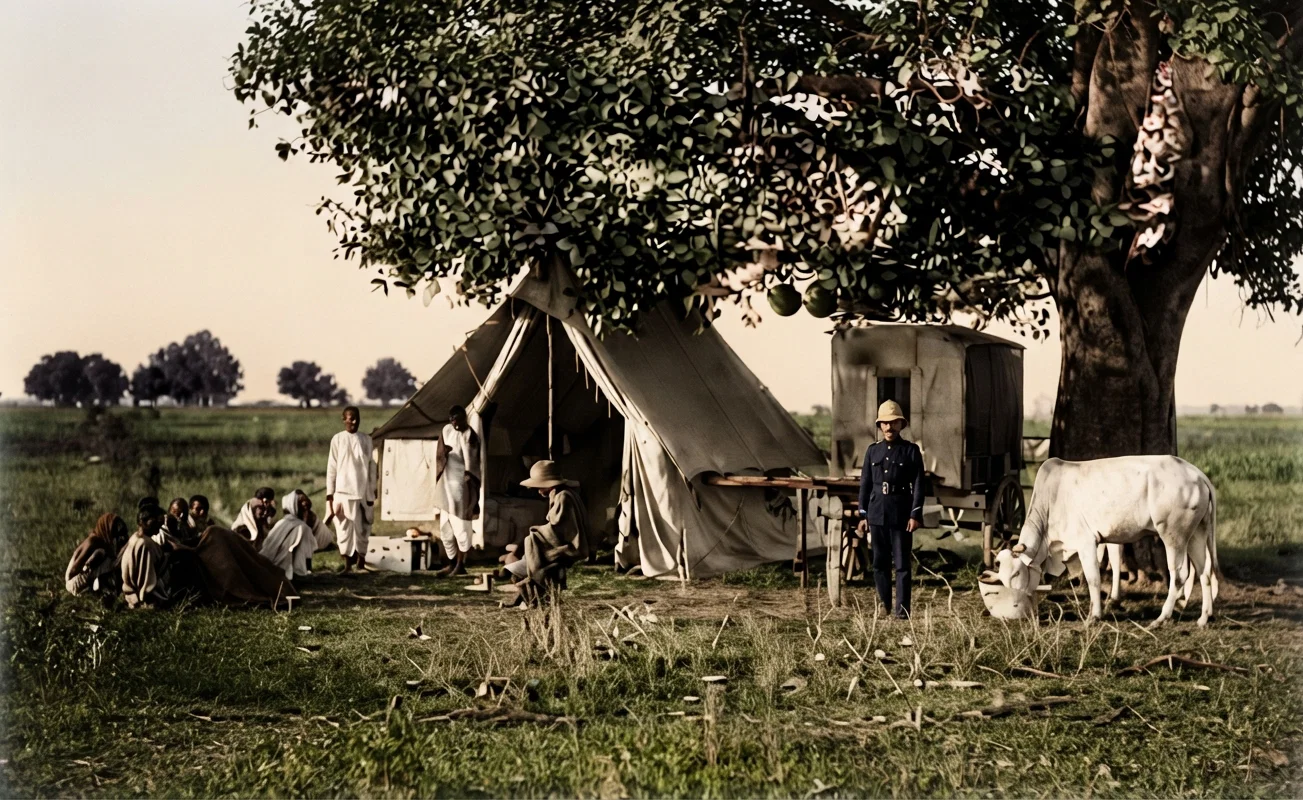
An itinerating dispensary is operated in the Punjab. A bullock cart is used for transporting two large boxes, planned by an experienced medical missionary, and containing a compact and full equipment for general practice, including minor surgery. The doctor in charge, and his assistant, visit many villages. Wherever they stop, a large company of patients is soon collected. At the close of the busy day, a stereopticon outfit is brought into use. The pictures showing Bible scenes are understood and appreciated.
Other dispensaries are in operation, one at Jaujadishpur, among the Santalis; one at Najibabad, for women, giving fifty or more treatments a day; and another for the Karens, near Maulmain, Burma.
It is well recognized that medical missions rank among the most potent means now employed for reforming, or rather, revolutionizing the moral, intellectual, and social condition of the Chinese. The medical missionary possesses advantages that are powerful in touching the heart and turning gratitude into means of reaching the darkened mind. Without his directly assailing the strongholds of bigotry and conceited ignorance, the worship of idols is supplanted by an adoration of the true God.
We have several doctor-preachers, or preacher-doctors, whichever you please to call them, in China. Dispensaries are proving successful in reaching most promising persons in the mission field. They bring men and women within the hearing of the gospel, presenting practical and tangible manifestations of the spirit of Christ. They reach even those who have vowed never to set foot in a Christian chapel; for these come to the dispensary for help, and the dispensary door is an entrance to the chapel.
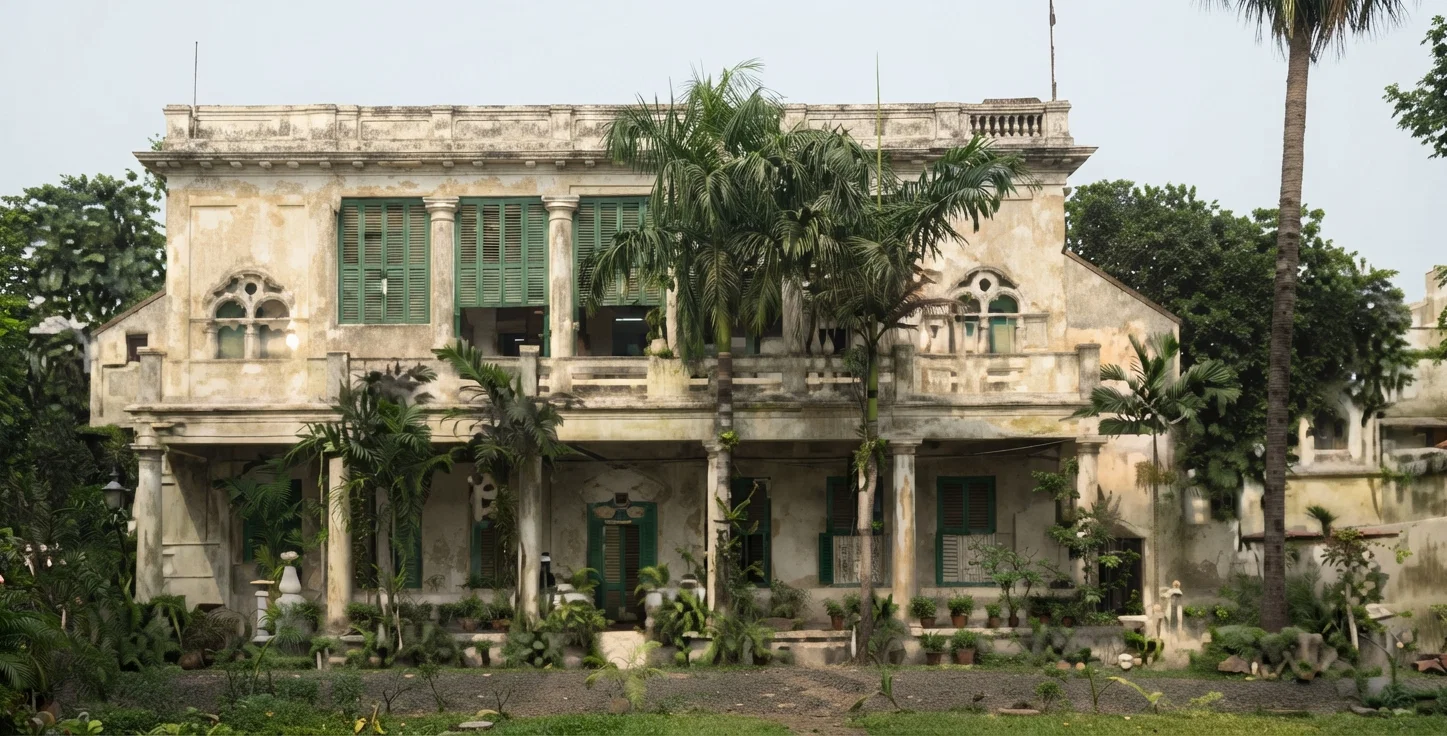
Calcutta Sanitarium, India
The deep-seated superstition of many concerning sickness leads to gross neglect of those who are supposed to be doomed by an evil spirit, or to crude and cruel treatment in an effort to drive out the evil spirit causing the disease. Volumes would fail to tell the suffering that results.
The diseases there classify about as do the diseases here, except that they are more aggravated, because of neglect and mistreatment. Bad habits tend to break down health. Diseases formerly unknown develop. Infection and contagion are speeded by ignorance. Native doctors help the trouble instead of the patient.
Our physicians and nurses find their work growing because of the advertising by those who have found relief. Others come, and still others. There is simply no end to what needs to be done, and what can be done.
Just a Twenty-Dollar Dispensary
About seven years ago, one of our physicians went to Korea, a country of dense population. A twenty-dollar dispensary has served, until very recently, for the care of the thousands and thousands of patients. A marvelous work of medical evangelism has been done.
The people understand nothing of the nature of infection, and have the old heathen idea that disease is due to wind in the bones or some other part of the anatomy, and that it must be let out. Some patients who come have been stuck hundreds of times in the face or elsewhere as a means of letting out the bad blood. Many die of infection as a result of such practice.
Spending only one or two days of each week at the dispensary, the doctor has left it in the care of his wife and native assistants, and has spent the rest of the time in the field. Riding hundreds of miles on horseback, with his supplies in his saddlebags, he has given help to thousands. We speak literal truth when we say he has baptized hundreds of converts to the gospel. His work has been a splendid representation of the ideal union of medical care with gospel labor.
Many people who have heard of how Christ went about doing good, and of how He healed people of their diseases, cannot comprehend it. What a help it must be to their understanding of what this means, to see it actually done by His followers!