The Quest for Health

2%

Pacific Press Publishing Association · Mountain View, California · Oct 31, 1916

FromSigns of the Times, October 31, 1916

Read the full edition
The Quest for Health

Completing the Tour of America's Chain of Health Meccas

By L. A. HANSEN
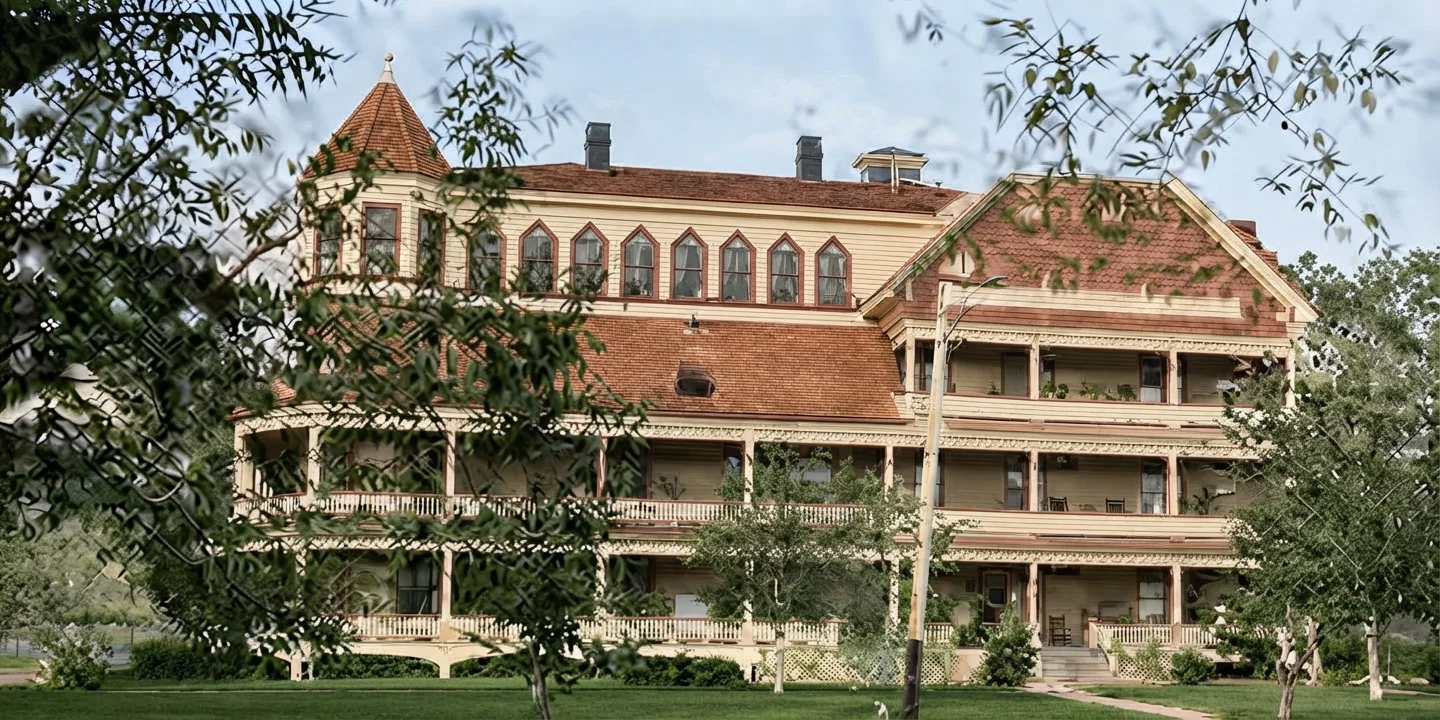
ON our tour visiting the health institutions operated by the Seventh-day Adventists in the different parts of the world, we stopped last week at the Boulder Sanitarium, Colorado. We found ourselves in the Rocky Mountain region. The sanitarium location is the ideal spot of numerous places visited when an extended search was made for a suitable site. Nature has been lavish in her bestowal of health advantages, and has given extra measure, and running over, of that which is beautiful.

A Mecca for Health Seekers

Here is an altitude of 5,300 feet above sea level. The very atmosphere seems charged with life and energy. The air, free from dust, smoke, and soot, is full of invigorating and tonic vitality. Water, unrivaled for purity, comes from the fountainheads of perpetual snow and glacier away up among the lofty peaks of the Rockies, and is conveyed to us by a system of closed pipes.
Close by are some of Colorado's finest cañons. Towering snow-capped peaks form a magnificent background. Before us lies a rolling plateau, with little mirror lakes and winding irrigating canals stretching away as far as the eye can see. The many fertile ranches of this garden spot yield a bountiful harvest of fruits, grains, and vegetables, giving Boulder a constant supply of fresh, homegrown products. The sanitarium, like a number of others, maintains its own dairy and poultry yard, in order to secure the best of products.
Colorado is justly considered a Mecca for the health seeker, and this not alone for the consumptive, but for most chronic invalids. The Boulder Sanitarium does not admit persons suffering of tuberculosis or other contagious or offensive diseases. This is true of the entire system of sanitariums.

No Profit for Personal Gain

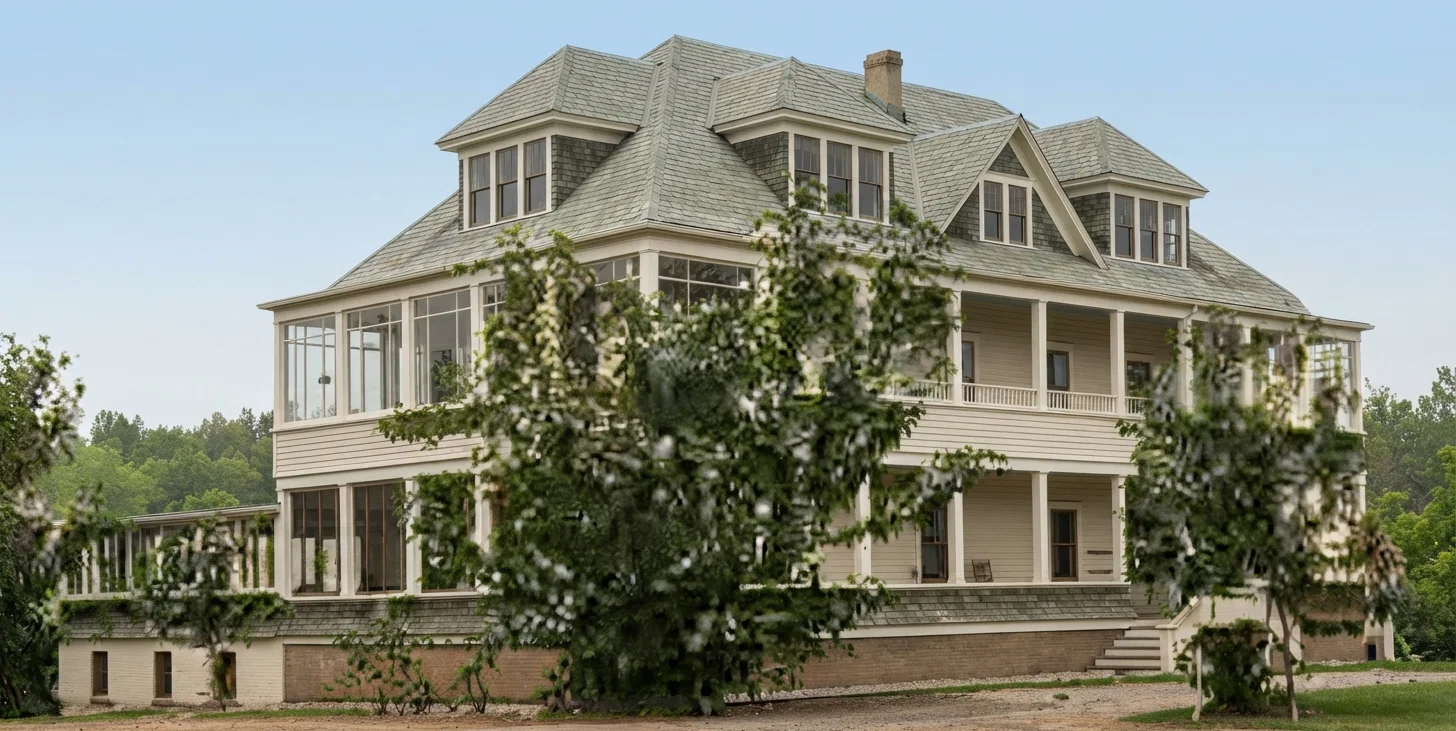
At College Place, Washington, a pretty suburb of Walla Walla, is another sanitarium, beautifully located in the famous Walla Walla Valley. The institution is growing in its medical influence, and enjoys a splendid patronage from the community and the surrounding country. A salubrious climate, a neat, "homey" institution, a congenial and efficient medical staff, good equipment, and the rest of the things that go to make a successful sanitarium, are all to be found here.
Loma Linda Hospital, California
As in the other places we are visiting, there is found here an unobtrusive religious spirit. The physicians and the employees are Christian men and women who are working for something more than personal ends and selfish gains. Daily worship for the guests, in the parlor, is maintained, besides other services of prayer and praise. The object is to make all these exercises uplifting and inspiring in the attainment of hope and courage and life and health.
It may be of interest to our reading visitors to know that all profits from these sanitariums are devoted to forwarding medical missionary interests in all parts of the world, and to the charitable care of such sick poor as may be properly recommended. The last item amounts to many thousands of dollars each year.
[[FIGURE]] [[FIGURE]]

Snow Water from Mount Hood

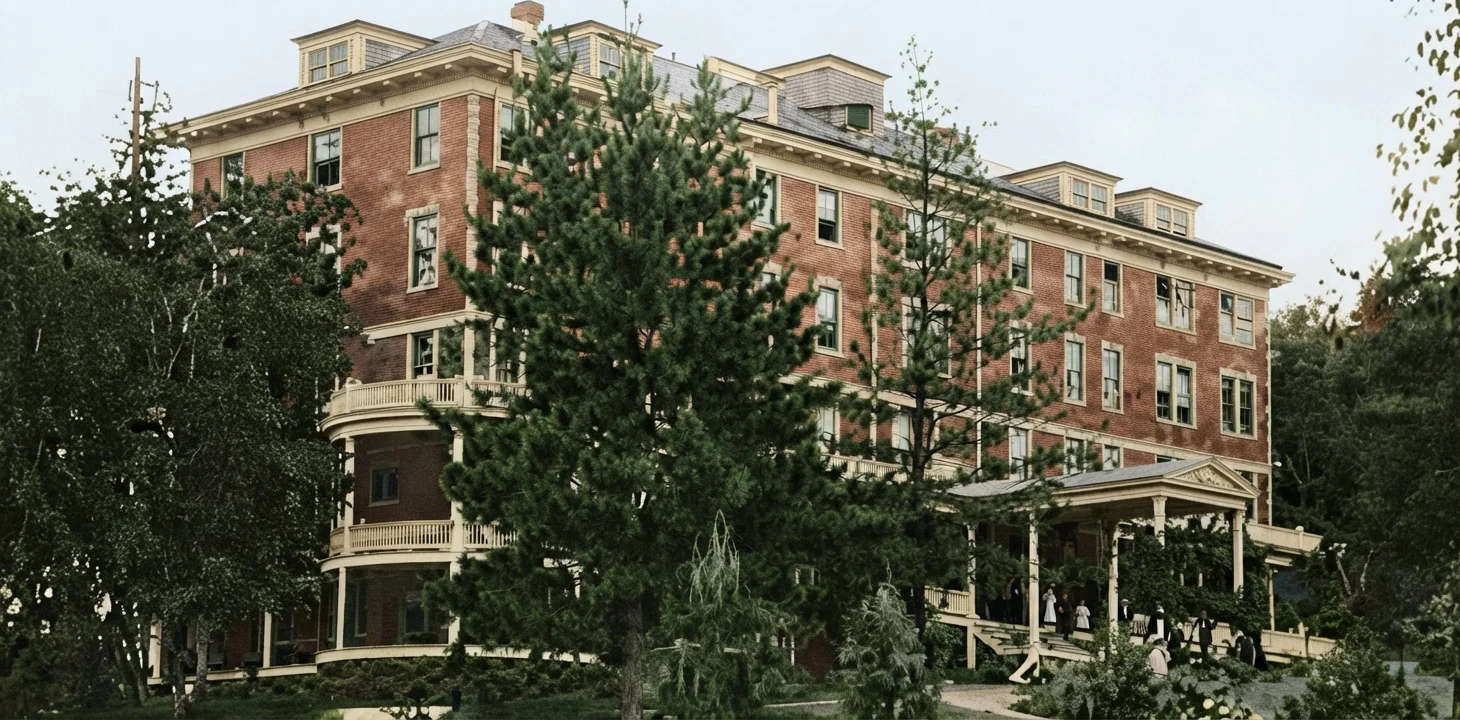
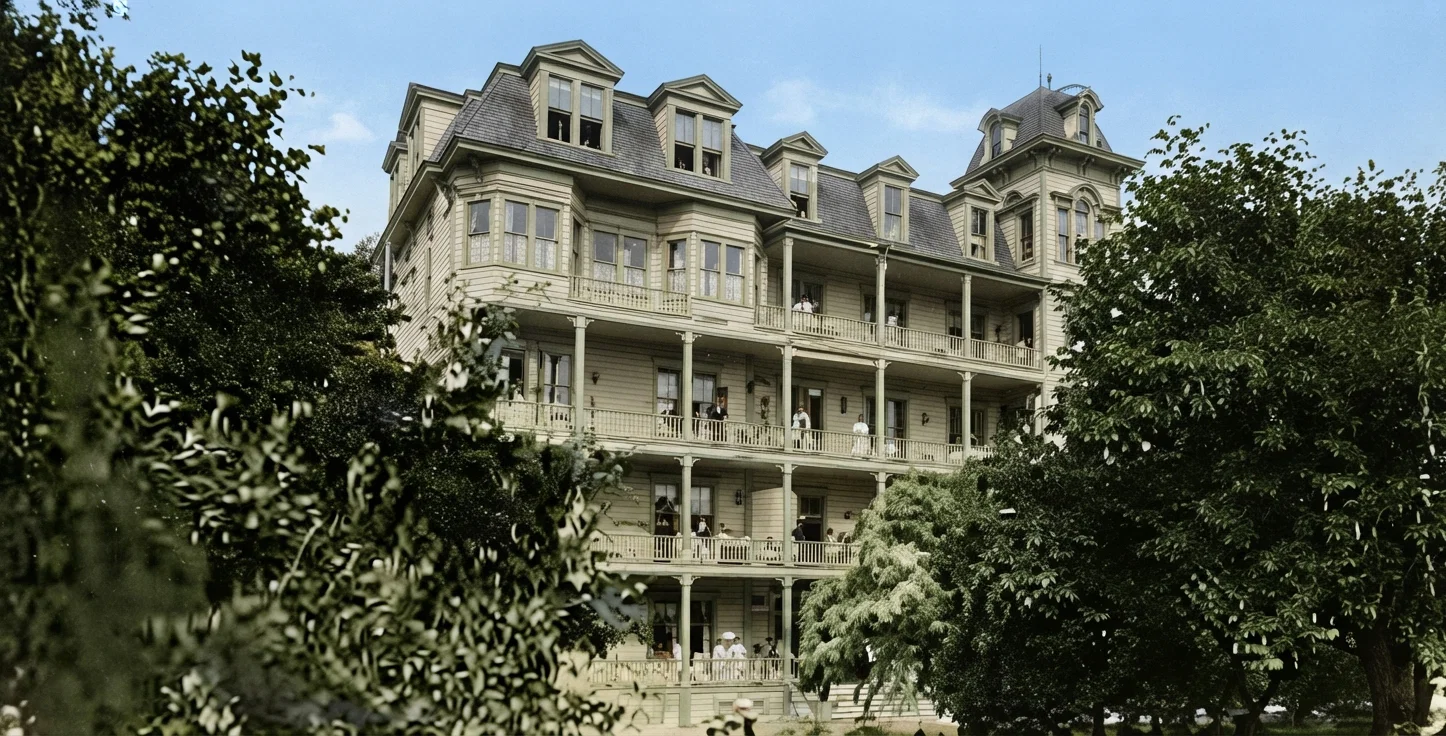
Four miles east of Portland, on the western slope of Mount Tabor, is another of our sanitariums, the location of which was selected for its choice surroundings of healthfulness and beauty. Protected from the eastern winds of winter; snugly nestled among stately evergreen trees; enjoying day-long sunshine; with snow water from the top of Mount Hood — water known the world over for its purity; securing the purest of air from surrounding forests and the not distant ocean; with a perfect drainage system,— this locality is noted for its healthfulness.
The snow-capped peaks of Mount Hood, Mount St. Helena, and Mount Adams looking up, and the winding way of the Willamette River below, form a panorama that cannot be pictured in words. The sanitarium grounds of nearly three acres are covered with a variety of trees and shrubbery, and afford a spacious lawn in front of the commodious building.

A Group of Four in California

One would naturally expect to find strong health centers in the wonderful state of California. Our tour will include four large institutionshere. The founders of the St. Helena Sanitarium could hardly have found on the Pacific coast a location more suitable than the quiet retreat among the picturesque, wooded foothills of Howell Mountain, one of the prominent landmarks of the upper Napa Valley. On the southern slope of the mountain, three miles from the town of St. Helena, readily accessible, even to invalids, by prompt and comfortable automobile service over good roads, the situation is perfect.
[[FIGURE]] [[FIGURE]] [[FIGURE]] [[FIGURE]] [[FIGURE]] [[FIGURE]]
This institution dates back to 1878, it being the second of our sanitariums in its establishment. Known first as the Rural Health Retreat, and also as Crystal Springs, from the pure, limpid waters of its large springs, it has gained a wide reputation as one of the best and most complete scientific medical and surgical institutions of its class. A pure atmosphere, abundant sunshine, and pure water in abundance, are some of nature's contributions toward making this a health center.
A large outlay of means, directed by many years of experience, has perfected a group of buildings thoroughly equipped with up-to-date appliances, which make this mountain retreat a marvel. Little wonder it enjoys a patronage which taxes its facilities. A splendid four-story medical and treatment annex has just been added, and a fine new hospital building is also a recent addition.

Pioneered the Pure Food Movement

While here, we can also visit one of the health food factories operated in connection with this health work, of which there are eleven, located in seven countries. It may not be generally known that the "pure food" movement largely had its origin with this people. That the use of certain foods now so popular, and regarded as belonging to the better way of eating, was practiced by them years ago with the same regard, speaks well for the reform character of this movement.
The purpose in the manufacture and sale of these foods is not a mercenary one. The industry has attained large proportions in the commercial world, where it has met with financial success. It still remains, with our allied institutions, a matter of providing help in practicing the true principles of dietetic reform.
One of the characteristic features of our sanitariums is the bill of fare. Dietetics being regarded of great importance as a remedial measure, this subject receives careful attention. The old régime of fried foods, rich pastries, and highly spiced and seasoned foods, is abandoned, and a new order of toothsome, dainty, and easily digested dishes substituted. Special attention is given to the preparation of wholesome and palatable substitutes for flesh foods. Patients are guided by the staff physicians in the quantity, choice, and combination of their foods, according to the patient's particular need.

Glendale's Inviting Climate

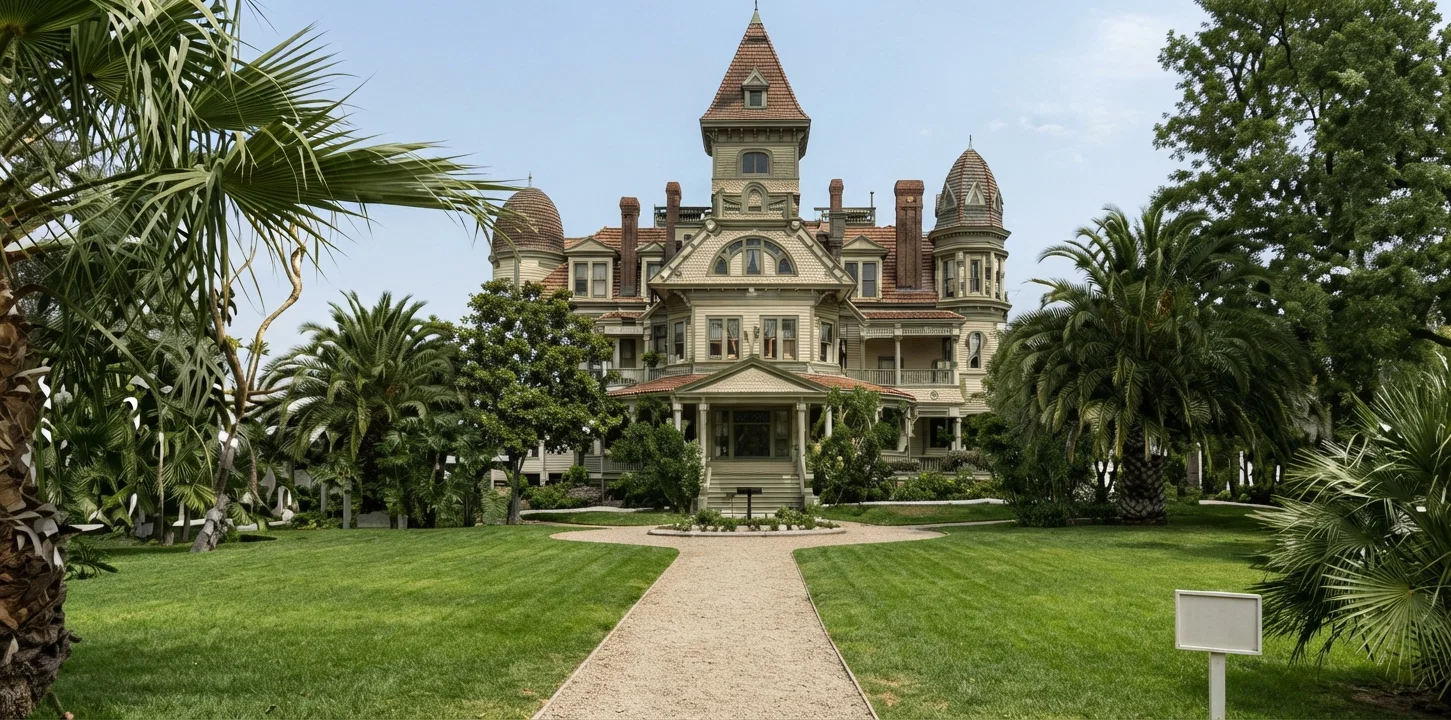
The seasonal advantages of southern California are fast becoming recognized by invalids, tourists, and others who desire to escape the rigors of the North and the East. At Glendale, eight miles from Los Angeles, and reached by two electric railways traversing unexcelled scenic routes of the vicinity, is another of our sanitariums. With beautiful, parklike grounds, of large, sweeping lawns, a profusion of gorgeous flowers, quiet retreats, and tennis courts, surrounding it, the neat, attractive building fairly speaks an invitation to one looking for rest and recuperation.
The climate is delightful the year around. The warmest summer days are tempered by ocean breezes, while the evenings are always cool and refreshing. The average temperature for the seasons, as shown by the figures furnished by the Weather Bureau, is a matter of special boast with the people. On three sides of the building is a wide, shaded veranda.
We find the usual complete equipment, including a commodious, well lighted gymnasium, provided with such apparatus as is required for physical culture and gymnasium work. Capable directors are in charge; and the regular exercises here prove interesting and entertaining, as well as helping to carry out a complete therapy, of which proper exercise forms an important part.

Daily Program at Paradise Valley

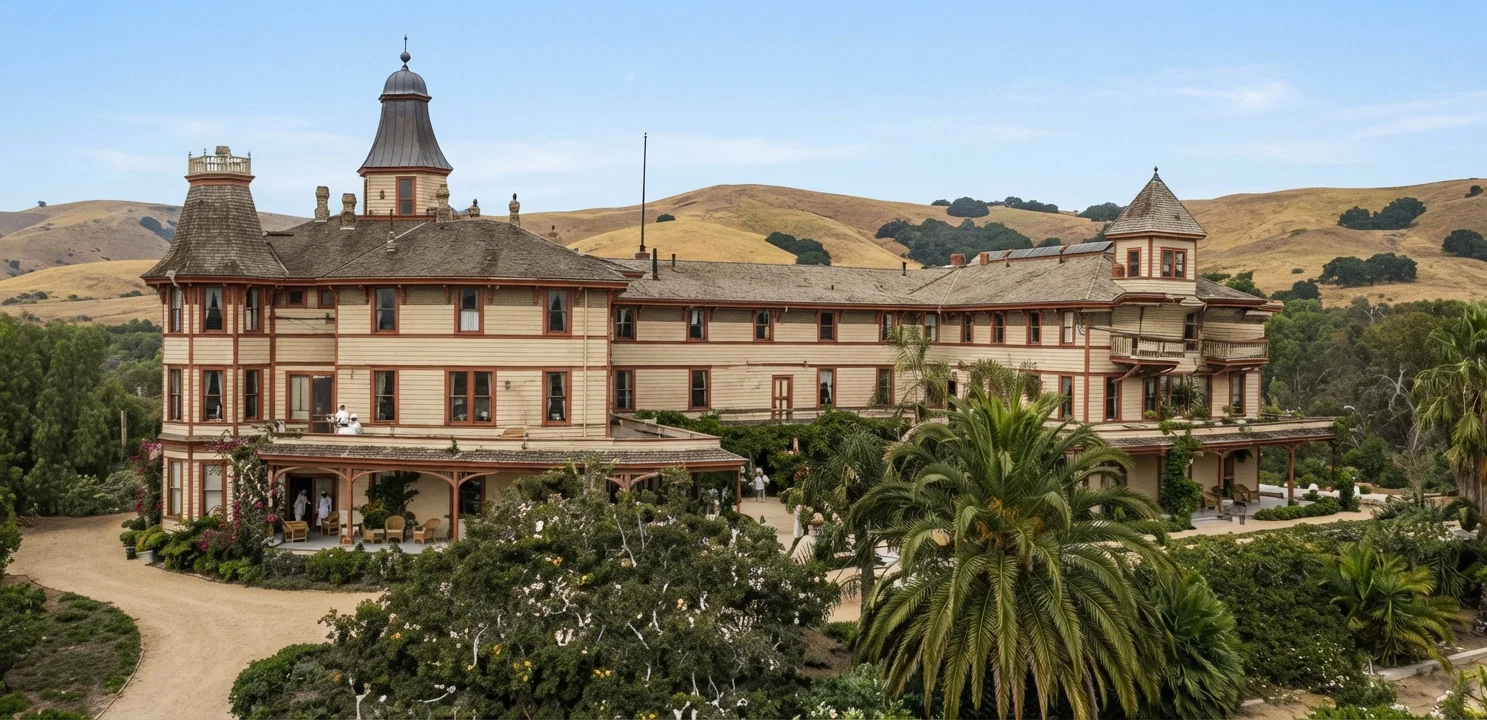
The Paradise Valley Sanitarium is situated about six miles from San Diego, and one and a half miles from National City. We reach this institution by automobile, and find before us a panorama of beautiful valleys, thick with groves of lemons, oranges, and olives. Semitropical flowers and trees that are perennially green are about us. Our background is one of hazy mountains and Mexican hills. The broad Pacific Ocean lies close by. The climate is unrivaled at all seasons.
In the institution, we find the usual active sanitarium life. Stopping a whole day, we see that many things are planned to keep the guests profitably employed. Here is a sample general daily sanitarium program: 6:30 A. M. to 7:00 A. M. Rising, tonic bath, short walk. 8:00 A. M. Breakfast. 9:30 A. M. to 1:00 P. M. Consultations with physicians, and treatments. 1:00 P. M. to 1:45 P. M. Rest hour for patients. 2:00 P. M. Dinner. 3:30 P. M. Breathing exercises in parlor or open air. 6:00 P. M. Physical gymnastics and development. 6:30 P. M. Light lunch (if desired). 7:30 P. M. Lectures or entertainments in parlor. 8:00 P. M. to 9:00 P. M. Treatments. 9:30 P. M. Retire. 10:00 P. M. Lights extinguished.

Entranced by Loma Linda's Beauty

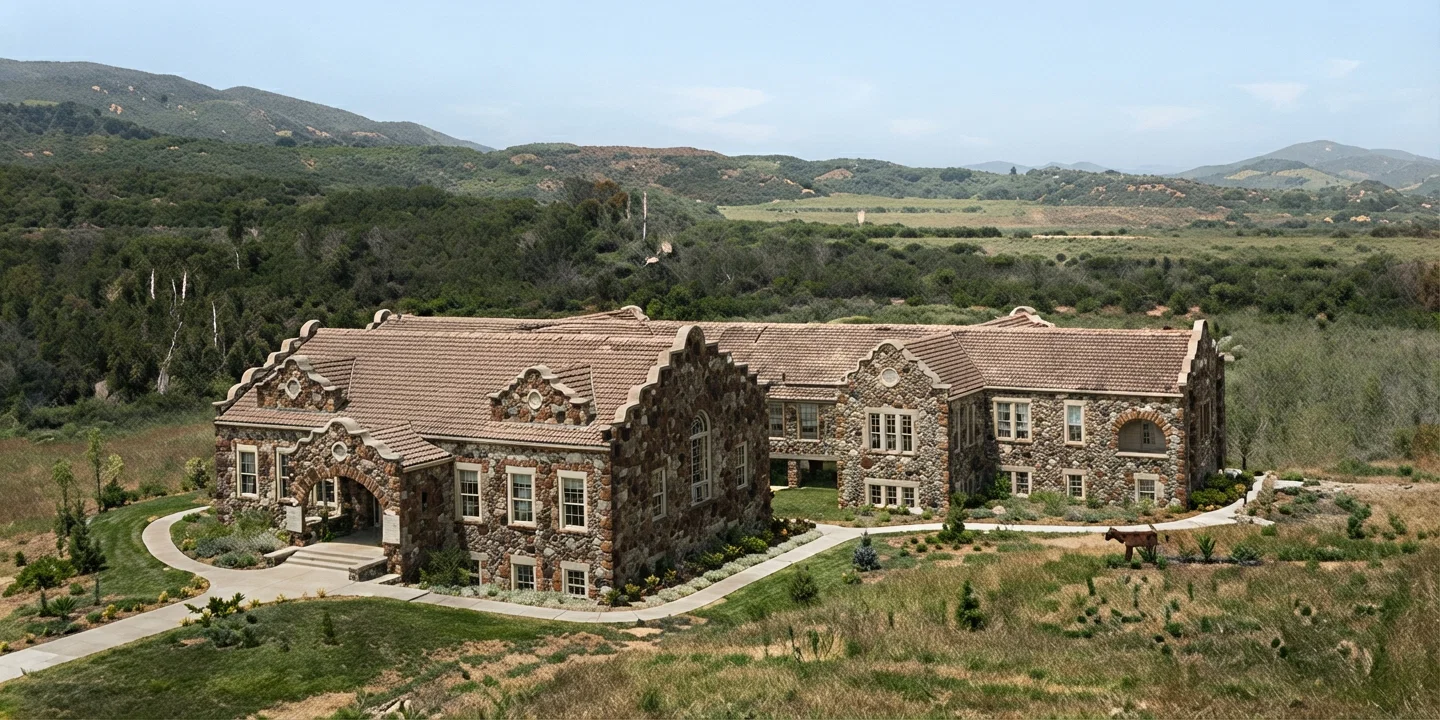
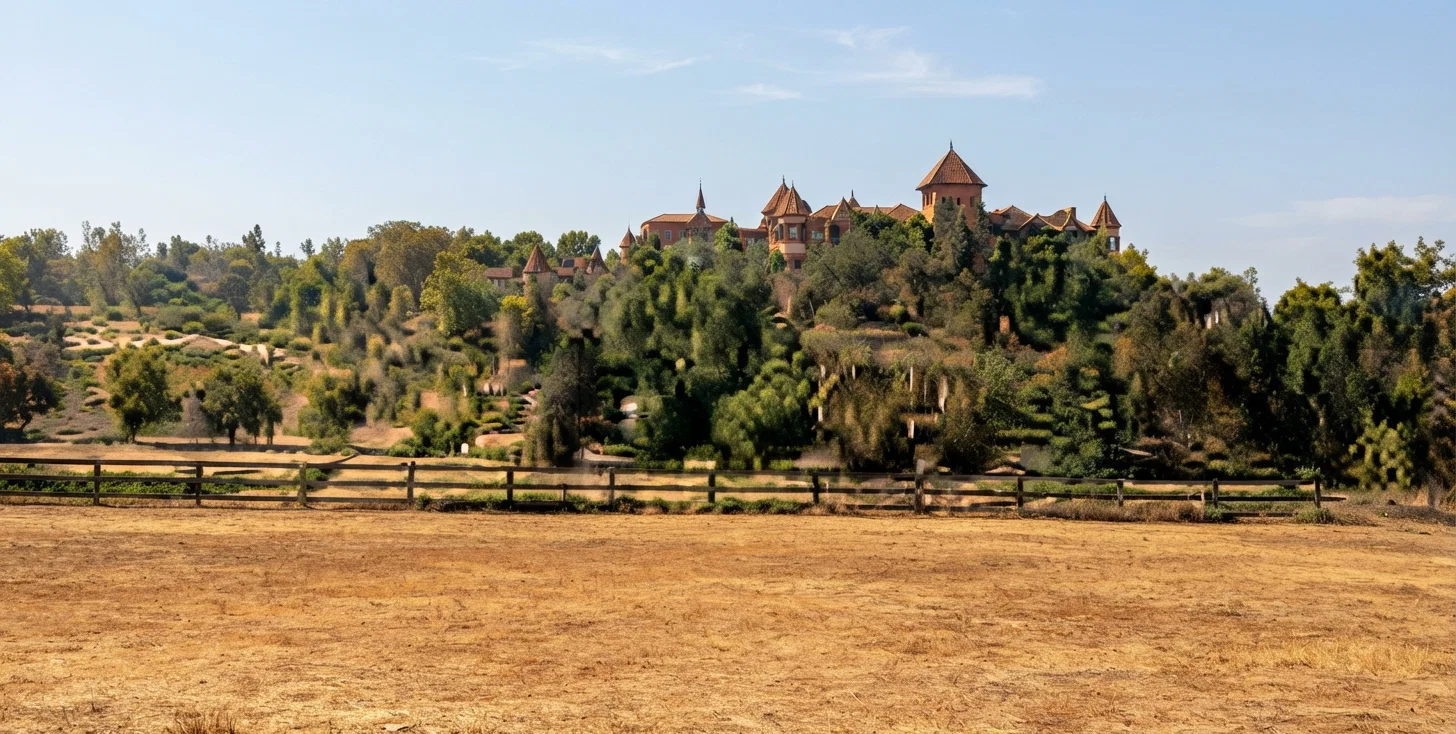
When we reach Loma Linda, words fail us in description of its glories. We at once concede that its name—Hill Beautiful—is correct. Stepping off a Southern Pacific Railway train sixty-two miles eastward from Los Angeles, and within four miles of Redlands, we find ourselves at the entrance of a broad driveway, arched over by grand old pepper trees, almost sweeping the ground with their fernlike sprays. Looking up, we see the beautiful hill, surmounted by the main building of the sanitarium.
Reaching the crest of the hill, we are entranced by the luxurious scenic beauty surrounding us. We stand so deep in it that we see nothing else; and look as far as we can, it stretches out beyond our view. The immediate grounds are covered with ornamental trees, shrubs, and flowers. Shaded walks and driveways wind in and out through the well kept grounds. Orange, lemon, olive, and apricot trees are plentiful. The valley below is rich in citrus groves, and beyond it rise the great mountains. To eat oranges direct from the trees within sight of snow, seems a bit odd.
The buildings and every other provision of the place carry out the idea of plenty. Nothing is lacking to make the institution complete in every detail. With the extravagant outlay of nature, and with the expenditure of effort and means by man, everything combines to make here an ideal health home.

Training Missionary Doctors

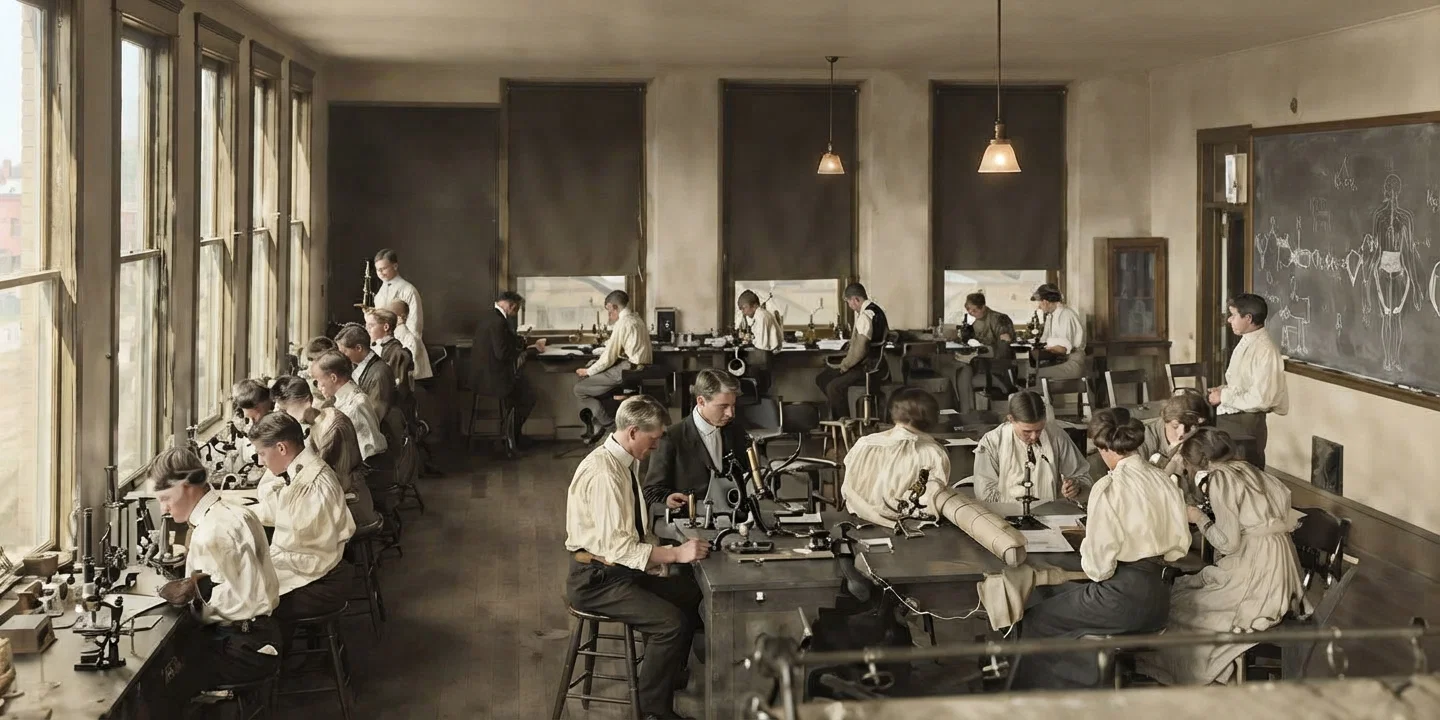
A unique feature in connection with this sanitarium location is that it is also the site of the College of Medical Evangelists, a medical school regularly chartered recently, and graduating physicians prepared for all lines of medical and surgical practice. The special purpose of its existence is the training of medical missionaries for more fully carrying on the work represented by the institutions we are visiting, in this land, and especially in foreign countries.
Already a considerable number of physicians, nurses, and workers of special preparation have been graduated, and sent out to various fields. Some have connected with city medical-evangelistic work, or with institutions in this country. Others have gone to foreign fields to do dispensary work, and to labor otherwise as they can in fulfillmentof the commission of Jesus to His followers to preach the kingdom of God, and to heal the sick.
The use of natural means to cure disease, whether by aid of physician or of nurse, in an institution or out, is not a denial of the divine power. It is not an evidence of lack of faith in God's willingness or power to heal. Restoration to health is a miracle, as far as we are concerned, just as it was in the earthly days of Jesus. This is true whether the healing is instantaneous or by a prolonged process. The Lord gives us a part in the wonderful work, just as He gives us a share in the work of soul saving. Of ourselves we can no more do the one than the other. The recognition of the Bible truth regarding health and healthful living in their relation to spiritual living has led this people to associate with its evangelical work the teaching of health and temperance.
The value and importance of health does not stop with its physical benefits. Mere healing of the body is not the sole purpose of this health movement, nor is that its chief object. That is but a partial work. There is more to be done, and the blessing of physical healing is a foretaste and an assurance of what should accompany it.
He who said, "Arise, take up thy bed, and go unto thine house," said also, "Go, and sin no more." He made each miracle of healing an occasion for imparting divine principles. The individual who helps another get well should also point the way of obedience to the law of health as a part of the law of God. The blessing of obedience should be shown, and the penalty of transgression should be made plain.
The sanitariums we are considering stand for the highest ideals of health and its relations. Their aim is to show the true connection of the divine power with human effort, the true relation of cause to effect in the care of the health, and to make natural law plain. They stand as exponents of medical missionary work in its highest and fullest sense.
Boulder Sanitarium, Colorado
Walla Walla Sanitarium, Washington
Portland Sanitarium, Oregon
St. Helena Sanitarium; California
Glendale Sanitarium, California
Paradise Valley Sanitarium, California
Laboratory, College of Medical Evangelists
Loma Linda Sanitarium, California