Many persons who seek intelligence upon the great world movements of the present day are constantly inquiring in regard to the work carried on by Seventh-day Adventists. Ofttimes they are surprised to learn that these people are conducting a strongly organized work in every continent, in all the principal islands of the world, and in almost one hundred different languages.
Their work is in four main lines. Their sanitarium work is devoted not merely to the healing of the body, but to giving practical training on health topics, thus enabling the individual to keep in health as well as to regain health if already ill.
Their educational work begins with the child as soon as he is ready to enter school, and carries him through a thorough course of instruction, until he receives his college degree. But this is all designed in a practical way, for the special purpose of accomplishing the gospel work that is so much needed in the whole wide world at the present time.
Their publishing houses, scattered all over the globe, devote their entire facilities to spreading the light of the gospel, including the gospel of health and temperance.
Then there is the evangelical phase of their work, which includes their mission activities in all parts of the earth.
Leaders in these various lines of work have been engaged by the "Signs of the Times" to conduct our readers, so to speak, on four trips around the world, through Seventh-day Adventist institutions. This article begins the journey. Mr. L. A. Hansen, the assistant secretary of the Medical Department of their work, will give us a panoramic view of Seventh-day Adventist health institutions.
Following his articles, Professor Frederick Griggs, secretary of the Educational Department, will give us a series of articles on Seventh-day Adventist educational institutions. Mr. N. Z. Town, general secretary of the Publishing Department of this people, assisted by Mr. H. H. Hall, will conduct us over a tour of the world among their publishing houses; while Pastor A. G. Daniells, the president of the Seventh-day Adventist General Conference, will conclude these world journeys by a presentation of the Seventh-day Adventist missionary activities.
EDITOR.
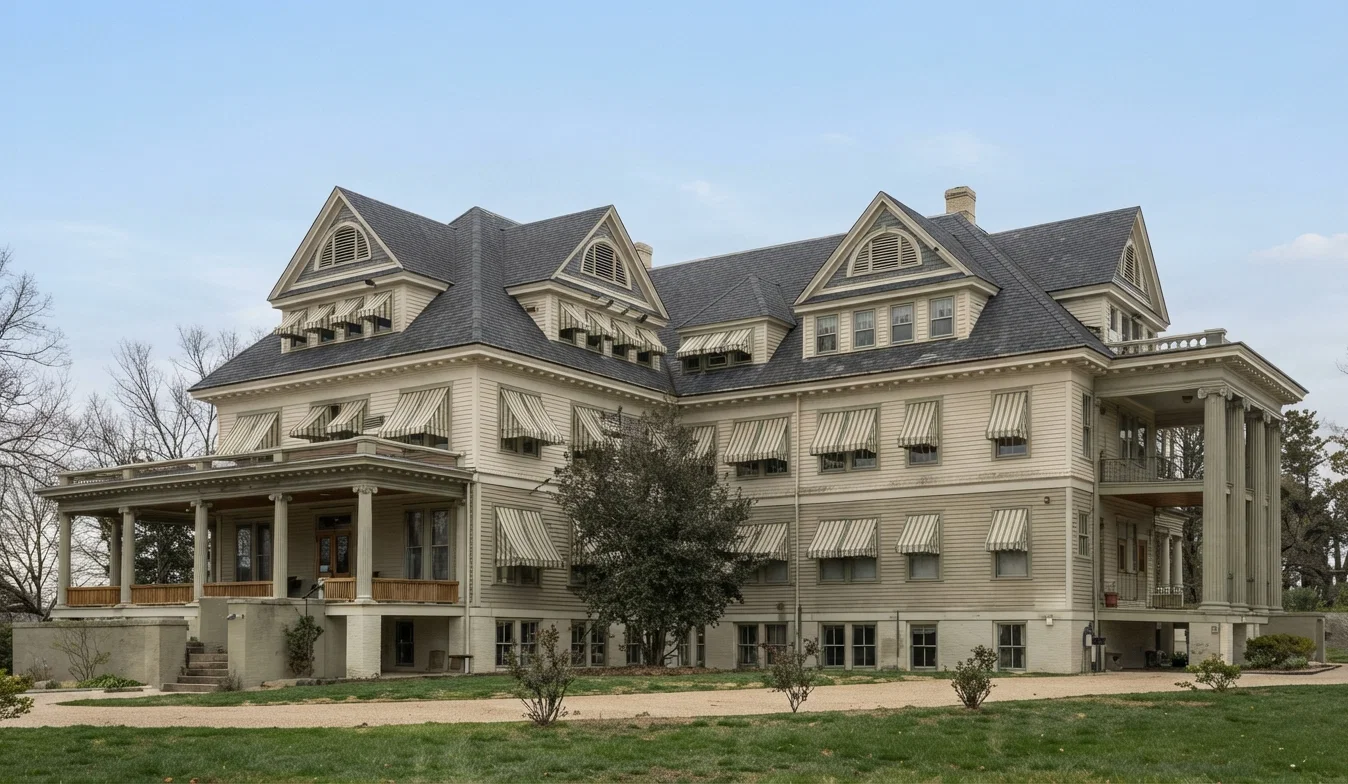
Washington (D. C.) Sanitarium
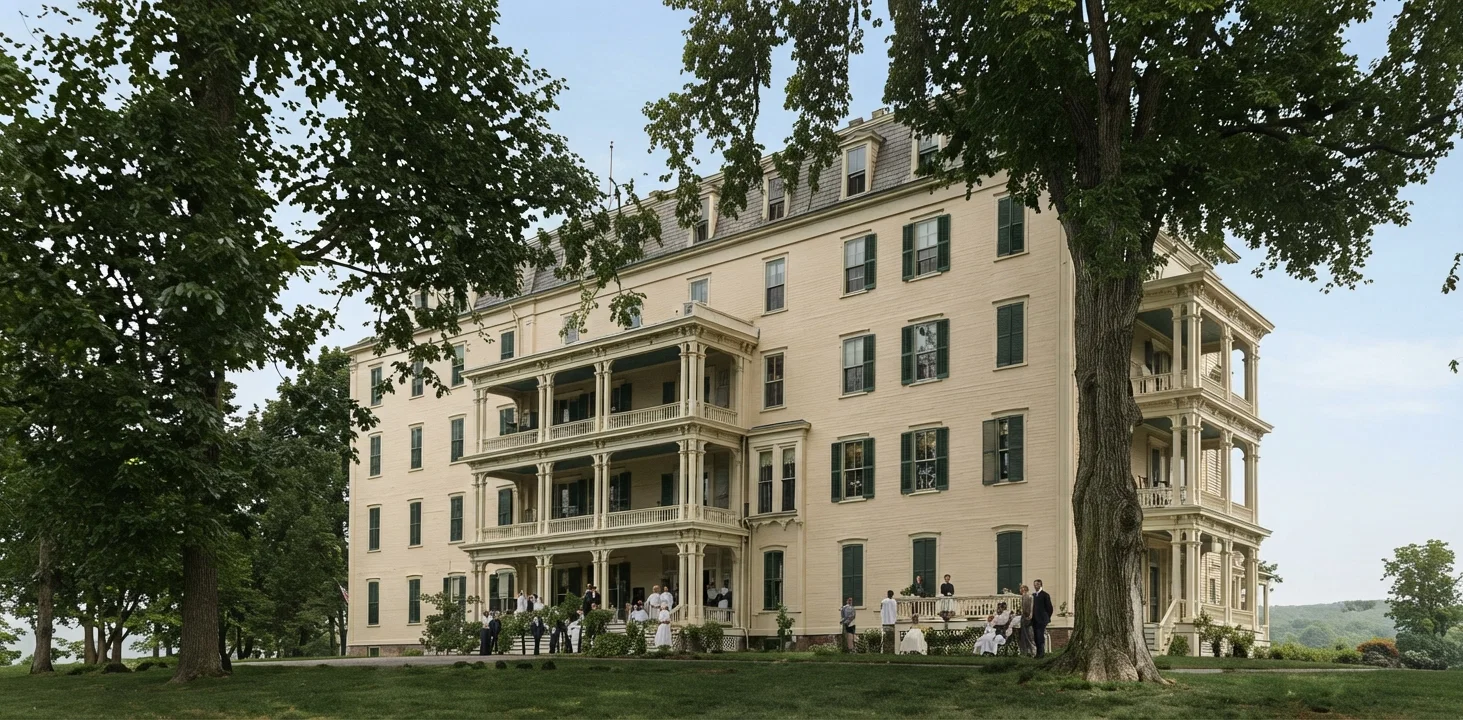
New England Sanitarium, Melrose, Massachusetts
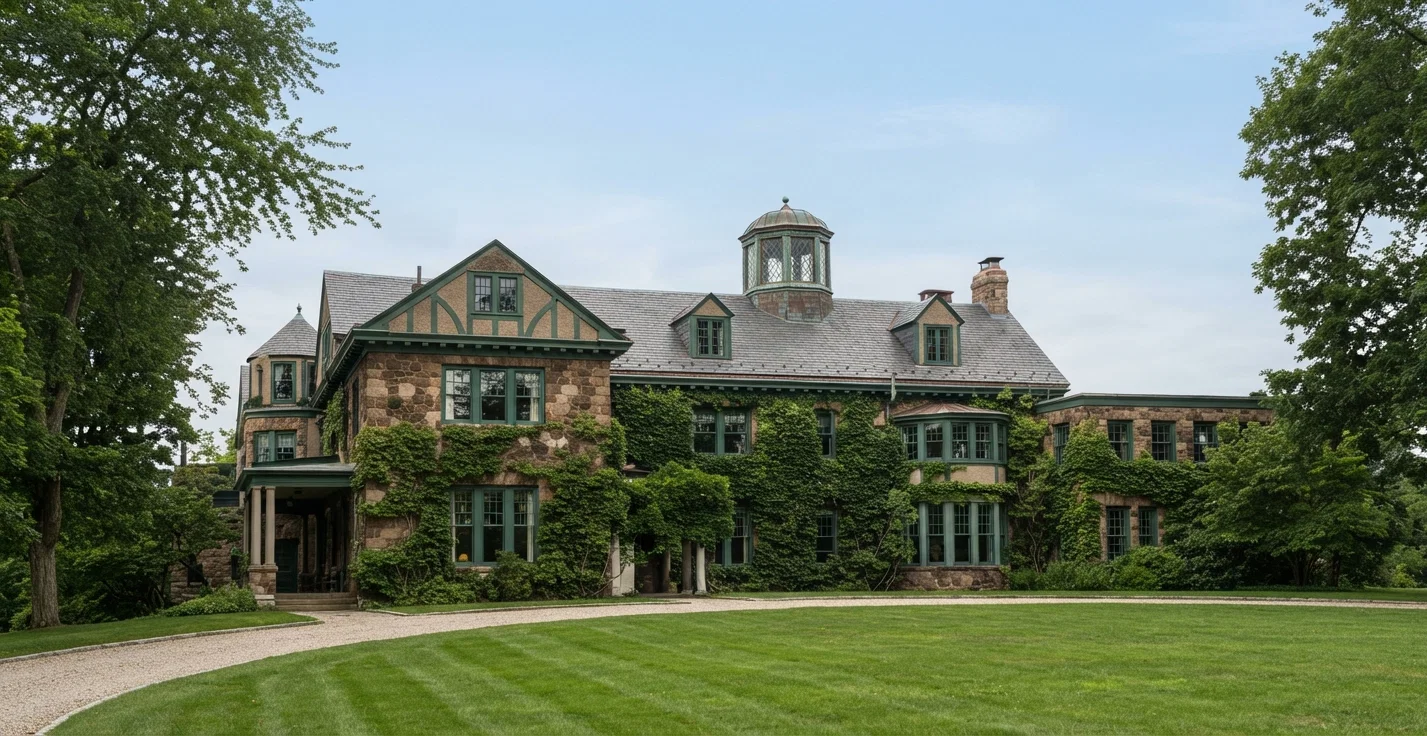
Nurses' Dormitory, New England Sanitarium
A DENOMINATION pushing into all parts of the world, marking its rapid progress by the establishment of sanitariums, hospitals, and dispensaries, as well as missions, churches, and schools, and known for its interest in health, temperance, hygiene, and medicine, is one of the notable features of present-day religious work.
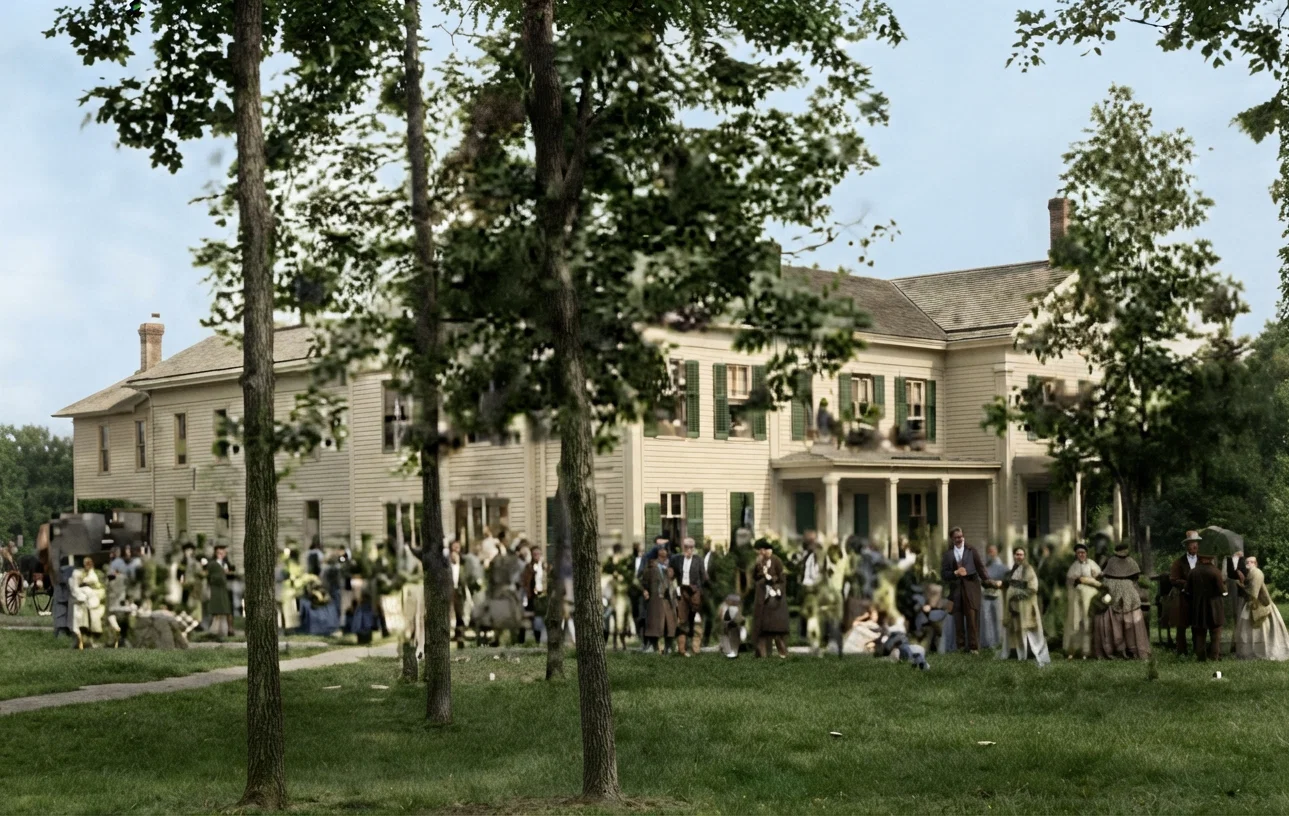
The year 1866 witnessed the establishment of the first sanitarium by Seventh-day Adventists. This was at Battle Creek, Michigan, which place was for many years the headquarters of this people. The institution was, until within the last decade or so, under the direct ownership and control of the denomination; and in carrying out the original purpose of its establishment—to form a part of an organized movement in gospel-medical evangelization—it was instrumental in forming a number of other like centers.
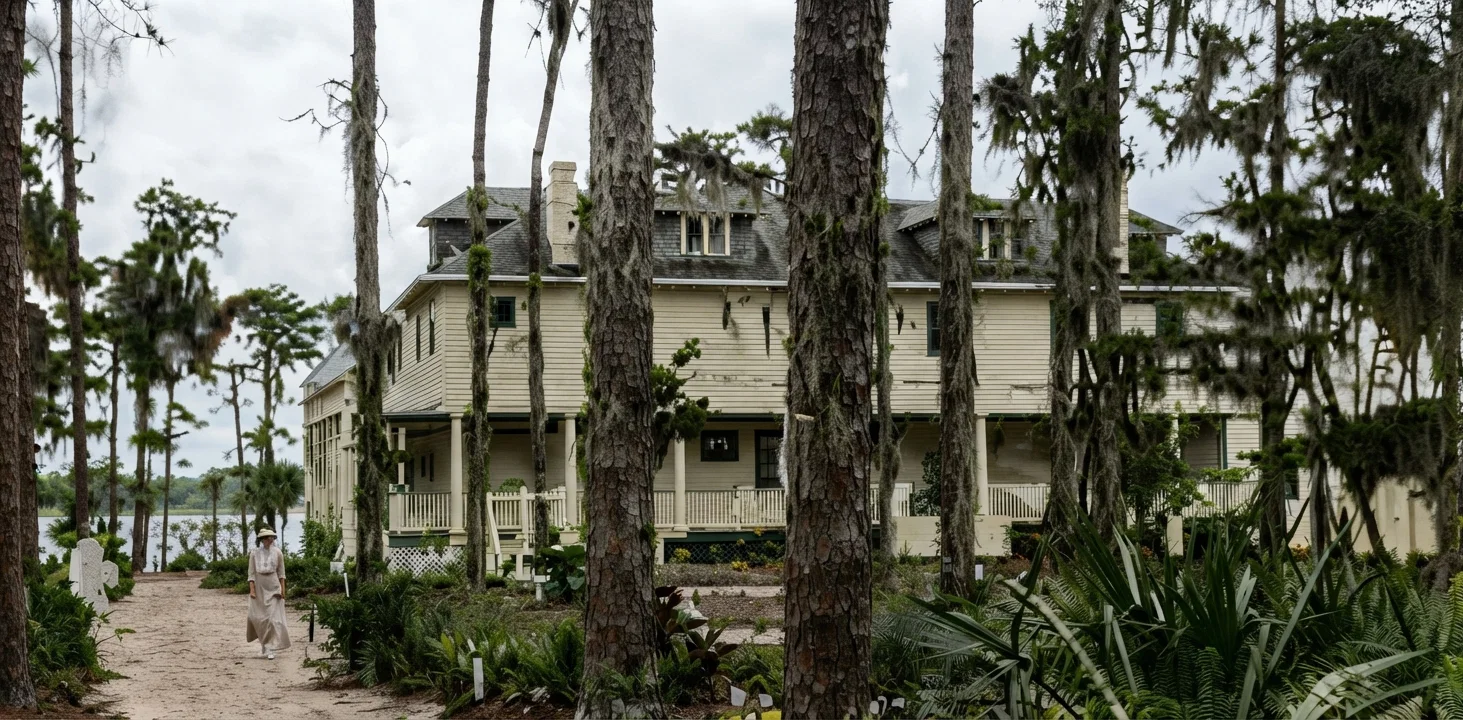
Orlando, Florida, Sanitarium
Wabash Valley Sanitarium, La Fayette, Indiana
The original sanitarium, established 1866, the Health Reform Institute at Battle Creek, Michigan.
Belting the Globe
From this beginning of one sanitarium, the institutional phase of this religio-medical work has grown, until to-day there are nearly seventy sanitariums within the body, operated either by the organization as such or by private representatives. About half of these health homes are located in the United States, and the others in various other parts of the world—in Europe, South America, Australia, Africa, India, China, and Japan. In this country, about fifty city treatment rooms help to swell the list of institutions; while in foreign countries, especially in mission fields, dispensaries add to the number of health centers.
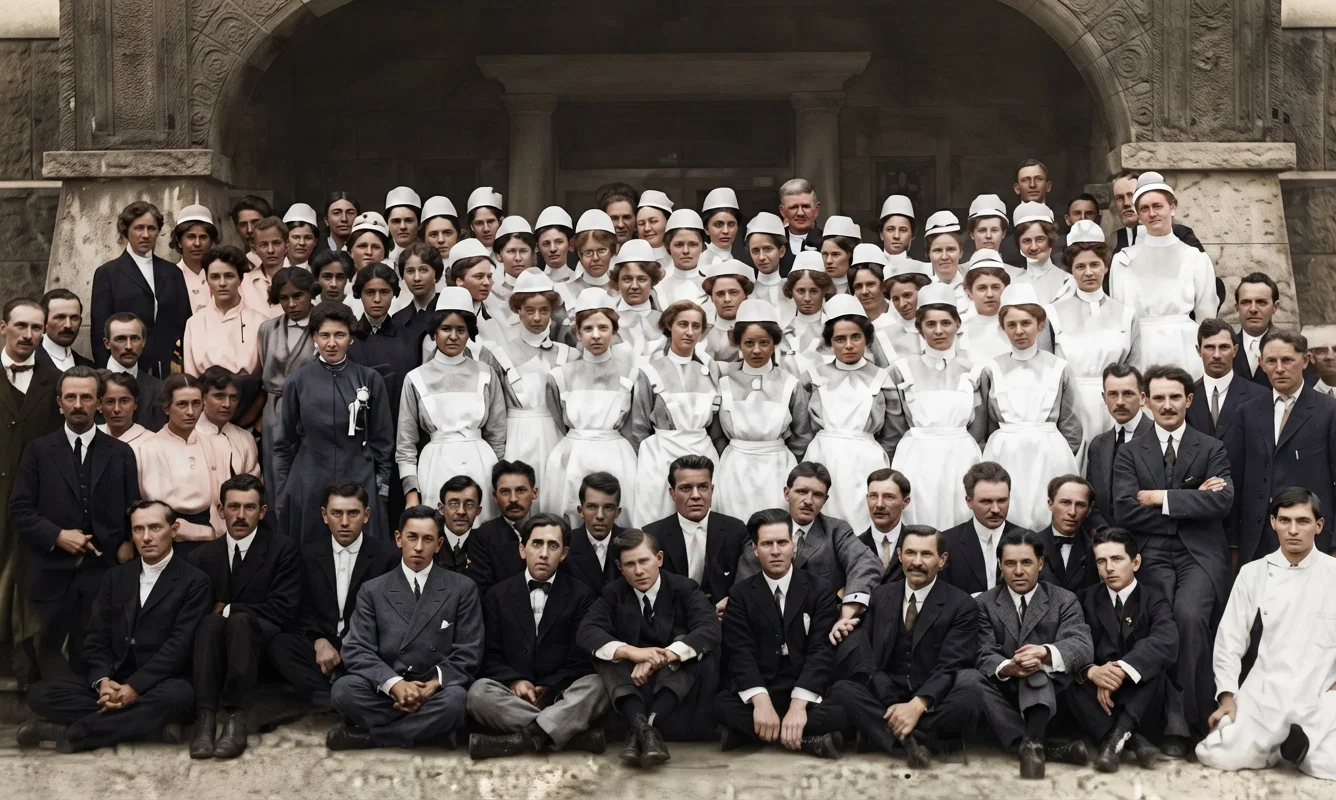
The entire investment represented by these enterprises runs over the four million dollar mark. About two thousand five hundred people are employed, including physicians, nurses, and other workers. Thirty training schools for nurses are conducted. About three thousand five hundred patients annually come to the sanitariums, while the transient patients at the treatment rooms and the dispensaries go into many more thousands each year.
This material side of the work is not out of place in its connection with a religious movement, and does not need to detract from the spiritual character of the movement. The medical work of this denomination is not for the purpose of gain. It is not a matter of business interest or of commercial enterprise. It is not the scheme of men, and does not represent an individual or community idea, fad, or cult.
Identifies the Genuine
Medical missionary work finds its place in this body because of its God-given connection with gospel work. He who forgives all iniquities, who heals all diseases, has inseparably united these benefits in His work on earth. The Founder of Christianity went about healing all manner of sickness and all manner of disease among the people. He left His followers to carry forward His work in His way.
Healing the sick accompanies preaching the kingdom of God, by divine command and provision. It is one of the identifying features of true gospel labor. A gospel movement established and carried on in the name and power of the great Physician may well be expected to embody healing of the body, as well as soul saving.
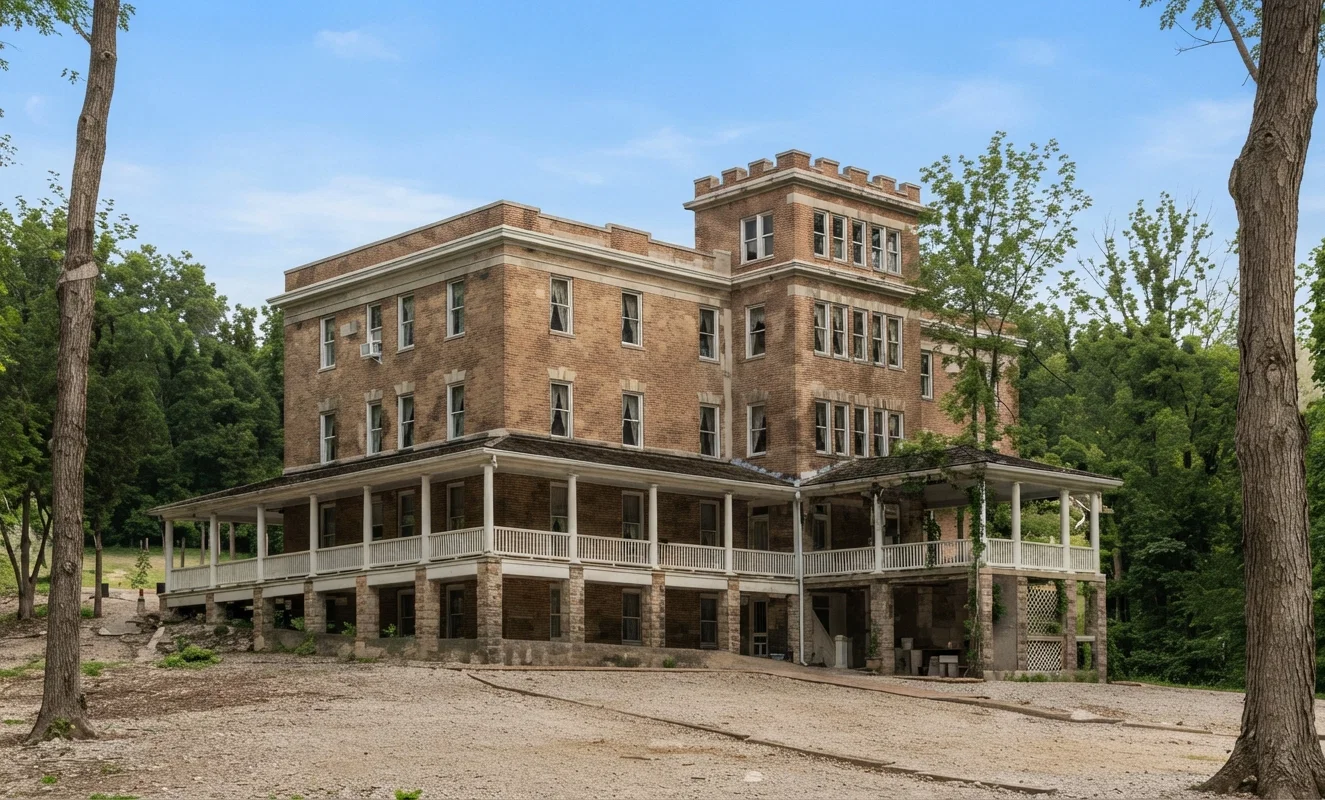
We will now begin a tour of our world-wide chain of sanitariums. Let us "see America first," visiting some of the sanitariums of the United States. We take note of those only which are operated directly under the auspices of conference organizations. Starting at the present headquarters of the denomination, at Washington, D. C., we find at one of the prettiest suburbs, Takoma Park, the location of the Washington Sanitarium, an imposing structure of modern design, nestled among thickly wooded surroundings. A rippling stream of water rushes over the rocks through the ravine that the building overlooks.
Situated in Beauty Spots
This model resort for health seekers is receiving a liberal patronage from the people of the capital, many men and women of prominence being numbered among its guests. It is thoroughly equipped with every appliance of value in treating disease. Like most of these sanitariums, it is prepared for all lines of medical and surgical practice; and its record in the successful treatment of difficult cases stands unusually high. The special preparatory treatment and the skillful after-care of the rational sanitarium régime are highly favorable to surgical cases. Often the patient is found so amenable to the treatment that a surgical operation is altogether obviated.
Middlesex Fells, a state park of thirty-five10hundred acres, preserved in its original, natural beauty, is the location of the New England Sanitarium, of Melrose, Massachusetts. Although but seven miles from Boston, the grounds of this health retreat are surrounded by a wilderness of woodlands, rocks, and rugged fells, with placid lakes, rippling brooks, and cooling springs.
The sanitarium estate of forty-one acres is situated in the midst of this beauty spot, on the shore of the largest lake in the reservation. Such an environment in itself gives inspiration to those who are tired or sick. Here they may live close to nature and be in harmony with her laws.
Nature's Rules of Living
The "back-to-nature" movement finds perhaps its ablest exponents in this sisterhood of sanitariums. The fact being recognized that nearly all diseases, especially chronic, are caused by a departure from laws of health and right living, the first move toward recovery is to turn from the course of transgression.
Removal from the social and domestic surroundings that have been at least a factor in the breakdown of health is essential to its rebuilding. The observance of nature's rules of life is imperative. The scientific use of natural remedial agencies is necessary. Utilizing equipment that permits of utmost precision in diagnosis and treatment gives further aid. Thus, unhindered and aided, nature is allowed to perform her marvelous work of healing. This is only another way of saying that God works through His established and immutable laws of health.
At Oakwood School, Huntsville, Alabama, is a sanitarium established especially for the colored people, in connection with the Oakwood Manual Training School, an extensive industrial enterprise. The sanitarium is well equipped and admirably located. A number of students of the school are constantly in training for nurses, a profession that finds large usefulness in various ways in the South. The colored nurse is in demand both among white people and with her own race.
On the Watershed of Florida
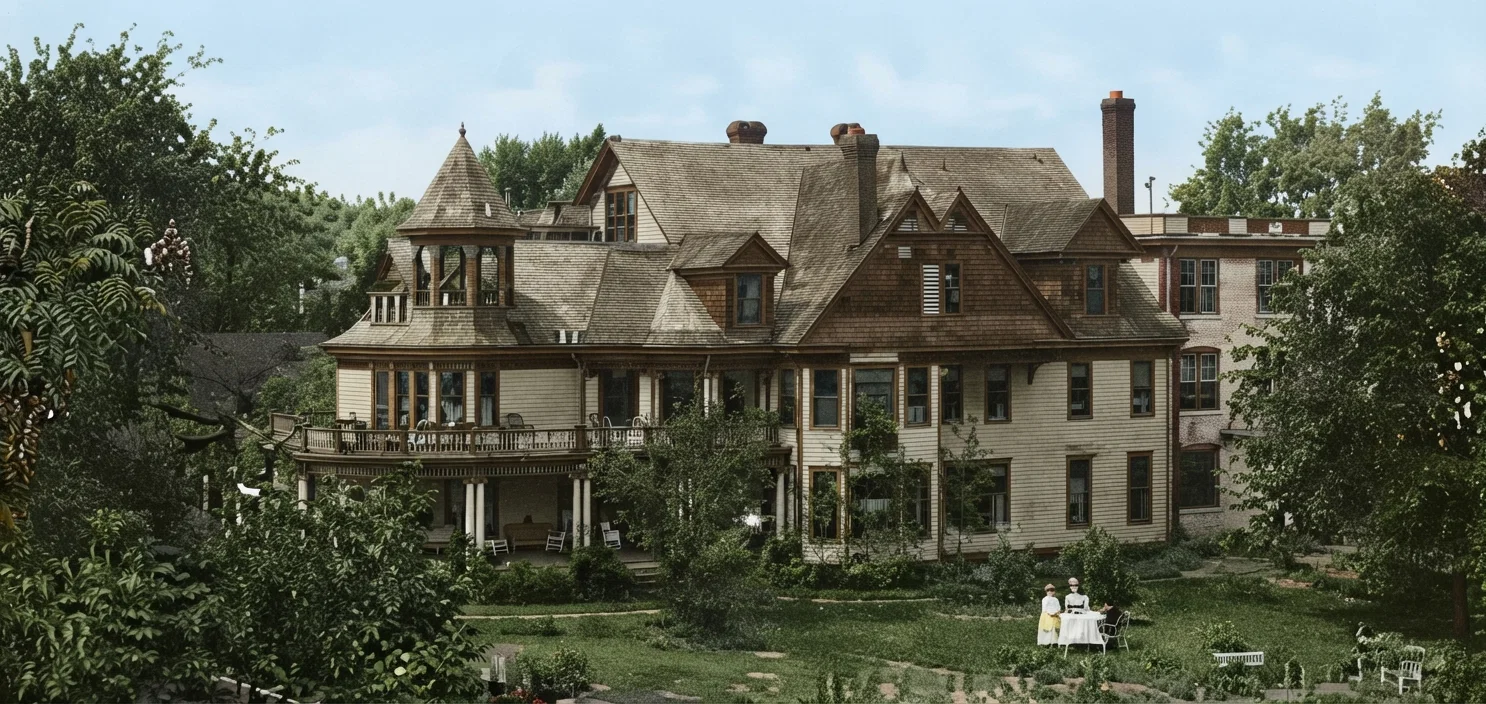
In a double sense may our health institution at Orlando, Florida, be called a sanitarium. A naturally healthful location, in the midst of a grove of stately pine trees, on the shores of two beautiful lakes, with a climate that is never oppressive, gives this sanitarium a prestige that counts much toward its growing popularity as a health resort.
The main building overlooks Lake Estelle, one of the prettiest in this region. Another large building and twelve cottages afford accommodations for the growing number of persons learning to appreciate this place for its health advantages. The equipment is complete, and the staff of physicians and nurses capable and efficient.
Orlando is about the highest point on the watershed of Florida. The sanitarium is located two and one half miles from the city. Though lakes are numerous, marshy land, the favorite habitat of the malarial mosquito, is scarce. Cool nights, refreshing day breezes, and abundant shade cause one to forget that it is under a subtropical sun.
Nature has done much to beautify the site of the Wabash Valley Sanitarium, three miles north of La Fayette, Indiana. On the slope of the Wabash River, amid groves, parks, and flower gardens, and overlooking the beautiful valley, this sanitarium offers an attractive refuge to the sick.
More might be said of its scenic outlook and pleasing surroundings; but this is not all that is offered. The institution is both new and modern, equipped in an up-to-date manner. As at the other sanitariums we are seeing, the hospital air is noticeable only by its absence. The sense of invalidism and of an invalid community is avoided. Companionable society is found; and in general, one meets an atmosphere of home life, warm in its welcome, and congenial in its expression.
On the south shore of Lake Manona, with an environment of pleasant, restful quietness broken only by the splashing of the waves, stands the Madison Sanitarium. Its rural location is one that affords abundant opportunity for the very best recreation. The lake front has many pleasant retreats. Boats are available for guests and visitors. Delightful walks, drives, and automobile trips through neighboring parks add to the harmless and helpful pleasures.
Following the sanitarium idea, the institution aims to treat the man, and not the malady. The physician in charge prescribes for the individual patient, who, by the way, is to the medical staff a fellow being rather than a "case." The facilities of the entire institution are at the service of each guest as they may be needed, just as though they existed for his special benefit.
Madison Sanitarium, Wisconsin
Tri-City Sanitarium, Moline, Illinois
Nevada, Iowa, Sanitarium
The Most Powerful Curative Agent
In plain view of the Mississippi River, on a high terraced bluff in Moline, Illinois, stands the Tri-City Sanitarium. Well kept, shady grounds, an abundance of fresh air and sunshine, a quiet, restful, homelike situation, help to make this place a haven of health to many people. A full corps of physicians, nurses, and other helpers give splendid care to the sick.
This institution, like the others of its system, emphasizes the importance of physiologic methods in its treatments, which include all that is rational in the range of therapeutics, as recognized by the best authorities in the medical profession. The proper application of water is one of the most powerful curative agents known to medical science, and is one of the principal agencies used here. It is used in many and various forms, a number of special appliances being provided for this purpose.
A well equipped electrical department provides the latest in this line. Massage, Swedish movements, and other physiologic measures add to the means of combating disease. All treatments are given by physicians, or by trained nurses under the personal supervision of the physicians.
Most Modern Facilities
At Nevada, Iowa, is another of the sanitariums on our list. Well situated near a town, of ready access to a rich and populous section, with a new building of convenient arrangement, well equipped, and in charge of capable physicians, this institution is making its work very successful.
(Continued on page 15)
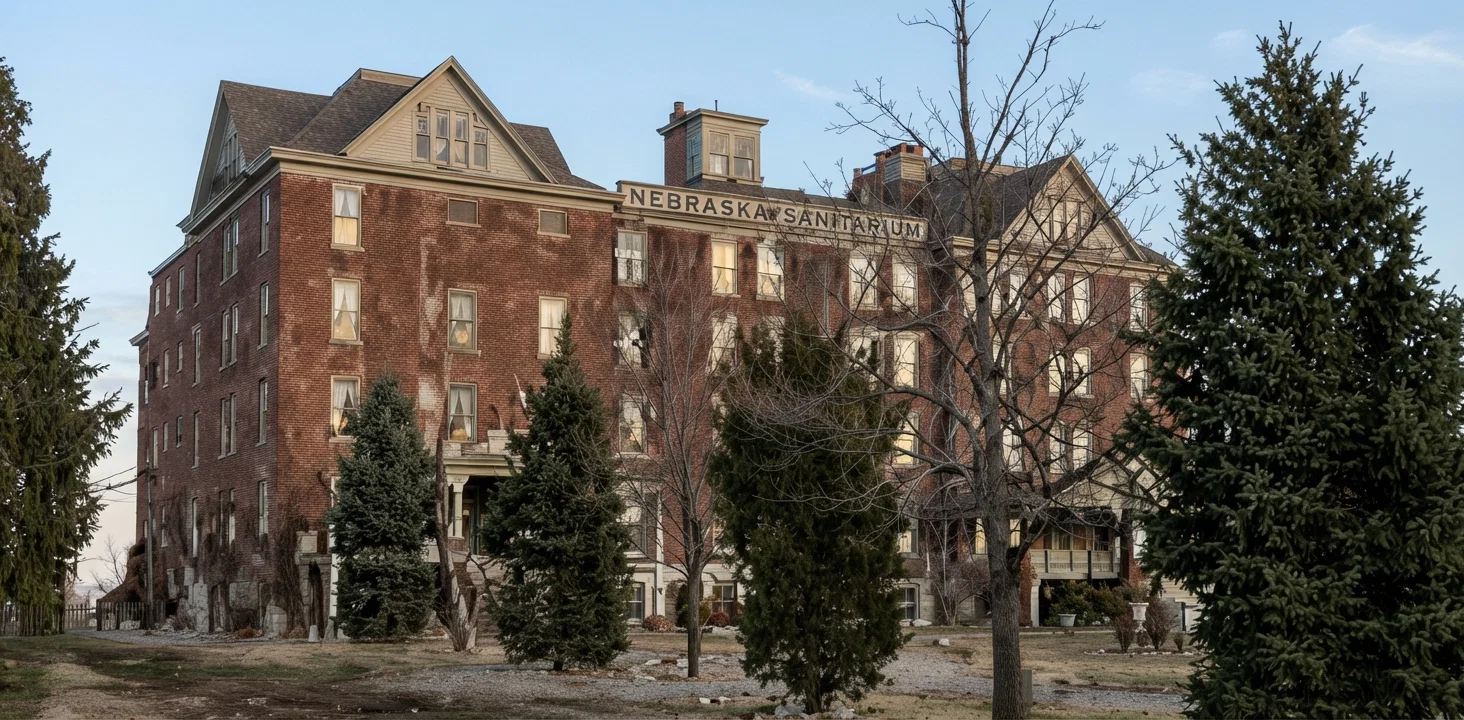
Nebraska Sanitarium at College View
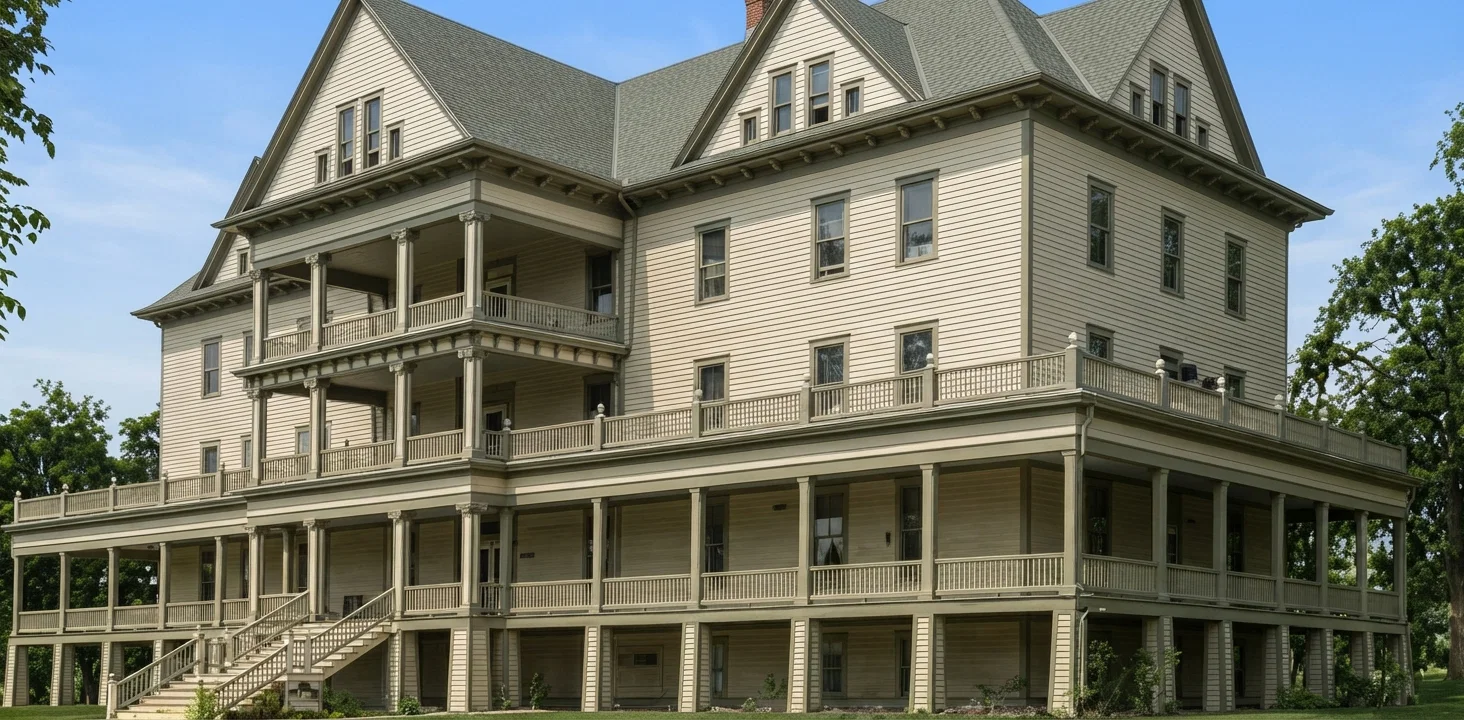
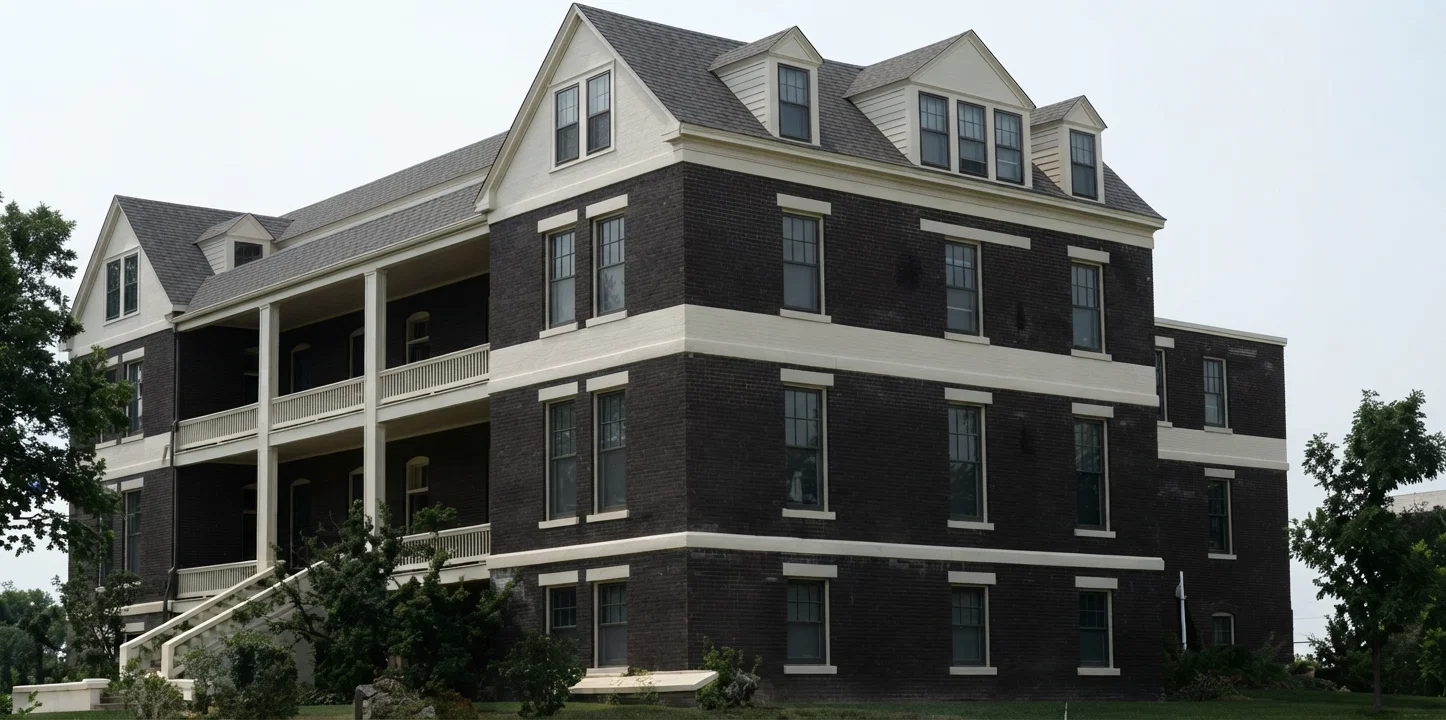
Kansas Sanitarium, at Wichita
Group of Nurses and Medical Workers
A World-Wide Medical Movement11(Continued from page 9)
As is usual in good sanitarium care, exhaustive measures are taken first to secure an accurate diagnosis. Besides the ordinary methods of physical examination, use is made of the most modern laboratory facilities for making chemical, microscopical, and bacteriological examinations of the blood, the stomach contents, the sputum, and other fluids of the body. Careful X-ray examination is made of the various parts of the body as needed.
By these means, it is generally possible to determine very accurately the condition of a patient, and the cause of ill health. This is essential to an intelligent care of the patient. It also enables the physicians to discover if contagious diseases are present, and thus serves to guard the institution and the guests against contact with such. Often, too, such an examination reveals serious ailments in the incipient stage, of which there was no previous knowledge, and which only a thorough investigation would discover.
Every Room Taken
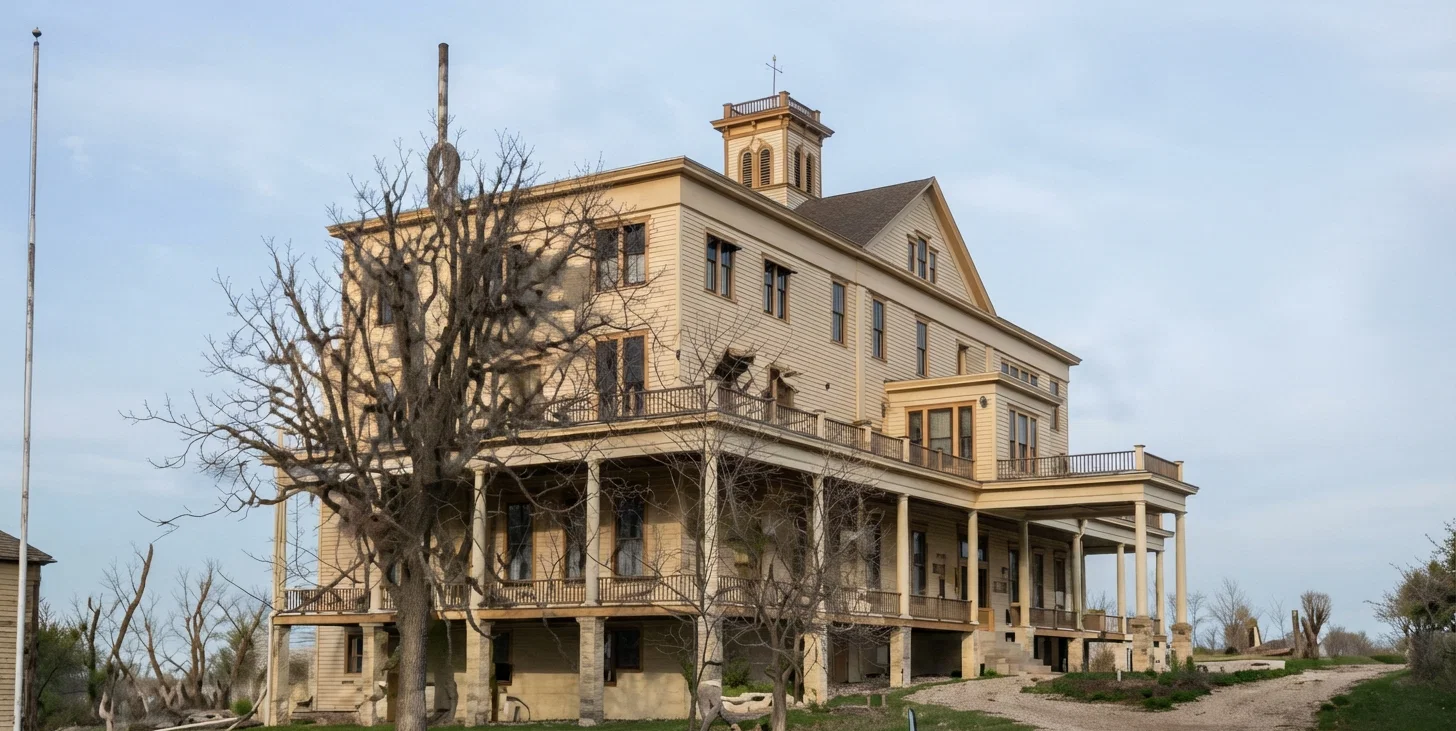
The Kansas Sanitarium is another institution of our route. It is situated at the extreme western limits of the city of Wichita. A large four-story brick building, in the center of a beautiful twenty-acre tract of land, mostly covered with fine shade and fruit trees, presents a charming picture.
It is well that our visit is only on paper, as we might find difficulty in stopping long. The day of my last visit, five applicants were turned away for want of accommodations, the liberal house room being already fully taxed. A good share of the patronage comes from the immediate vicinity, which speaks well for the character of the work.
Two sanitariums in Nebraska help to make up our number. At College View, a suburb of Lincoln, is one of our oldest and largest. Easily reached by trolley cars, it has the advantages of both city and country. The large brick building stands in the background of a fine grove of shade trees.
The physicians of this and all of our other sanitariums are regular graduates in medicine, and follow their profession exclusively. They work in accord with ethical principles. Many patients are sent to the institution by their home physicians, who are assured that that sanitarium desires to cooperate in every way possible with them in the care of such patients as need to go away from home for rest, or change, or surgery, or institutional treatment.
Now for a Week's Rest
At Hastings, one hundred miles from Lincoln, a branch of the College View Sanitarium was established a few years ago. It could hardly be called a branch now, for it has grown to the proportions of a full-fledged institution, and is doing a big business all its own. The medical men of the city are pleased to give a hearty support to its work.
Here, as elsewhere, the sanitarium physicians find a good field for outside lecture work. Public health education is one of the purposes of our sanitariums. Frequent parlor lectures and demonstrations on health subjects are given for the benefit of patients, as a part of the plan of making the institution a training school in health. The individual patient is also carefully instructed in the details of getting well and staying well.
A night's ride brings up to Denver, Colorado. Thirty miles away is Boulder, the home of another large sanitarium. The moment we reach this place, we see we are going to like it; so let us stop a week, and continue our journey from this point in our next issue.