Effect on Liver and Kidneys

25%

Pacific Press Publishing Association · Mountain View, California · Oct 24, 1916

FromSigns of the Times, October 24, 1916

Read the full edition
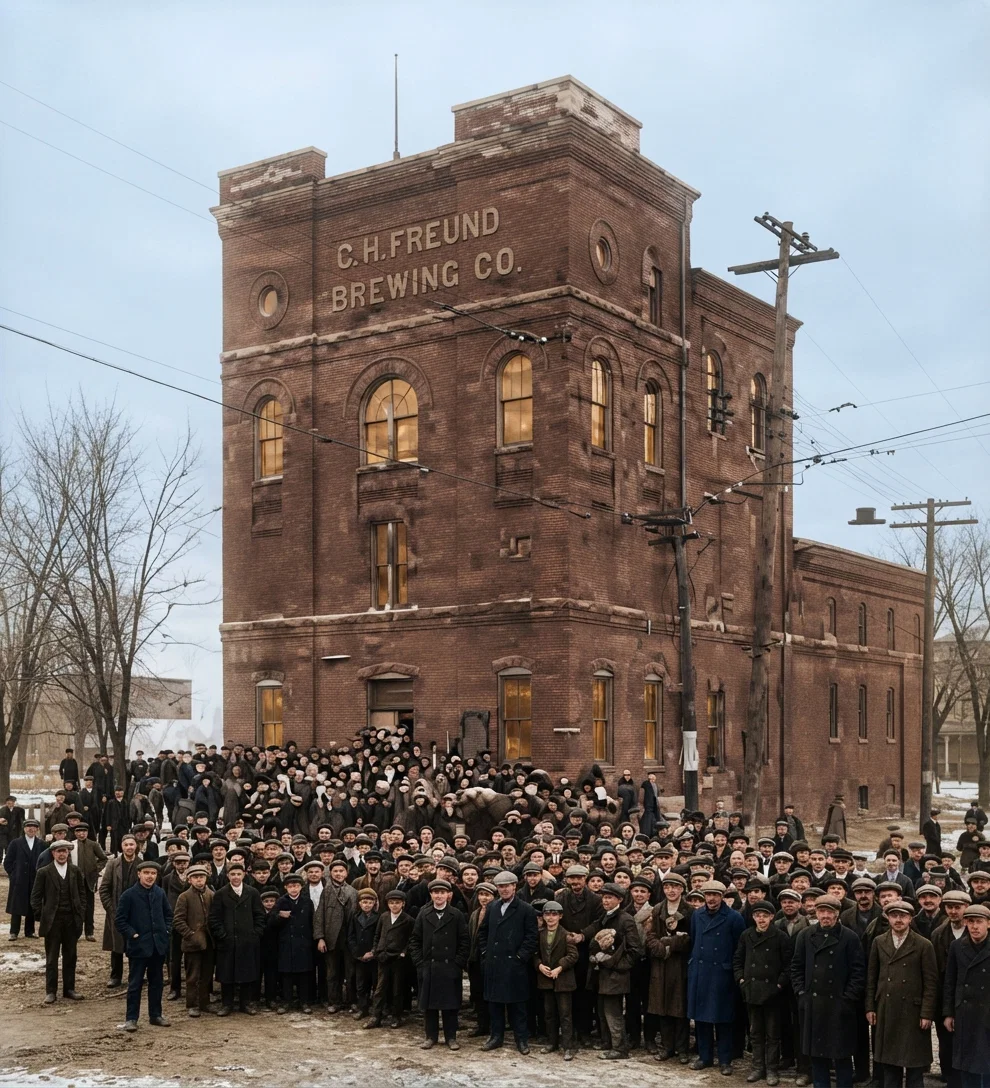
What an improvement! A unique transformation in Flint, Michigan. This building was formerly a brewery. It is now converted into a church. We believe in such conversions.

Effect on Liver and Kidneys

THE effects of alcohol are well shown by the drunkard's liver. Here, as a consequence of long continued congestion produced by alcohol, occurs the formation of new tissues as hard and firm as those of an ordinary scar. This contracts and strangulates the liver substance, and finally so reduces the size and functional capacity of the liver that it ceases work altogether, with a fatal result. Similar changes occur in the kidneys. Considering the extreme toxicity of the biliary and renal secretions, an element of secondary toxæmia may be readily appreciated. Moral persuasion will not restore a gin liver or kidneys to a normal condition.
The conditions described in the liver and kidneys occur in greater or less degree in the brain and its coverings and the blood vessels. Even where there is as yet no permanent thickening of tissues, there is produced, by the temporary influence of alcohol, disturbed circulation. That diseased brain circulation and structure cause defective reasoning and will is incontestable. Moral means of restoration of the will where such changes have occurred are mere moonshine. This is not, however, an argument against judicious moral means as an adjunct in the correction of inebriety in general, nor is it a denial of the fact that the strong emotional influence of religious conversion often cures inebriety.—G. Frank Lydston, M. D.