Suffragettes and

2%

Pacific Press Publishing Association · Mountain View, California · Sep 19, 1916

FromSigns of the Times, Vol. 43, No. 37.

Read the full edition

Suffragettes and

Peruna

In the which Samantha Spriggins doesn't believe in women "galavantin' over the country stumpin' for politics."
By Mary Alice Hare Loper
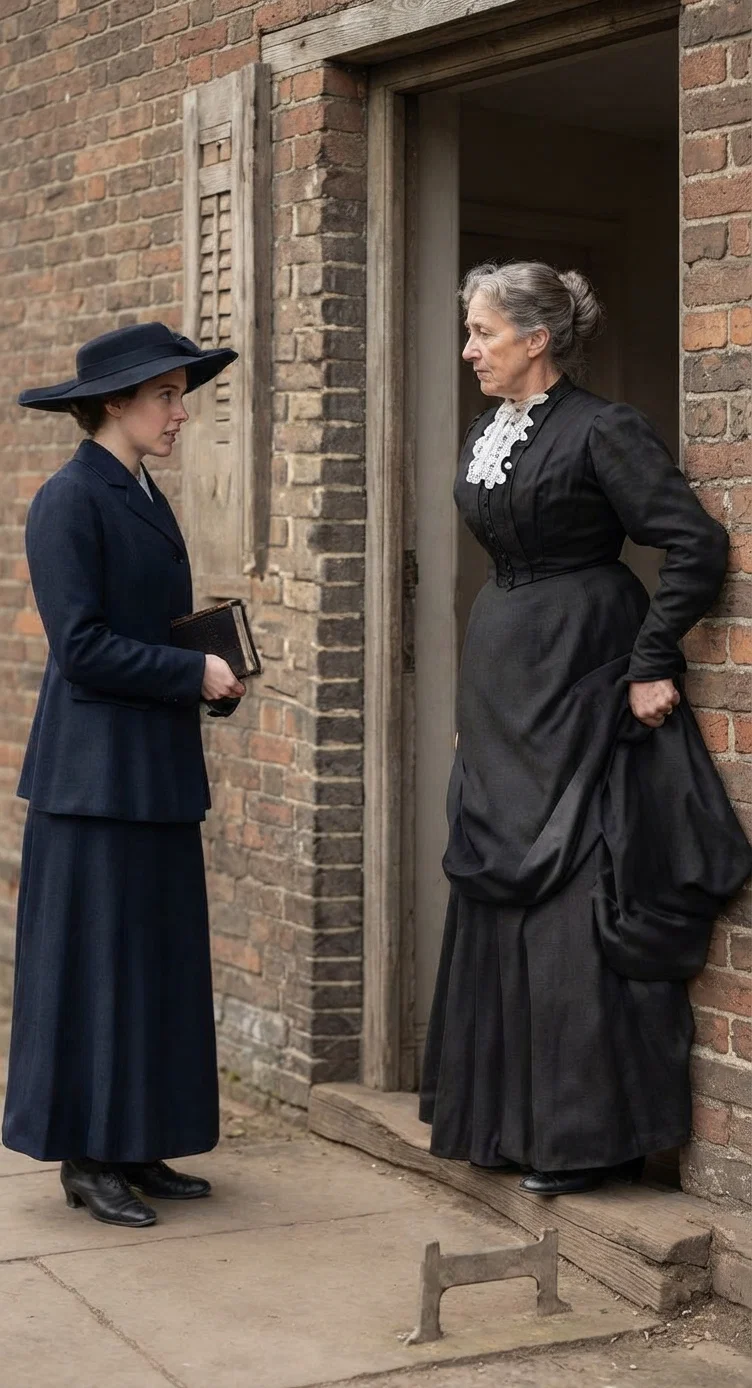
"GOOD morning! This is Mrs. Spriggins, I believe." "Yes, ma'am, Samantha Jemima Spriggins. My father's name was Zedekiah. They called him Zed for short. And my mother's name was Jemima. They called me after her because I was the only girl, and some folks thought I looked like her. It's powerful strange how many different ones people say a baby looks like. I've heard my father say that he heard so many opinions about me that he concluded I looked like the whole neighborhood. But may I ask your name? And do be seated." "Thank you! My name is Miss Wilson." "Any relation to Wheeler and Wilson? They made my sewin' machine. It's a little out of order, and I didn't know but you might know how to fix it." "I am not a relative that I know of. I called to speak with you concerning the temperance issue at the coming election. Have you registered?" "Land, yes; my name was on the official records sixty-five years ago come September." "I mean, have you registered recently as a voter?" "Yes, somebody had me put my name down; but they said I didn't have to vote just because of that. But I believe in temperance as much as you do." "But your vote may mean much in deciding the temperance issue."

Women Should Mind Their Own Business

"I DON'T believe in women's voting. There's no Susan B. about me. I think a woman ought to mind her own business — and goodness knows she has plenty to occupy her time without dabblin' in politics. In these days, the women seem to think they don't have to cook, nor wash dishes, nor sew, nor darn their husbands' socks, much less take the burden of training up their children in the way they should go."
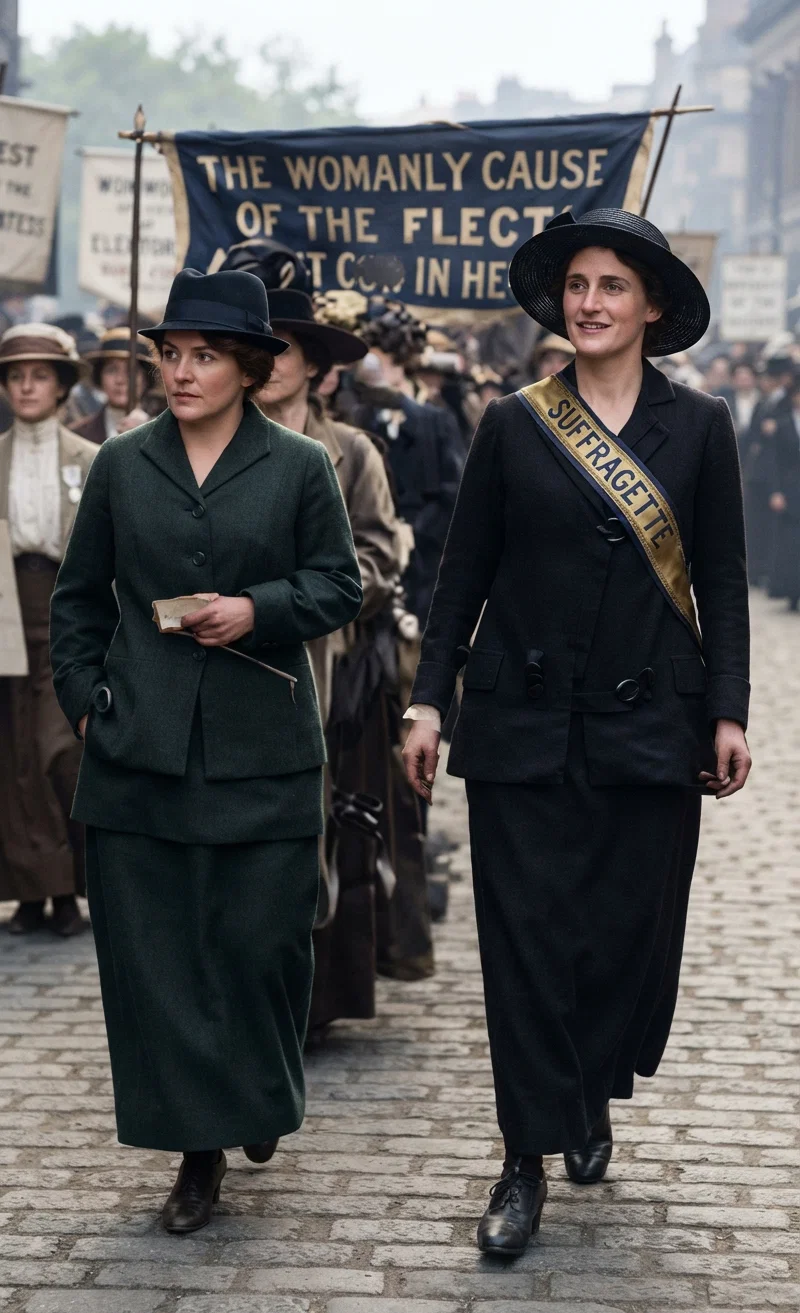
"Yes, grandma, there is a great deal of truth in what you say. But the liquor women will vote; and it seems to me we should help counteract the terrible evils of strong drink, now that the privilege to vote is ours."
"I don't have to answer for other people's sins. That's their business, not mine. Anything but a woman galavantin' over the country stumpin' for politics."
"Yes, I know; I used to feel that way myself. But now that all the women of California have the opportunity to vote, don't you think the temperance women should exercise their privilege in this direction, and thus overrule the 'wet' votes? Don't you think God will hold us responsible for neglecting to do what we can to annihilate the liquor traffic — in other words, for neglecting our plain duty in this respect?"
"Well, maybe so. I never thought of it in that way before. But I never believed in what they call women's rights, and I never shall. If I was a man, I'd never marry a woman's rights woman, that's sure — unless I liked to cook, and mend, and take care of babies, better than most men do."
"I see you have some patent medicine bottles on your table. Have you been very ill?"
"Oh, not particularly so. I always have aches and pains more or less; but I have not been bedfast for three months or more. I take medicine regularly, or I suppose I should be in bed most of the time."
"Do you know what you are taking, grandma?"
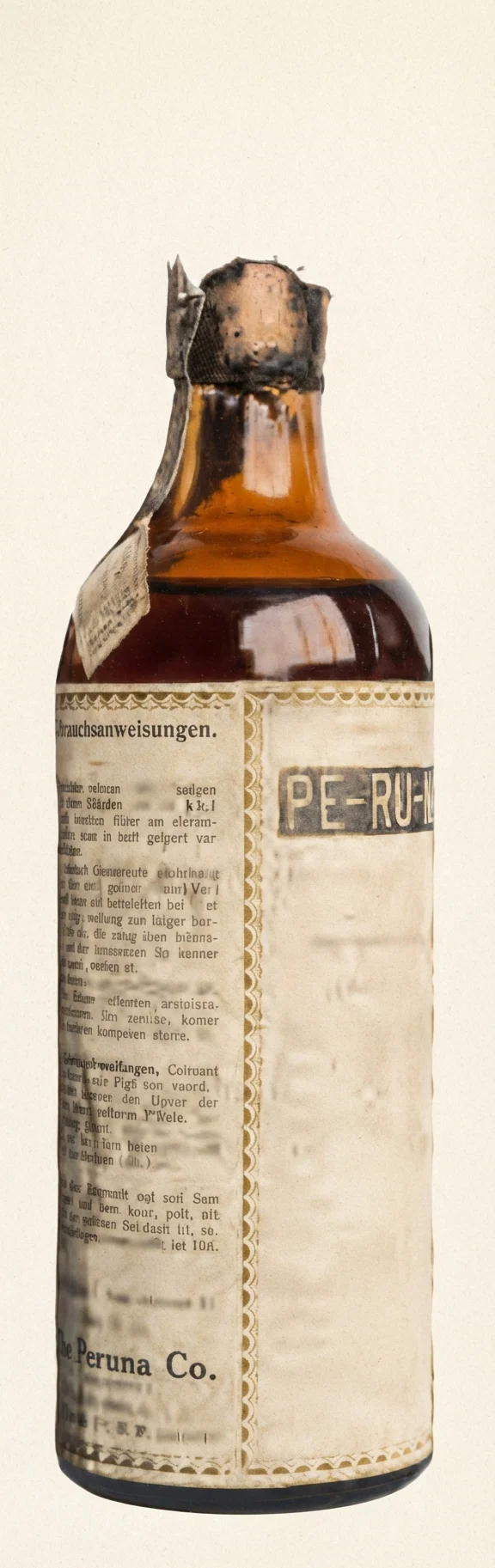
"To be sure I do. I always take Hostetter's bitters, Lydia Pinkham's compound, and Peruna, three of the best medicines ever put up by mortal man. They're good for whatever ails you — regular life preservers."
"But do you know just what is in these medicines?"
"I don't know the names of the different ingredients; but I don't see what difference that can make, so long as they cure people."
"Do they cure you?"

Kept Me from Dying

"YES — well — no, not exactly. But they've kept me from dying for the last twenty years. These damp winters are hard on me; and when the cold rains set in, I take medicine even more regularly from that time till spring, and then I get along better the rest of the year."
"I should like to have you know just what is in these medicines, grandma, and then you could judge as to whether they have prolonged your life, or whether you have lived in spite of their ill effects."
"How do you know what is in a medicine? By smelling it, I suppose. When I was a girl like you, I knew a young man who thought he was just that smart. But I never put much confidence in his opinion, especially after I put some perfume of wild flowers into a small vial of glycerine and asked him what it was, and he said it was 'a rare combination of costly Oriental perfumes, distilled by a special and intricate process.' I learned that speech by heart. But if you are agoin' to talk like that, I shall not really know any more about it when you are through than I do now. You'll have to talk United States if you want me to understand you."
"Well, grandma, there is no danger of my being misunderstood. I know something of the medicines that I see on your table, and I know they cannot possibly do you any good, but may do you a great deal of harm. Do you like the taste of them?"
"Yes, I do now. But I had to learn to like them."
"Do you find it difficult to give them up?"
"Oh, I never try to do entirely without them. I feel so let down and good for nothing that I could not work. If it were not for my medicines, I do not know what I should do."
"Grandma, you should quit those medicines, and then diet."
"I don't want to die yet, even if it takes all I have to buy medicines to keep me alive."
"Your medicines, grandma, are simply stimulating, and are fast burning your stomach out. It is the alcohol in them that gives you such ill effects."
"Alcohol!"
"Yes, alcohol. Those medicines all contain a large per cent of alcohol."

Record for Wheeler and Wilson

"THERE! I've found you out. You're a regular woman's rights gossiper. They're all just that stamp — every one of them. If it wasn't for the respect I have for my sewin' machine, I'd not care to talk to you any more; but I should not wish to mistreat a relative of Wheeler and Wilson, and you might be one. If I wanted to know what is in a medicine, I'd have to get my information from somebody besides a woman suffering to vote, that's sure."
"Well, grandma, all you need to do to find out is to look on the label. The manufacturers are compelled to comply with the law in this respect, for the safety of the public. There, look. The Hostetter's bitters label says twenty-five per cent alcohol. Think of it — one fourth alcohol! Lydia Pinkham's compound is fifteen per cent alcohol; and Peruna is twenty per cent, or one fifth alcohol. A few years ago, Dr. Ashbel P. Grinnell, of New York City, made the astonishing statement, after making a statistical study of patent medicines as he found them then, that 'more alcohol is consumed in this country in patent medicines than is dispensed in a legal way by licensed liquor vendors, barring the sales of ale and beer.' Patent medicines are too frequently but stepping stones to drunkenness. Even the clergyand the W. C. T. U. have had representatives who have fallen a prey to alcoholic intoxication because of having innocently and ignorantly imbibed the poison of alcohol in patent medicines."
"You can count on me on election day."
"Do tell! I never heard anything like this before. I do remember I had better health before I began to take these medicines. And I am sure I had more money. I have enough empty bottles in my cellar to almost start a drug store."
"You must have been blessed with a good constitution, grandma, or you would be worse off than you are. You would better see a good physician, and get his prescription, and then follow it."

Wanted Grapeshot Medicine

"YES; but you see, I have rheumatism and headache and backache and heartburn; and a doctor's medicine is good for only one thing, while a patent medicine is good for almost everything. And to make sure of it, a person can get two or three different kinds that cure most everything, and nothing escapes. But from what you say, it seems the medicine is what has been making me worse."
"No doubt of it, grandma, no doubt of it."
"Well, if I am to be what I want to be, and what I supposed I was — a good temperance advocate — I shall have to give up the habitual use of alcohol — that's sure."
"Yes, grandma, I think you will; and I hope you will not neglect to vote for having everybody else give it up. But I guess I shall have to be going now."
"I am sorry to have you go so soon, but you can count on me on election day. I shall not forget to vote after all this enlightenment."
"Good-by, grandma, and thank you!"
"Good-by, Miss Wilson! Call again when you can."
"Thank you! I shall be pleased to do so. Good-by!"