Delusive Hope of Peace

5%

Pacific Press Publishing Association · Mountain View, California · Jun 20, 1916

FromSigns of the Times, Vol. 43, No. 25.

Read the full edition

Delusive Hope of Peace

Based upon Misunderstood and Misapplied Scriptures
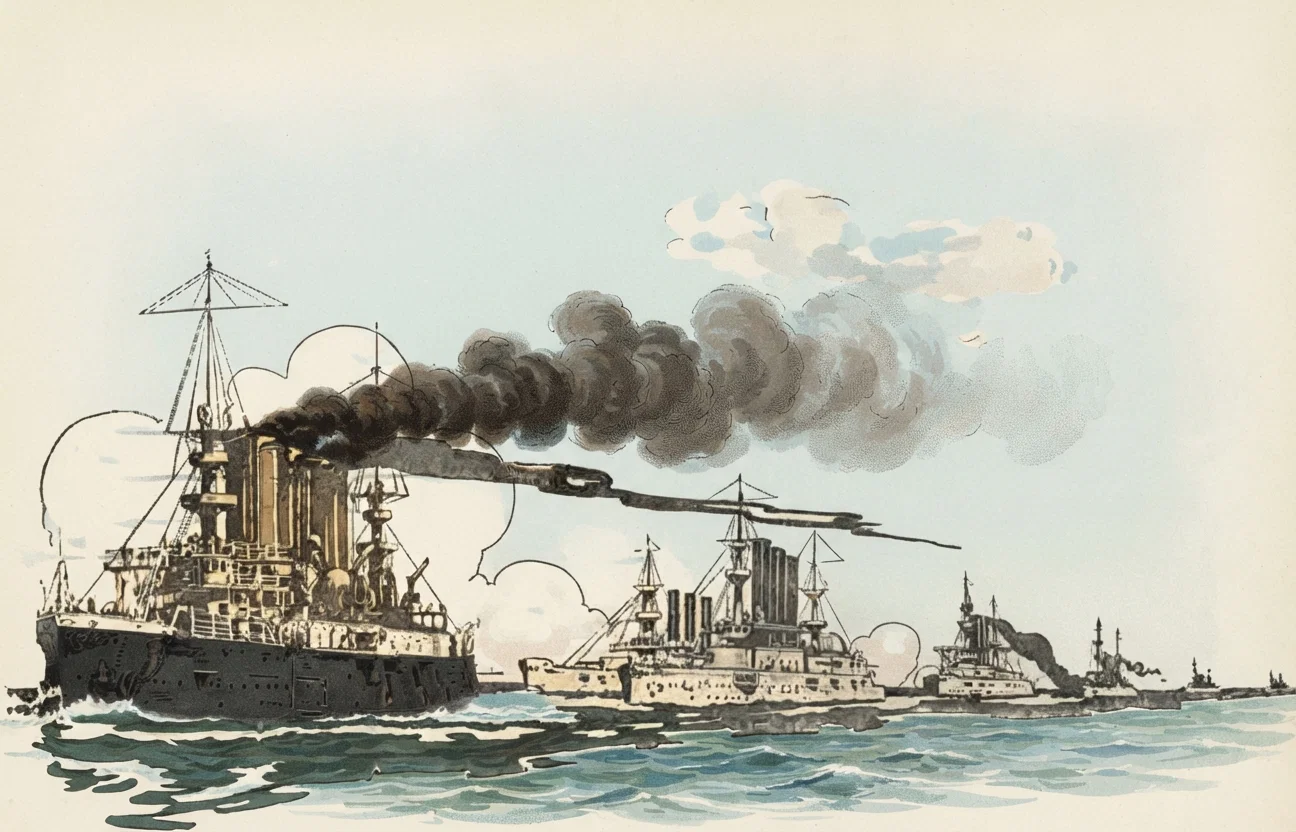
Delusive Hope of Peace Based upon Misunderstood and Misapplied Scriptures By E. K. SLADE
IF the hopes of a large class of our best citizens could be realized, we would soon have world-wide peace. Next to the war, the advocacy of peace is no doubt attracting the largest amount of public attention. It is from our best and most enlightened citizens that we hear most concerning peace, and many have freely quoted texts of Scripture which served to them as a foundation for their hopes. One noted speaker has made use of these words found in the forty-sixth psalm, ninth verse: "He maketh wars to cease unto the end of the earth; He breaketh the bow, and cutteth the spear in sunder; He burneth the chariot in the fire." Another eloquent advocate and herald of soon-coming peace quoted the words found in the second chapter of Isaiah: "They shall beat their swords into plowshares, and their spears into pruning hooks: nation shall not lift up sword against nation, neither shall they learn war any more."
These texts, and others that have been used in a like manner, are in perfect harmony with the great fundamental truths of the Bible, and apply in their proper time and place. When carefully studied, it is found that the Bible does not in one place teach that this age is to become an age of general peace, and in another place, that all nations will be engaged in a bloody conflict in the last days. The sacred record contains no contradictions, such as may appear to the superficial student.

Based on the Theory of Evolution

THE difficulty lies mainly in the false ideas that have obtained concerning man's origin and nature. The Bible account of creation has been set aside, and human reasoning and conclusions have been accepted instead.
The world believes that in the indefinite ages of the past, that which has evolved into the man of to-day had its beginning in the lowest possible form of monocellular animal existence. According to this view, we are to continue to develop to perfection. Believed and taught by the majority of preachers and teachers, the idea has found its way into many of the textbooks used in institutions of learning.
In spite of the manifestations of selfishness and depravity in all classes of society, the idea is tenaciously held that we are steadily advancing toward an age of peace and perfection. This thought is read into texts of Scripture to their perversion. The progress made in scientific knowledge and in inventions is declared to harmonize with this theory. The great reform movements are attempted and interpreted with this thought in mind. The apparent religious awakening, and increase in church membership, serve to substantiate the claim that the world is growing better.
We would not for a moment retard or resist the efforts of any for peace; nor would we fail to recognize the propriety of such efforts, and the desirability of the object sought. However, it does seem to us proper to point out some facts relating to this time that are cogent and vital to every man.
If the scriptures cited above hold out such a hope, and if the evolutionary theory concerning man and the world is true, the faith of all Christian people should lead to a mighty and well directed effort, with the joy of knowing that wars are soon to cease. If this theory is not true, and if these texts do not apply in this way, it is equally important that we know what is the truth, and how we may intelligently relate ourselves to these things. "The way of the righteous is made plain." Prov. 15: 19. Christians have a right to walk in the light. We are not left to guess and speculate concerning such important matters.
Is it true that man had such a beginning? Does the Bible teach us that he had such an inferior and imperfect start, and that through successive generations, his nature and condition have continually improved? Let us note a few texts on this point. "Lo, this only have I found, that God hath made man upright; but they have sought out many inventions." Eccl. 7: 29. The word "upright" is used by the psalmist as follows: "Good and upright is the Lord" (Ps. 25: 8) — which indicates that the term is designed to convey the thought of perfection. In harmony with this is the record of the creation of man: "Let Us make man in Our image, after Our likeness." Gen. 1: 26. Man did not have the beginning claimed by the believers in the Darwinian theory. He was made in the image of God, and had dominion over the world and the lower animals.
The Bible is just as clear on the point of man's decline as it is regarding his beginning. Coming "short" of the original glory in which he was created is the condition and tendency of every man naturally.
There is nothing to indicate that men are naturally growing better. The Biblical truth concerning the beginning and the fall of man is out of harmony with such a belief. As early in the history of the world as the time of the Flood, God repented that He had made man, because of his downward course. The condition of the human heart has not improved. It still tends to war and strife.

Will End in Scenes of Awful Carnage

PAUL gives no promise that conditions favoring peace will exist in the last days; but on the contrary, he says: "This know also, that in the last days perilous times shall come. For men shall be lovers of their own selves, covetous, boasters, proud, blasphemers, disobedient to parents, unthankful, unholy, without natural affection, trucebreakers, false accusers, incontinent, fierce, despisers of those that are good, traitors, heady, high-minded, lovers of pleasures more than lovers of God; having a form of godliness, but denying the power thereof: from such turn away. . . . But evil men and seducers shall wax worse and worse, deceiving, and being deceived." 2 Tim. 3: 1-5, 13.
It is love of self and disregard for God that makes wars possible. If men were growing less selfish and more godlike, we would be warranted in believing that wars would proportionately lessen. Are we not bound to believe, on the other hand, that the increase of selfishness pointed out by Paul to exist in the last days would make possible and probable an increase in war and strife?
This old world is to end in scenes of awful carnage. The seeds of sin will yield a bountiful harvest. The results of rebellion and the fruits of selfishness will be fully revealed. Those who look for prolonged peace here will be disappointed. Such a hope is out of harmony with specific and fundamental truths taught in the Bible, and has no other foundation than the delusive doctrine concerning the origin and nature of man.
That there is to be a time of agitation, preparation, and participation in war just before the end, is indicated by the following words: "They are the spirits of devils, working miracles, which go forth unto the kings of the earth and of the whole world, to gather them to the battle of that great day of God Almighty. Behold, I come as a thief. Blessed is he that watcheth, and keepeth his garments, lest he walk naked, and they see his shame." Rev. 16: 14, 15. "The nations were angry" is the language used in Rev. 11: 18 in speaking of this same time approximate to the second coming of Christ.
We are in that time, as all lines of prophecy clearly indicate. We are now witnessing a fulfillment of prophecy recorded in Joel 3: 9, 10: "Prepare war, wake up the mighty men, let all the men of war draw near; let them come up: beat your plowshares into swords, and your pruning hooks into spears." The statement, "The day of the Lord is near," in the fourteenth verse of this chapter, makes clear the time indicated in the prophecy.
The prophetic program will be fulfilled in every detail, notwithstanding human hopes and conceptions. The masses will hope for peace, a multitude will preach and predict it, millions will be spent in the peace propaganda, swelling the cry, "Peace, peace," when there is no peace. But such hopes are vain, and such efforts will be fruitless; for world peace cannot be until sin and selfishness, the cause of war, have come to an end.