What a Few Earnest Men and Women, with Meager Facilities, Have Done Plans for Enlarged Publishing Equipment — Demands for a School, and the Preparations to Meet Them
By ARTHUR G. DANIELLS
FROM William Carey's activities at Serampur, India, to the present time, all progressive workers in mission lands have placed great value on the circulation of religious literature. Our leaders in the Philippines have not overlooked nor undervalued this important medium in the evangelization of the people. With but little previous experience in such work, and with very inadequate facilities, they have translated and printed twenty different publications, and have trained a good, successful company of colporteurs.
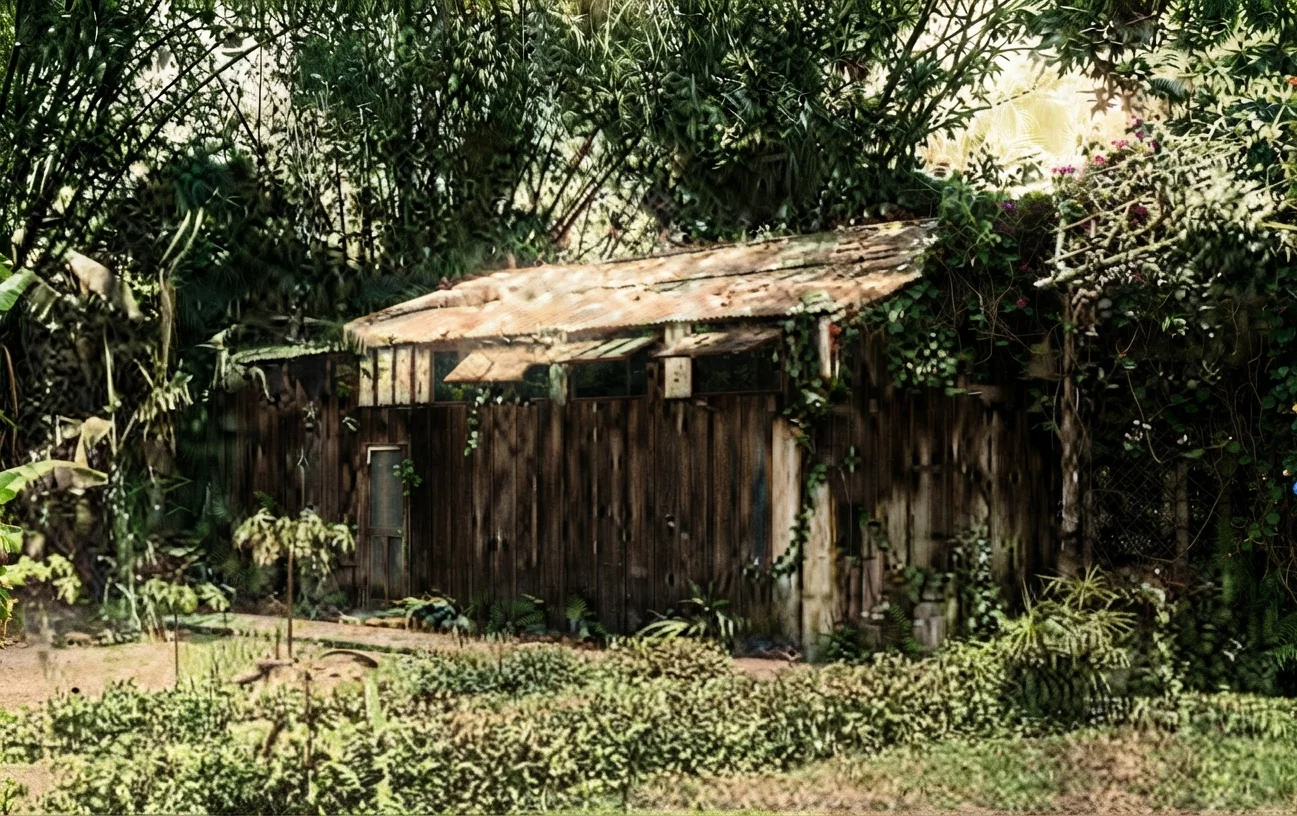
Our first mission printing house in the Philippines. It was in this little shed of a building that the immense work mentioned in Elder Daniells's article was accomplished.
This literature consists of tracts on twelve or fifteen different subjects, a monthly magazine having a sale of three thousand copies of each edition, and a number of books ranging from two hundred to five hundred pages, printed in editions of from three thousand to five thousand copies, in four different languages.
SMALL STAFF, BUT ENCOURAGING RESULTS
The writing and the translating required in the preparation of these publications have been a heavy burden on our small staff of workers in the Philippines; but the printing and the binding have been even more perplexing and wearing. The only building they have had for the printing office is twenty-one by twenty-four feet. Their printing outfit has been a small job press, a paper cutter, a small stitcher, and a limited quantity of poor type. The folding and the binding have been done under the mission home. As they were able to print but four pages at a time, and as they had a large quantity to produce, the little press was kept running from 5:30 A.M. until 9 or 10 P.M. every day except Sabbath. With these very limited facilities, they issued nearly three million pages of literature during 1914.
The work of training and directing the book and periodical sellers has been under the supervision of Brother Lanier, who has had the management as well of the printing, binding, and shipping of the publications. The responsibility of preparing all the matter for printing has fallen upon Brother Finster, the superintendent of the entire field.
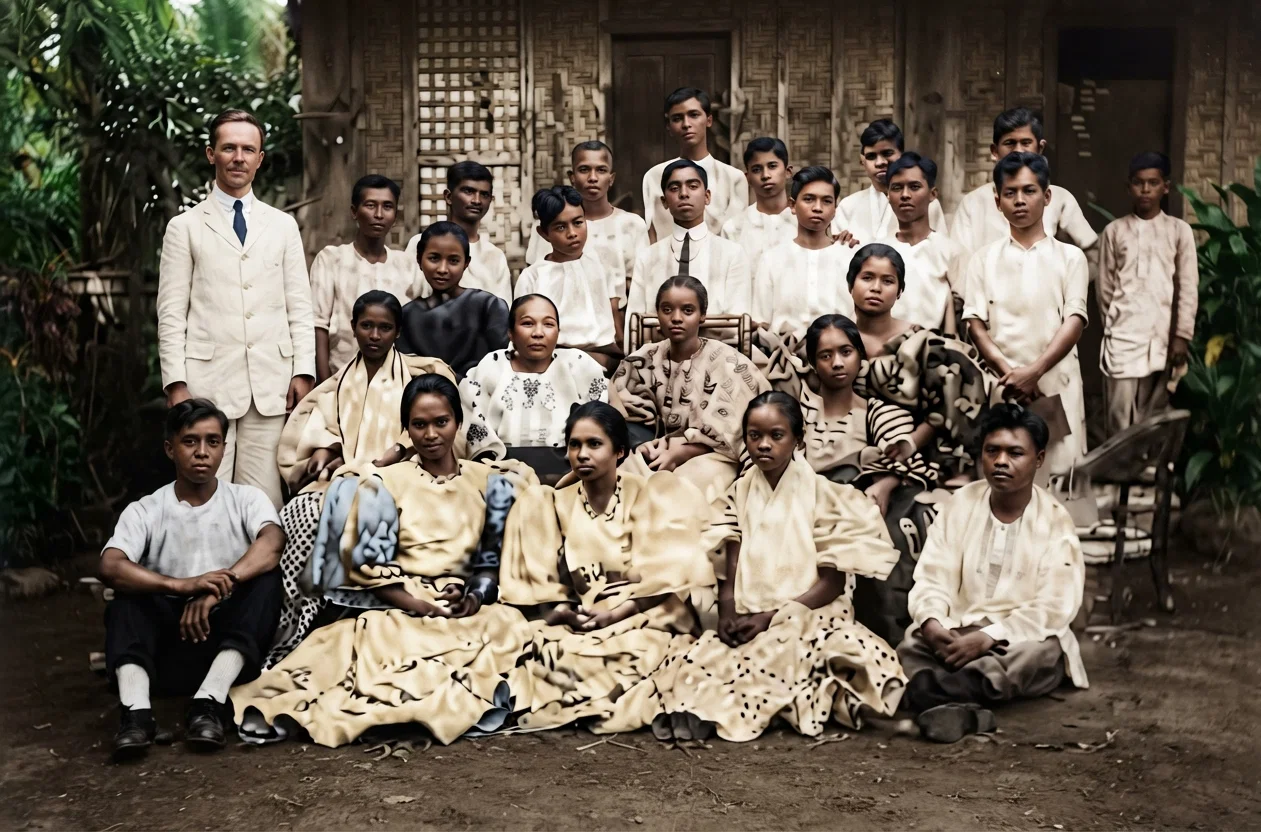
Employees in our Filipino printing office, Brother W. E. Lanier, the manager of the publishing house, at the left.
HOW COULD THEY DO SO MUCH?
As we looked this work over, we marveled that these brethren could accomplish so much. We could hardly understand how our young men and young women could turn out such good appearing books and papers with such poor facilities. Our hearts were made to rejoice because we had such patient, painstaking, hard-working people in the field.
We felt that this situation should not be allowed to continue. A suitable building and an adequate printing equipment should be provided for this work. We have passed the experimental stage in this line of endeavor in the Philippines. We have a band of twenty successful workers who have demonstrated that the sale of our literature can be made self-supporting. They have proved that the people will buy our books and papers. The sales of our publications in these islands increased from $1,161 in 1913 to over $6,000 in 1914. This work is built on a substantial foundation, and we believe it will stand. We have no competition along this line. We have scores of active young people who will engage in canvassing as soon as we can provide the literature and give them the training.
NEW PRINTING PLANT TO BE SUPPLIED
After giving the whole question careful study, we decided to request our mission board to make an appropriation of ten thousand dollars for establishing a suitable printing plant in this field. This brought great joy to the hearts of our brethren in the Philippines. The request met with an immediate response on the part of the mission board. The money required to build and equip the plant was voted, the land was secured, and now the building is being erected, and the machinery, which is furnished by the Pacific Press, is on the way to be installed.
Another insistent demand in the Philippines is for a school in which to give our young people the education and training they4must have to become efficient workers in the cause of God. We have a large number of bright, active young people in this mission field, who are anxious to work for their Master. One third of the two hundred members present at the Sabbath services in Manila were young people ranging from twelve to twenty-five years of age. Many of these are fired with a desire to have some part in this closing work, and they give promise of being as successful as those who are now working. A good school is as great a necessity in the Philippines as in any other country; and from indications, it seems that the benefits of such a school will be as great there as anywhere else. From all that we saw, we believed it our duty to urge that money be secured for the establishment of a training school in the Philippines. All whose hearts beat in sympathy with such needs and advantages, will rejoice to know that ten thousand dollars has been appropriated by the board for this school. Our position here will be immeasurably strengthened when the school is in operation.
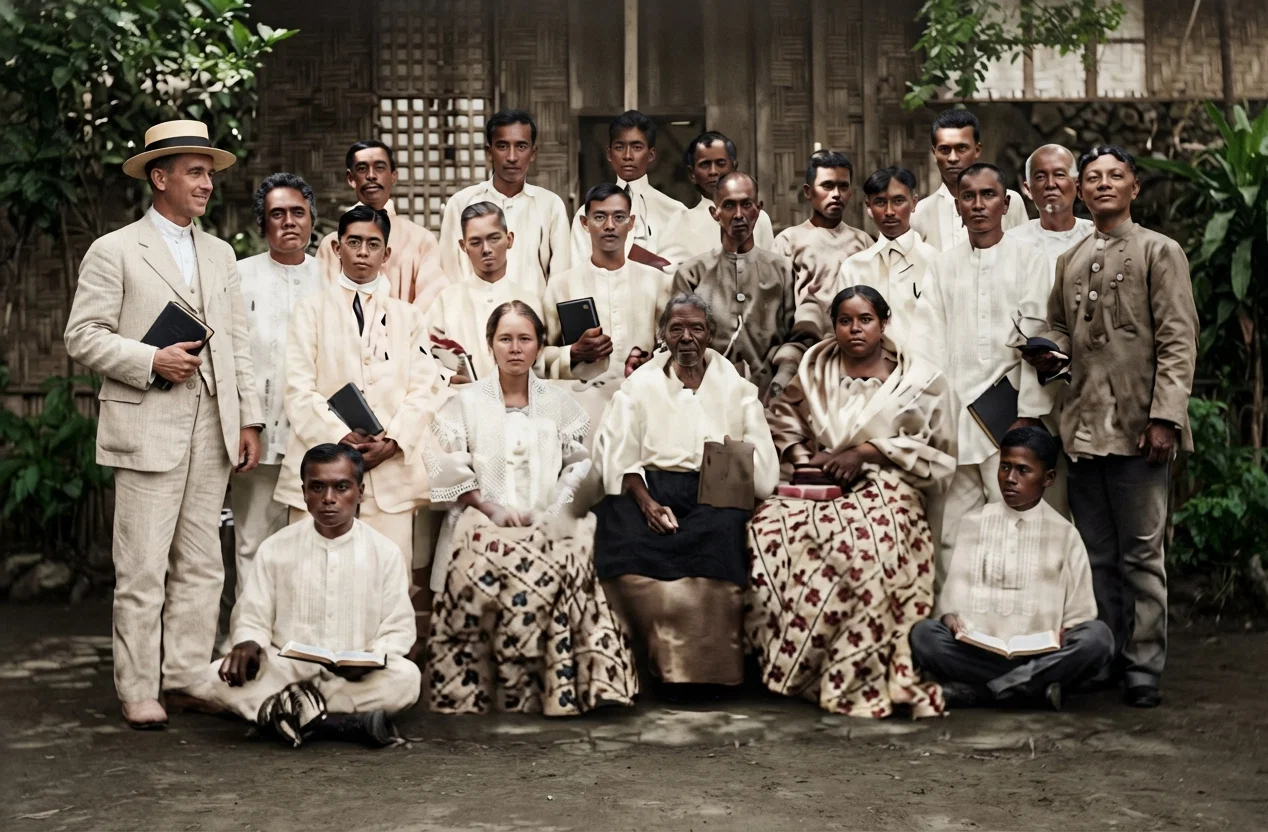
Colporteur class in the Philippine Islands, Brother Lanier, the teacher, at the left.
There are eight million people in these islands who, by recent changes in their country, are coming from great darkness into light. About eight thousand of these people are rejoicing in the message we have taken to them. This message brings such joy to the hearts of these new believers that they want all their people in the islands to hear it. The school and the printing press can be used to great advantage by them in giving the message to their fellow men.
We have reason to be deeply grateful to our heavenly Father for the work He is doing through our missionaries in the Philippines. The advancement made in our work in this field during 1914 shows what we may look for in the future if we make the use we should of the help the Lord is bringing to us. Last year our church membership here was doubled, increasing from three hundred to six hundred; the tithes increased from $657 to $1,453, the offerings from $75 to $189, and the book and periodical sales rose from $1,161 to $6,000.
Everything gives promise of similar growth the coming year. We in the home land should make every effort to keep step with the onward march of the cause in that encouraging field.