SUNDAY LAW FOR RUSSIA

25%

Pacific Press Publishing Company · Mountain View, California · Dec 26, 1906

FromSigns of the Times, Vol. 32, No. 50.

Read the full edition
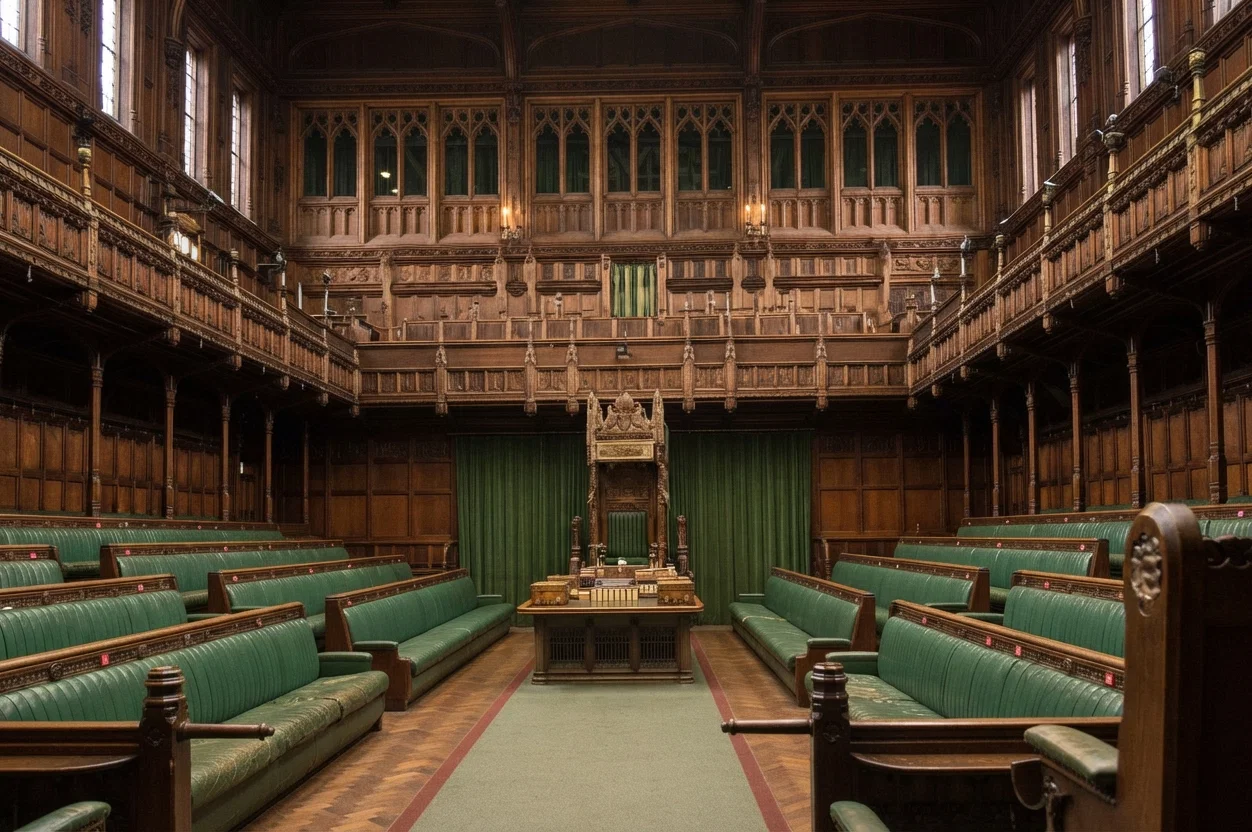
House of Commons.
House of Commons.

SUNDAY LAW FOR RUSSIA.

THERE are many evidences of Russia's reaction toward despotism. The leading men of the first Douma, or popular parliament—those who urged radical reforms—are marked for disfavor by the government, and many of them are self-exiled from the country. By a system of disfranchisement, the next Douma will be practically elected by government influences. Troops are being located in regions where liberalism is likely to become active, and the late premier De Witte, who led the government to a somewhat hopeful extent toward a recognition of the people's rights, has been warned that his life is in danger if he remains in the country.
But another feature of governmental tyranny is coming to the front in a movement for a stringent Sunday law. Like certain classes in our own country, the authorities seem to have imbibed the notion that all the trouble and unrest among the masses are due to their lax Sunday observance. So a recent despatch from St. Petersburg says that "the government will soon promulgate a law providing for Sunday closing, under the provision of territory legislation, the measure being intended to strengthen the administration position in the electoral campaign. The project provides for closing stores and the cessation of work in factories on Sunday except in the case of necessity. Groceries and meat markets will be permitted to open for a few hours. Sunday closing formerly was practically unknown in Russia, but during the recent past a powerful movement in its favor has sprung up and has been partially successful."