KADESH-BARNEA

7%

Pacific Press Publishing Company · Mountain View, California · Jan 30, 1907

FromSigns of the Times, Vol. 33, No. 5.

Read the full edition

KADESH-BARNEA.

A Lesson for Lazy Christians.
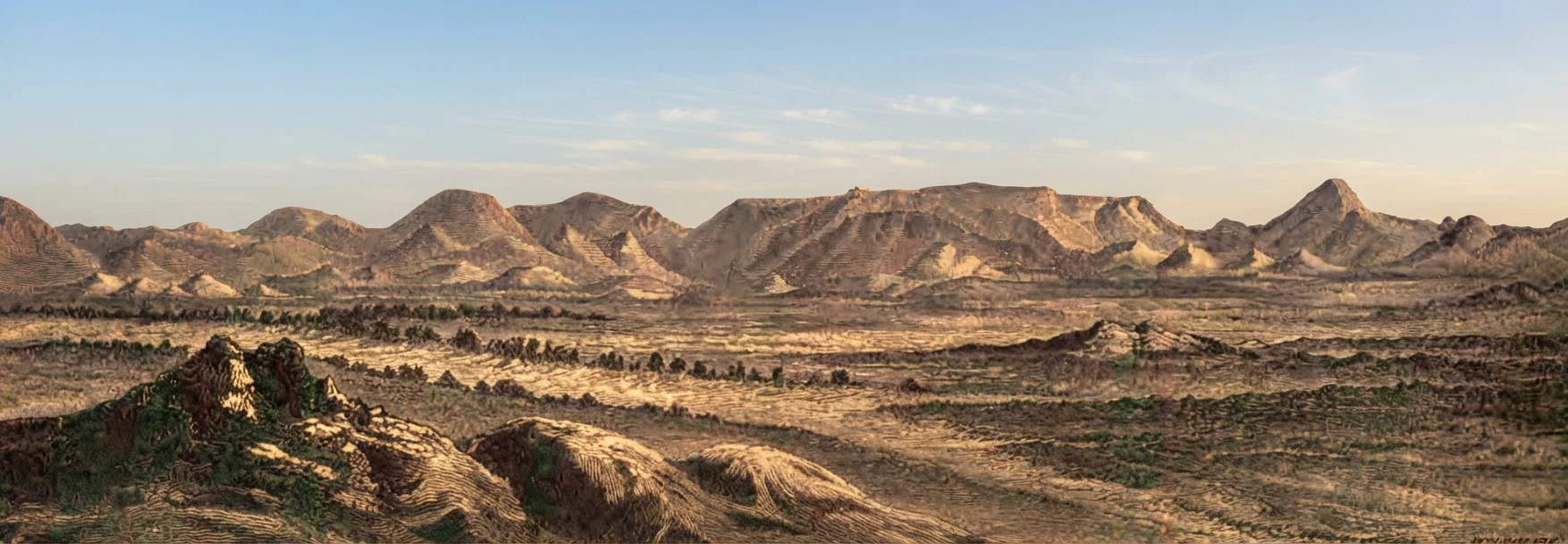
IN the cultivation of the oasis and desert and mountain region before us? — Not at all. Doubtless it would take industry to thrive there; but our lesson is not on the physical cultivation of the soil of this Eastern Arabah, however promising or unpromising the picture. There are plenty of lands nearer home which promise better. What is the lesson then?
DID you ever hear of the nation of Israel? of God's calling them out of the darkness, the idolatry, the bondage of Egypt into a land of liberty, of plenty, of gladness? About thirty-four centuries ago the call was given. "Moses, the man of God," held the high commission to bear it—to Israel as God's invitation, and to Pharaoh as a plea for justice in letting his slaves go. The Israelites responded to the call. Pharaoh was compelled by justice to do what would have proved to him the blessing of salvation had he willingly responded.
JEHOVAH did not call the Hebrews because they were the greatest of peoples, or the wisest, or most learned, or most refined or cultured. It was Jacob and Esau over again. They were a people who longed for God, while the world had rejected Him. They had a desire for the better things, while the other peoples of the world were satisfied with the things of time and sense. Poor and miserable and unpresentable as they were, they were still God's remnant in the earth.
THREE million or more of men, women, and children filed out of Egypt, in charge of the shepherd Moses, led by the strange phenomenon of a pillar—like a cloud by day, like a gleaming fire by night. A poor, motley, ignorant mass were they, just out of the swathing bands of slavery, where hard masters had thought for them. Doubtful, idolatrous, fleshly, they murmured at the scant fare and ill prospects of their desert wanderings. God must teach them ere they were fitted for the Land of Promise.
Kadesh-barnea, on the Southern Border of the Promised Land.
They must learn by the daily manna that Jehovah could supply bread where no grain grew. They must learn that He could furnish abundance of water in desert wastes knowing neither rain nor stream. More than this, they must learn that, above all things else, character was enduring, and the only right character was that taught by the precepts of the Decalogue, and amplified, impressed, and enforced by the object-lessons of the sanctuary and service of God. Two years were spent in the shadow of Sinai, in the vicinity of Horeb "the mount of God," in learning the law of the Most High.
AND then Kadesh-barnea. Where was Kadesh-barnea?—Right on the southern border of the Land of Promise. How far from Horeb was Kadesh-barnea?—"It is eleven days' journey from Horeb by the way of Mount Seir to Kadesh-barnea." Deut. 1:2. Only eleven days! And then "the land of milk and honey," "of corn and wine," "of olive yards and vineyards," of cities already builded, of provision abundant, of waters an everlasting supply, of homes,—free, happy homes,—the yokes of bondage buried by the Red Sea! Only eleven short days, and the journey of the Wilderness of Sin is over forever, and all God's call and promise is demonstrated.
SURELY, we would call that a lazy family which, supplied with food and water and clothing, and strong and well, would take one year, or even one month to make the eleven days' journey. The Hebrews were not physically lazy. That has never been laid to their charge. Presumably they were at Kadesh-barnea eleven days after the Pillar started out to lead them from Horeb to the goodly land. They reached Kadesh-barnea safely, but they did not cross the border. They had been industrious enough to build a gorgeous center of worship,—the tabernacle,—and to gather their food, and care for their camp, and repel hostile invaders for two years. There were no sick ones among them. Physically, they were in excellent condition, and made good progress. But they had failed, failed in learning the great lesson that true progress in God's school is not the mere ground surface passed over, or the length of journey taken, measured either by years or leagues, but the proximity of character to God's character, the growing likeness to the Master, the pruning away of unholy, fleshly excrescences, the rounding out of strong moral character.IT is only the spiritually industrious which make progress. The lazy are ever lagging. The trees of the heart remain unpruned, and the principal thing upon the tree is leaves. The soil of the heart is untilled, and it soon becomes grown over with weeds. The eyes of the traveler are not kept upon the goal,—the perfect standard of God,—and therefore the feet wander out of the way. Ease calls to rest, and the westering sun finds the pilgrim, not only no further on his way, but discouraged and complaining. Instead of betaking himself to prayer, he complains. Instead of searching his own heart, he finds fault with the shortness of the way. Instead of fixing his eyes upon God's promise of the good land before, he looks back and longs for the flesh-pots of Egypt. Even while his feet journey onward in the path of life with God's people, his heart is in Egypt and his soul is starving. If admitted to the goodly land, he would still long for the leeks and onions and garlic and flesh-pots of slavery.
EVEN so did Israel. They reached Kadesh-barnea. That God's word might be confirmed to them, twelve spies were sent forward to search the land and report. The spies went and returned. They confirmed all that God had said of the goodly land, but ten of them declared that they could not conquer the people. That is, the God who had overthrown mighty Egypt, had opened the Red Sea, had shaken the earth by His glorious presence, had supplied daily food and drink by miraculous power, this God had suddenly become weak, and could not save His people in Palestine!! The miracle-lined and wonder-paved road from Egypt was suddenly to sink in a black morass, and the people left to perish! So ten of the twelve spies thought. So the mass of the people believed. And therefore they could not enter. God could not uproot even the vile Canaanites for a people so spiritually lazy, so slothfully unbelieving, that their hearts could not keep pace with the physical journeying of the women and children. The journey to be taken by their feet, the lapse of time ere they entered Canaan, must now be measured not by days or leagues, but by heart-progress in character-building. So God turned them back to their wilderness wandering; and while it took but eleven days from Sinai to Canaan's borders, it took thirty-eight long years to cross that border.
WHAT a heart struggle it must have been for "the man of God" to turn back into the wilderness! Little wonder that in his impatience he committed the sin that he did in bringing the water from the rock to the rebellious people. What a heart struggle it must have been for the two faithful spies, Caleb and Joshua, to turn back to the desert again after having tasted the fruits of the Land of Promise! But they conquered, having "wholly followed" God from the beginning, they followed in all the devious windings of the wilderness wanderings till once again they crossed the border of the swelling Jordan into the goodly land. But they had this to cheer them—they knew the way would end in the Promised Land. They were God's remnant, they were of His remnant, and He was mindful. What a sadder thing still it must have been for the great mass of those strong men to turn back to the desert, and there wander and die, wander and die, till all of them had fallen by the way! O, if the heart had but kept pace with the feet, what a different ending there might have been.
"Of all sad words of tongue or pen, The saddest are these, 'It might have been.'"
JEHOVAH led His remnant who were loyal and true, in the days of Elijah. Only seven thousand, unknown to men, but known to God. He led His remnant in the days of the apostles, among whom were "not many wise after the flesh, not many mighty, not many noble." Yet were they truly God's remnant, and He was leading them. Even so in the last days God will have His remnant, gathered out from all lands and peoples and conditions, gathered to His one standard of character, His holy law, His one means of salvation, faith in Christ Jesus. As of old, they will have nothing to recommend them in the learning or wisdom of the world, in its wealth or power, in number and influence, yet are they still the remnant of God, bound for the Holy Land of God's immutable promise.
They are a motley crowd of all tongues and educations, yet God is leading. There are and will be those who keep step with the feet, but the heart is still in Egypt or Babylon or Edom. They gather the spiritual manna, but do not appropriate it; for they still long for "the leeks and onions and garlic" and "flesh-pots" of Egypt. They have turned back the congregation of God into the desert wanderings, and are prolonging the journey to Canaan's bright shore; yet that congregation is still God's remnant, and will ever be as long as they follow His truth, His Pillar, wherever it may lead. To the remnant of the latter day, has God given the warning of the former day. Lust not "after evil things, as they also lusted. Neither be ye idolaters as were some of them." "Neither let us commit fornication, as some of them committed, and fell in one day three and twenty thousand. Neither let us make trial of the Lord, as some of them made trial, and perished by the serpents. Neither murmur ye, as some of them murmured, and perished by the destroyer. Now these things happened unto them by way of example; and they were written for our admonition, upon whom the ends of the ages are come." See 1 Cor. 10:1-11. Do rapid work spiritually. Expect great things of God. Take the eleven days' journey and enter the land. Learn daily the lesson of Kadesh-barnea. God is able to give you victory. Are you willing?