BIBLE NATURE SERIES NUMBER TWO

3%

Pacific Press Publishing Association · Mountain View, California · Sep 6, 1910

FromSigns of the Times, Vol. 37, No. 35.

Read the full edition

BIBLE NATURE SERIES NUMBER TWO

An Elementary Science Text-Book for Grade Five
BY PROF. M. E. CADY AND MISS KATHERINE B. HALE
"Believing that the great Master Builder proceeded to build this world in an orderly and logical manner, each step revealing plan and method in His work, the order of creation has been adopted as the order of progression in the development of the lessons in each of the three books of the Bible Nature Series. The work of creation was followed by the disobedience of our first parents, which resulted in bringing death and destruction into the fair creation. But God has provided a plan to redeem man,—the plan of redemption. So, following the lessons on creation, briefly and simply are developed lessons giving the story of redemption from Adam's fall until he shall take his place again in Eden—the Eden restored."—From Preface.
How this plan of teaching elementary science from the Bible is carried out is shown by a glance at the chapter and lesson titles:

First Day

"And God said, Let there be light: and there was light." Gen. 1:3.
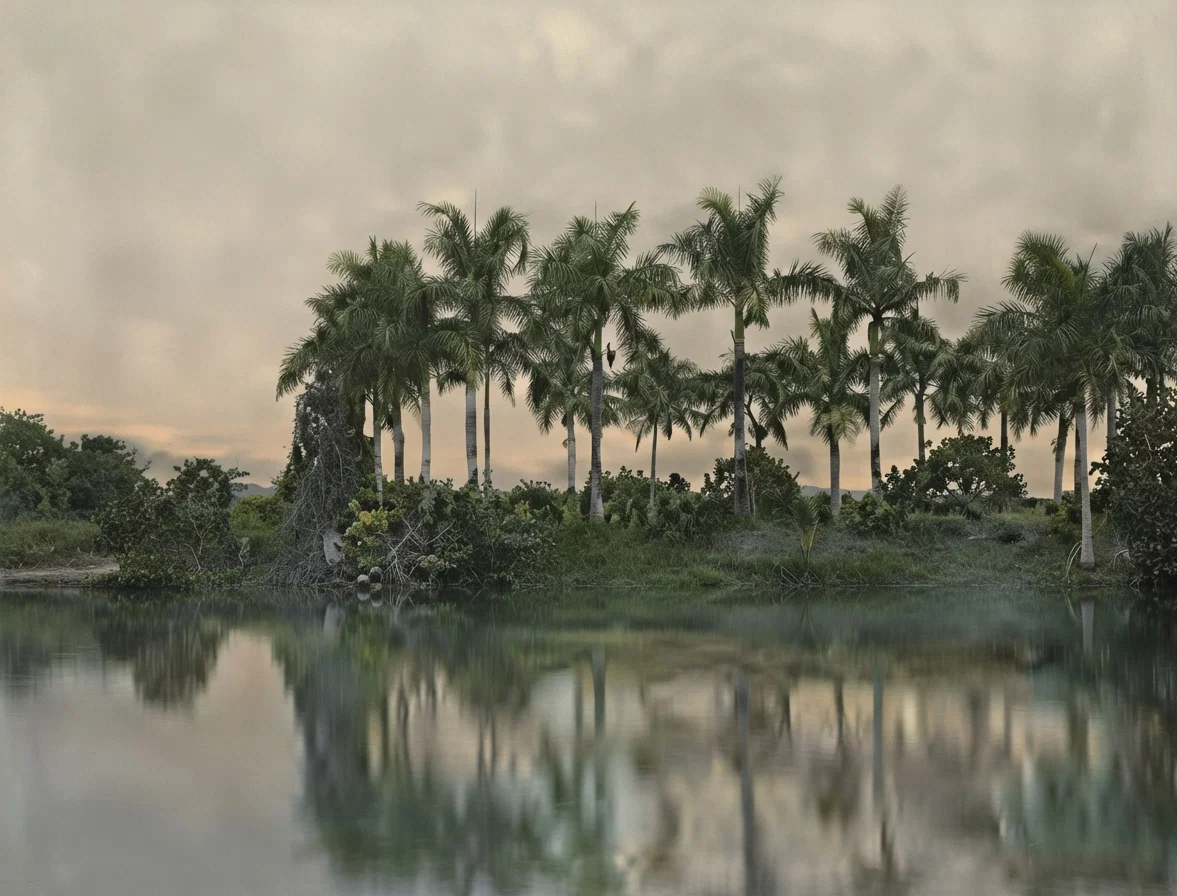
Palms Reflecting in Water

Second Day

"And God said, Let there be a firmament in the midst of the waters." Gen. 1:6.
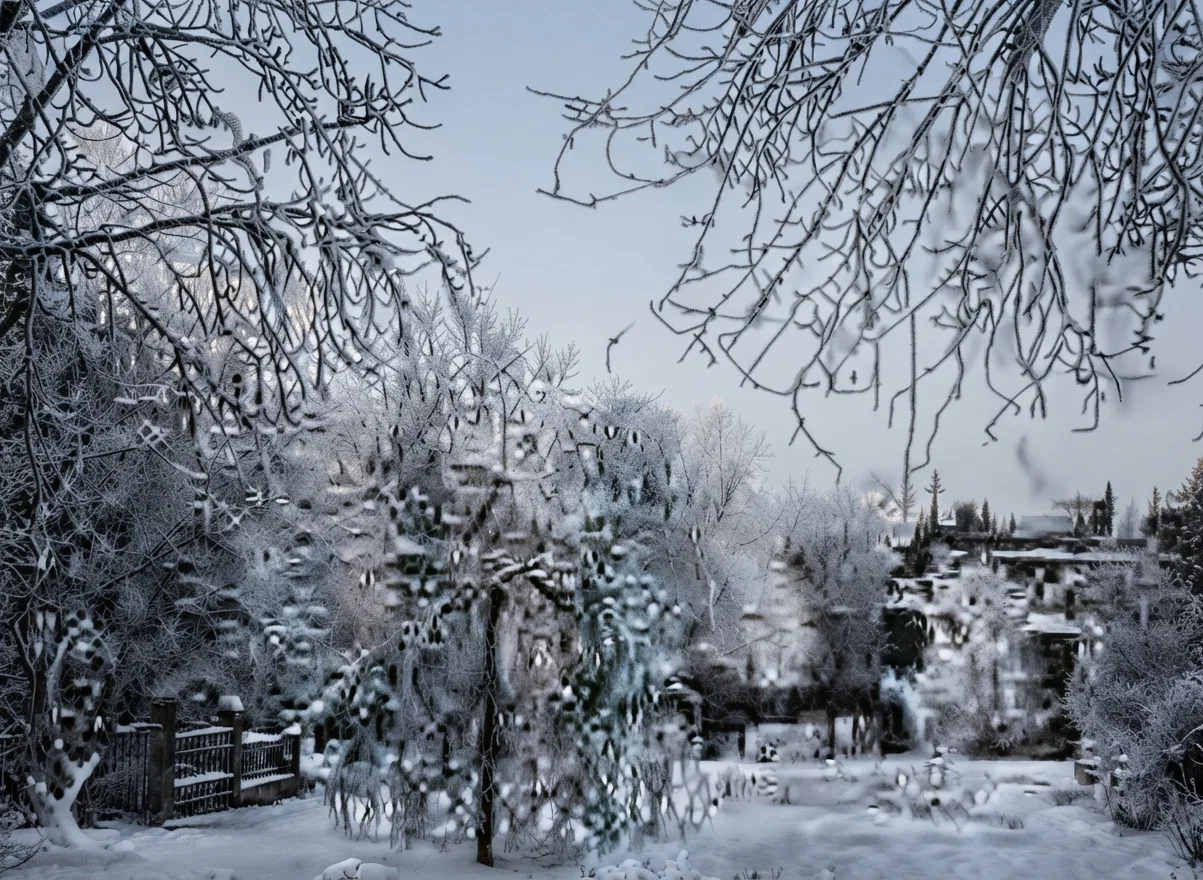
A Winter Scene
A Winter Scene

Third Day

"And God said, Let the waters under the heaven be gathered together unto one place." Gen. 1:9.

Third Day

"And let the dry land appear: and God called the dry land earth." Gen. 1:9, 10.
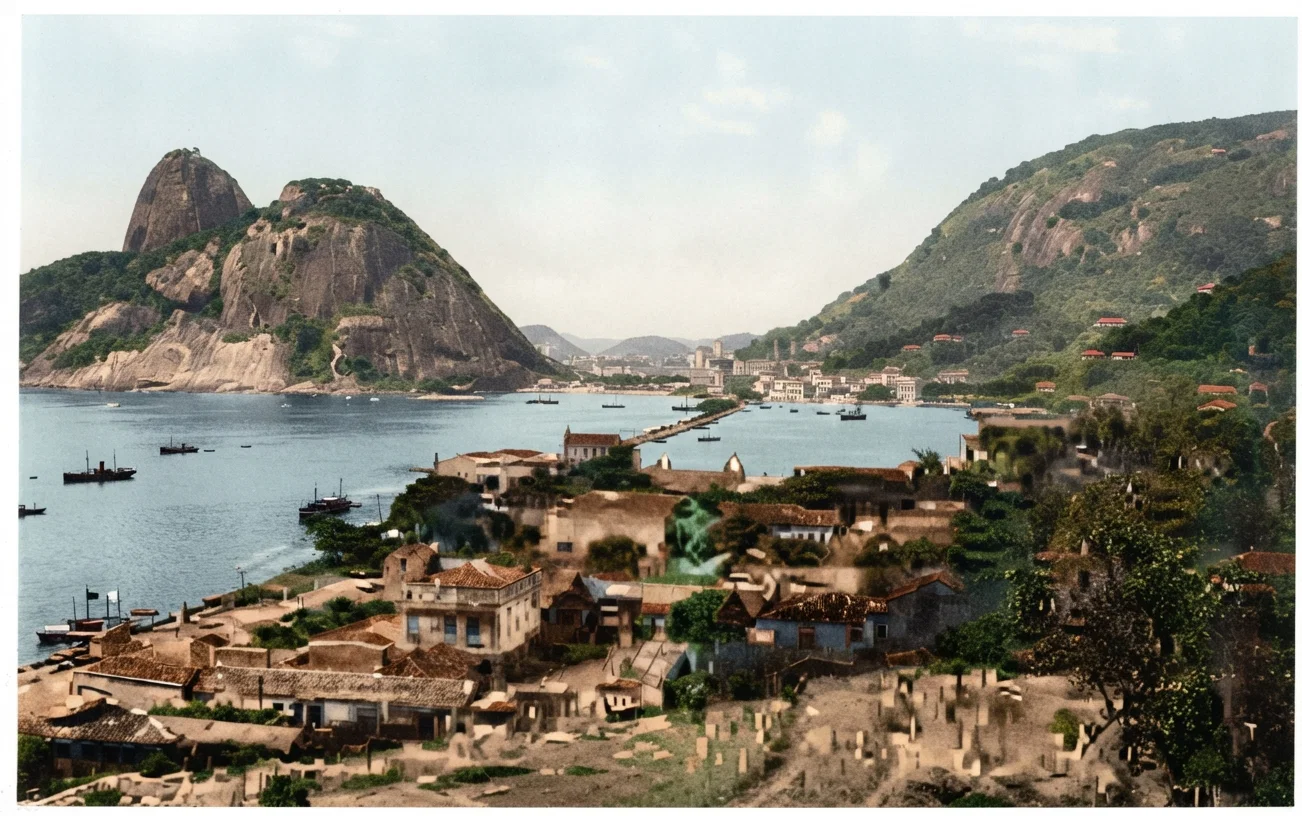
A Section of Rio de Janeiro's Beautiful Harbor

Third Day

"And God said, Let the earth bring forth grass, the herb yielding seed, and the fruit tree yielding fruit after his kind." Gen. 1:11.
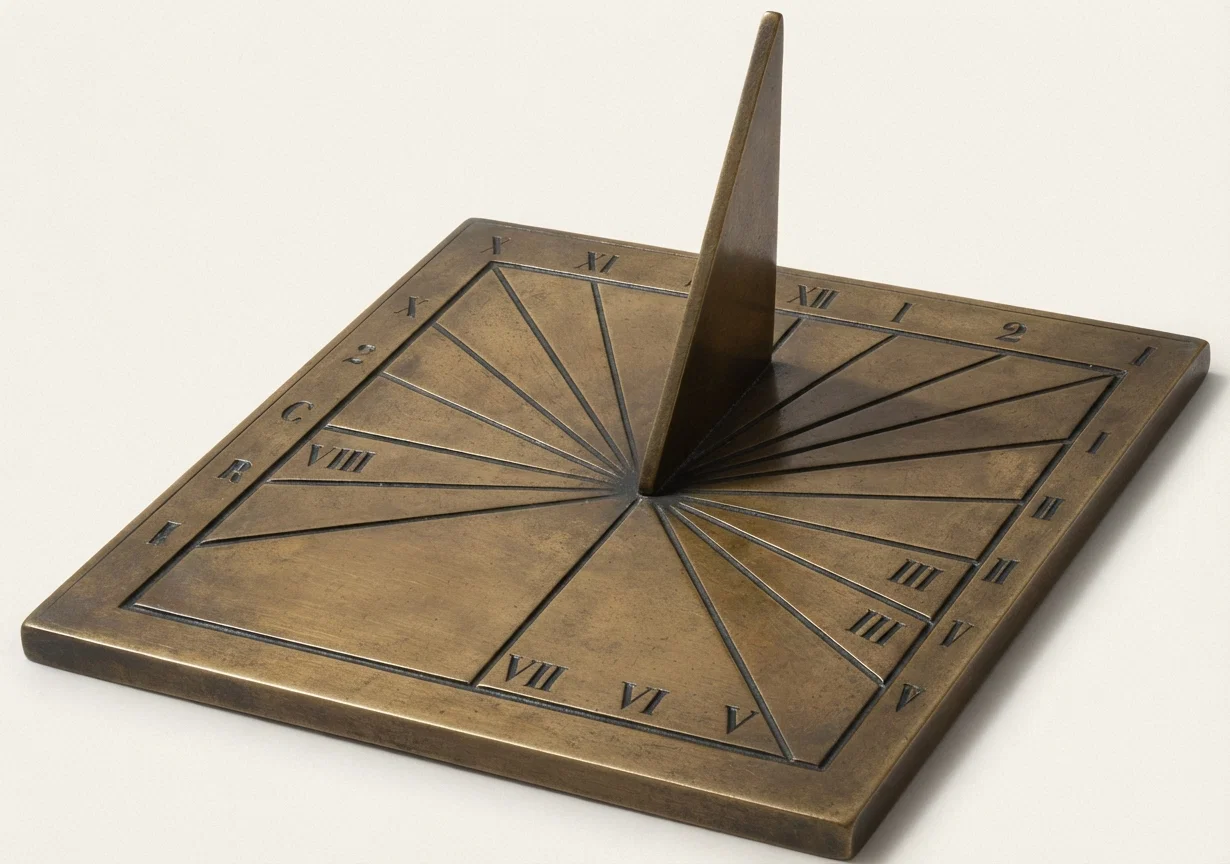
The Sun Dial
The Sun Dial

Fourth Day

"And God made two great lights; the greater light to rule the day, and the lesser light to rule the night. He made the stars also." Gen. 1:16.

Chapter Two—Light and Heat

Lesson 4.—The entrance of light. Lesson 5.—How different colors are made. Lesson 6.—Reflection of light. Lesson 7.—How heat is produced. Lesson 8.—The world's great climate belts. Lesson 9.—The effects of climate upon bodily heat.

Chapter Three—Air and Sound

Lesson 10.—The atmosphere. Lesson 11.—The weight of air. Lesson 12.—The pump. Lesson 13.—Musical tones produced by the wind.

Chapter Four—Water

Lesson 14.—Distribution of water. Lesson 15.—The composition of water. Lesson 16.—Habits of water. Lesson 17.—Water as a liquid. Lesson 18.—Vaporized water. Lesson 19.—Water as a solid. Lesson 20.—Water as a beverage. Lesson 21.—Water as a cleanser.

Chapter Five—Dry Land

Lesson 22.—Review study of the land masses. Lesson 23.—A glance at the Eastern Hemisphere. Lesson 24.—A glance at the Western Hemisphere. Lesson 25.—Map study.—North America. Lesson 27.—People, climate, and countries of North America. Lesson 28.—Map study.—South America. Lesson 29.—Physical features of South America. Lesson 30.—Education and religion of the Western Hemisphere. Lesson 31.—Map study.—Asia. Lesson 32.—Map study.—Europe. Lesson 35.—Map study.—Africa. Lesson 37.—Map study.—Australia. Lesson 38.—Australia. Lesson 39.—Map study.—The British Isles. Lesson 40.—The British Isles. Lesson 41.—Map study.—The United States. Lesson 42.—The United States.

Chapter Six—Plants

Lesson 43.—Consider the lilies. Lesson 44.—The squash seed. Lesson 53.—The shape of flowers. Lesson 54.—The purpose of the organs of flowers.

Chapter Seven—Sun, Moon, and Stars

Lesson 60.—The starry heavens. Lesson 61.—Holding and upholding power. Lesson 62.—A trip to the sun. Lesson 63.—A trip away from the sun. Lesson 64.—The moon and its phases. Lesson 65.—The seasons. Lesson 66.—Time and timekeeping. Lesson 67.—Fixed stars and constellations.