It Makes a Difference

14%

Pacific Press Publishing Association · Mountain View, California · Aug 9, 1910

FromSigns of the Times, Vol. 37, No. 31.

Read the full edition

It Makes a Difference

From London "Present Truth"
THE Roman Catholic Church in England has been rejoicing in a threefold triumph, the sixtieth anniversary of the restoration of Roman bishoprics in this country, the consecration of Westminster Cathedral, and the bill brought in by Mr. Asquith for altering the Royal Declaration so as to remove the expressions that are offensive to Roman Catholics. Her orators make use of this opportunity to glorify the principles of religious liberty which have permitted her to regain so much in this country, and which will, she hopes, enable her to regain far more. Dr. Barry, at the dedication of the cathedral, spoke as follows:
"Men can not be made Christian by acts of Parliament, or driven at the point of the bayonet to worship God in the persecutor's temple. He that created conscience in us created it free, sovereign over the whole man, never to be coerced or coercible. There was a time when the civil powers tuned pulpits and dictated articles of belief. That tyranny is overpast. It did all it could, and failed. Surely Catholics, in winning liberty of conscience for themselves, have learned and taught the lesson that a church can be founded only on God's grace and man's free-will. The beauty of holiness, which our new Zion incarnates, is persuasive beyond all words, and how much more potent than the grim rhetoric of racks and thumbscrews, fires and scaffolds, which may tear the flesh but can not convince the heart."
Yet while the representatives of Rome thus extol religious liberty where they hope to profit by it, they hold very different language in countries where they are supreme. And only a few days ago the "Catholic Times" was boasting that "Rome never changes." No. Rome strongly objects to pulpits being tuned by civil powers, but she thinks it perfectly proper that the church should tune those civil powers and make of them an instrument for enforcing her dogmas upon the people. Her views of religious liberty depend upon whether she is in the majority or the minority.
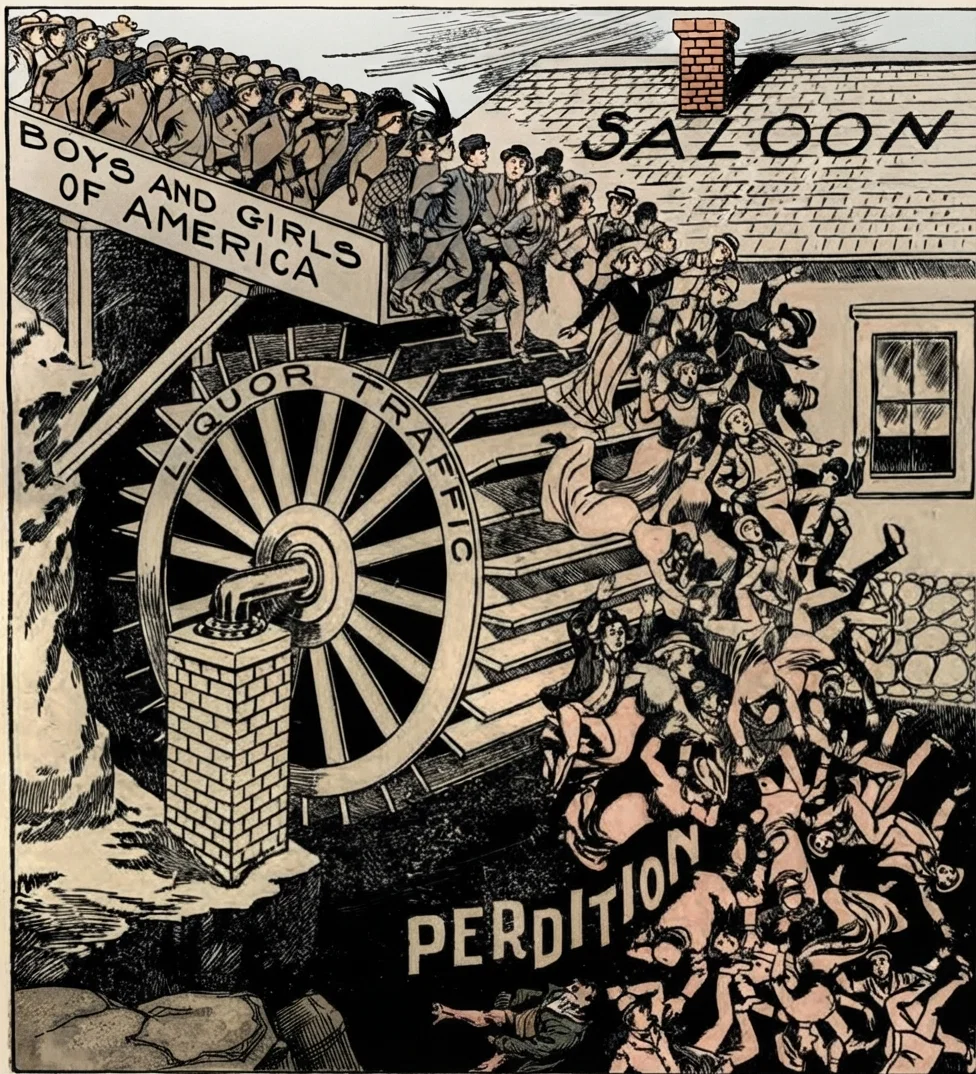
THE STREAM THAT GRINDS THE GIN MILL'S GRIST.
—★★—