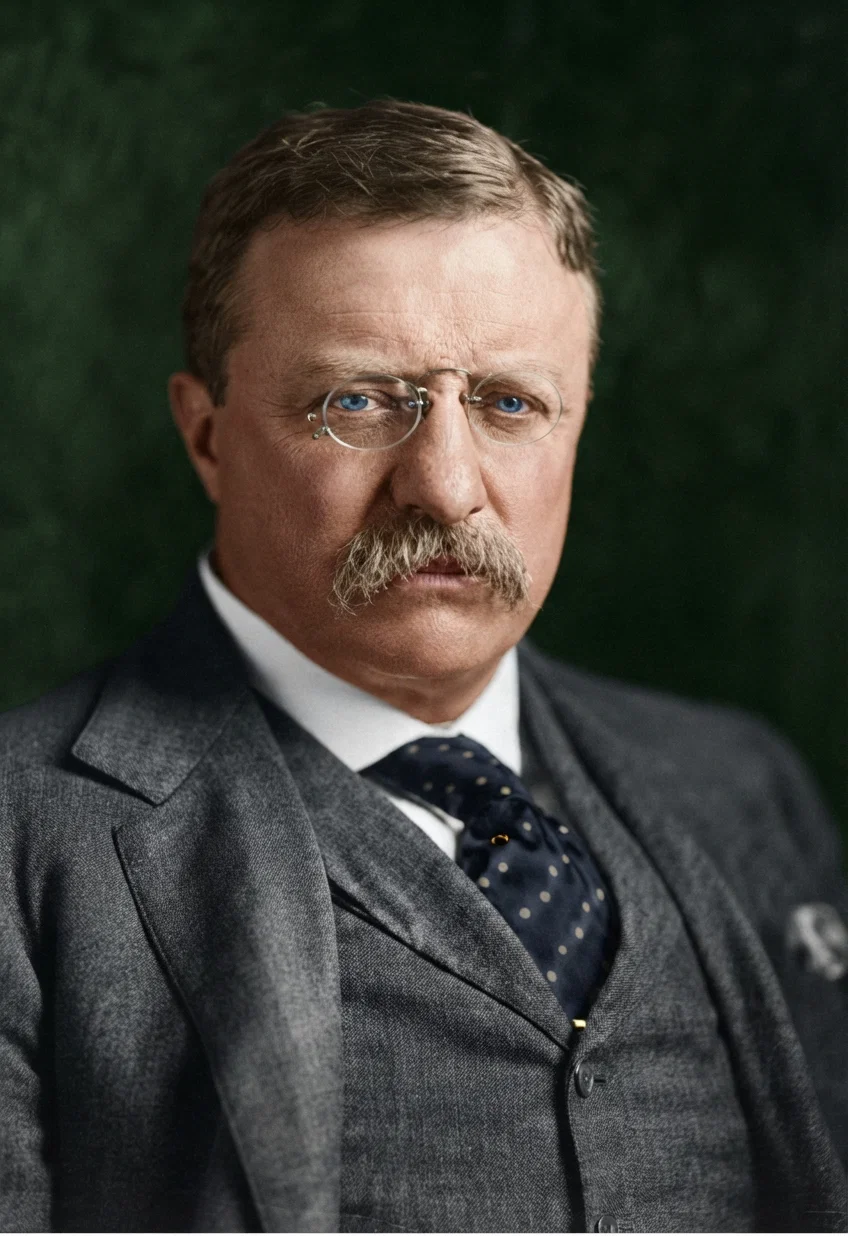
THE discussion which Mr. Roosevelt deprecated continues over his affair with the Vatican. Our readers are more or less acquainted with it through the daily press. It is not needful to give the whole correspondence. The matter of difficulty arose over the conditions placed upon Mr. Roosevelt if he were to have an interview with the pope. The words are: "The holy father will be delighted to grant an audience to Mr. Roosevelt on April 5, and hopes that nothing will arise to prevent it such as the much regretted incident which made the reception of Mr. Fairbanks impossible." The Methodists seem to have a coterie of very zealous evangelists in Rome. Mr. Fairbanks is a Methodist, and he visited the Methodists. The Vatican feels special antagonism toward the Methodists because of their methods. Mr. Fairbanks having visited the Methodists, the pope would not receive him.
Feeling that Mr. Roosevelt in his open way might do the same thing, and thus place the Vatican in an inconsistent position if the pope received him, the conditions were laid down by the Vatican. Mr. Roosevelt recognized the right of the pope to receive whom he wished, but stated that "I in my turn must decline to make any stipulations or submit to any conditions which in any way limit my freedom of conduct." A very proper thing for a free man of any country to do. For this he has received laudations from lovers of freedom all over the world, many Catholics in America endorsing it. Mr. Roosevelt, however, shortly after that wired to The Outlook expressing himself very emphatically as wishing the Americans to feel that while he acted in the only way possible for an American to act, he wants it understood that he has nothing against Roman Catholicism in any way. And the editor of The Outlook declares that "an ex-president of the United States could not visit Rome and fail to ask for an audience with a pope without a palpable slight to the holy father." Mr. O'Laughlin, an American Catholic in Rome, who endeavored to arrange the interview, declares that even Catholics close to the Vatican are beginning to understand that Mr. Roosevelt's attitude in connection with the audience with the pope has no relation with them or their religion, while his later utterances have shown the Methodists that they have no right to make capital of his actions as against the Catholics. What may grow out of it is uncertain. Some of the Methodists have come out very strongly in their utterances against Roman Catholicism, but Bishop David H. Moore of the Methodist Episcopal Church declares, as quoted by the Literary Digest of April 16, that "true Roman Catholicism can never be in conflict with true Methodist Episcopalianism, and vice versa."
That to our mind is about the strangest utterance of all. If that be true, we wonder what reason the Methodist Church has for existence, or why they send missionaries to Rome, or to Catholic countries. Certainly if there is any place on the face of the earth that ought to reflect true Roman Catholicism it is right in the city of Rome itself, under the very shadow of the Vatican. And presumably the Methodist Episcopal Church send missionaries there who represent true Methodist Episcopalianism. Somehow or other things are mixed in Bishop Moore's mind or in Rome. Logically there can be no harmony between true Protestantism and true Catholicism. The one is a religion of tradition; the other is a religion of the Word. Mr. Roosevelt does right in standing for absolute religious equality, utterly apart from the particular religion professed. Roman Catholics are consistent with their faith in absolutely refusing to fellowship other religions. Protestantism ought to stand so close to the Word of God that it also could see the inconsistency of union or harmony between Protestantism and Roman Catholicism.