Washington and Lincoln
4%Pacific Press Publishing Association · Mountain View, California · Feb 22, 1910
FromSigns of the Times, Vol. 37, No. 8.
Read the full editionWashington and Lincoln
Lovers of Liberty
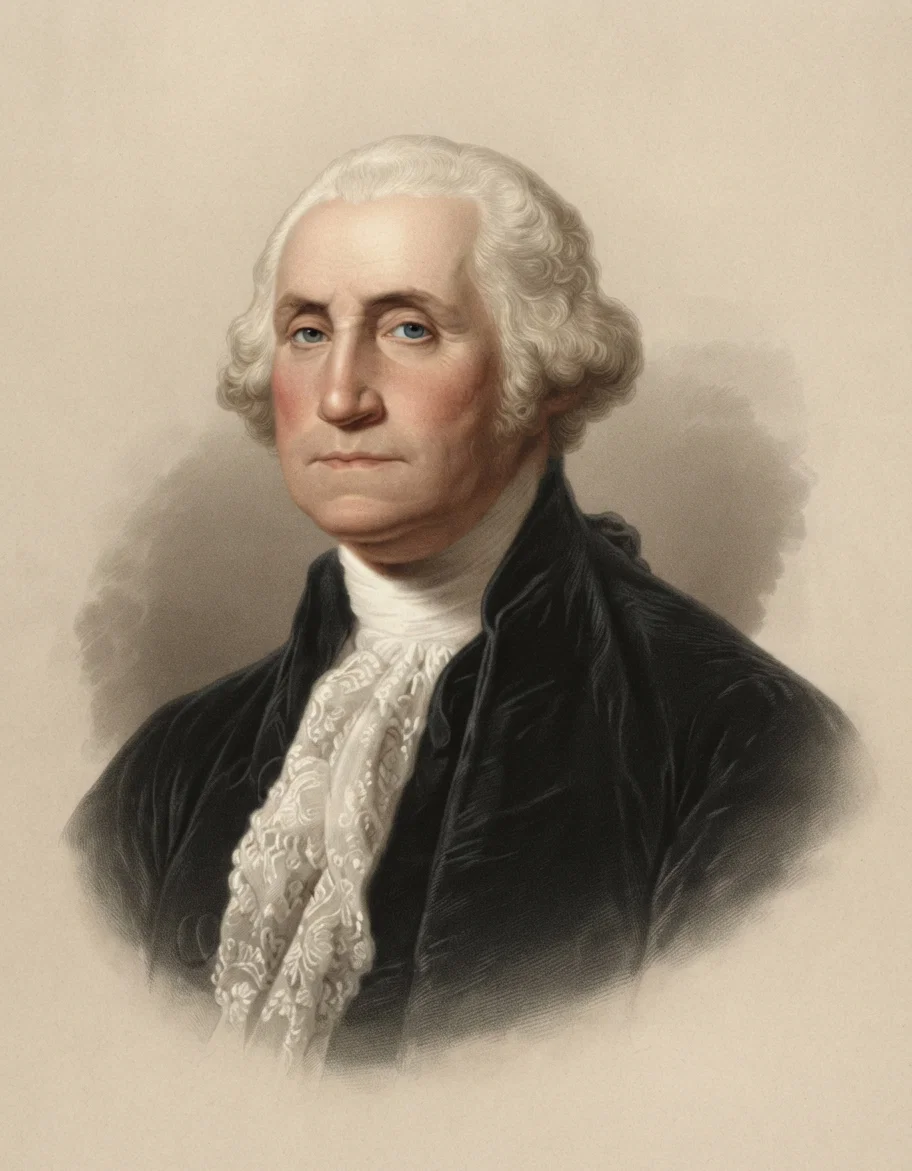
"We hold these truths to be self-evident: that ALL MEN ARE CREATED EQUAL; that they are endowed by their Creator with certain UNALIENABLE RIGHTS; that among these are LIFE, LIBERTY, AND THE PURSUIT OF HAPPINESS; that to SECURE THESE RIGHTS governments are instituted among men, deriving their just powers from the CONSENT OF THE GOVERNED."
"CONGRESS SHALL MAKE NO LAW RESPECTING AN ESTABLISHMENT OF RELIGION, OR PROHIBITING THE FREE EXERCISE THEREOF, or abridging the freedom of speech or of the press, or the right of the people peaceably to assemble, and to petition the Government for a redress of grievances."
"If I had the least idea of any difficulty resulting from the Constitution adopted by the Convention of which I had the honor to be President when it was formed, so as to endanger THE RIGHTS OF ANY RELIGIOUS DENOMINATION, then I never should have attached my name to that instrument. If I had any idea that the general Government was so administered THAT LIBERTY OF CONSCIENCE WAS ENDANGERED, I pray you be assured that no man would be more willing than myself to revise and alter that part of it so as to AVOID ALL RELIGIOUS PERSECUTION. You can without any doubt remember that I have often expressed as my opinion that EVERY MAN WHO CONDUCTS HIMSELF AS A GOOD CITIZEN IS ACCOUNTABLE ALONE TO GOD FOR HIS RELIGIOUS FAITH, AND SHOULD BE PROTECTED IN WORSHIPING GOD ACCORDING TO THE DICTATES OF HIS CONSCIENCE."
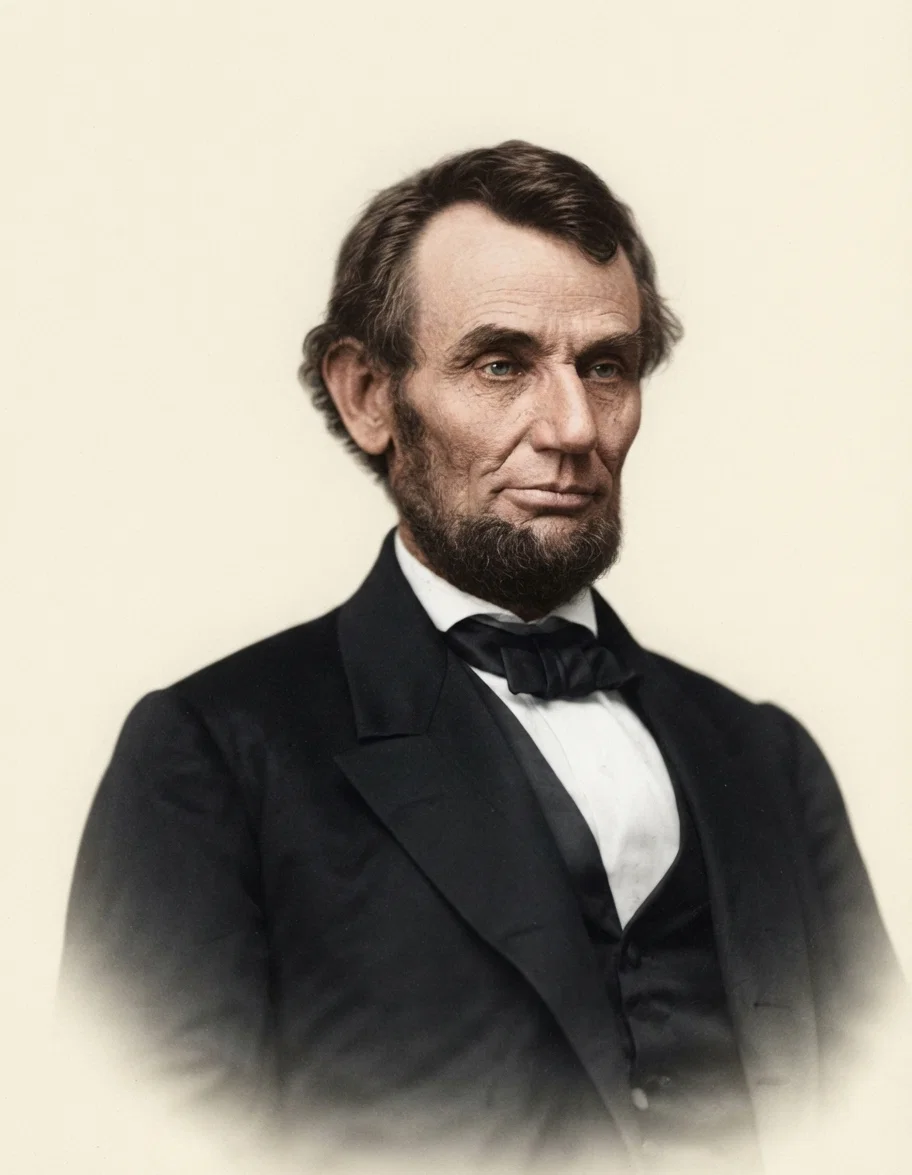
"I am exceedingly anxious that that thing [liberty],—that something even more than national independence, that something that held out A GREAT PROMISE TO ALL THE PEOPLE OF THE WORLD TO ALL TIME TO COME,—I am exceedingly anxious that this Union, the Constitution, and THE LIBERTIES OF THE PEOPLE shall be perpetuated in accordance with the ORIGINAL IDEA for which that struggle [the Revolution] was made; and I shall be most happy indeed if I shall be a humble instrument in the hands of the Almighty and of this His almost chosen people for perpetuating the object of that great struggle."
"I have never had a feeling politically that did not spring from the SENTIMENTS EMBODIED IN THE DECLARATION OF INDEPENDENCE. . . . It was not the mere matter of separation of the colonies from the mother land, but that SENTIMENT IN THE DECLARATION OF INDEPENDENCE WHICH GAVE LIBERTY not alone to the people of this country, but hope to all the world for all future time. It was that which gave promise that in due time the weights would be lifted from the shoulders of all men, and THAT ALL SHOULD HAVE AN EQUAL CHANCE. This is the sentiment embodied in the Declaration of Independence. . . . If this country can not be saved without giving up that principle, I was about to say I would rather be assassinated on this spot than surrender it."
"Law is holy: ay, but what law? Is there nothing more divine Than the patched-up broils of Congress, venal, full of meat and wine? Is there, say you, nothing higher? Naught, God save us! that transcends Laws of cotton texture, wove by vulgar men for vulgar ends?" "Think you Truth a farthing rushlight, to be pinched out when you will With your deft official fingers, and your politicians' skill? Is your God a wooden fetish, to be hidden out of sight, That his block eyes may not see you do the thing that is not right?" "But the Destinies think not so; to their judgment-chamber lone Comes no noise of popular clamor, there Fame's trumpet is not blown; Your majorities they reck not; that you grant, but then you say That you differ with them somewhat,—which is stronger, you or they?" "Patient are they as the insects that build islands in the deep; They hurl not the bolted thunder, but their silent way they keep; Where they have been that we know; where empires towered that were not just, Lo! the skulking wild fox scratches in a little heap of dust."