Porto Rico

7%

Pacific Press Publishing Company · Mountain View, California · May 27, 1908

FromSigns of the Times, Vol. 34, No. 22.

Read the full edition

Porto Rico.

Its Religions.

PORTO RICO has always been a strictly Catholic country, and much of the time there has been a law prohibiting the entrance of non-Catholics. The first settlers came imbued with the Spanish idea of religion, advocating a union of church and state, and believing in persecuting dissenters; also that the church should support a large priesthood, and build churches in every city and hamlet. Morality has always been at a low ebb, for Rome has been slow in her protest against intemperance, profanity, theft, and adultery, as is shown by the practises of the people wherever she holds sway; but terrible are the punishments she has meted out to those who would presume to say aught against the dignity of the church or the founders of her doctrines.
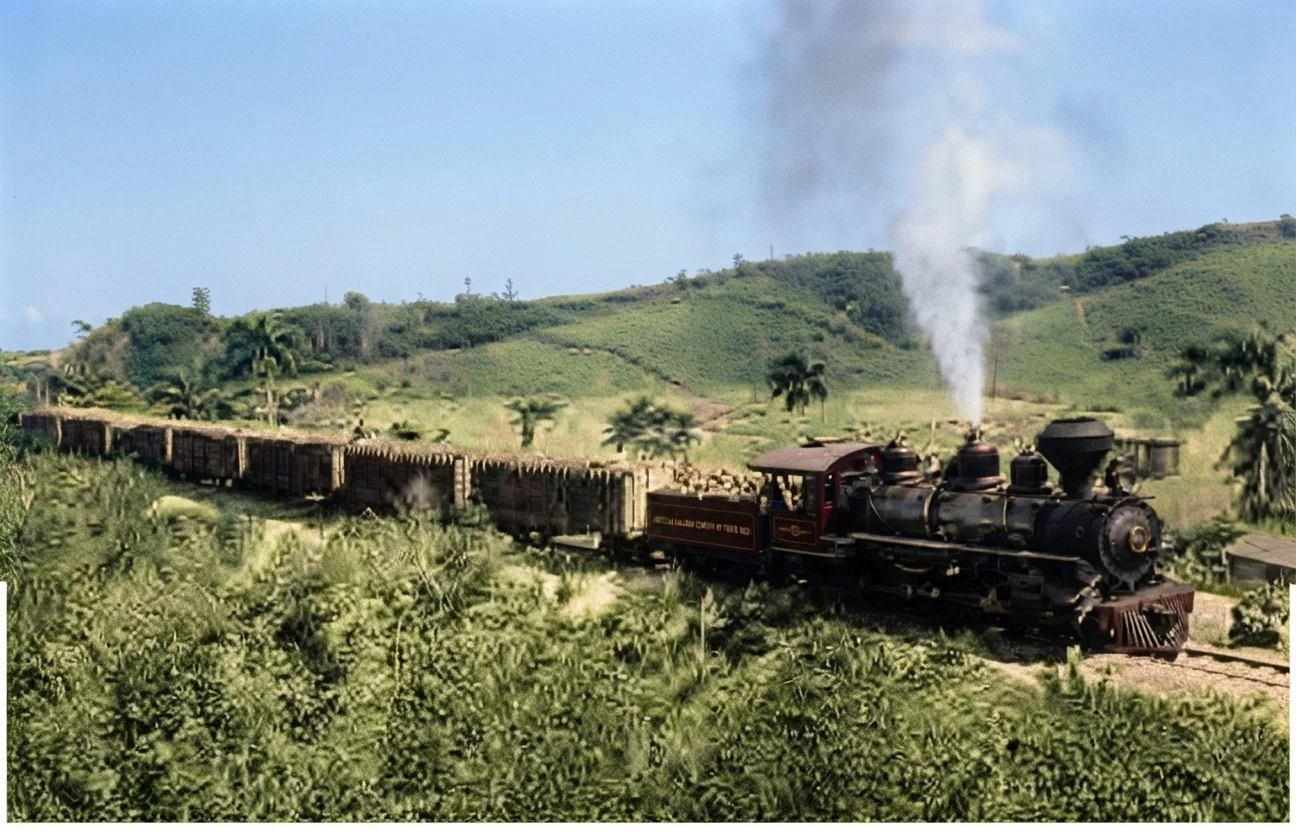
Compound Locomotive of American Railroad Company Drawing Train Loaded with Sugar, Porto Rico.
There was a charge made of from ten to one hundred dollars for the marriage ceremony, and to force the people to pay these extortionate prices the civil marriage was condemned as illegal, and the children of such a union were called illegitimate. Very many of the poorest among the people could not pay, preferring to live in adultery; and so general had this practise become that it had lost its stigma, and the number of a man's wives was only limited by his ability to care for them.
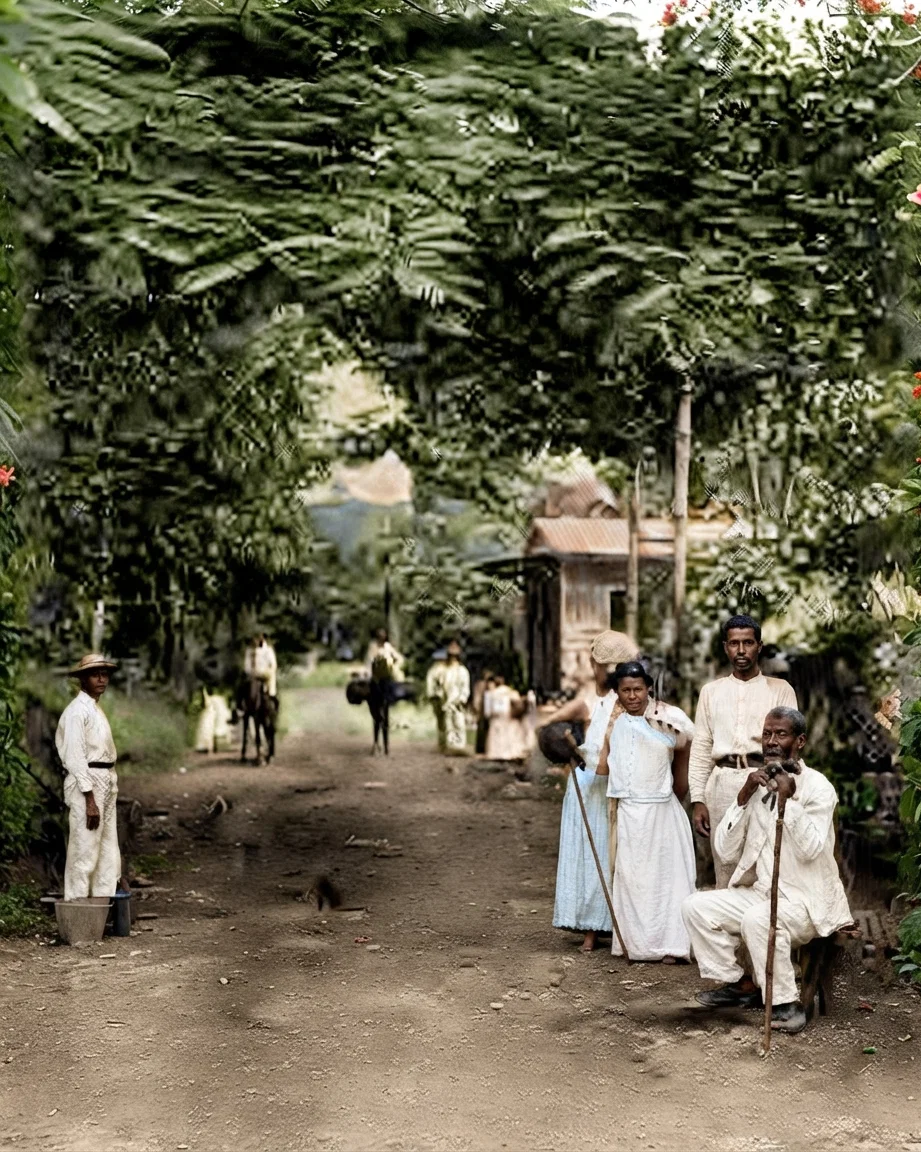
Road in Porto Rico.
Road in Porto Rico.
But Rome has not always had fair sailing, for the people, tired of confession and penance, of the multitudes of saints, and the endless round of ceremonies which only mocked the longings of the soul, have now and then revolted and turned away; but the church, equal to the emergency, would find a remedy. Some saint would appear in miraculous manner on some high hill or in some isolated place and, after working some miracle, would order the erection of a temple or shrine, and the people would again take courage and, as a penance for their doubting, would be willing to carry the stone and timber to the sacred spot for the erection of the edifice. Later the saint thus honored would come to heal the diseases of the faithful; and thus Rome, by multiplying her saints, her holy days, and by means of her visionary promises of absolution, has carried her unnumbered throng onward, they know not where.
About the year 1870 there began to be taught in Porto Rico a spiritual science similar to Christian Science, the doctrine of Allen Kardec, of Spain. It was neither political nor religious, but a sort of moral teaching which took fast hold of a large class of people tired of Catholicism, so that when the Americans came here, they found the people divided as regards religion about as follows: The men were about evenly divided between Catholics, Spiritualists, and free-thinkers; and the women were probably two-thirds Catholics and one-third Spiritualists, and there was a church of about forty members of the Anglican faith in Ponce.
As soon as the stars and stripes were fairly waving over the island, the Protestant missionaries came and began the work of distributing the Bible, which the people had never before been allowed to read, and selling religious books and tracts, and preaching the word to the few most common people who at first timidly gathered, doubtless led by their curiosity to know what the new teaching was like.
There are now representatives of all the greater Protestant denominations, such as the Baptists, Methodists, Presbyterians, United Brethren, Congregationalists, Episcopalians, Disciples, Lutherans, Christian Alliance, and the Christians. Catholics have also been sent down from the States, and in some parts these workers have reorganized the work, adopting the system of the American church, and have established large schools and hospitals.
The Protestant missionaries have done good work in the ten years that they have been in the island, and every city and almost every village has a place of worship, preaching, and Sunday-school. In some places there have been opened church schools, and there are three orphanages. The medical missionary work is receiving attention, and there is one well-equipped sanitarium and two or three good hospitals, and in the smaller towns dispensaries have been opened. Some of the larger denominations are eachspending more than one hundred dollars annually for the advancement of their work, and this is having a telling effect upon the people, so that everywhere in the island the Gospel is preached, the Bible is read, and to-day there are thousands of people in Porto Rico who are members of the Protestant churches.
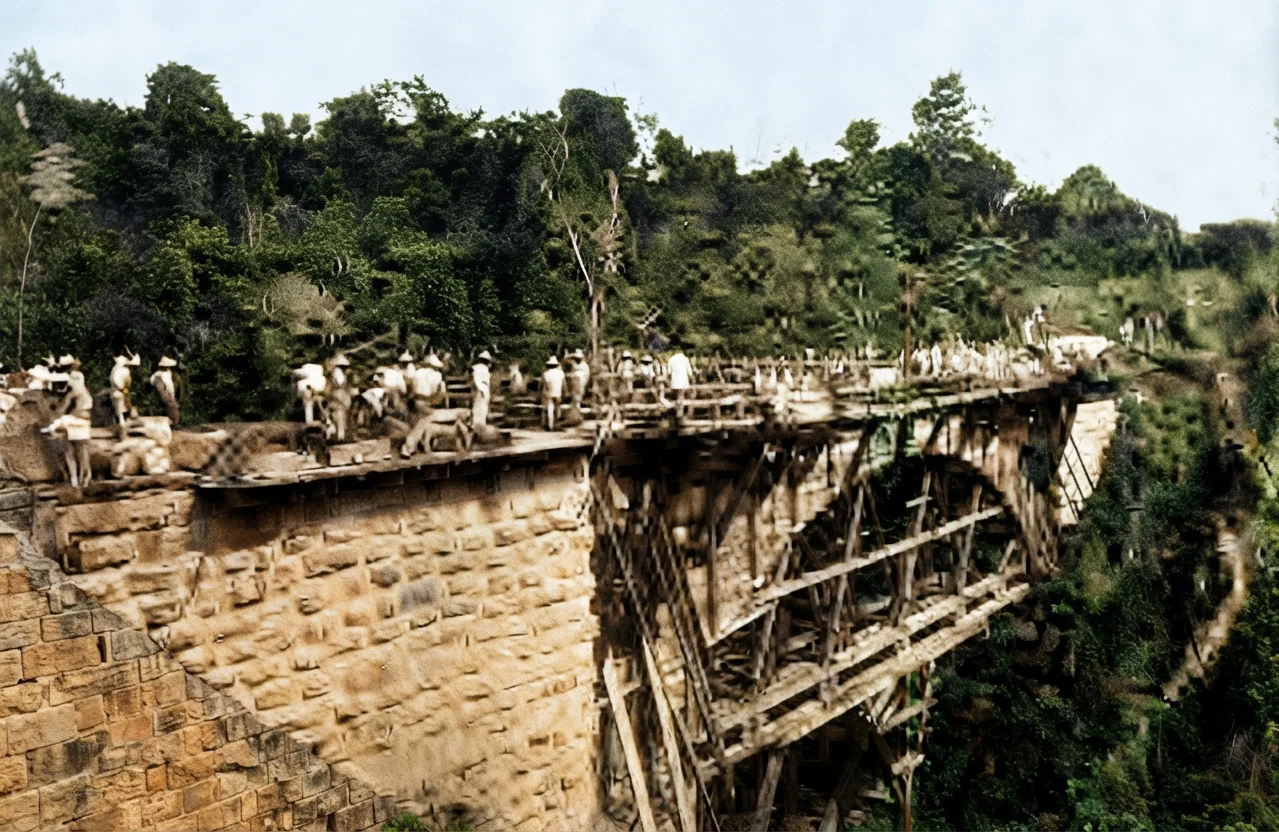
Constructing Bridge of Toa Alta-Corozal Road, Porto Rico.
The work of the Seventh-day Adventists began after the work of the other denominations was established, therefore we were not only unwelcome, but were told that there was no place for us. One of the leading ministers offered to use his influence to secure for me a place in a mining company that was beginning to operate here a little at that time; but we neither returned home nor accepted the proffered position, for we knew that the Lord had sent us with a message for the people and that the restrictions of man must not hinder our work of proclaiming to all the great message of the soon-coming Lord.
Thru the lack of stability on the part of the people we have raised up no strong churches, but, by the help of the Lord, we have gone to the remotest corners, and talked with the people, and carried them the printed page, until our doctrines are well known in every part of the island.
In concluding this article, let me say that I love Porto Rico, and I love her people. They have taught me many precious lessons, and the cry of my heart is that I may so live before them that they may seek the Saviour whom we in our weakness try to represent. B. E. CONNERLY.