Sunday Laws and the Presbyterian General Assembly.
THE Presbyterian Church held its one hundred and twentieth general assembly in Kansas City, Mo., commencing May 21. It came to the city when Judge Wallace had his Sunday-law campaign running at about its strongest, and as might have been expected, he was asked to address the assembly. Some of the judge's utterances on that occasion are worthy of comment, since they show the manifest tendency of this time:
"The laws of the United States are ruled by Christianity. The church needs not go to the state for an enforcement of its laws regarding the sabbath, because the law of the church is the law of the state. Especially is this true in Missouri. The Sunday law is taken from the Fourth Commandment and we have decision after decision behind us in this matter.
"The same as the law for the punishment of a murderer is taken from the Decalogue, so is the law of the sabbath. This day is set apart by God for a day of rest."
"The defamers may say that the sabbath can not be observed by law and that the Sunday laws can not be executed, but I stand as an example before you. I tell you that the sabbath is to-day observed in Kansas City. It is enforced by law."
"The law is not enforced vindictively. The railroad trains and the street-cars, parts of our strenuous commercial existence in the United States, are permitted to run on Sunday. They are not stopped. The livery stables are open. People can get anything they want to eat or drink, provided there is no intoxicant in the liquid."
"The parks, the breathing spots for the people of the crowded districts, will not be closed. Those who do not see a blade of grass or a pretty flower can go to the parks and enjoy nature.
"I have eight more months to serve as criminal judge, and during that time the Sunday-closing law will be observed."
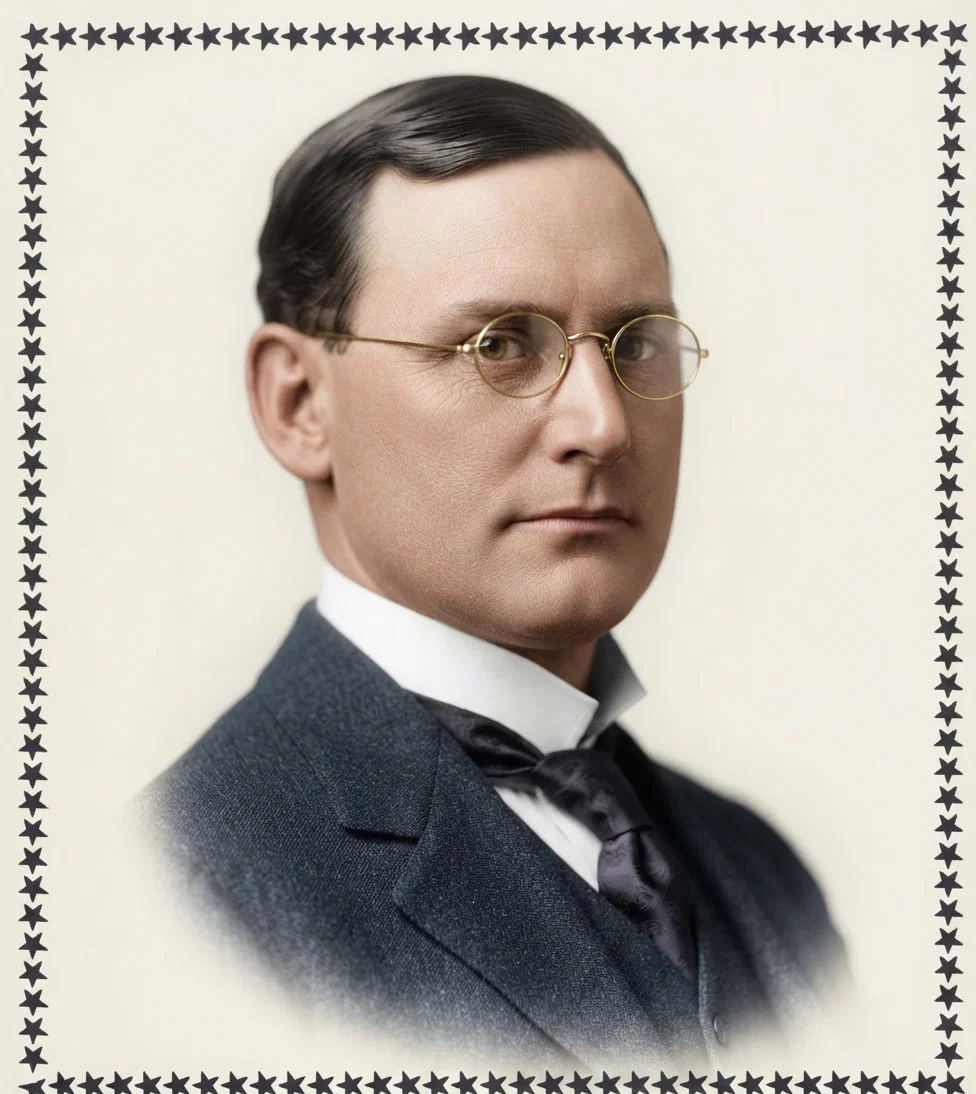
Joseph W. Folk, the Governor of Missouri.
"The sabbath is in jeopardy in the United States. From the gulf to the lakes old mammon is crying out. It is his best day. It is the best day for Venus to make way for lewdness. It is the best day for Bacchus and the brewers, and it all means destruction of the sabbath if the laws are not enforced."
The judge claims to get his Sunday law from the Fourth Commandment of the Decalogue. But the commandment speaks of the seventh day, or what is commonly called Saturday, and makes no mention of Sunday. And right here is where one of the greatest evils comes in when the attempt is made to enforce religious doctrine by civil law. In most cases the thing that God has actually commanded is swept aside and some substitute put in its place to be enforced by the human statute. And it is perfectly natural that this should be the case, for if men had the spiritual discernment that would enable them to see the truth just as God teaches it in His word, they would readily see the folly of enacting a human law to support a law that God Himself had made.
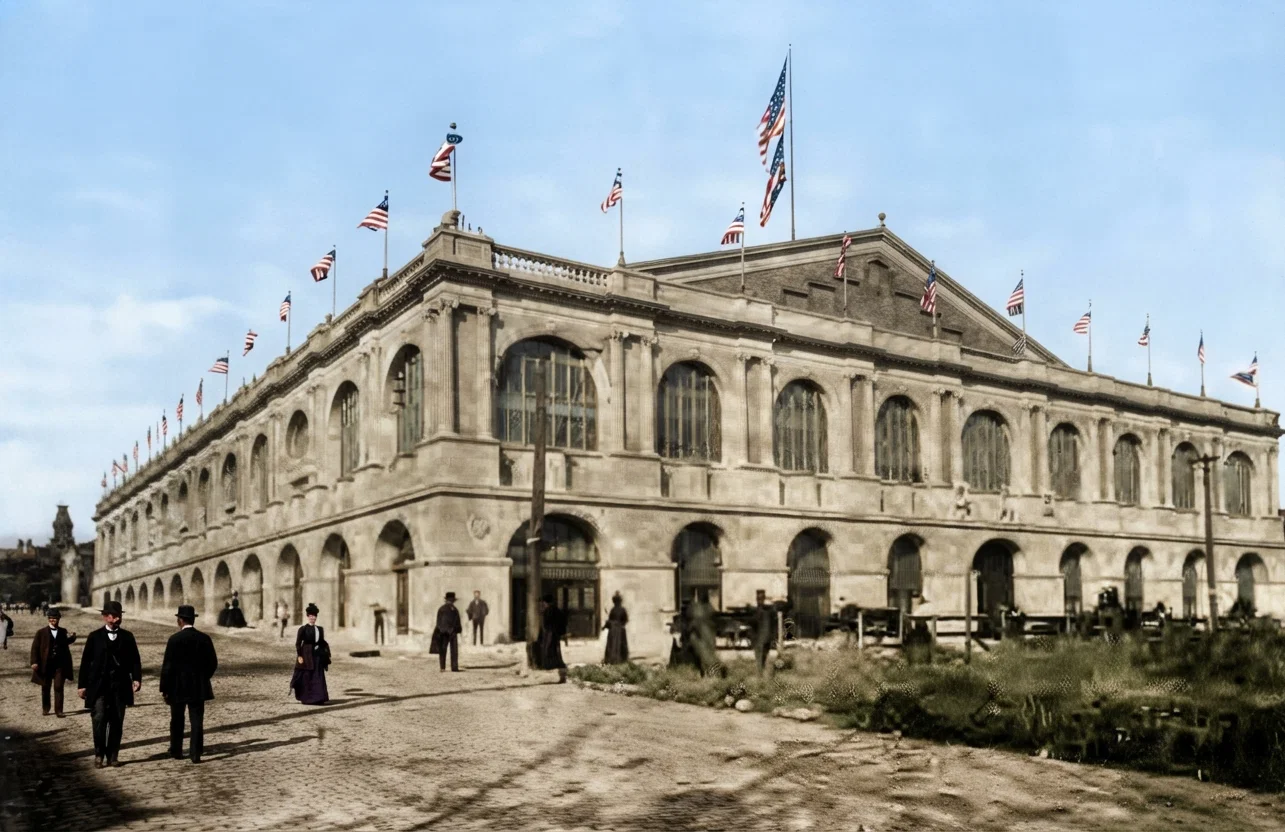
Convention Hall, Kansas City, Where the Great Presbyterian Assembly Was Held; Capable of Seating 15,000 Persons.
Men who are attempting to enforce "sabbath laws" for the good of mankind do not realize what they are undertaking. Sabbath observance is one of the highest forms of spiritual worship. Sitting still, or doing what men call "resting," is not Sabbath-keeping. The Sabbath of the Bible points to the Creator of the heavens and the earth, and calls upon men to worship Him because He is the Creator. The Sabbath of the Bible points out the Creator, and thus distinguishes Him from the lifeless gods that do not have the power to do anything, much less to create.
We are free to admit that men may compel their fellows to be idle on some day of the week, but idleness is not Sabbath-keeping. In order for men to keep the Sabbath, they must know the God of the Sabbath, and worship Him as their Creator. For no power short of that which enabled our heavenly Father to create the worlds is sufficient to create within the individual a new heart. The power that was in creation is the same power that is in conversion, and therefore no unconverted man can truly observe the Sabbath.
Mr. Wallace says, "I tell you that the sabbath is to-day observed in Kansas City." Then he proceeds to tell us how it is observed. "The law is not enforced vindictively. The railroad trains and the street-cars, parts of our strenuous commercial existence in the United States, are permitted to run on Sunday. . . . The livery stables are open. People can get anything they want to eat or drink, provided there is no intoxicant in the liquid."
Now let us look into the above statements a little: The judge has already told us that the authority for the Missouri Sunday-law is the Sabbath-commandment of the Decalogue. That commandment states, "Six days shalt thou labor, and do all thy work; but the seventh day is a Sabbath unto Jehovah thy God: in it thou shalt not do any work, thou, nor thy son, nor thy daughter, thy man servant, nor thy maid servant, nor thy cattle, nor thy stranger that is within thy gates." Ex. 20: 9, 10. Now if we were to admit that Sunday is the day the commandment refers to, how could it be made to appear that running street-cars and railroad trains, and livery stables and the like could be passed over when the law of God plainly says, "Thou shalt not do any work"?
This is only a sample of the folly of all human legislation when it enters the field of a man's duty to his God. The supporters of these laws will become very enthusiastic in talking about how they have made their statutes to harmonize with the law of Jehovah, but when their acts are brought before that law they are shown to be very wide of the mark. They will make allowances and excuses for "strenuous commercial existence" which in truth can not be made if a correct character is to be formed. This "strenuous commercial existence" can so blindfold minds that they will say that running cars and livery stables and so on may be made an exception to a divine law which says, Thou shalt not do ANY work on the Sabbath day.11
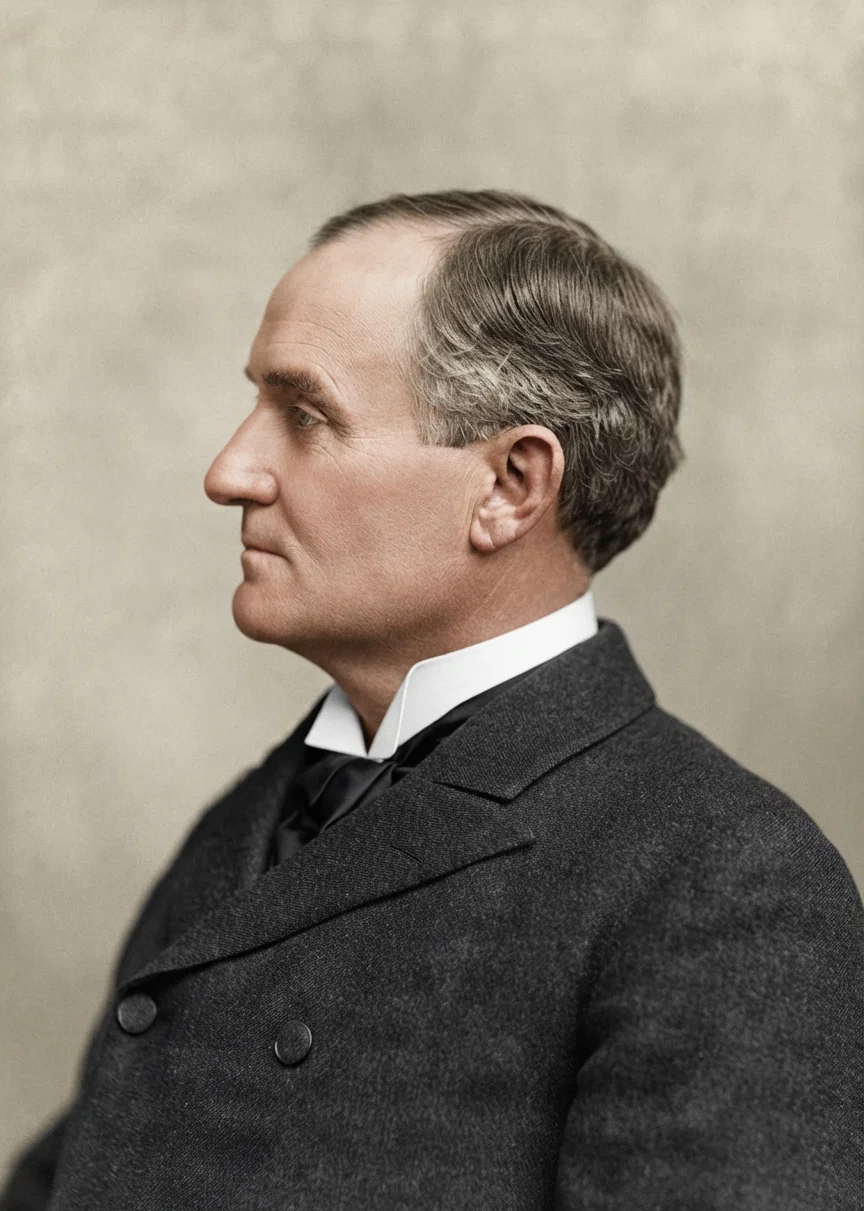
the Judge Wm. H. Wallace, of the Criminal Court, Kansas City.
Judge Wallace refers to the drunkenness and lewdness that are indulged on Sunday. There is no questioning the existence of these evils. But compelling men to be idle on Sunday will not help that matter. It requires a strong character to be freed from toil and yet be able to keep out of the vices of idleness. And that is the reason why every one should recognize that Sabbath-keeping must carry with it the very highest forms of spiritual worship. If it does not have this worship, it is simple idleness, and the way is opened all the more strongly for the very lewdness and vices that the judge decries.
It is hoped by the Sunday-law advocates that they will be able to put an end to drunkenness and lewdness by compelling Sunday rest. But these things will go on just the same after the Sunday laws are all made. Then it will be seen that one more thing is needed and that is a law to compel people to attend church on that day. That is the next logical step. It may seem absurd to think of such a thing in these days when men can talk so fluently of religious freedom, but just watch the developments. Laws to compel people to attend church followed Rome's first Sunday law, and why should we expect anything different in the United States? T.