Keeping Cool in Warm Weather

3%

Pacific Press Publishing Association · Mountain View, California · Jun 2, 1914

FromSigns of the Times, Vol. 41, No. 21.

Read the full edition

Keeping Cool in Warm Weather

Kind of Foods Best for Health in Summer-Time The Amount We Eat Is Important—Heat-Strokes and Various Summer Diseases May Be Avoided
By Daniel H. Kress, M. D.
THE warm weather is here. Many persons think they must go to the seashore or to the mountains in order to keep comfortable. It is possible to be comfortable at home, provided you know how.

THE HUMAN BODY AND CHANGES OF TEMPERATURE

The human body is a wonderful piece of mechanism. It possesses the power of adapting itself to changes in external temperature in such a way that the temperature internally remains always practically the same.
The internal temperature is maintained by means of the nervous and the circulatory system. The temperature of the liver, and of some of the deeper muscles, in which the greatest amount of oxidation takes place, ranges from 102° to 105° Fahrenheit, while the mucous membrane of the mouth has a temperature of only 98.6°, and the temperature of the skin is still lower.
The heated blood from the internal organs and muscles is constantly brought to the surface for the purpose of cooling. The cooled blood is then carried back again, to aid in keeping cool the internal organs.
When the weather is cold, impressions are made upon the sensory nerves of the skin to that effect, and these impressions are in turn conveyed to the blood-regulating centers. As a result, the surface vessels contract, and less blood is permitted to be brought to the surface for the purpose of cooling. This accounts for the white skin or goose-flesh appearance noticeable on a cold day.

ALCOHOL AS A HEATER

Some have imagined that alcohol has a warming influence in cold weather, because when under its influence a sensation of warmth is experienced. This is deceptive and unreliable, for there may be a feeling of warmth when the internal temperature of the body is actually lower. Alcohol, by paralyzing the vasoconstrictor nerves, causes dilatation of the blood-vessels of the skin, thus permitting a greater flow of blood to the periphery. The increased amount of warm blood in the periphery produces a sensation of warmth to the nerves of sensation. While there exists a sensation of warmth, the blood is rapidly cooling. In a drinking man the internal temperature may be several degrees below normal, and the person be unconscious of it. Drunkards exposed to cold and in danger of death do not as a rule appreciate their danger.

HOW THE BLOOD IS COOLED

While in cold weather the blood supply to the surface is shut off to some extent, in warm weather the peripheral or surface blood-vessels and capillaries dilate, and permit a larger flow of blood to the skin for the purpose of cooling. This accounts for the red, flushed faces and the swollen hands. The cooling of the blood is brought about by the increased evaporation of moisture from the surface. On a warm day, an adult may give off from two to four pints of moisture every twenty-four hours, and yet not perspire sensibly. If the weather becomes very hot, more moisture oozes out, and becomes visible on the skin. The moisture on the skin answers the same purpose to the body that the moist cloth surrounding a pitcher of water on a warm day does to the pitcher. Evaporation keeps it cool.
In tropical countries, drinking water is usually kept in cloth bags, and hung up so that the breeze can get at it. No matter how warm the breeze may be, it will aid in cooling the contents of the bag. Men and women who do a moderate amount of work, and perspire some, suffer less from heat than do those who sit around and talk about the heat, trying to keep cool. Alcohol, by paralyzing the nerves of sensation, makes one less conscious of the heat, but by encouraging dilation of the capillaries still further, especially the capillaries of the brain, is responsible for many of the heat-strokes during summer months.

WARM-WEATHER DIET

Diet is an important factor in keeping cool on a warm day. In cold weather, we feed our furnaces or stoves, in order to keep our houses warm. In warm weather, less fuel is required. The human body has within it a furnace and an automatic stoker or fireman. When impressions of cold are made upon the skin, they are communicated to the heat-regulating centers in the brain. Consequently a greater amount of fuel is automatically fed to the body furnace, and a greater amount of heat is produced. This calls for a greater amount of food.
In warm weather, it is not uncommon for people to eat the same kind of food and the same quantity they eat in cold weather, and then the fans have to be kept going to keep them from burning up. The lack of energy experienced during the summer months is frequently due to the clogging of the furnace with clinkers, or excess of fuel, and not, as is supposed, to too little food. In order to feel fit and to keep comfortable, it is necessary to eat less.

THE APPETITE CHANGES

In warm weather, the digestive organs can not digest the same quantity or quality of food that they are capable of digesting in cold weather. Wisely, therefore, nature takes away the desire for many of the solid foods, and furnishes us with greens, vegetables, and fruits.
Dogs fed on the same amount of meat in warm weather as in cold weather become ill. The cat has epileptic fits if no change is made in her food in warm weather. She can not eat the same number of mice or rats. Much of the summer sickness is due to the absorption of poisons, resulting from the decay of unsuitable foods in the alimentary canal. Summer diarrhea is chiefly due to this cause. The free use of meat is therefore not only unsuitable, but dangerous, in hot weather. Highly albuminous foods, such as beans, lentils, and eggs, which readily undergo putrefactive changes, should be used sparingly.

VALUE OF FRUITS IN SUMMER

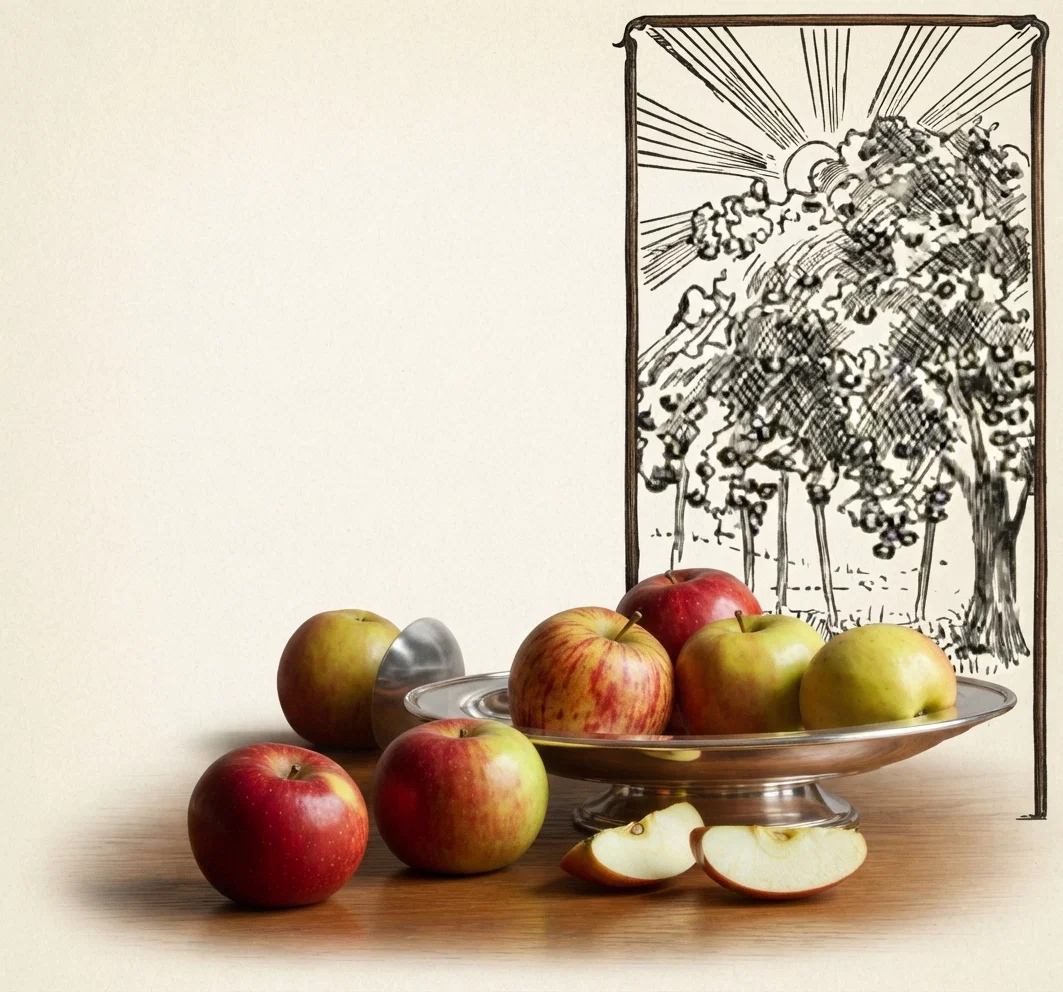
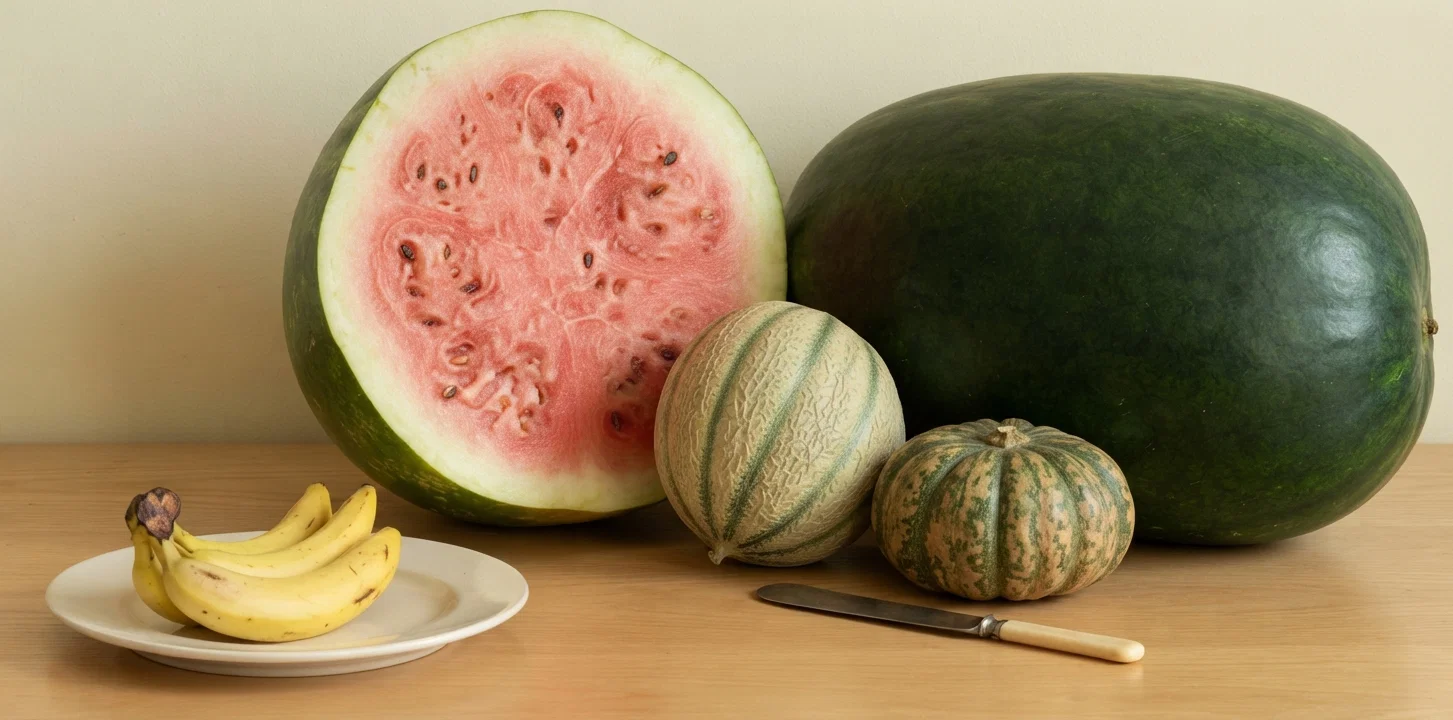
Fruits are, of all foods, the best during the summer months. The food elements in fruit are served in a form to require very little effort on the part of the digestive organs to prepare them for absorption, while the acids prevent putrefaction, and are aids in the digestion of the albuminous food that it may be necessary to eat in addition to the fruit. They also contain liquid in the purest form obtainable to supply the needs of the body. Super-cooked vegetables, such as cabbage, ferment readily, and should be used sparingly.
In warm weather, the diet should be composed largely of cereals and fruits, with some additional wholesome relish. Salads made of raw vegetables, as cabbage, celery, lettuce, etc., are appetizing and healthful. It is best to eat foods in as natural a state as possible.

EXTERMINATE SUNSTROKE

Should this regime be followed, there would be less summer sickness, and sunstroke would be practically unknown; and the outlay of means to go to a cooler climate in order to keep comfortable, would not be necessary.

THE CLOTHING

Linen or cotton underwear is preferable to any other, during warm weather. Light, thin, and loosely woven inner and outer garments allow free access of air, and permit free evaporation of moisture from the skin.
Anger, anxiety, and nervousness intensify the heat. Self-control is a most important aid in keeping cool. By planning beforehand the work of each day, and then performing it in a quiet manner, comfort may be experienced even in warm weather. Periodsof complete relaxation should be taken at intervals during the day. A few minutes of complete relaxation before meals will also be found beneficial.