Great Anti-Saloon Convention Ten Thousand Strong—Growth and Strength
of the Foes of the Liquor Traffic—United
Action Bringing Results
By L. A. HANSEN
Special Correspondent for the Signs of the Times
SETTING a new record for attendance in numbers, and marking a growth in interest never before seen, the Anti-Saloon League of America held its sixteenth convention at Atlantic City, New Jersey, July 6-9.
This was a gathering of temperance forces such as has never before been known, calling together about ten thousand people from all parts of the country, and representing all walks of life. Besides the many leading platform speakers and other temperance workers, there were present men prominent in politics, business, education, philanthropy, medicine, science, literature, and other important callings.
A REVELATION OF STRENGTH
The convention disclosed a growth of temperance sentiment that was a revelation. While the enormity of the battle against the legalized traffic seemed to be fully realized, there was also seen a mustering of fighting forces, possessing a store of ammunition, that gives sure promise of victory.
National prohibition by 1920 was the sounding note of the convention. A statement holding prominent place was, "The Anti-Saloon League forces are working not merely for a law to create a condition, but rather for a condition which will support a law." That this condition is fast creating, seemed quite apparent from the reports given of progress already made, and from the program outlined of future movements.
PRESENT GROWTH
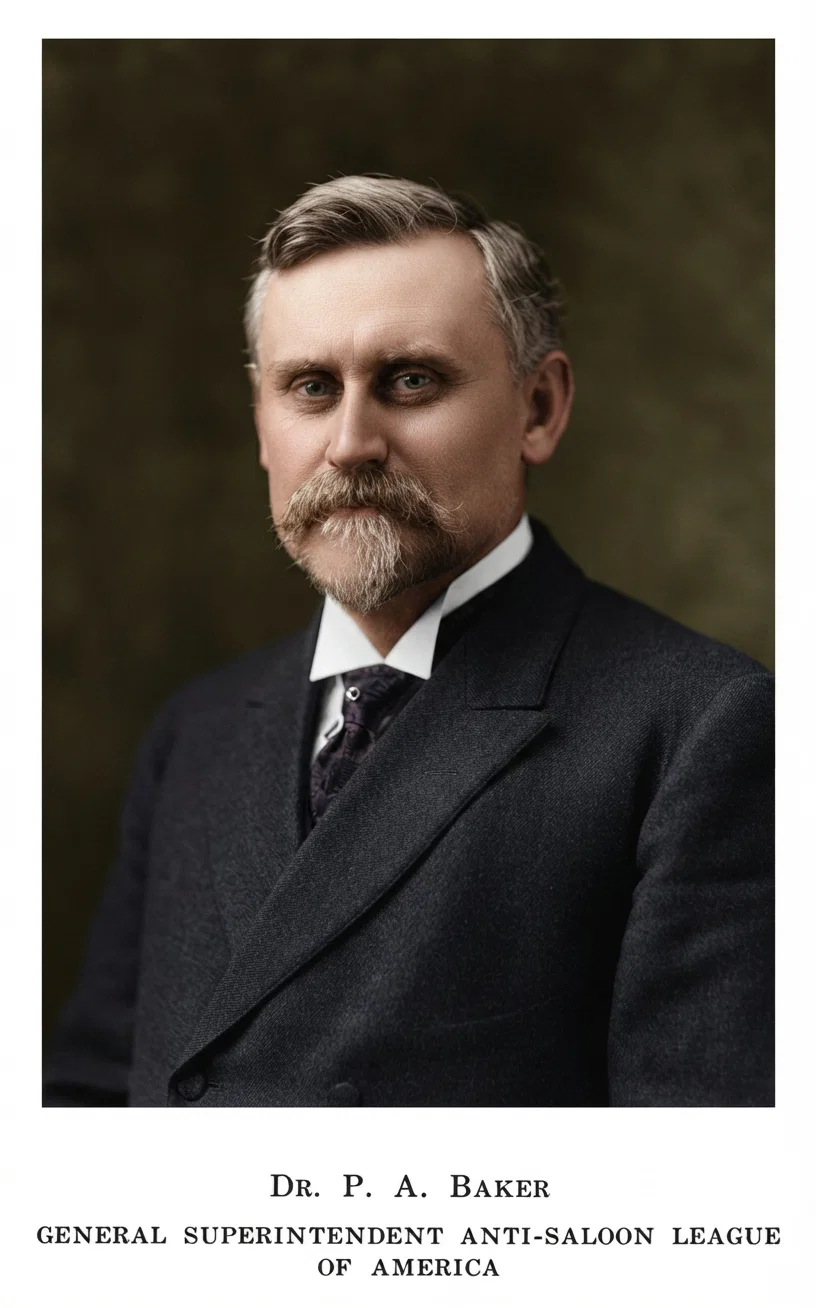
The report of the general superintendent, Dr. P. A. Baker, showed great progress in the last two years. The last eighteen months have broken all records for gains in the prohibition cause, not only in this country, but throughout the world.
"In this country," said Dr. Baker, "hundreds of towns, townships, and counties have abolished the saloon, and nine entire states have joined an equal number in the past ten months in the march toward a saloonless nation."
The superintendents from almost all the states of the country also gave reports of conditions in their respective fields.
These reports were encouraging, though they did not in every instance claim victory. The fact that it is a case of hard fighting was apparent throughout; but it was also seen that steady gains are being made in almost every state, and that with the present rate of progress, it will not be long till the entire country is voted dry.
Nearly every speaker made reference to the changed conditions relative to the public consideration of the liquor question. Various ones told of the reinforcements that have come to the temperance cause from many quarters.
HARD FACTS
While oratory flowed freely in the hundred or so set speeches that were given, there were fact and argument in all, enough to carry conviction to any skeptic who might question whether the liquor traffic is an unmitigated evil. Every speaker seemed a specialist in his line, and demonstrated that he knew his ground. No ground was left for the liquor interests.
The value of prohibition as already demonstrated in various states and communities where it has been fully tested was presented as one of its strongest arguments, one that cannot be controverted by any of the representations of the liquor interests. With prohibition in so many places at present, and with it so long in some places, there is now seen a force in its favor that is cumulative, and that grows constantly more powerful in hurrying on nation-wide prohibition.
Facts from science, proving the unquestionable damaging nature of alcohol; facts from economic experts, showing the great wastes caused by the drink evil; facts from municipal reports, telling of the civic losses occasioned by the saloon; facts from political leaders, demonstrating the corrupting influence of the liquor traffic; facts from everywhere,—told the story of ruin and devastation in the wake of the arch destroyer, till the hearer could but wonder at the spell of the power that delays a moment in putting an end to the whole thing.514That the convention was an occasion worthy of special notice was seen in the fact that from thirty to forty metropolitan newspapers had special correspondents on the ground, and gave liberal space to reporting the proceedings. Newspaper accounts were singularly free from anything savoring of jest or ridicule, and gave publicity to the convention as a gathering of earnest men and women engaged in most serious consideration of a tremendous problem.
This attitude of the press was seen notwithstanding the fact that convention speakers gave free expression to the charge that the newspapers of the country have been largely representing the liquor interests, under liberal pay.
The enthusiasm displayed by the convention speakers and hearers was marked. Statements prophesying further triumphs received cheers that spoke victory. Financial help was pledged that would go far toward meeting the large amount of money used by the liquor people in their efforts to stay prohibition.
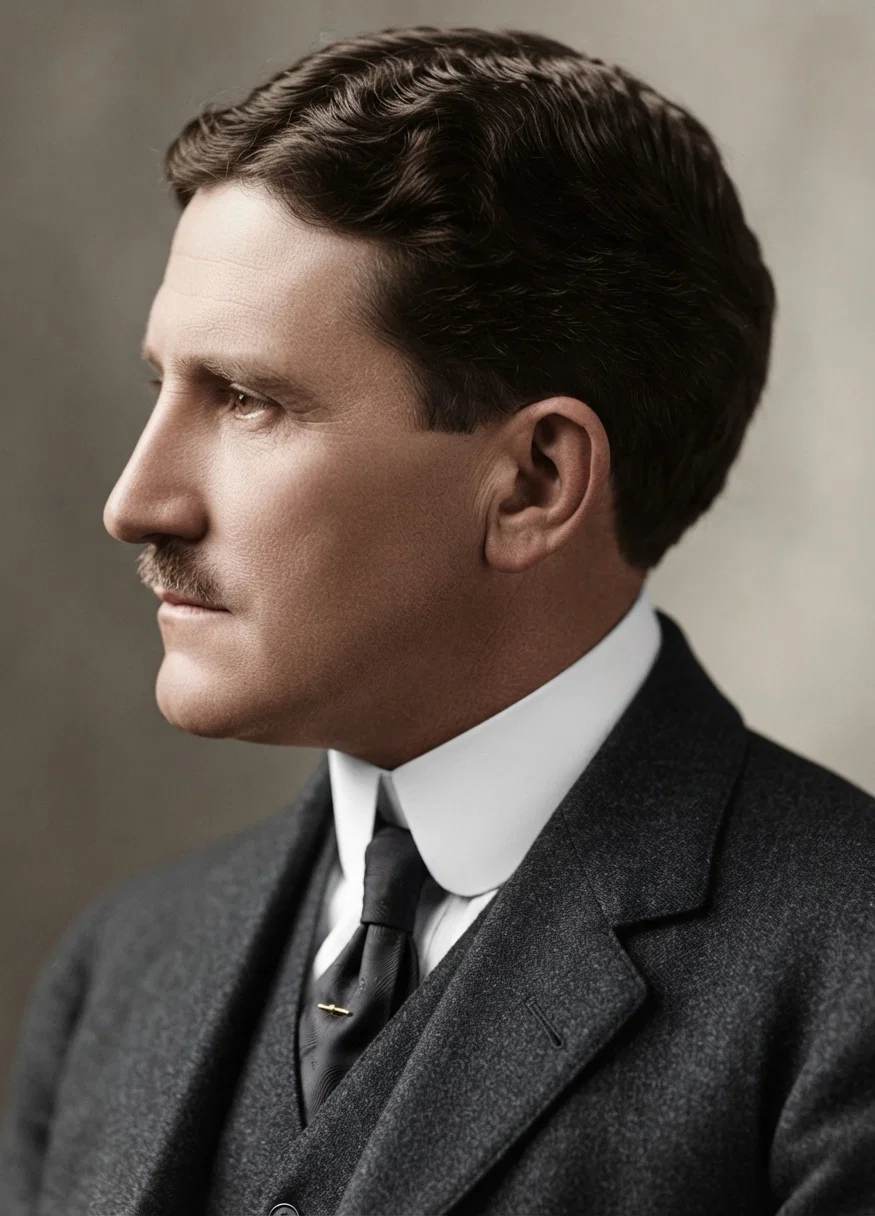
Photo by Baker Art Gallery
DR. P. A. BAKER
GENERAL SUPERINTENDENT ANTI-SALOON LEAGUE
OF AMERICA
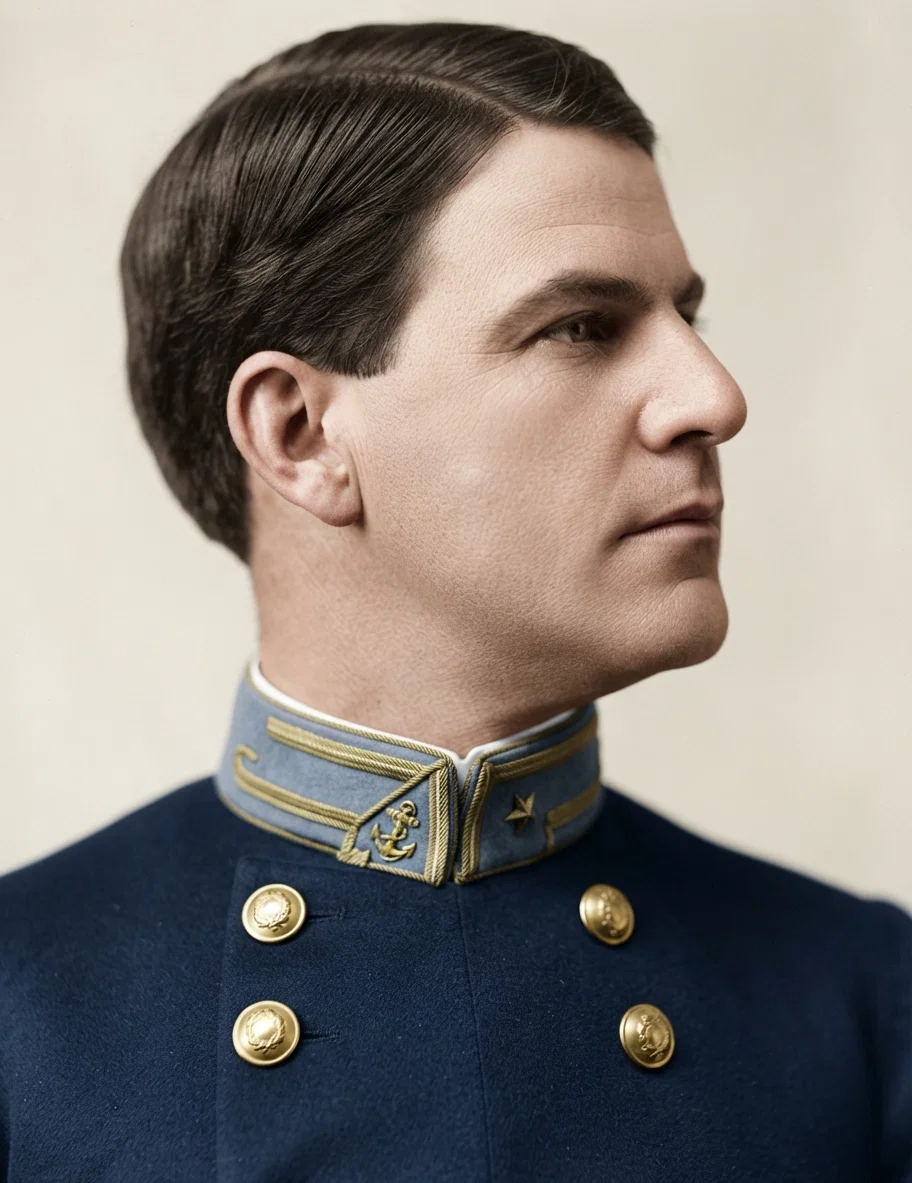
THE HON. RICHMOND P. HOBSON
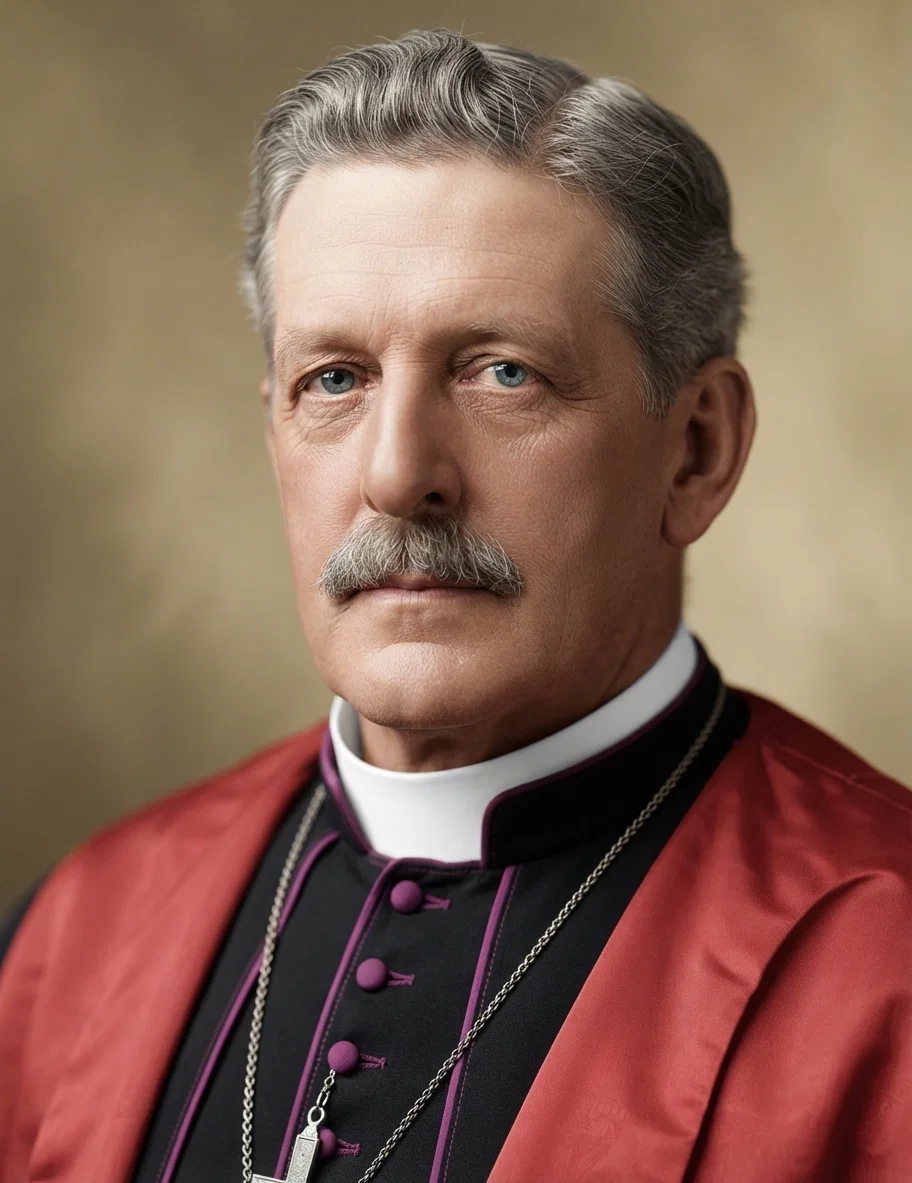
BISHOP L. B. WILSON President Anti-Saloon League of America
The Catholic Prohibition League also held a convention at the same time, this being its first gathering since its organization a year ago. Leading speakers took part in the Anti-Saloon League program, as presiding officers and as speakers. A resolution was adopted pledging co-operation to the work of the Anti-Saloon League. This was received with great cheering.
The Catholic speakers stated that while that church had held itself aloof from organized temperance movements, there was no good reason for doing so. Strong appeal was made to the Catholic membership to join forces with the movement to abolish the saloon.
This was the first time that Catholics and Protestants had thus united on a temperance platform, and the occasion was regarded as promising a speedier victory. The state superintendent of Louisiana, in giving his report, declared that if the Catholic clergy would throw its influence against intemperance, and would rally its membership to a fight against the saloon, the liquor problem would find much readier solution.
POLITICS VERSUS THE SALOON
"In order to get clean politics, let us get rid of the saloon," was the proposal of J. Denny O'Niel, of Pittsburgh, Pennsylvania, a man who has been in active politics for about twenty years. Giving force to his remarks by recital of experiences, he arraigned the liquor interests as corrupters of politics and politicians. He stated that all "ballot box stuffing," "repeating," and all attempts to bribe and debauch public officials, originate in the saloons.
That the saloon has been the dominant issue in American politics was asserted by other speakers. That the game of politics is to be played by the temperance forces was made clear—not that the Anti-Liquor League is to be partisan in its political adherence, but that candidates for public office, from the presidency down, must show themselves as opposed to the legalized liquor traffic before they can count on the support of the temperance people.
This significant statement was quoted: "No presidential bee can live in alcohol." The rumored candidacy of certain men who are known to be liquor supporters, received attention; and notice was served that, regardless of party affiliations, Anti-Liquor Leaguers would oppose them. Richmond P. Hobson stated that if necessary a new party should be formed.
VOTES FOR WOMEN
That the question of woman's suffrage is to play a telling part in the liquor fight appeared quite evident from the attitude of almost every speaker. Tribute of praise and acknowledgment of help were freely rendered, being loudly echoed by the rousing cheers of the audiences.
Men of prominent position argued for the ballot in the hands of women as a mighty factor in settling an issue that so vitally affects women and children.
The W. C. T. U. membership received a good share of credit for having greatly helped in bringing about the present success of the temperance movement. Although other and perhaps stronger organizations are now in the fight, these workers will still continue their efforts as a body.
RESOLUTIONS
The convention unanimously adopted a number of resolutions submitted to it by the board of directors, covering among other things the following:
Appreciation of the changing attitude of some newspapers and magazines in refusing to accept advertisements and in giving larger space to instructive consideration of the liquor question.
Recognition of the assistance rendered by medical science in propagating scientific truth concerning alcohol; also of the entry, in the prohibition arena, of manufacturing and business interests.
Urging upon temperance forces everywhere the importance of securing action by state and local boards of health warning the people against the use of liquor as against every other disease-breeding pestilence that preys upon the public health.
Modification of civil service laws to permit government employees to take part in local option and prohibition campaigns.
Barring all intoxicating beverages from interstate commerce.
Prohibiting the use of the mails by newspapers and periodicals carrying liquor advertisements.
Prohibition for the District of Columbia, Hawaii, Alaska, Porto Rico, and the Philippines, by congressional enactment.
Submission of a national prohibition amendment to the people.