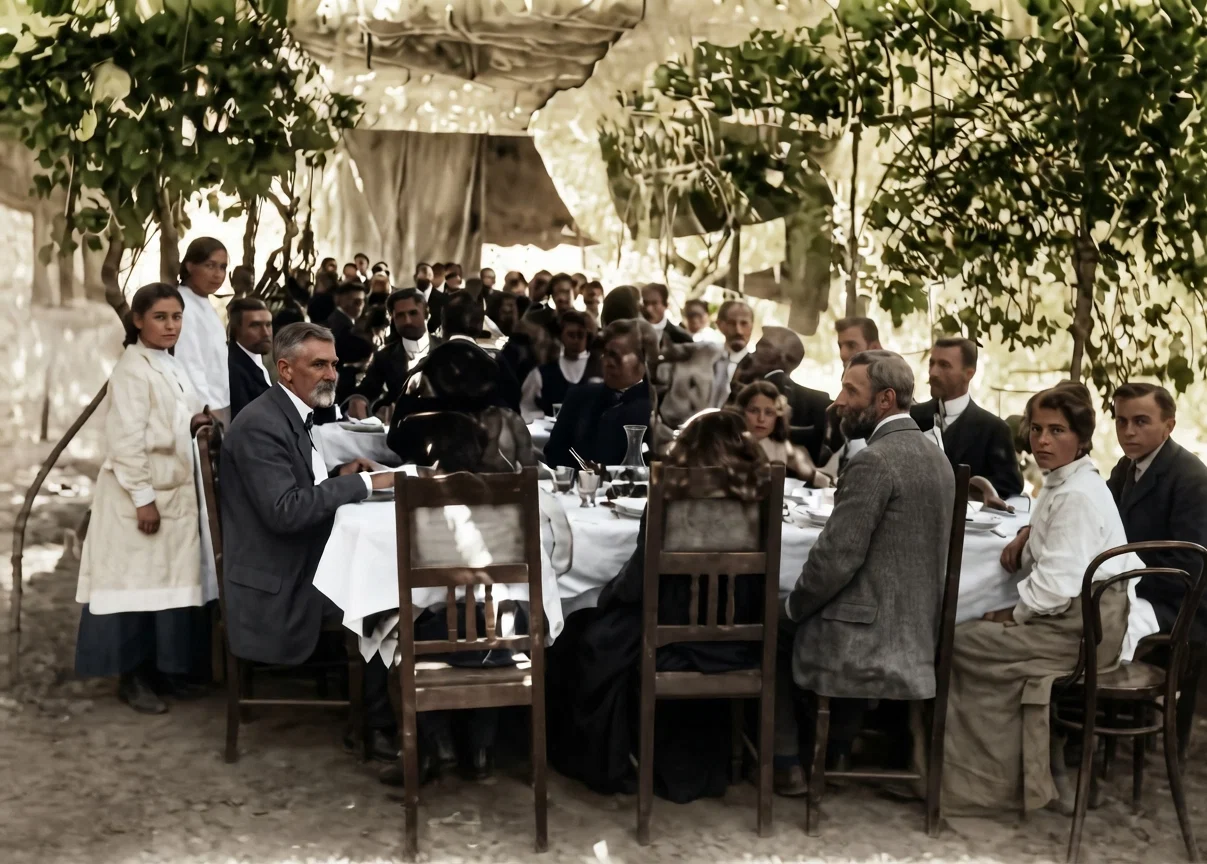
THE fourth biennial session of this conference was held according to appointment at Santiago, Chile, February 22 to March 2. The Chile brethren had rented a large private dwelling for the purpose, which provided commodious quarters for both the meetings and the visitors. The sessions of the Chile Conference being held at the same time, a goodly number of brethren from various parts of Chile were also present. Including the union conference committee members, twenty-two delegates were seated. All the fields and special interests were represented, except the sanitarium work, it being possible for Dr. R. H. Habenicht to leave. On account of the revolution in Ecuador, Elder W. W. Wheeler reached the meeting late. Brother F. A. Stahl was called home to Bolivia early in the meeting, his wife being seriously ill with typhoid fever. Besides the delegates from Peru, four other laborers were present. From the General Conference, Elder W. A. Spicer attended.
The meeting partook of the nature of an institute as well as of a conference, the former beginning several days before the latter. Elder Spicer's instruction was timely and highly appreciated by all. The Sabbath morning meetings will long be remembered because of the presence of God in power. Many said they had never experienced such blessings before. The result was that all consecrated themselves anew to God14and to the finishing of the work in this generation. For some time before and during the conference, evening meetings were held for the public, with a fair attendance. Several decided to obey the Lord. Reports of our meetings were also published in the daily papers of the cities.
Reports showed that the membership of the conference was 1,620, a net increase of 380 during the biennial term. The number of churches is forty-three. The tithe for the two years was $33,370.90 for the present territory of the union, while for the preceding two years it was a little more than $40,000 for the union including Brazil. The average tithe per member was $21.69. In other offerings there was also a steady increase.
DINING UNDER THE TREES AT THE SOUTH AMERICAN UNION CONFERENCE
The book work multiplied previous records many times. As more efforts had been put forth in the circulation of our large books, which has proved more remunerative to the canvasser, the circulation of our periodicals had suffered a slight decrease.
Several changes were made in our laborers. Elder W. W. Wheeler, superintendent of the Ecuador Mission, was called to serve as Bible teacher in the River Plate Academy. Elder S. Mangold, of Chile, will go to Ecuador to take Elder Wheeler's place. Elder Victor Thomann, of Argentina, will labor in Chile. Brother Cæsar Lopez, of Peru, will go to Ecuador to labor as a canvasser. Brother R. B. Stauffer will take charge of the canvassing work in Peru, and Brother John Lorenz will take the same work in Chile. It was decided to find at once a teacher for the Indian school near Puno, Peru, as the need is urgent, the school to be known as the Plataria School. A rowboat with sail is to be purchased for the use of the workers in the Lake Titicaca Indian Mission. A canvassing agent for the Argentine Conference was asked for from the General Conference; and also a missionary canvasser who can speak English to labor in the Magellan Strait region and the Falkland Islands, and to open up the work in those parts. For the year 1912 the Sabbath-school offerings are dedicated to the Peru Indian work and to the raising of a fund to support the Magellan Strait work. Nurses for the several fields are also asked for.
Both because it is more easily reached from the Alta Parana field and because it will give its workers ample room to work outside of Paraguay in times of revolution in the latter country,—a condition that has seriously tied their hands during the last two years,—the northern part of the province of Corrientes and the Grand Chaco of Argentina have been added to the Alta Parana Mission field.
The meeting was a most profitable one, and from the increased courage and consecration of the workers we certainly hope to see greater results.