THE material progress which Argentina is making is a marvel to the world, and is attracting hundreds of thousands of immigrants to her shores. Over 250,000 people from other lands entered that country during 1908. Argentina has a larger foreign trade than any other nation in proportion to her population. It amounted last year to $600,000,000, or $100 per capita, a net gain of $56,913,025 over 1907. Her total grain crop for 1908 was about 14,000,000 tons.
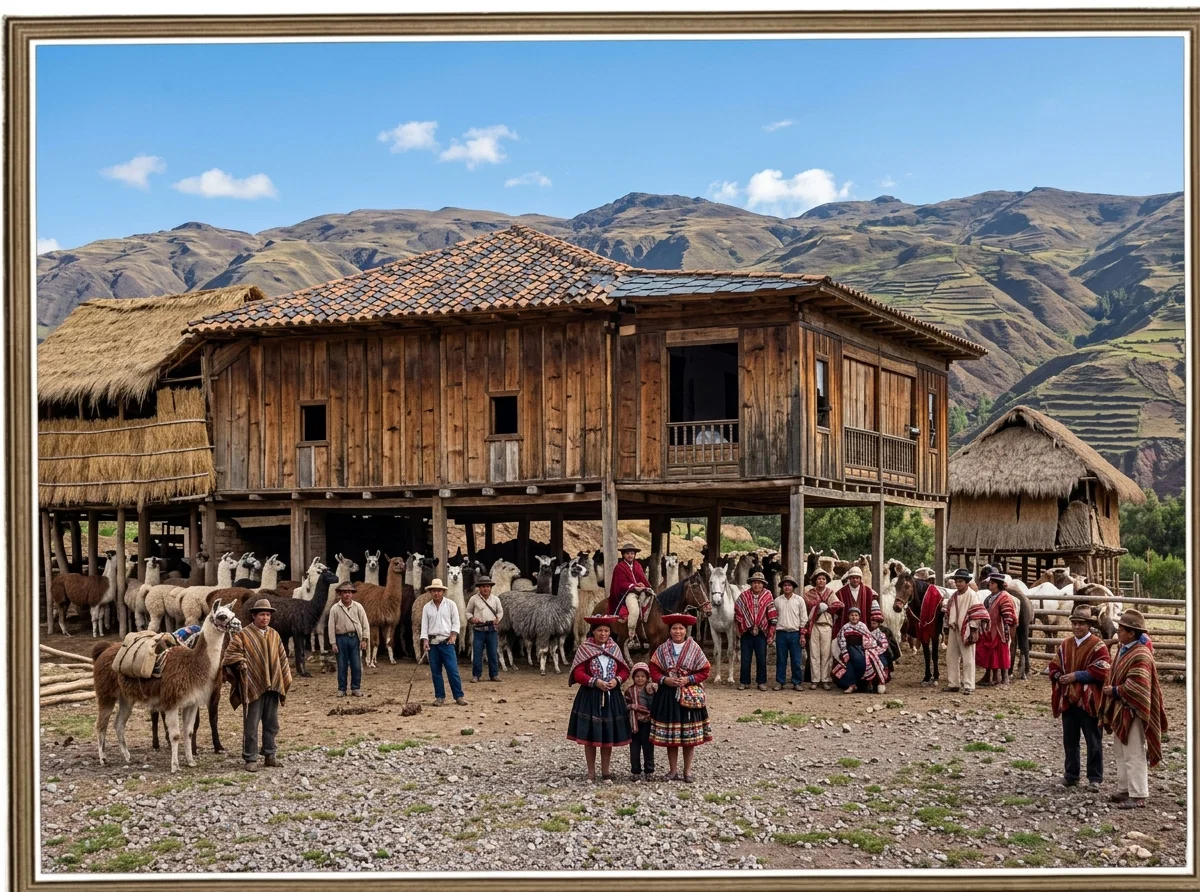
A COUNTRY HOUSE, PERU
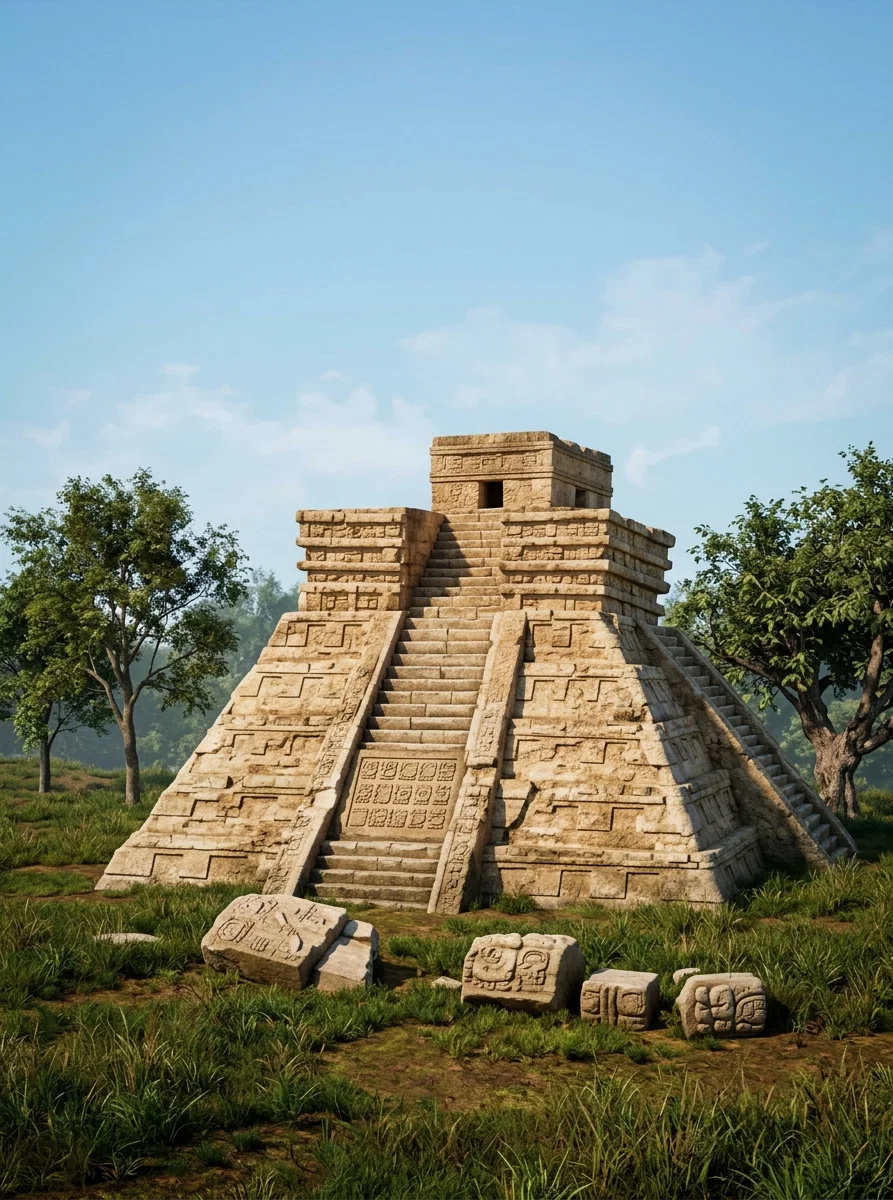
NEAR GUAYAQUIL, ECUADOR
At present there are 14,738 miles of railways in operation in the country, of which nearly 1,000 miles were added during 1908, representing a capitalization of $788,964,416. The net profits to the companies operating the roads amounted last year to $40,023,000. The number of passengers carried was 48,593,600.
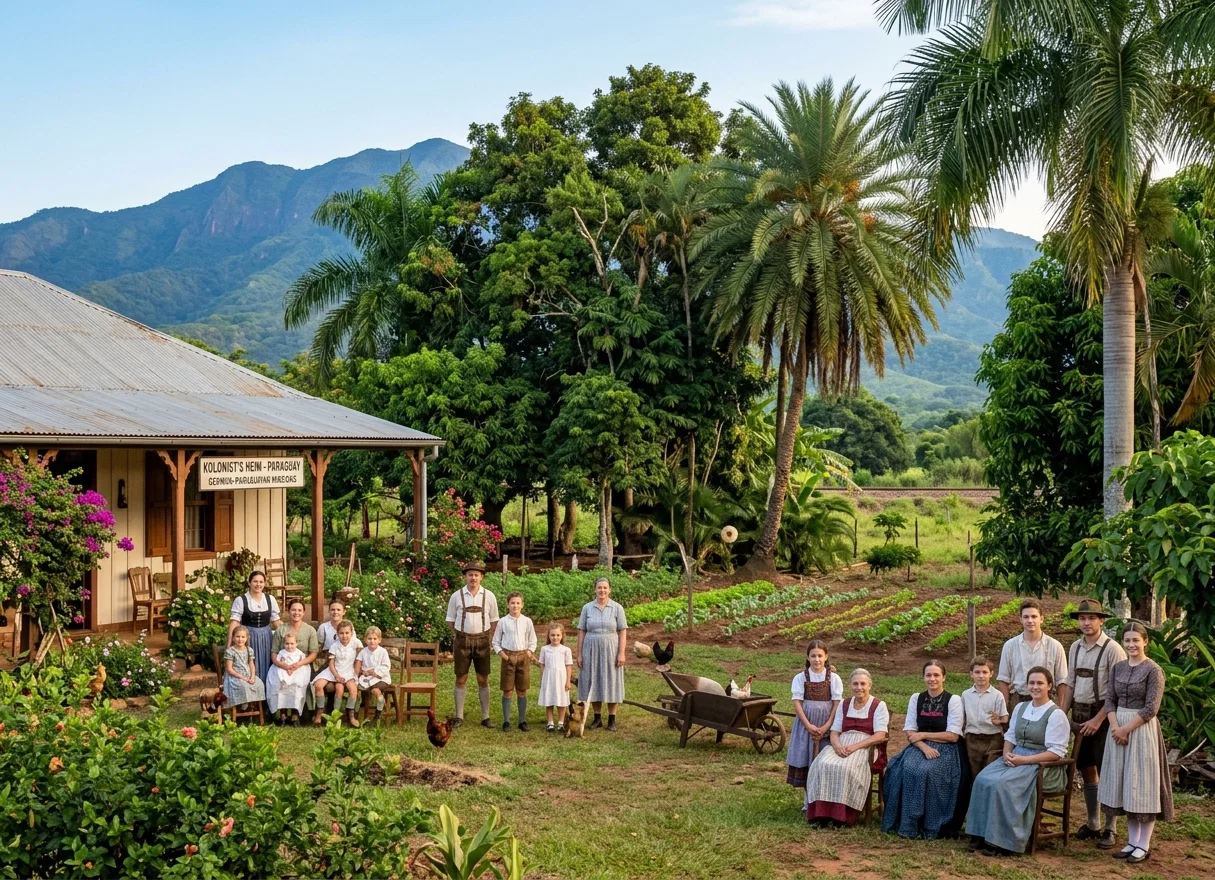
GERMAN COLONIST'S HOME, PARAGUAY
With the exception of a small gap—soon to be made up—over the summit of the Andes, the trip can be made by rail from Buenos Aires to Santiago, Chile, in forty-eight hours.
Buenos Aires, the capital city of Argentina, has a population of a million and a quarter people, and is growing rapidly. Paris is the only Latin city that outranks her in population. She has the finest system of docks and wharves in the world. She recently spent $40,000,000 in improving them. Her leading daily paper has the finest newspaper office in the world. From the top of the magnificent edifice a winged Mercury seems about to run with the news of the day to every house in the city.
And this “land of opportunity” and of progress is wide open not only for the capitalist and the immigrant, but also for the heralds of the last gospel message.
N. Z. TOWN.
Patagonia—The Far South
By Arturo Fulton
Older readers will remember that in the geographies they studied in school, the long, tapering point of South America bore the name Patagonia. This is now a part of the great Argentine republic. It is divided into territories, and is fast being opened up to settlement. At the lower tip on the Chilean side, our work has obtained an entrance. The past summer several of the towns, both on the mainland and on the island of Terra del Fuego, were visited by one of the Chilean workers, who had good success in putting many of our books in the homes of the people. Some of our stanch Uruguayan brethren have now gone to Chubut, one of the central of these territories, in order to take up land. Farther to the north, and about six hundred miles southwest of Buenos Aires, in the territory of La Pampa, or Great Prairie, there is a church of about twenty members, seeking to let the light shine out.
This country is being rapidly settled with German, Scandinavian, and Russian colonists, as well as with immigrants from the south of Europe. We believe it offers one of the most productive fields of our South America Union Conference. The time has come when these scattered settlers must hear the truth for these last days.
ARTURO FULTON.
Buenos Aires.
Book Colportage on West Coast
By T. H. DAVIS
I AM convinced that the time has come when we should work the large cities of South America with gospel literature. Now is the time to sell our books to these people, while they are throwing off the Roman yoke.
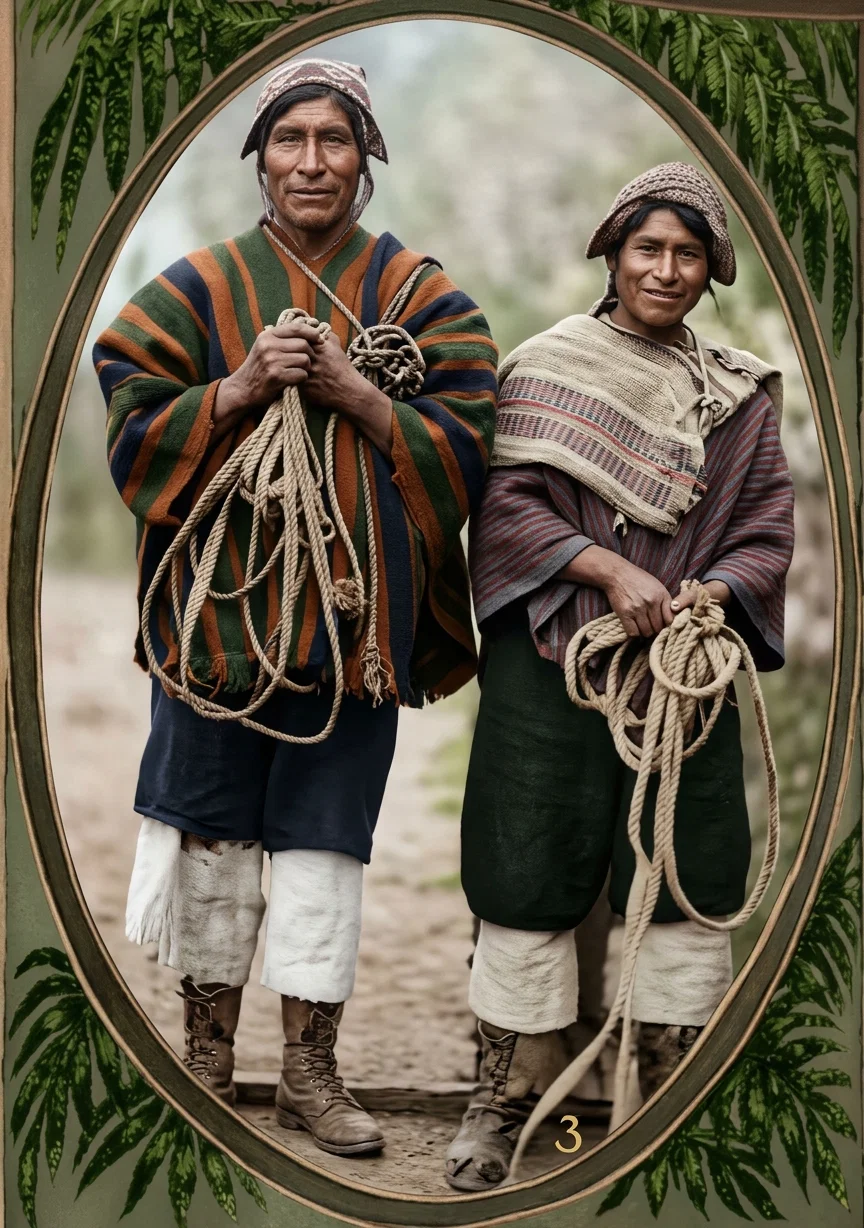
INDIAN CARRIERS, OF BOLIVIA
From personal experience, I can say that it pays to work the neglected cities. While canvassing for our large books in Valparaiso and Santiago, the Lord has blessed me with success. After that I tried Guayaquil and Quito, in Ecuador, with marked success. Lima, the capital of Peru, where I now am, is noted for the purest Spanish blood of South America, and for the greatest style. I always thought it would be the hardest field; but this has not proved to be the case. There is nothing that makes a person happier than taking orders or selling the printed page bearing the glorious gospel message.
One young man has just been canvassing in Concepcion, an interior town, where he was put in prison on a feast day, by the governor, for not taking his hat off while a religious procession passed. He had to spend twenty-four hours in jail, and was to pay twenty-five sols, but he refused to pay this sum. He talked to the governor and showed from the Bible that he was not guilty of any offense.
We call for young men from the States to canvass these larger cities for our literature. T. H. DAVIS,
Field Agent,West Coast.
SANITARIUM, IN PROCESS OF CONSTRUCTION
How a Sanitarium Grew Up on the Plains
By R. H. HABENICHT
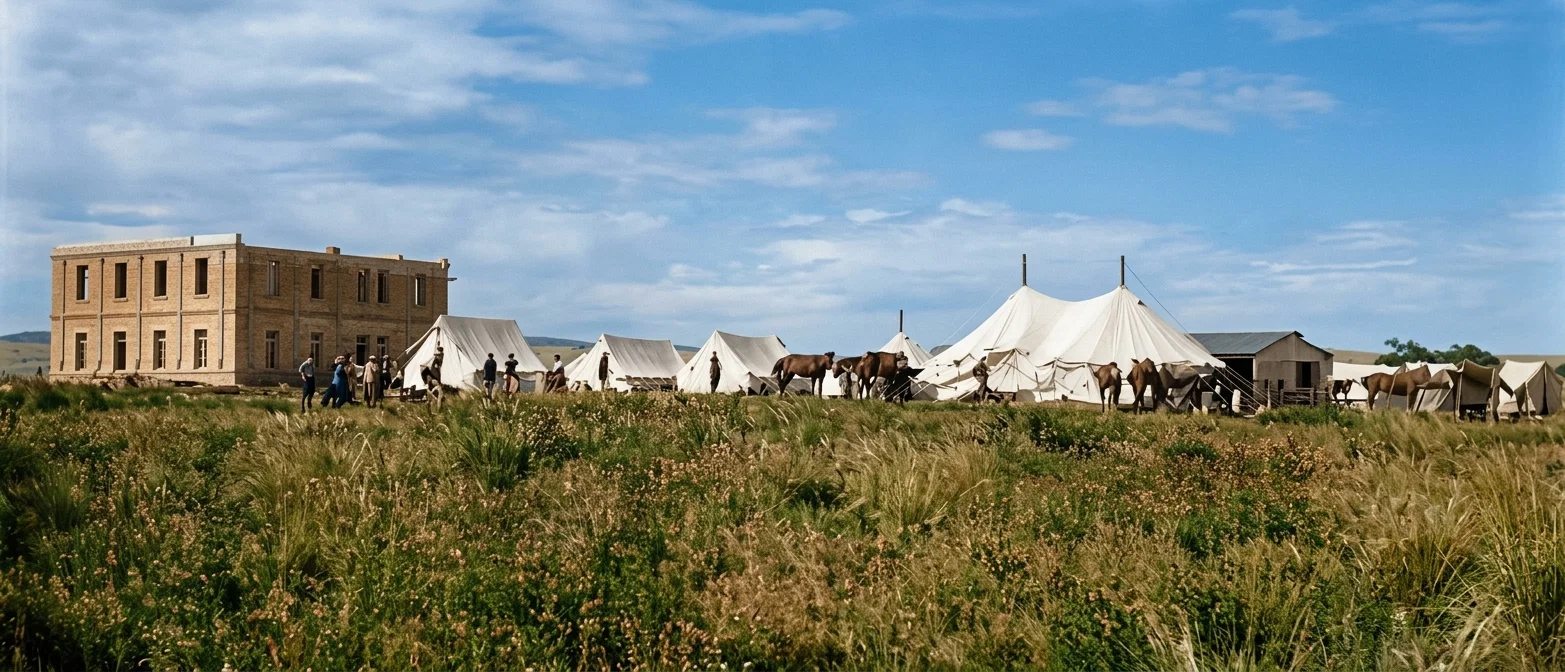
We have in South America a field that is certainly very needy. In the large cities there are a number of physicians; but out in the country and in the smaller cities and towns there is a crying need of medical missionaries.
Parana, the capital of our province (Entre Rios), has 50,000 inhabitants, and only five physicians; Victoria, with 20,000, has two physicians; Diamante, twelve miles from us, has one physician. We have ten railroad stations in the neighborhood, having a population of from 500 to 4,000, without a single physician. There are from 70,000 to 100,000 persons in villages of from 3,000 to 5,000 inhabitants, without a single physician to help them. We are located in the midst of this community.
I have at times traveled sixty miles in a wagon to see a patient, and upon returning home have found wagons waiting for me, with their patients, or waiting to take me off again in another direction, only to get back and find the people filling the house, as many as eighty coming in one day.
So we have worked, and the Lord has given success in bringing the message to the people. We can count a goodly number who are to-day rejoicing in the light of present truth because of what we are trying to do in our medical work.
Our home was used to receive the people; but during last summer vacation we turned our school building into a sanitarium. Within ten days every room was filled, until we did not have a place to take another person. Sometimes we had fifteen in one room.
Now we are pushing forward the building of a sanitarium, hoping to secure funds to complete it this year. We plan to make it also a training-school for missionary nurses.
R. H. HABENICHT, M. D.
Diamante, Argentina.
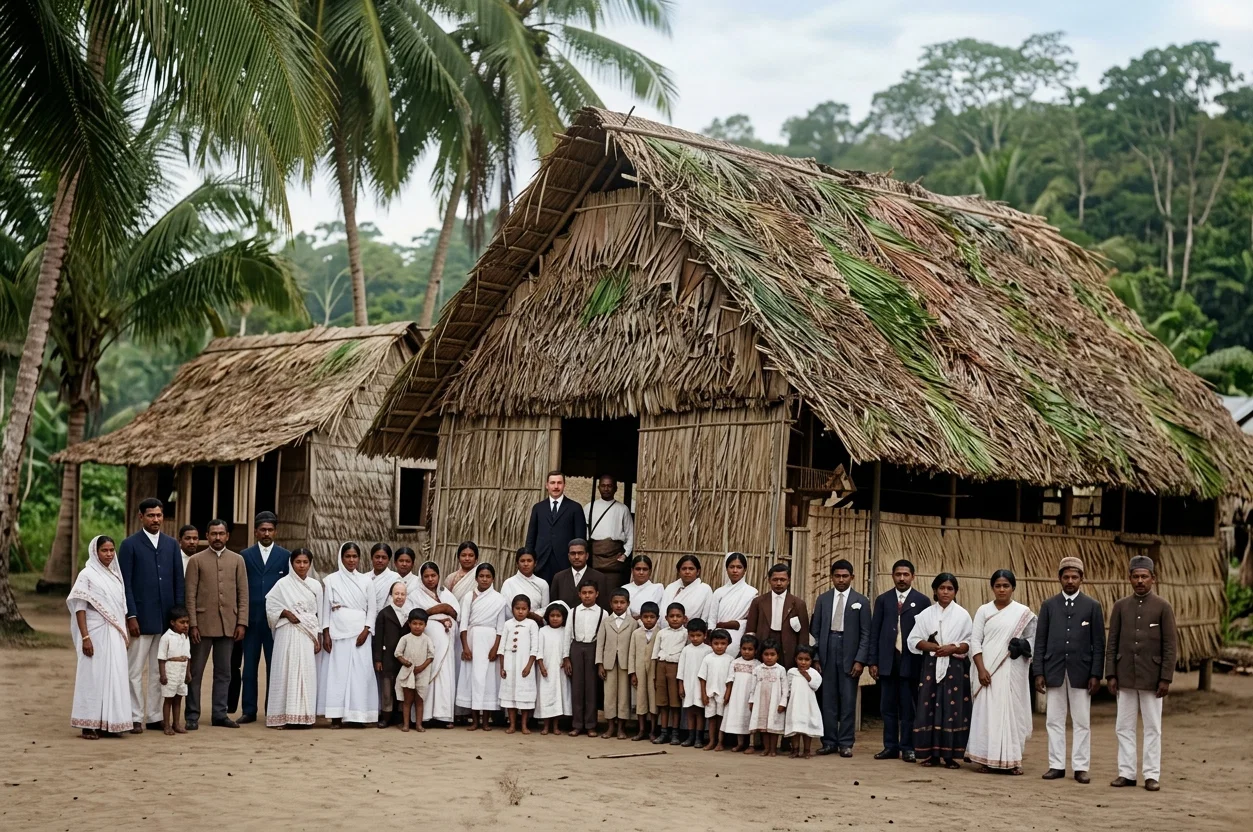
INDIAN
MISSION
BRITISH GUIANA
Catholic Hearts Hearing and Rejoicing
From Chile F. H. Westphal writes:—
“The message is progressing in our field, and devout Catholics are accepting it. A sister who for years has been a guardian of nuns has taken her stand for the truth; and another sister who has been a nun several years expects soon to be baptized. A man who was clearing fifty to two hundred pesos daily by manufacturing liquors, embraced the truth, and is now taking it to others. He seems happy and contented when selling our books and papers.”
From Lima, Peru, A. N. Allen reports:—
“Last week I made a trip back into the mountains into one of the valleys that had never been visited by a Protestant missionary before, and found that as the result of reading our paper, the Señales, which had found its way there, nearly thirty adults were rejoicing in their first love, and were meeting on the Sabbath. Nearly all are owners of small farms, and can read, and seem much more intelligent than many we find in the cities.”
Of the need of earnest gospel workers just now, one of our workers in South America writes:—
“The upper class and the young men from colleges are seeing the fallacy of the Roman doctrine, and are throwing off its yoke; but instead of accepting the Protestant religion, they are becoming infidels, being without any religion at all. Many have a very vague idea of Protestantism. Now, as these people are without a religion, what is our duty? Is it not to offer them something worth while?”
Publications in Sixty-One Languages
Languages
PUBLICATIONS are now being issued in the following sixty-one different languages , seven languages having been added during the past year:— Amoy dialect (China), Arabic, Armenian-Greek, Basuto, Battak, Bengali, Bohemian, Bulgarian, Burmese, Cantonese (China), Chasu (German East Africa), Danish-Norwegian, Dutch, English, Esthonian, Fijian, Finnish, French, German, Greek, Hawaiian, Hebrew, Hindi, Hungarian, Icelandic, Italian, Japanese, Java-Malay, Kafir, Korean, Laplandish, Lettonian, Lithuanian, Livonian, Malay, Mandarin (China),21Manganja, Maori, Polish, Portuguese, Rarotongan, Rumanian, Russian, Samoan, Santali, Servian, Sesuto, Slovakian, Spanish, Swahili, Swedish, Tahitian, Tamil, Tongan, Turkish-Armenian, Urdu, Welsh, Wendic, Wen-li (China), Yiddish, and Zulu.
Other Mission Presses
OUR twenty-eight publishing houses are located at vantage-points in the fields in which we are operating. There are six in the United States, and one in each of the following places: Ottawa, Canada; Mexico City, Mexico; Cristobal, Canal Zone; Sao Paulo, Brazil; Buenos Aires, Argentina; Santiago, Chile; Warburton (near Melbourne), Victoria, Australia; Cooranbong, New South Wales, Australia; Singapore, Malay Peninsula; Shanghai, China; Tokyo, Japan; Buresala, Fiji; Soonan, Korea; Lucknow, India; London, England; Christiania, Norway; Stockholm, Sweden; Copenhagen, Denmark; Helsingfors, Finland; Hamburg, Germany; Geneva, Switzerland; and Cape Town, South Africa.
All these publishing houses are strictly missionary plants in their ownership, organization, and work. Gospel literature constitutes the entire output; all are owned by the organized work; and all the profits are used for the improvement of these plants and in missionary enterprises.
THE MISSIONARY PRESS
By E. R. Palmer
The Avondale Mission Press
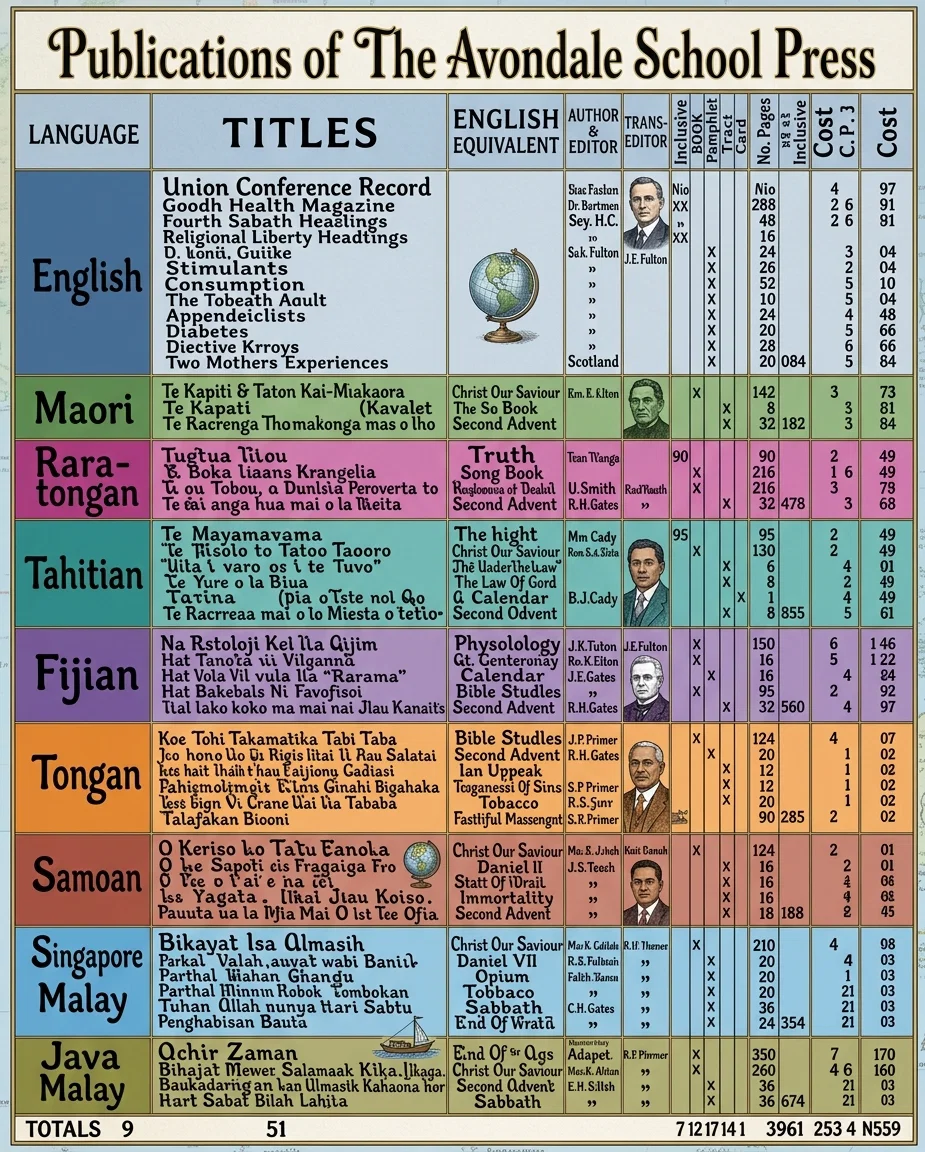
The Avondale Mission Press, located at Cooranbong, New South Wales, Australia, which provides literature for the mission fields in the islands east and north of Australia, affords a good illustration of the work being done by our mission presses in many countries. Therefore we have reproduced as the centerpiece for this page a miniature of a large chart on which was outlined the work of the Avondale Mission Press as reported by the president of the Australasian Union Conference at the recent session of our General Conference, held at Takoma Park, near Washington, D. C.
“Avondale” is the estate where our chief training-school for Australasia is located. This school has an attendance of about two hundred young people who are preparing for the world-wide mission work. Many of the students have but limited means, and must work their way. Therefore the school has provided several industries for this purpose, as printing, the manufacturing of health foods, cabinet-making, plumbing, farming, gardening, etc. During the year 1908 the industrial students earned twenty thousand dollars, which they paid to the school on board and tuition.
Among these industries is the Avondale Mission Press. Of the twenty-four employees in this printing-office, all except the superintendent are students in training for missionary work. The Australasian Union Conference has charge of the missionary work in the islands of which Australia is the natural center, and the Avondale Mission Press does the printing for these island mission fields. It is now printing the gospel message in nine languages. Twelve different publications are issued in the English, three in Maori, four in Rarotongan, six in Tahitian, five in Fijian, six in Tongan, five in Samoan, six in Singapore-Malay, and four in Java-Malay, making fifty-one publications in all.
In addition to the value of the actual output in these nine different languages, the Avondale Mission Press is an important educational feature in the training of young people for the island mission work; for in this little office each student learns the several features in the art of printing necessary for him to know on going to a mission field where responsibility to print literature in the native tongues is likely to fall upon him. Interest in missionary service is also deepened.
E. R. PALMER,
Sec. Missionary and Publishing Dept.
The Printing-Press and the Gospel
By A. J. S. Bourdeau
Time was when the gospel was preached only by word of mouth. The message of salvation was impressed upon the minds of men through the hearing of the ears. In those days the precious truths of God's Word were literally passed from mouth to mouth. The Christian pulpit was, in fact, the center from which radiated nine tenths of all Bible knowledge.
The Gospel Chained
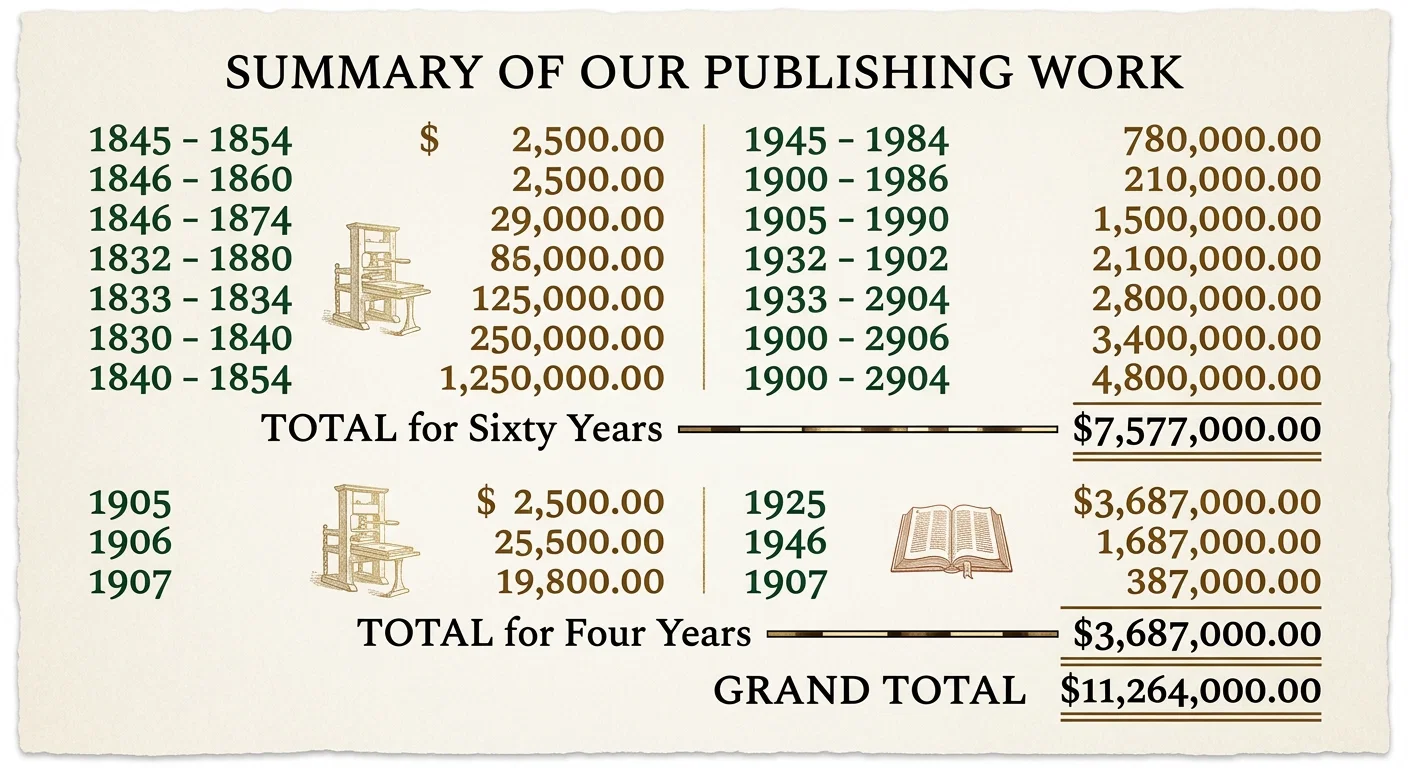
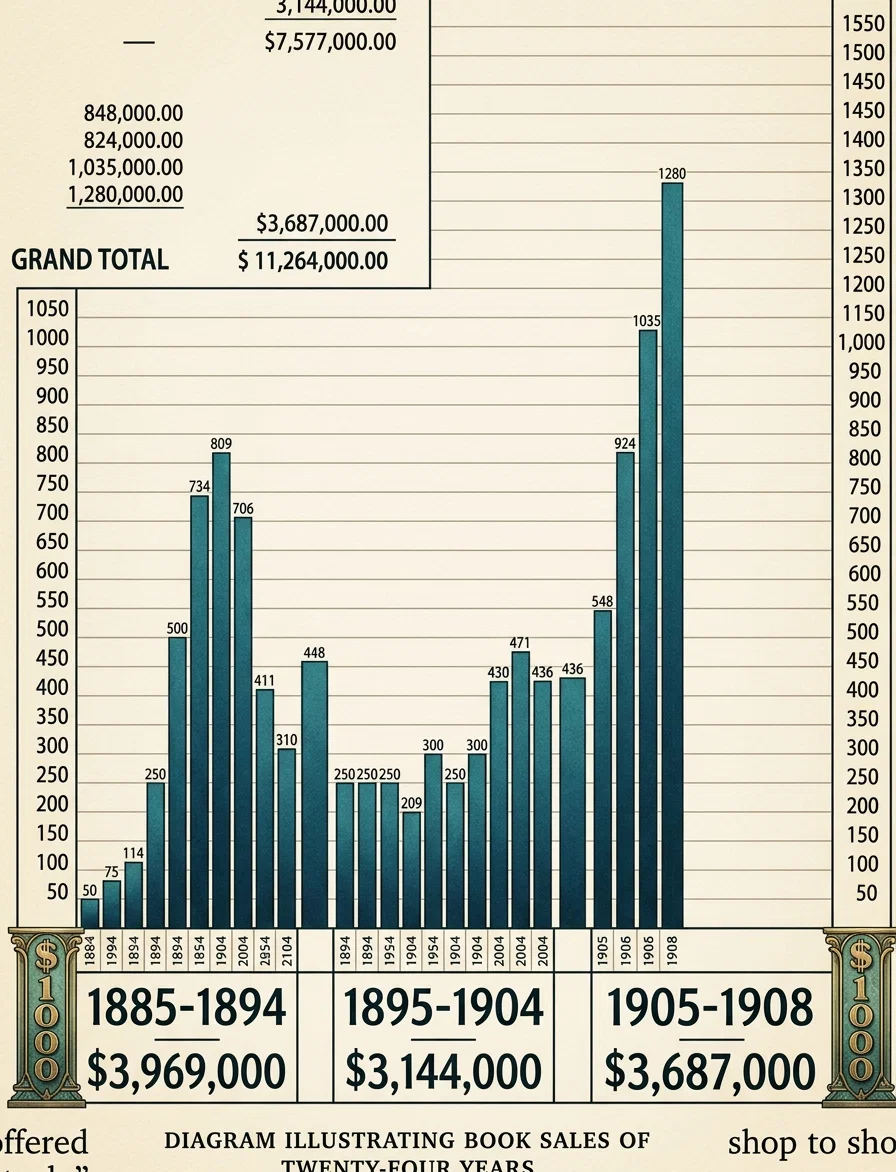
DIAGRAM ILLUSTRATING BOOK SALES OF TWENTY-FOUR YEARS
It is said that in the thirteenth century it took an expert copyist about ten months to transcribe a single copy of the Bible, at a cost of between two hundred and three hundred dollars. And the purchasing power of money then was twelve times greater than now.
These Bible manuscripts, we are also informed, were “so scarce and dear that they were frequently sold for double and treble their weight in gold,” and “so precious that they were conveyed by deed, like landed estate.” The common people were thus barred from purchasing and reading them. Most of the Bibles were chained to the pulpits of the churches or monasteries. And being written in a language unknown to the poorer classes, the truths they contained were also chained.
“Knowledge Shall Be Increased”
The times were now ripe for a change. In the year 534 B. C., God, speaking through his prophet Daniel, had foretold (Dan. 12:4) that “knowledge shall be increased” in “the time of the end,” and that “many shall run to and fro.” The beginning of the fulfilment of that divine prophecy took place in the year 1423 A. D., or over nineteen and a half centuries after the prediction; for in that year the art of printing was discovered by Laurence Coster, a Dutchman living in the old town of Haarlem, Holland. His types were of wood. Upon the death of Coster, John Gutenberg, one of his apprentices, improved upon wooden types by carving metal ones.
First Bible Printed
It seemed decreed by Providence that the very first book to be printed by John Gutenberg (in 1450) should be the Bible, also that it should thereafter be the most popular book with the printers and booksellers. A copy of this first Bible, containing six hundred seven vellum leaves, was sold by Gutenberg's partner, John Faust, to Charles VII, king of France, for the sum of seven hundred fifty crowns, or eight hundred twenty-five dollars. When we consider that it took Gutenberg and his associates nearly eight years to carve the metal letters, and print the edition, the price seems reasonable enough.
The printing-press was now to give wings to the gospel. Scholars of renown translated the Word into the common languages, fleeing from one country to another to escape the persecutions of the Papacy.
“The demand for these books,” says the historian, “could never be sufficiently supplied.” “There was an eager struggle for Luther's smallest pamphlets. Of his catechism one hundred thousand were sold. The sheets of his tracts, often wet from the press, were hidden under the purchasers' cloaks and passed from shop to shop.”
“Book-Hawkers”
Associated with the preachers and printers of the gospel during Reformation times were the humble Bible-sellers, or colporteurs, sent forth by Luther, Calvin, and other Protestant publishers. “The book-hawkers or colporteurs,” says Samuel Smiles, “were among the most active agents of the Reformation.” And De Felicé, in his “Protestants of France,” says: “They were called bale-bearers, basket or literary carriers. . . . Staff in hand, basket on back, through heat and cold, by lonely ways, through the mountain ravines and dreary morasses, they went from door to door, often ill-received, always at the hazard of their lives, and not knowing in the morning where to lay their head at night.” Thus the science of modern book salesmanship should be credited to these and earlier heroes of gospel Protestantism.
A. J. S. BOURDEAU,
Missionary Secretary General Publishing Department.
Responding to the Calls
“FORWARD to the foreign fields,” is the watchword of our Publishing Department. We can not rest while two thirds of our annual output of literature is distributed to one twentieth of the population of the world, located here in the United States.
It is an encouraging fact, however, that four hundred fifty thousand dollars’ worth of literature was distributed last year in countries outside of the United States.
Earnest efforts are being put forth to build up the foreign publishing work. Recently four pioneer canvassers have been sent to Mexico, and the Lord has greatly blessed them. During the past six months general agents have been sent to Central America, Brazil, Argentina, Peru, Ecuador, and South Africa.
Earnest calls are coming from India, China, and Japan for colporteurs, organizers, printers, and better facilities for printing. These calls must be answered without delay. Men are ready to go to these fields, but they must wait till the mission funds are increased.
A Year of Progress
“For that the leaders took the lead in Israel, for that the people offered themselves willingly, bless ye Jehovah.” Judges 5:2, A. R. V.
Since our last report one year ago in the Missions number of the REVIEW, the Lord has richly blessed both leaders and people in the good work of circulating our literature. The “leaders” have taken the “lead” in the work, and the people have “offered themselves willingly.”
The progress made is indicated by the following comparative value of sales during the past four years:—
1905 ........................ $ 548,000
1906 ........................ 824,000
1907 ........................ 1,035,000
1908 ........................ 1,280,000
Total .................... $3,687,000
This total for four years is over half a million dollars above the total sales during the previous ten years, and represents about one third of the literature sold during the past sixty-four years, or since our work began.