A Visit to Gospel Village, Shen-si Province, China
By FREDERICK LEE
FREDERICK LEE
HAVING received most urgent calls from the province of Shen-si for more than a year, Dr. A. C. Selmon and I decided to do what we could to answer them. After collecting the necessary articles for traveling, such as cots, bedding, clothes, canned milk, rice, grape nuts, and a few extras, we started on our journey April 17. We had heard that the trip was hard and dangerous, but we were prepared to undertake it in order that we might give the truth to those waiting people.
The first two hundred and seventy miles we traveled by train. We made three changes, the last change being to a freight train, but even this was better than traveling by wheelbarrow or cart. The next two hundred and thirty-five miles we traveled in a Chinese cart. As we had an evangelist and a cook along, we had to hire two carts. A solemn contract was made out by the carters to deliver us at our destination in seven days for $20.
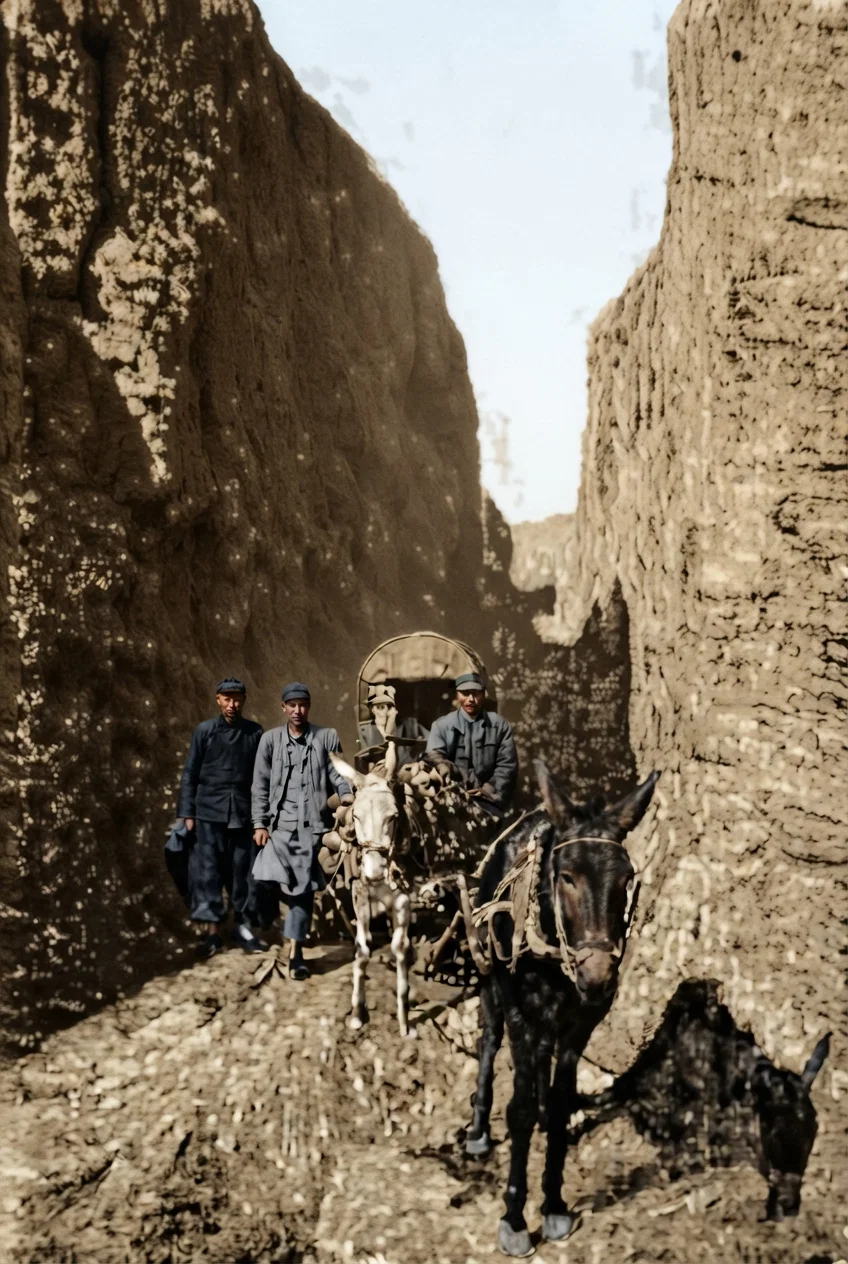
For three long days, from 5 A. M. to 7 P. M., we rode uphill and down vale. We should have enjoyed the fine scenery, but we were continually hidden from it. After two thousand years of traffic, the roads have been worn down into gorges from ten to fifty feet deep, and in many places even sink more than one hundred feet below the surface. At this time the dust in the road was five or six inches deep, and it often blew up in dense clouds, almost choking us. Most of the time we had to ride along with handkerchiefs tied over our noses and mouths, and goggles over our eyes. In most places these roads are wide enough for only one cart. Because of the narrow and winding roads, the carters have to keep up a continual calling to warn any carts ahead. Every little ways a place has been dug out where carts can pass. If they meet at any other place, one horse must be unhitched and fastened to the back of the cart to pull it to a place where the two can pass, as these carts cannot be backed in the usual way. We estimated that we traveled at least eighty-three miles below the surface of the surrounding country.
All through this country most of the people live in caves dug in the sides of the terraced hills. The first day we rode through a hilly country, which is well cultivated and well populated, but we saw no more than a score of houses. A cluster of trees at the mouth of the cave or on top of it, is the only thing to mark the places where people live. Out in the plains of Shen-si the people also live in caves; but there they dig an incline down into the ground, where they excavate an open square. In the sides of this square they dig the caves in which they live. There are also air shafts running to the surface for light and ventilation.
Shen-si is the old kingdom of China, which was at the height of its glory in the days of Isaiah. Isaiah, looking upon this place in vision, saw some coming from the land of Sinim ('kingdom of Chin,' Chinese version of Isa. 49:12). It is from this kingdom of Chin that China has taken her name, and there is no doubt that the prophet refers to this place. As we were following along this ancient road going to the place which Isaiah had seen in vision more than twenty-five hundred years ago, and out of which he had said some were to be gleaned for the kingdom of God, we wondered if we were to be the first agencies in fulfilling this prophecy.
In the early days of Christianity, the gospel was no doubt preached even in this ancient province. Nearly all traces of it have been lost, but there is one record which still remains. It is the Nestorian Tablet, written in A. D. 781, and still preserved at the capital of this province. It shows that at that early date Christianity was in favor at court, and the tablet uses many phrases which can refer only to the doctrines of Christianity. Along with the description of the travels of a Syrian priest in China, are given in Syriac a long list of names of priests. There are also two tablets in this same place on each of which has been chiseled the picture of a man who looks very much like a Jew. The tablet says that the man is a Westerner, named Da Ma (Chinese for Thomas). It is said that this is the picture of Thomas the disciple of Christ, who brought the gospel to this place. Whether this be true or not, we can be sure that west China heard the gospel of Christ very early. But when Mohammedanism came in, Christianity was wiped out.
One year ago a canvasser from Honan went out to Shen-si and sold several thousand of our books and papers. Many people then became interested in the truth, and began writing to our station at Yen-cheng for more information. Then three men came this long distance, and attended our general meeting, held in November, 1915. After studying the message with us, they accepted the truth, were baptized, and returned to their homes to proclaim the message they had heard. Since then the interest has been increasing, and the calls for some one to come and teach them have been pressing upon us.
After being nine days on the road, we arrived at Gospel Village, and were warmly received. This is the name of the place where most of those live who are interested. We at once rented a place and began our meetings, holding four Bible studies each day. For eight days we had a regular attendance of forty-five adults, all of whom have been Christians for fifteen to thirty years. It was a great pleasure to stand before these people, turning from scripture to scripture, and see their enthusiasm grow15as different points of truth were brought out.
This is the way we traveled for one hundred miles both ways. The road has been worn down this way after many years of traffic.
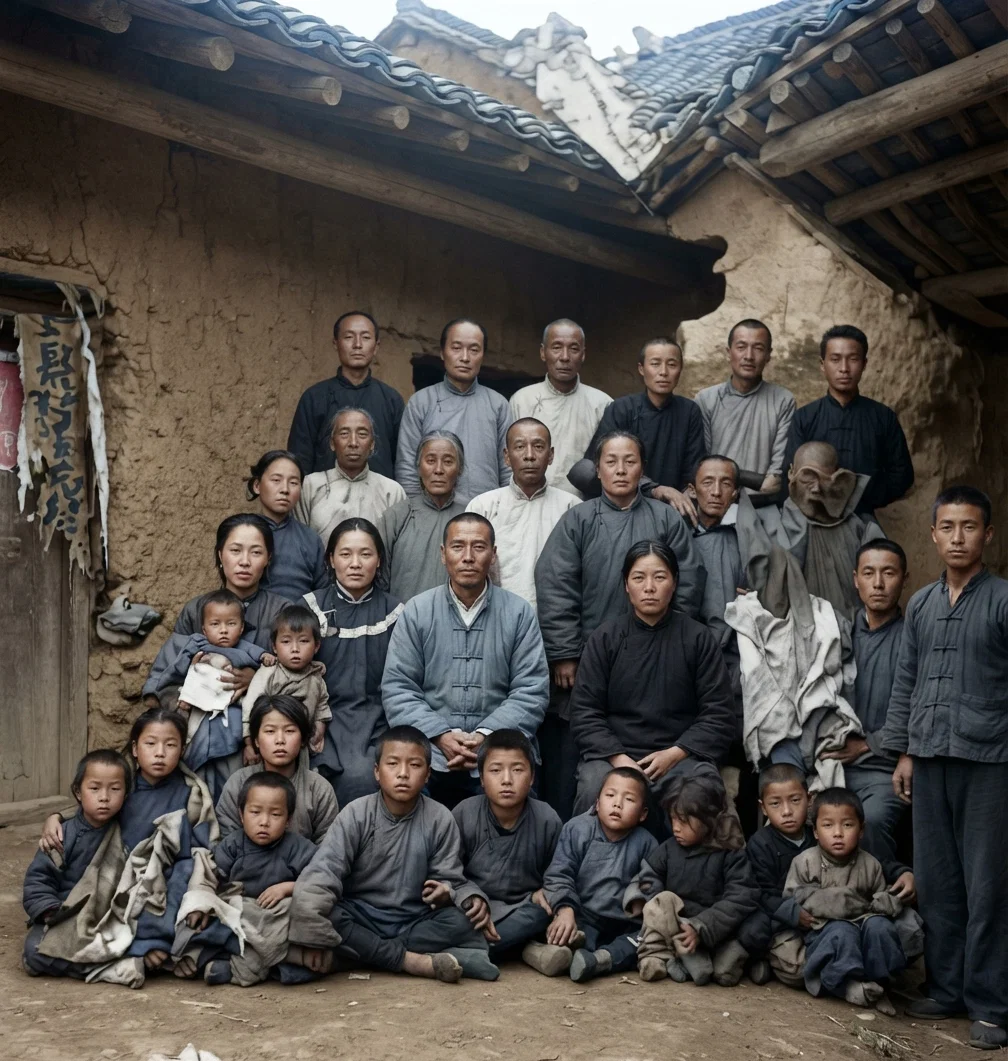
A company of inquirers near Gospel Village.
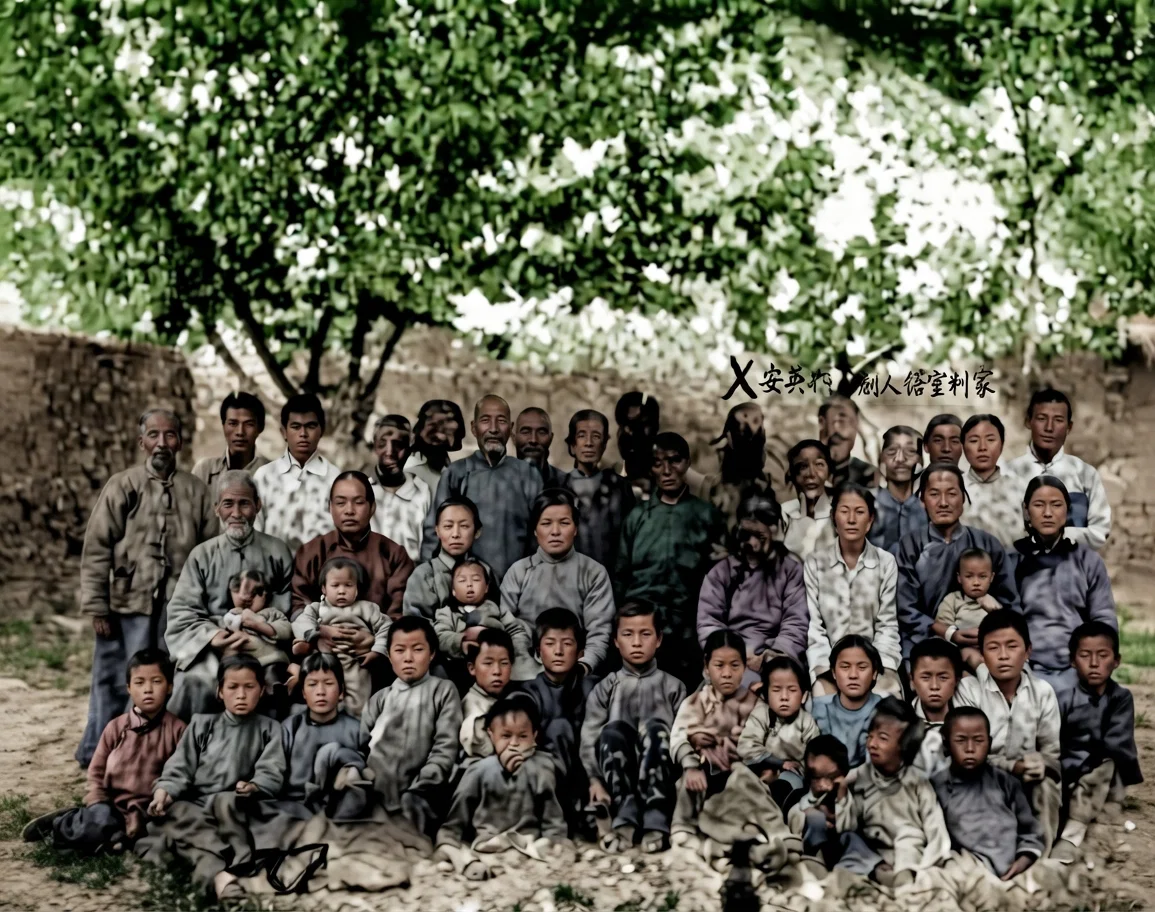
A few of those studying the truth at Gospel Village, Shen-si.
On the first Sabbath our Sabbath school was divided into seven classes of adults and two of children, with a total attendance of ninety-two. The truths which are so dear to our people in the homeland have the same effect upon these people in this far-away land of Sinim. We have had to step out by faith in coming here, for there is no one available at present to handle this interest, but we believe the God who started it will find some one to look after it, or do it himself.
As we were in the midst of our meetings, trouble broke out in the province, just seven miles away from this place. For some months northern Shen-si has been overrun with brigands. They have been gradually coming south, breaking into city after city. When we arrived at Gospel Village, they were not so very far away. But we had two weeks' peace, and during this time we had opportunity to give these people the principal points of the truth.
On the night after the Sabbath of May 6, the firing of guns was distinctly heard to the north of us. It began at midnight and continued till noon the next day. As this was market day in the village, there was great excitement, no one knowing just what was taking place, but all having many wild rumors to report. The truth was that two bands of soldiers were fighting each other inside a city seven miles away, one band having mutinied. The mutinous band and its officers were all originally brigands. Their chief desired Shen-si to proclaim her independence of Yuan Shikai, together with the southern provinces. But as the governor-general would not do this, these brigand soldiers turned on the loyal soldiers, and began slaughtering them. At the same time they captured the son of the governor-general, who was officer of the loyal troop. This they did in order to force the general's hand.
The next day all was quiet, but we heard that the brigands were being enlisted in a big army, which would soon march south to Singan, the capital of the province. The next morning things began to stir again. Three men on horseback came into the village, demanding horses and guns for the army. On their arms was a white band, on which was written, “The Army to Punish Yuan.” They took all the horses they could get, and went away. During these three days of excitement we continued our meetings, taking up the signs of the times as our subject. Those who came were greatly impressed, and the Lord used the events of these days to convince our hearers that the end is near.