Fiji Becoming Orientalized

9%

Review and Herald Publishing Association · Takoma Park Station, Washington, D. C. · Nov 3, 1910

FromReview and Herald, Vol. 87, No. 44.

Read the full edition
Fiji Becoming Orientalized

NATIVE TREE-HOUSE IN NEW GUINEA
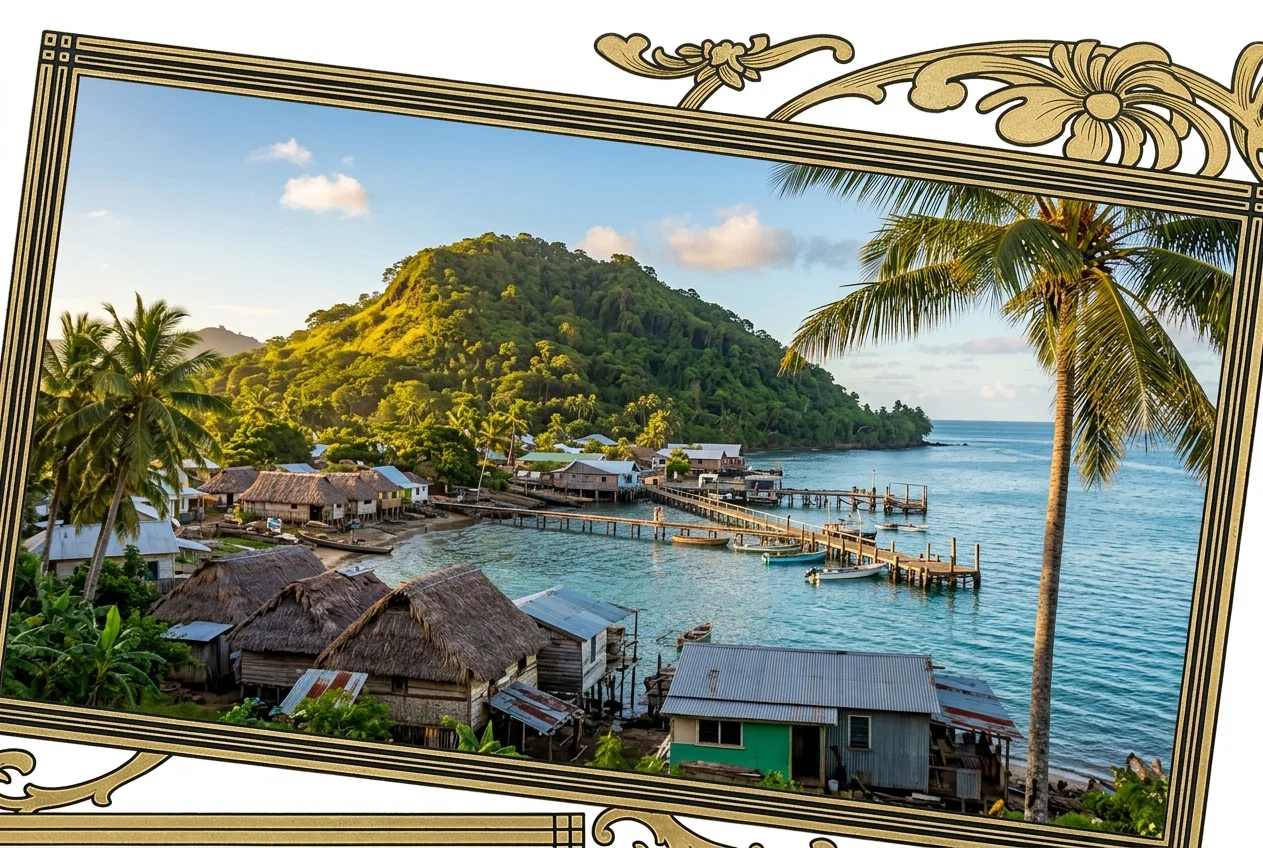
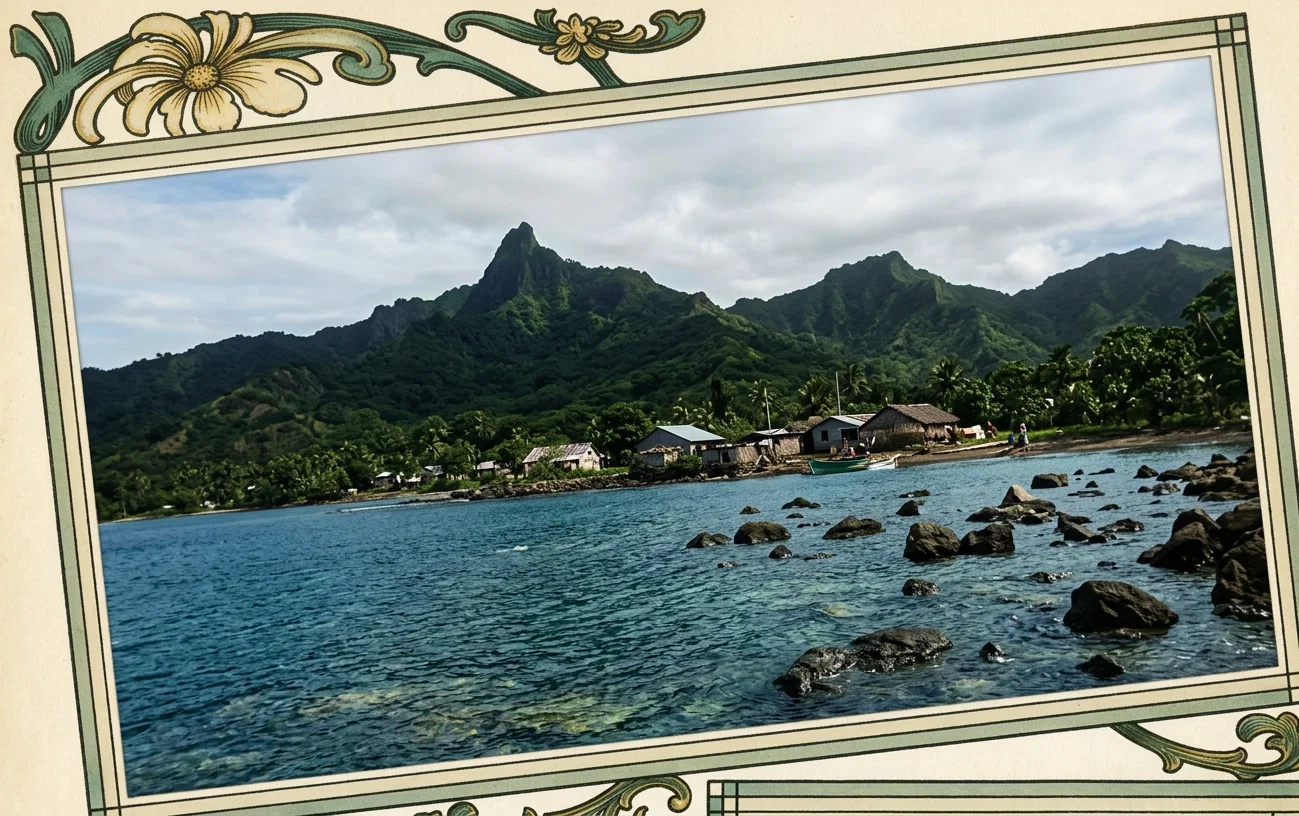
LAUTOKA, the first port in Fiji, was reached on Tuesday, May 3. Here a large sugar-mill is operated, the second largest of its kind in the world. As we approached the jetty, it seemed good to see again the woolly-headed, good-natured Fijians. As our ship was making fast, they chanted a native song, much to the pleasure and amusement of some of the passengers, especially the newcomers. But this had its charms for me also. How different they are from the stolid, indifferent Indian coolies standing near them! These Indians are now found here in large numbers, being imported by the sugar company to work on the plantations.
That Fiji is destined to be Orientalized is very evident to those who knew these islands a decade or more ago, and compare the numbers of Indians then with the numbers found here to-day. Then there were a few thousand here, but to-day there are about forty thousand. Of native Fijians there are only eighty-seven thousand, showing that there is in Fiji one Indian for about every two Fijians.
Once these islands were peopled with a savage race, but under the faithful labor of the early missionaries, they yielded to the influence of the gospel. They have also to a certain extent been molded by modern civilization. But silently and swiftly these native sons and daughters are passing away.
GROUP OF NEW GUINEA CANNIBALS OF INTERIOR
Now it appears as if, after all these years of missionary toil, an alien race is to step in, and in a few years' time Fiji will be largely heathen again unless the church awakes fully to her duty. To those who have labored for the Fijian race, there is something very sad in the change described. Poor Fiji! May God grant that a remnant may be saved to the message.
Buresala.
J. E. FULTON.