Tribes of the Caucasus

14%

Review and Herald Publishing Association · Takoma Park Station, Washington, D. C. · Nov 26, 1908

FromReview and Herald, Vol. 85, No. 48.

Read the full edition

Tribes of the Caucasus

It is probable that nowhere else in all the world are there so many different races, speaking such a variety of languages, as we find within the territory of our Caucasian Conference. Indeed, the Persians have dubbed this “the Mountain of Tongues.” Such peoples they are, too—these hardy mountaineers, who resisted the Russian arms for nearly a century. Some say that there are no fewer than one hundred fifty peoples scattered among the 11,759,600 inhabitants of these regions, and that as many as seventy languages are represented by them.
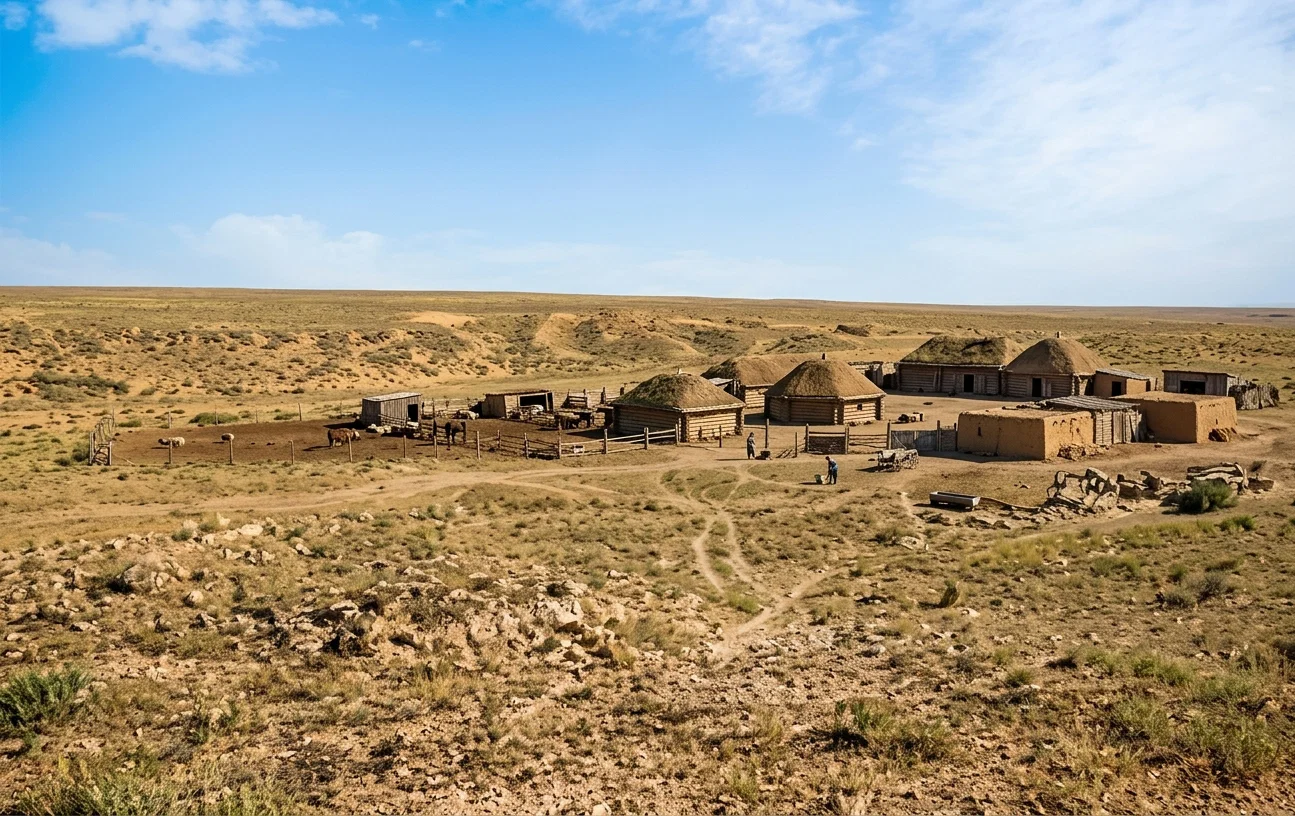
RUSSIAN VILLAGE
RUSSIAN VILLAGE
These are the Georgians and the Circassians, famed for their personal beauty; the isolated, half-savage Svans, or Svanithians, who, although they number only fourteen thousand, yet, aided by the almost inaccessible glacier-crowned ridges that surround the Upper Inghur Valley, have successfully withstood every attempt Russia has made to collect taxes from them; the hardy Lesghians, “one of the finest races in Caucasia;” the Armenians; the Kurds; the Mingrelians. These and many other nationalities are to be found here.
Then, too, we are not to forget the Russians and the Germans, whose influence will help us to gain access to these various peoples; nor should we omit the Kalmucks, through whose steppes we passed on our way down from Saratof. The Kalmucks have strong Mongolian features. Many of them are large landowners, and wealthy stock-raisers. One of our brethren has been holding Bible readings with an educated Kalmuck, who hears the message gladly, and spreads it among his fellow countrymen wherever he has opportunity.
G. DAIL.
Alexandrodar, Transcaucasus.