A Word From Cuba

7%

Review and Herald Publishing Association · Washington, D. C. · Jan 25, 1906

FromReview and Herald, Vol. 83, No. 4.

Read the full edition

A Word From Cuba

E. W. SNYDER
LEAVING New York by the Ward Line steamer “Morro Castle,” we reached Havana, the capital of Cuba, after a sail of three days and a half. Here we received a hearty welcome from Brother I. E. Moore. This brother and his wife are the pioneer missionaries of this field, having come here in May, 1904, to engage in the work of nursing. Having had experience as a pioneer in Argentina, we appreciated meeting with some one who could make us acquainted with our new field. One feature of Havana, however, especially impresses the stranger,—the frequency of English signs, everywhere giving evidence of American influence in the island. In fact, little inconvenience will be experienced without a knowledge of Spanish in most parts of Cuba, and judging from the number of Cubans who speak English, and from the fact that many wish to study it, this language will be more and more known throughout the country.
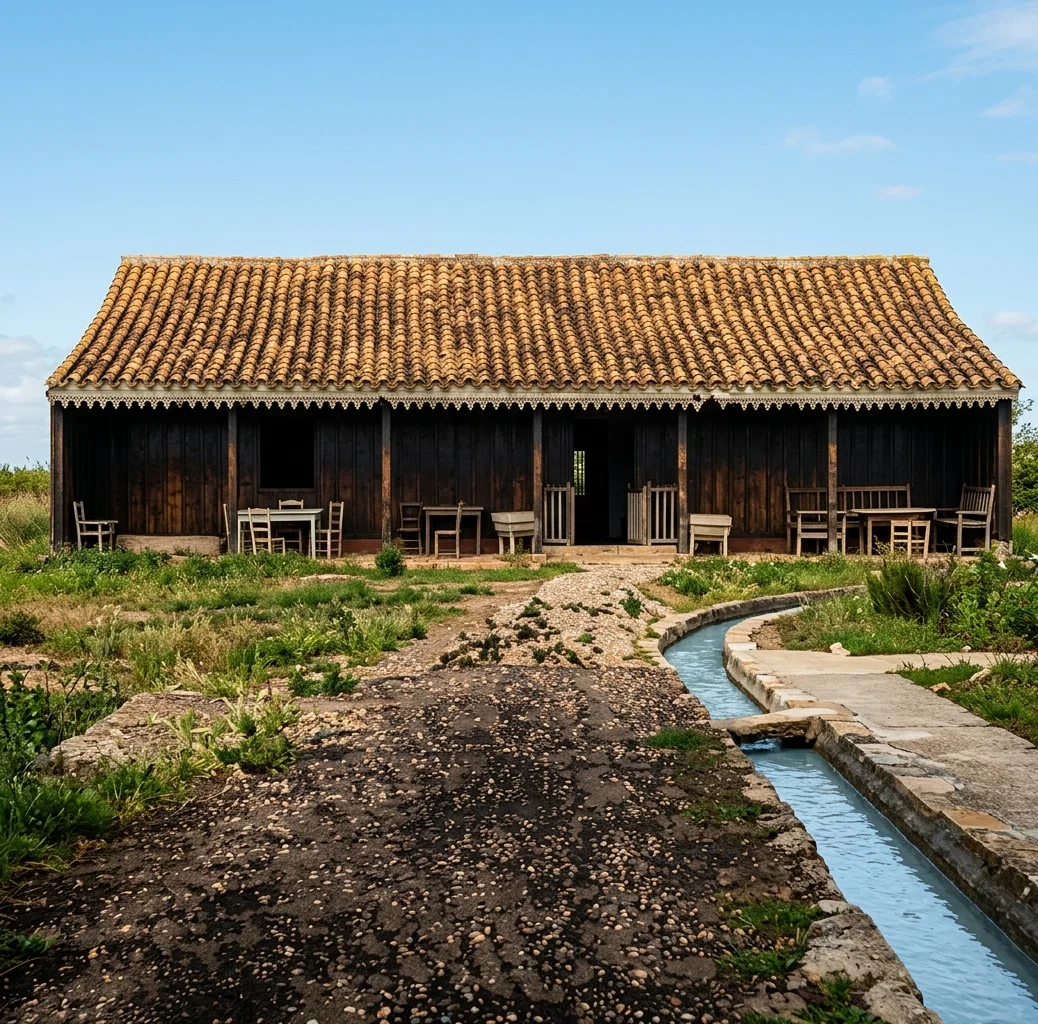
A COUNTRY HOUSE
A COUNTRY HOUSE
To one accustomed to the cities and country scenes of Brazil and Paraguay, Cuba has very little that is new or interesting. One finds the same narrow streets studded with one-story buildings of the same architecture and roofed with round tile, in all these countries.
Notwithstanding American influence here, it is to be regretted that the “manana” methods still prevail in the business of the Cubans. We are told that owing to insufficient facilities at the custom-house for importation, it is nearly impossible to secure a consignment of freight within two weeks after its arrival here. While the volume of business is increasing by leaps and bounds, the same facilities remain that they had thirty years ago.
After spending a few days in becoming acquainted with Havana, we went to Bahia Honda, a place on the north coast, about sixty miles west of Havana. This is reached by boat once a week, and by several stages or guaguas. By the latter way, owing to poor connections, it required more than twenty-four hours to reach our destination. It was a privilege to meet with the families of our people in that vicinity, and the Lord blessed in the services held. Soon after our return to Havana we left to visit the scattered Sabbath-keepers in the eastern part of the island. At Ceballos and La Gloria the meetings were much appreciated, and the hearts of the believers encouraged.
It was a privilege to become personally acquainted with our brethren in Cuba, who, as pioneers to hold up the truth, have gone out into the regions beyond. Our visit among them tended to enlist their help morally and financially in the upbuilding of the work in this needy field. From our observations as well as from the experiences of others, we believe that there are many of our brethren in the overcrowded churches of the United States who, by coming to Cuba, could not only improve their temporal condition, but what is of far more importance, they could thus hold up the light of present truth in new communities which are now being settled with American people. Doubtless many afflicted with asthma, catarrh, bronchitis, and other maladies could be benefited by coming to this country, as these diseases seem to yield readily in this climate.
American colonization is being carried on to a considerable degree by large syndicates that buy up thousands of acres in a single tract at from three to five dollars an acre. After cutting the land up in small farms of from fifteen to thirty acres, the land is sold at twenty dollars and upward an acre, according to location. In the western end the lands for the greater part are old plantations of sugar-cane, which, owing to their proximity to Havana, sell for fifty dollars and upward, but more fertile virgin soil in the eastern provinces, covered with timber, can be purchased for fifteen or twenty dollars an acre. However, judging from the rapidity with which the best lands are being bought up, in a few years it will not be nearly so favorable for one to locate himself to advantage, as the timbered land is limited in extent.
This fact is impressed on one as he rides over the Cuba Central Railway. For hours he may see only barren grass land with nothing green but scrub palms. Very suddenly, however, the scene gives place to a tract of fertile wooden land, and here are seen signs of progress and activity, of which a saw-mill and homes of settlers are the center. A good proportion of the Cubans, even in the towns, live in palm shacks, and it is notuncommon to find well-to-do Americans also living in a house of this description. I am informed that a comfortable one can be built for one hundred and fifty dollars. However, the greater part of the people from the United States build much on the same plan that prevails at home, at a cost of four hundred dollars and upward, according to material and size.
As so many colonies are in operation, they naturally come more or less into competition, and each one is seeking for advantages that will serve to advertise. We have received offers from several, giving inducements for an industrial school to be established by our people, one man offering to deed to the school forty acres of his best land, with the option of purchasing more at a low rate. Our school and sanitarium work is so well known in the United States that Americans in Cuba are anxious to secure these advantages for their respective localities.
In conclusion, we would say that we shall be glad to give any information or advice concerning this country that is in our power to give. There are numerous unscrupulous real estate men and sharks in all parts of the island, and our desire is to protect our brethren from these.
We would say, however, that what the cause of present truth needs here is a class who have a burden for souls, and though all can not go into the field to do aggressive work, yet by their influence and financial support, all can assist the work that is now struggling to gain a foothold in this needy field. We would enlist the prayers of all in behalf of the work here.
Apartado 35 Marinao, Cuba.