CHILD-WIDOWS OF INDIA

10%

Pacific Press Publishing Company · Mountain View, California · Mar 28, 1906

FromSigns of the Times, Vol. 32, No. 13.

Read the full edition

CHILD-WIDOWS OF INDIA.

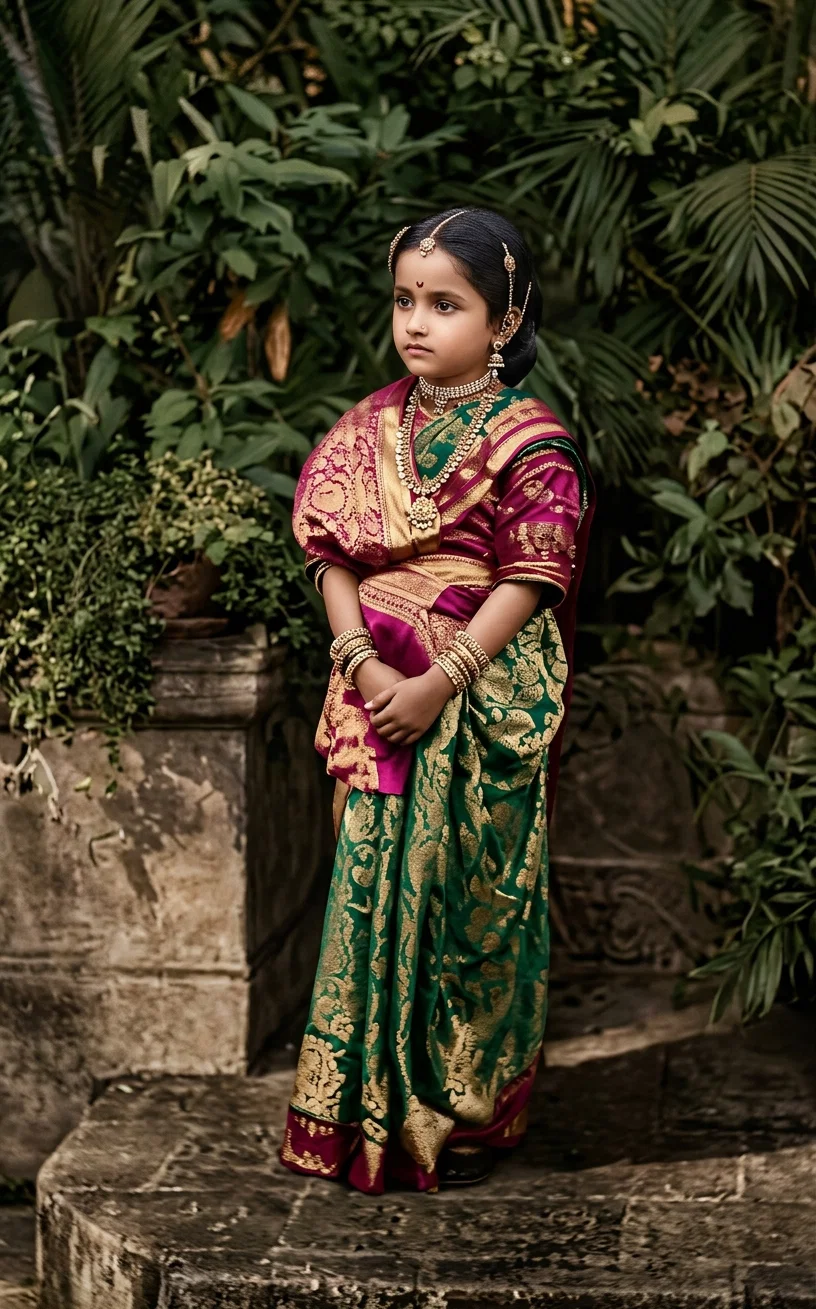
With the Hindus, marriages occur with infants, and are arranged by the parents. The little child-wife lives with her parents till what they consider a reasonable age, and then she is sent to her future home to live with her husband and her mother-in-law. If the husband of the girl-wife dies during her childhood, she is left a helpless widow. Often it occurs that the little girl-wife finds herself married to an old man, in which case she sooner or later enters the sad state of widowhood.
Pundita Ramabai defines widowhood as regarded by Hindus to be “a punishment for sins committed by the woman in her former existence on earth; and that sin is described as disobedience or disloyalty to the husband, or murdering him in a former existence. If the widow be a mother of sons, she is not usually an object of pity. Altho she is a sinner, yet social abuse and hatred are mitigated by the fact that she is a mother of the superior beings.”
When sixteen, or even a little later, the girl-widows suffer the full indignities of widowhood. Then her hair must be shorn, her bright clothing removed, nor can she wear jewels or ornaments which are the pride of Indian women. The red mark on her forehead, the emblem of marriage, is no longer visible. She must eat but one meal a day, and must fast on the feast days of every month. On her falls the meanest of the household duties, and by the members of her own family she is regarded as the cause of her husband’s death, and abuses too numerous to mention are heaped upon her.
For more than two thousand years the custom prevailed of Hindu wives ascending the funeral pyre of their husbands and perishing in the flames with the dead. In 1829, Lord William Bentick passed the now famous law prohibiting the suttee rite within British dominion. Thirty years before this date, William Carey witnessed the burning of a widow, which stirred his inmost soul. “He begged the woman not to throw away her life. After remonstrances, which the people met first by argument and then by threat, Carey wrote: ‘I told them I would not go. I was determined to stay and see the murder, and that I would certainly bear witness at the tribunal of God.’ And when he sought again to interfere, because two stout bamboos, always fixed for the purpose of preventing the woman’s escape, were pressed down on the shrieking woman, he added, ‘We could see no more but left them.’ The remembrance of that sight never left Carey. His naturally cheerful spirit was inflamed to indignation all his life through, till his influence more than that of any other man, at least, prevailed to put out forever the flames of the murderous pyre.”
Child-wife of India.
The law was signed on the fourth of December, 1829, and Carey was appointed to translate the same into Bengali. The request reached him as he was going to his Sunday service. “Throwing off his quaint black coat, he exclaimed, ‘No church for me to-day. If I delay an hour to translate and publish this, many a widow’s life may be sacrificed.’” Thus was removed one of the blackest clouds that had overshadowed “sunny India” for two thousand years.
But there remains still a cloud over India’s people—what is sometimes termed “cold suttee”—the living death of the poor widows, outcast as they are, and despised by the very ones who should cherish them, deprived of even a religious ceremony at her funeral if she dies childless. According to the last report there are 25,000,000 widows in India who suffer more or less some of the indignities mentioned. What can save them? What will show them that widowhood is not the result of sin? It can only be by the influence of the same Spirit that has saved thousands of Indian women and brought them to a higher plain of life.
Mrs. J. L. SHAW.
Boulder, Colo.