Government Inspector’s Report

11%

Review and Herald Publishing Association · Takoma Park Station, Washington, D. C. · Oct 9, 1913

FromReview and Herald, Vol. 90, No. 41.

Read the full edition

Government Inspector’s Report

A RHODESIAN government inspector of schools visited the Solusi Mission school, near Buluwayo. Solusi was our first mission station in Africa, planted nineteen years ago among the Matabele. The mission superintendent, W. C. Walston, sent us a copy of the inspector’s report to the government. We quote a paragraph or two. In filling out the blank calling for information as to the use of the land during the year, the answer is given:—
“The crops reaped were 1,550 bags mealies [corn], 220 bags monkey-nuts [peanuts], 10 tons (about) sweet potatoes, half-ton beans, with a small quantity of lemons and guavas. The stock carried was 225 cattle, 6 mules, and 1 horse. There were sold during the year 1,258 pounds butter and 188 dozen eggs. The total income from the farm was £1,073 ($5,155); the total expenditure, including grants from the trustees of the mission, £1,466 ($7,139).”
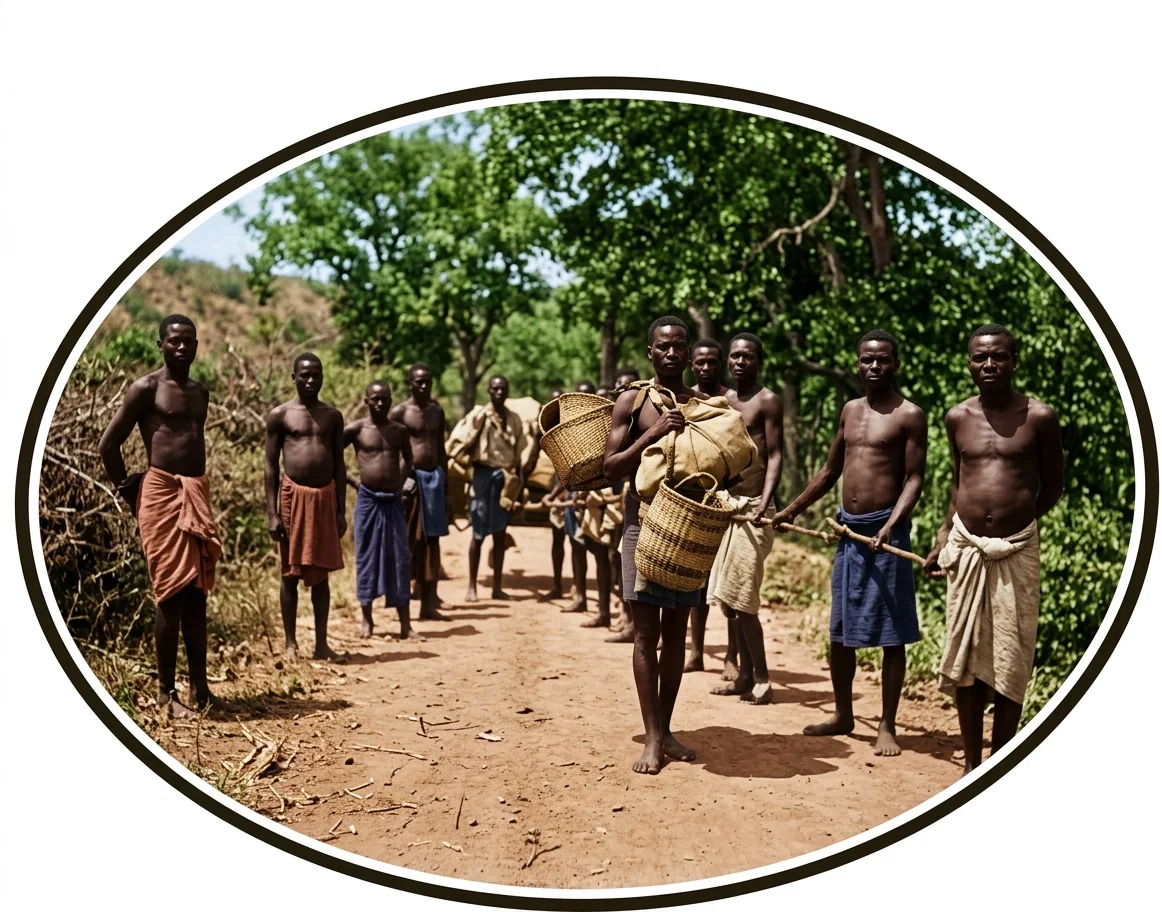
Drawing loads through the tsetse-fly area, where horses cannot live.
Again, the question is asked on the government blank: “Has it established a system of useful industry for its natives?” The report answers:—
“The fifty-seven natives housed on the farm have been the instrument by which this result has been produced. They are made to work steadily, and they plow, harrow, and cultivate with modern instruments and on modern methods. The great fields of mealies I saw were in excellent condition, notwithstanding the drought, largely owing to the methods of dry-farming introduced by the mission. The natives have the care of all the stock, and do all the dairy work, except the working and packing of the butter for the market. They have also borne their share in putting up all the buildings. The aim of the mission, as explained to me by the missionary in charge, is to improve the condition of the natives by teaching them the gospel and training them in habits of intelligent industry.”
In closing his official report, the inspector says:—
“I have dealt with this mission in some detail partly to place on record the good work it is doing, and partly because it seems to me the type of mission that should be encouraged in this country.”
This only serves to illustrate the value of industrial education in native work. The native believers are not only given a knowledge of the gospel in the abstract, but are taught its practical application in the formation of habits of order, industry, honesty, and Christian helpfulness.