Burmese Students at Work

14%

Review and Herald Publishing Association · Takoma Park Station, Washington, D. C. · Oct 9, 1913

FromReview and Herald, Vol. 90, No. 41.

Read the full edition
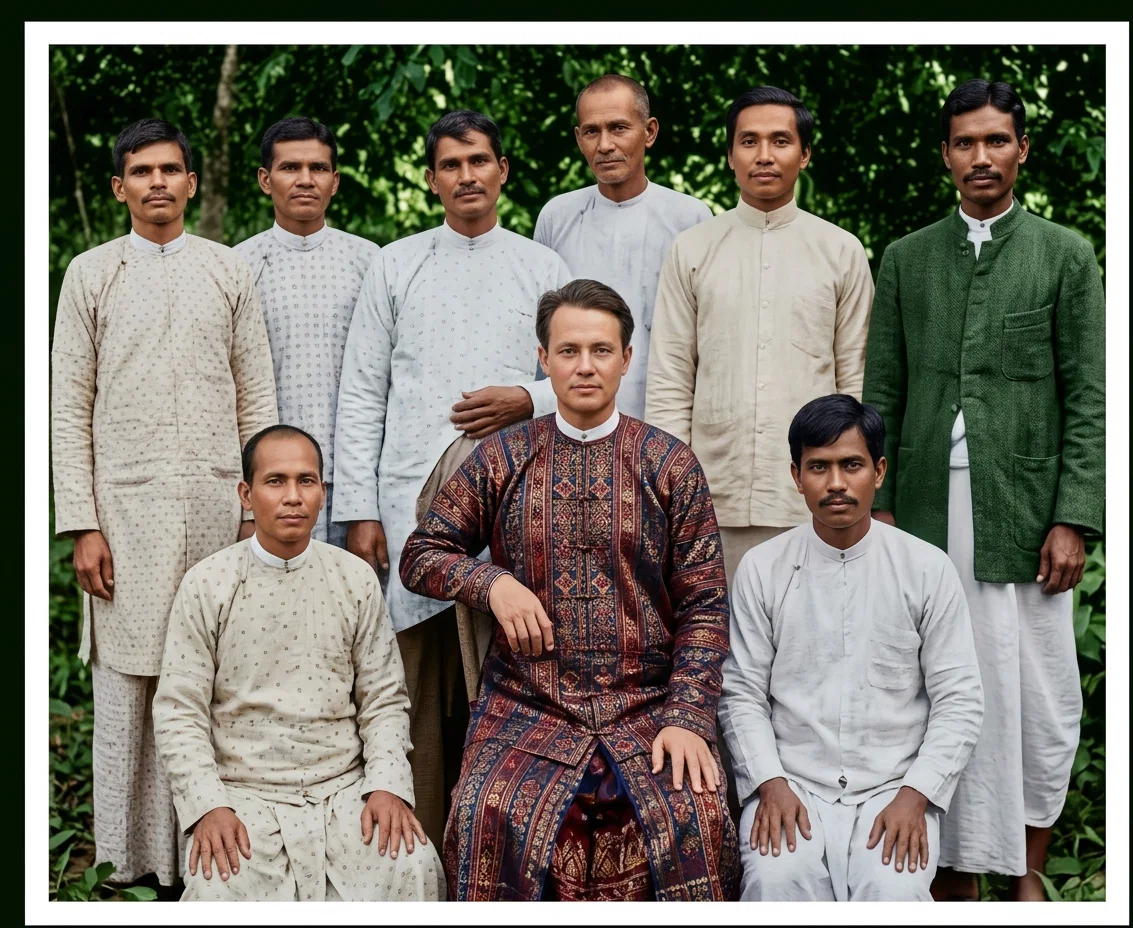
Karmatar mission workers.

Burmese Students at Work

HERE in the East industry suggests work, work a coolie, and a coolie disgrace. Our great problem is how to show the people that industry and work are not synonymous with toil and drudgery, to show that the hand connected with the brain will do greater wonders than will either working alone, that labor is a great uplift toward a better life.
At the Meiktila school we are attempting the wood-, cane-, and leather-working trades. Each department now just about pays for cost of materials and wages of the teacher and boys. We believe that with more room and better facilities and help we can make the trades fully self-supporting. With the cheap labor all about us, we must make something different; so we are specializing on mission furniture, shoes made on American lasts, and cane furniture after the Chinese patterns.
Most of our students are Burmese, but there are also Karens, Chinese, and natives of India. Three boys have been baptized, and many appear to be favorably inclined toward the gospel message.
R. B. THURBER.
Meiktila, Burma.