L. V. FINSTER

6%

Review and Herald Publishing Association · Takoma Park Station, Washington, D. C. · Mar 20, 1913

FromReview and Herald, Vol. 90, No. 12.

Read the full edition

L. V. FINSTER

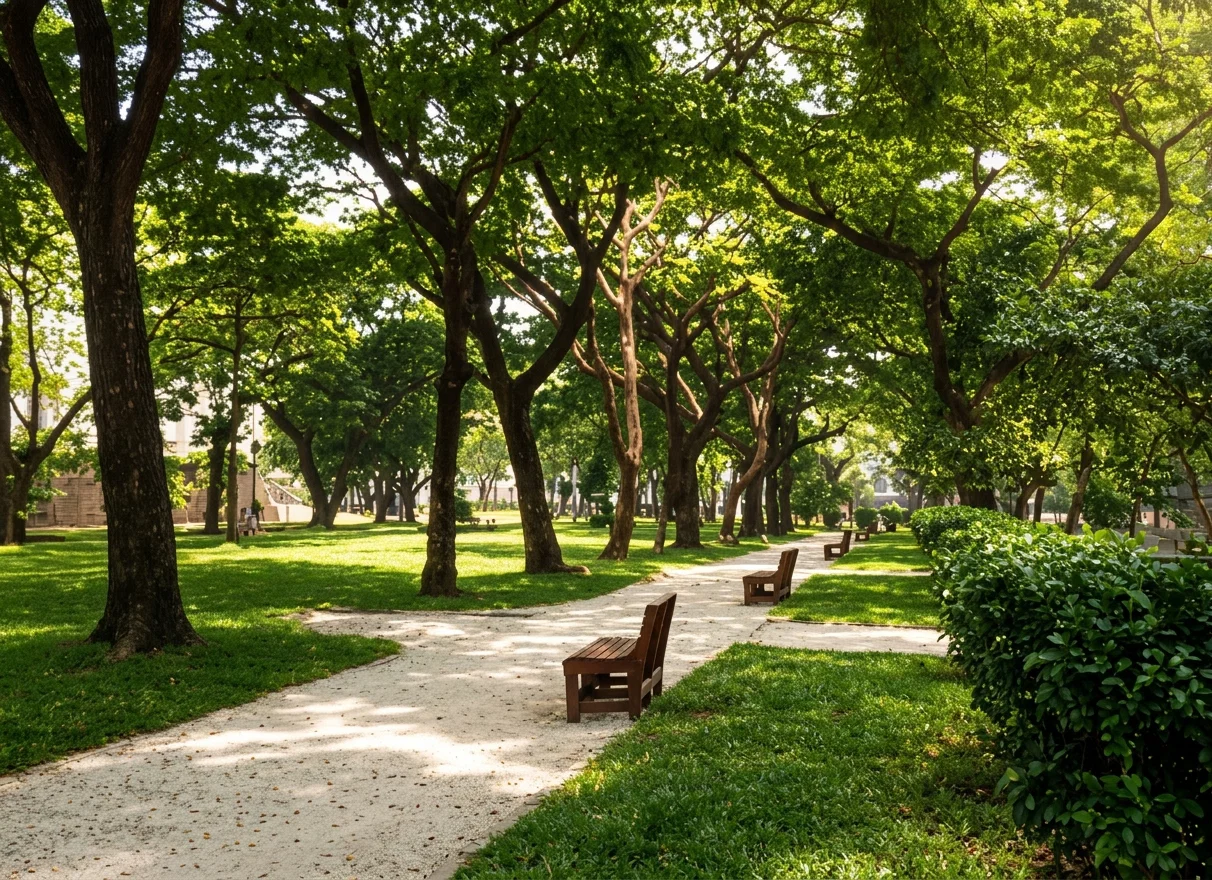
SCENE IN MANILA, PHILIPPINE ISLANDS
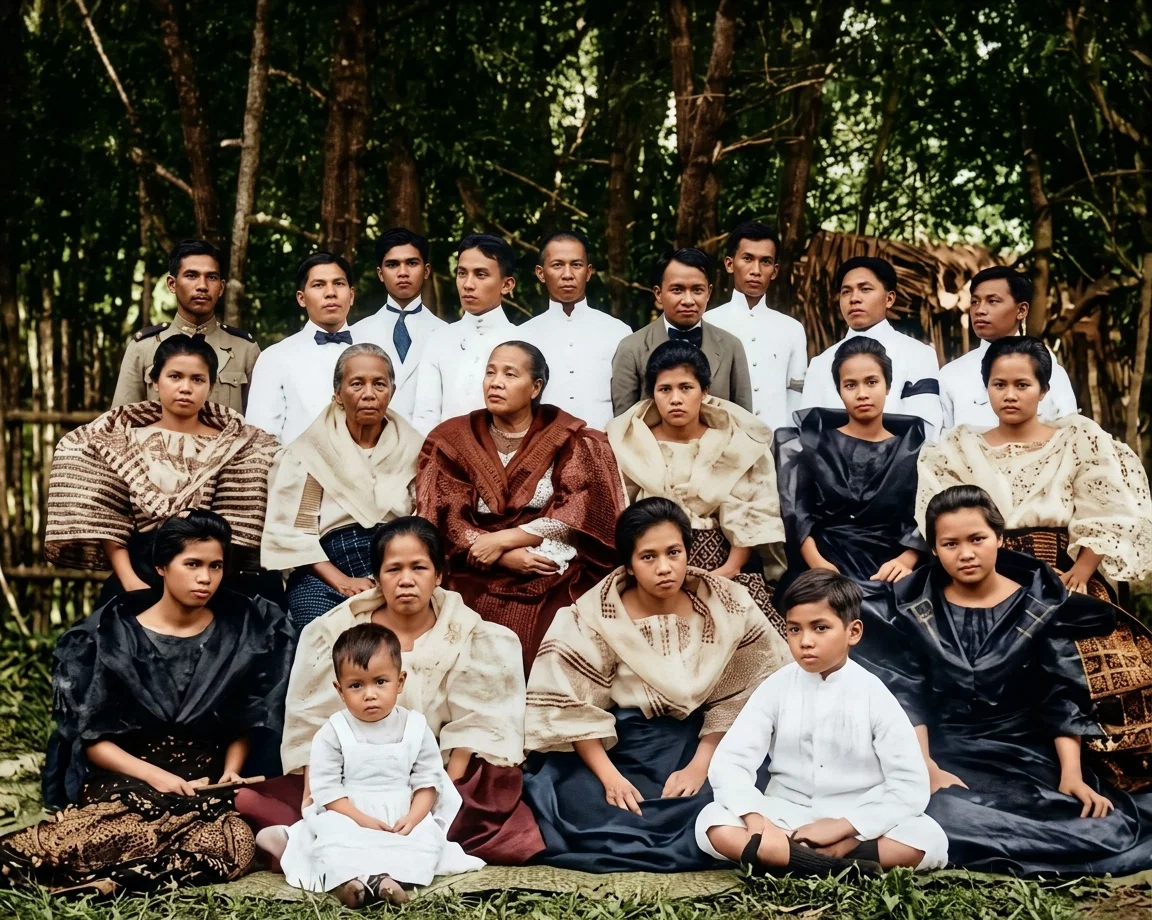
SABBATH-KEEPERS AT SANTA ANA, PHILIPPINE ISLANDS

The Philippine Islands—No. 4

Our Present Needs and Opportunities

L. V. FINSTER

[Prepared to assist in the special Sabbath-school offering for Korea and Philippine Islands, March 29.]
THE Lord has providentially gone before us in our work in the Philippine Islands. Our first church was organized in March, 1911, with a membership of eighteen. One year later this church had grown to one hundred members, and many others were keeping the Sabbath. The question in all our meetings is not how to secure an audience, but how to care for the ones who come.
Thus far we have no church building in Manila. Our meetings have to be held in our living-rooms. Rent is very high. For part of a house with six rooms and a kitchen, we pay sixty dollars a month. Two families have occupied these rooms; besides, they form an office, storeroom for our tracts and books, and meeting-house. I wish you could see our crowded conditions at quarterly meeting, with from eighty to one hundred persons in our living-rooms. It is very hard to preserve the proper dignity of the services of God under such conditions.
First, we must have a meeting-house, or chapel. This should be a large, substantial building that will seat at least three hundred persons. As Manila, with a population of nearly three hundred thousand, is the capital of the Philippine Islands, the natural center, it will be the place where our general meetings will be held; so we must not only plan for the present, but also for the future. On account of the intense heat it will be impossible to hold our general meetings in tents, as is done in many places.
The Filipino people generally are poor, having but little of this world's goods, and so are not able to put up the church we shall need. We must appeal to our people in the home land to help us to build our first chapel in the Philippine Islands. I am sure if you could look into the bright faces of these people and hear their good testimonies, you would feel it a privilege to help them all you could.
Second, we must have a mission home of our own. It is not a good business policy to pay out so much each month for rent. We have already paid nearly twice as much in rent as would build a cottage. One thing that has pained me very much during the past years was to have to pay out each month as much for rent as would employ two native evangelists, when there were so many pressing calls for help which we could not fill for lack of funds. Owing to the fact that so many government employees come to the islands expecting to spend only two or three years, but few desire to build, and so rent is held at an exorbitant figure.
The health of our workers living in tropical climates demands that they be given every possible advantage, that they may continue to labor in these trying fields. Many have had to return home with broken health for the rest of their lives, caused by living in insanitary places, when, for the expenditure of a few hundred dollars in proper homes, these laborers might have been saved to the field.
It is seldom possible to rent houses suitable for our work in these fields. The cost of building is high in Manila, as structures must be put up very substantially on account of the many earthquakes and the ravages of the ants.
We feel that these buildings will help to give stability to our work. The people will see that we have come to stay with them. We feel that the cause ofthe third angel's message among nine million persons should have some permanent headquarters.
The prospect for a good harvest of souls in the field is very favorable. In his recent letter Elder E. M. Adams writes concerning the many openings, as follows: “I think it is not possible for any one to realize the opportunities that are open for us now in this field unless he has been here. It makes me sad when I see the full ripe grain falling to the ground unharvested. Coming out of dense darkness and gross ignorance, as the Filipino has, he is anxious to grasp anything that offers enlightenment.”
Our tent-meetings are crowded not only on the inside, but on the outside persons will stand as far back as they can see.
We have opened work thus far only among the Tagalog people. Some one should go among the other tribes and begin the study of the languages, preparatory to opening up mission work. The doors are open for us to enter in all these different islands, and the Lord calls us now to delay no longer.