The Johnston Sunday Bill

4%

Review and Herald Publishing Association · Takoma Park Station, Washington, D. C. · Apr 7, 1910

FromReview and Herald, Vol. 87, No. 14.

Read the full edition

The Johnston Sunday Bill

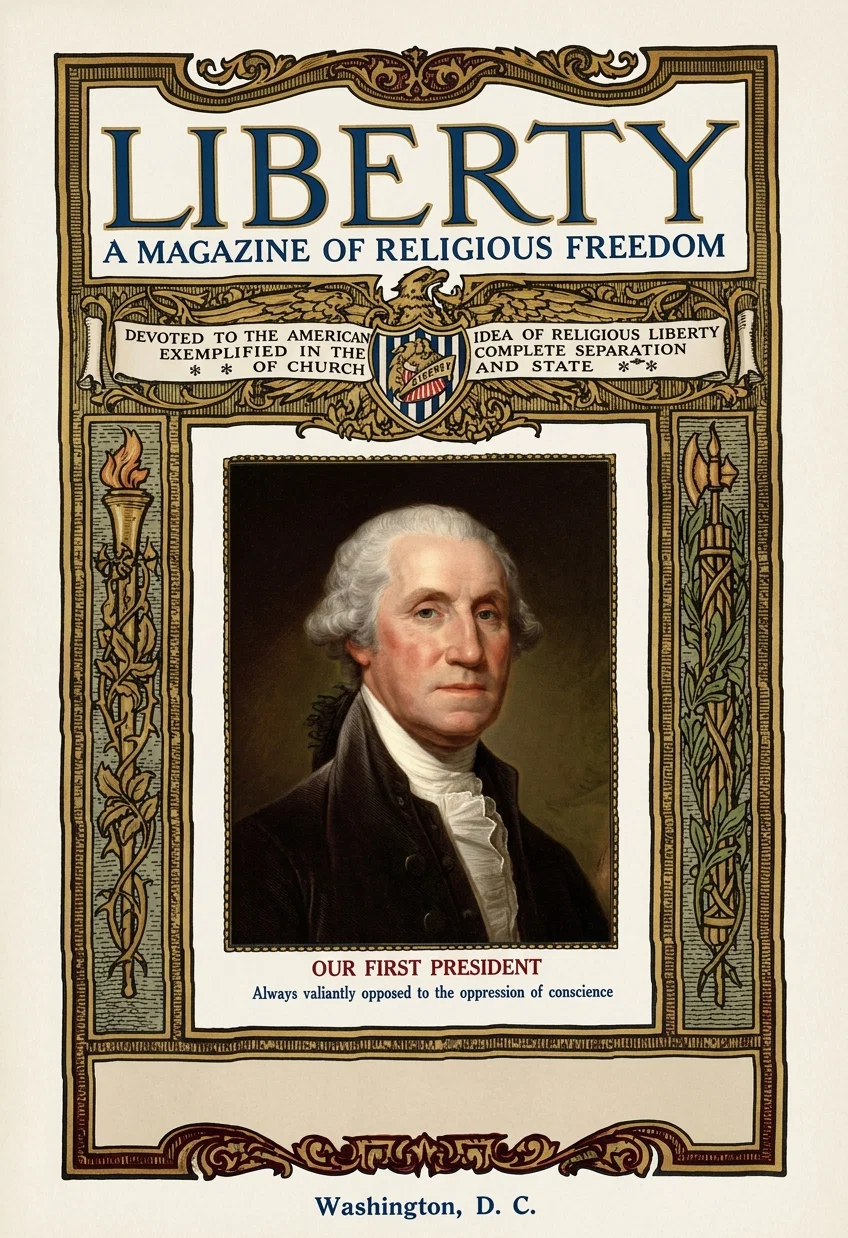
In the issue of LIBERTY for the second quarter of 1910 occurs the most complete report of the hearing on the Johnston Sunday bill before the House Committee on the District of Columbia that is likely to be published.
The Johnston Sunday bill is calculated to enforce Sunday observance in the District of Columbia. The District of Columbia as the seat of the national government is under the direct supervision and control of Congress, and a law to regulate Sunday observance in this territory would be secondary only to a national enactment. For this reason the hearing on this bill is considered the most important hearing on any Sunday bill ever held. Prof. W. W. Prescott, one of the chief speakers at the hearing, considers it the most satisfactory hearing ever held, from the standpoint of the opponents of the bill.
OUR FIRST PRESIDENT
George Washington, 1789-1797
OUR FIRST PRESIDENT George Washington, 1789-1797
At the time of the hearing the large committee-room in which it was held was crowded to the doors, and an intense interest was manifested.
No Seventh-day Adventist should fail to read the report of this hearing in LIBERTY, and to do all in his power to increase the circulation of this issue. At least one hundred thousand copies of this publication should be circulated within the next three months.
The number is very attractive, and ought to find a good sale everywhere through agents. One feature which will especially appeal to those to whom it is presented is the reproduction of pictures of the principal rulers of the world. Every one will be interested in seeing the faces of the sovereigns of the various countries, from the king of England to the boy emperor of China. This feature alone will help greatly in the sale of the magazine. LIBERTY is now ready to mail. Agents should get in their orders early.

In the Book Department

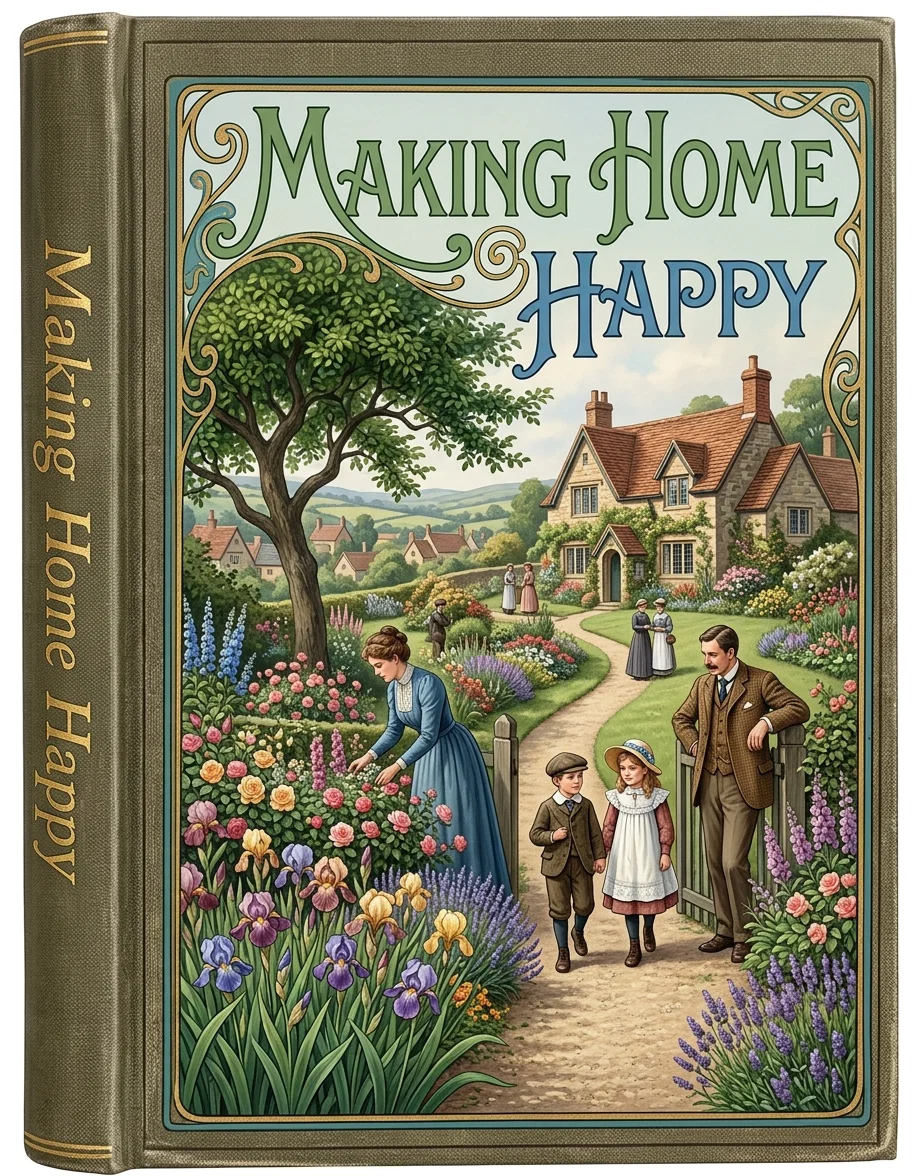
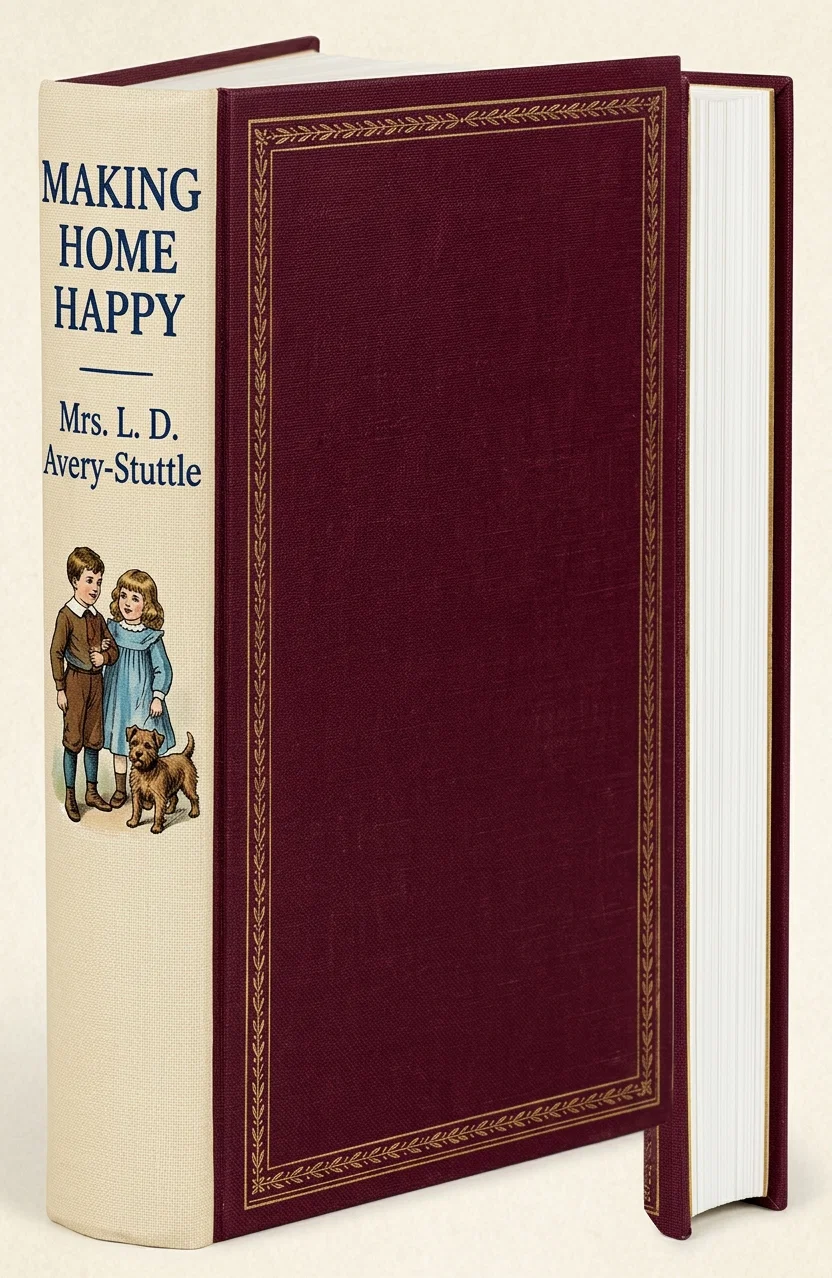
"Making Home Happy"

A great many people have gotten the idea that "Making Home Happy," by Mrs. L. D. Avery-Stuttle, is a book intended only for children, belonging to that class of literature generally termed, with a certain degree of mild sarcasm, "Sunday-school books." This is a mistake. "Making Home Happy" is a good, live, thoroughly interesting story. It is not a sugar-coated pill, but deals with real human characters and experiences. Read the first chapter of it, and you will then read the rest, not because you have to, but because you want to. You will follow with sympathetic interest the experiences of Paul and Emma Beardsley and their companions and of Old Pete, the converted drunkard, who finally finds his mistreated runaway son on the Western prairies.
Young people will read the book with as much interest as any other book in the library, and with greater benefit. Older ones will gain a new experience in reading it, for it teaches in a most impressive way an important lesson. There are smiles or tears in every chapter.
Prices: In cloth, 50 cents; in paper, 25 cents. Order from your tract society or from the publishers.

"Talks With My Students"

There are just a dozen chapters embraced in the eighty-four pages of the little book, "Talks With My Students," by Frederick Griggs, and they cover as many different phases of character building. It was the custom of Professor Griggs for a number of years to deliver short morning talks to his students as they assembled ready for work. Some of these talks were stenographically reported, and a selection was made to form this book.
Not alone to educators or students will "Talks With My Students" be interesting and helpful reading, but to all who are giving the thought to the development of Christian character that the problem demands.
In cloth, with title stamped in gold, this makes a neat volume, very suitable for a gift book. The price is 50 cents. Copies may be obtained through any tract society or direct from the publishers.

The Teacher's Choice

Some time ago the teacher in a Western public school asked her pupils to bring in for examination all the books that they had bearing upon physiology, that one might be selected from which she could read to the school. A number of books were brought in by the students, and of them all the one that was selected by the teacher was "The House We Live In," by Vesta J. Farnsworth.
"I have not seen a book better adapted for the schoolroom," the teacher said. "It is ideally arranged for presenting the facts about the body in such a way as to interest the young people. It reads more like a story than a text-book, and in this way holds the attention of the child perfectly."
"The House We Live In" is a book which is not alone valuable in the school-room, but which is of special use to parents in teaching their children to take an active interest in the care of the body.
Order From Your Tract Society, or Direct From the Review and Herald Publishing Association, Washington, D. C.