The School Is the Ally of the Mission

6%

Review and Herald Publishing Association · Takoma Park Station, Washington, D. C. · Nov 4, 1909

FromReview and Herald, Vol. 86, No. 44.

Read the full edition

The School Is the Ally of the Mission

As gospel workers forge their way into the heart of heathen lands, they must depend in an increasing measure upon the school as their strong ally. Effective missionary service requires keen minds as well as pure hearts, and men and women should be as definitely educated for such service as for any other calling in life.
To a people believing that the time has come for the last gospel message to go to all the world, the question of the education of their children and youth for service in forwarding the cause of truth is naturally a matter of paramount importance; for it is the youth, most largely, who must brave the unusual environments and endure the hardships of frontier mission life.
Seventh-day Adventists believe in a Christian education that educates the mind, hand, and heart for useful manhood and valiant Christian service. They have over six hundred schools of all grades, from the primary through the college courses. The enrolment in these schools is over sixteen thousand, for which nearly eleven hundred teachers are employed. From these students are continually taken recruits, strong young men and women, who are ready to go forth in missionary service wherever the providence of the Lord may call.
The value of thorough preparation for missionary service is strikingly shown in the marvelous work of Judson, Livingstone Paton, Williams, Moffat, and a host of other noble men and women, who, in the strength of their youth, planted the banners of the cross in the darkest and most remote corners of the earth. These men and women were trained for their work; they were either college bred or had pursued such courses of study and manual work as eminently qualified them for the severest tasks which man can undertake.
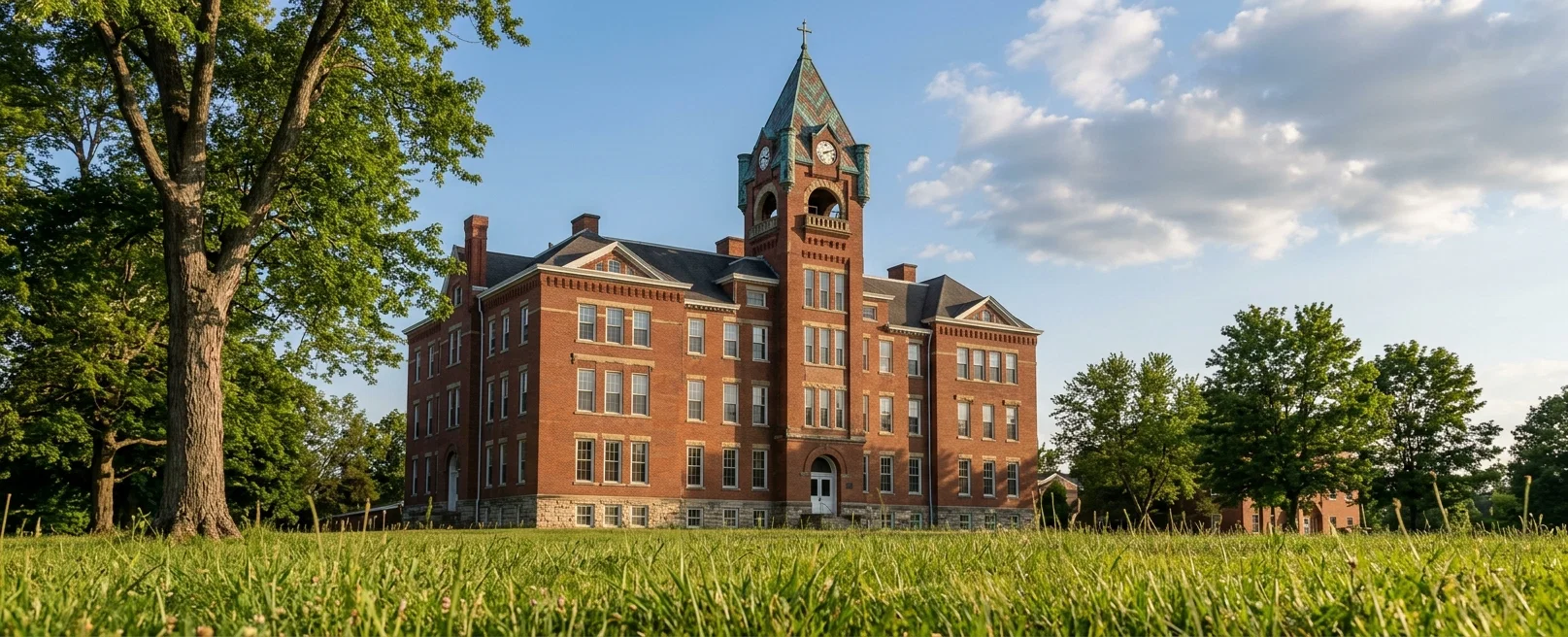
MT. VERNON COLLEGE, OHIO
For this trying gospel service, more than a strong mind is needed. That mind must be supported by a healthy, vigorous body; and any education aiming to equip for such service falls short if it does not give proper heed to the development of all the physical powers. It is incumbent also in the preparation of the missionary to teach him to be skilful with tools, and in the treatment of disease. The larger his abilities in these directions, the better; for he will have abundant opportunities to put to good use all the knowledge and experience he can acquire.
But the educational factors in mission work lie not alone in the home lands in the preparation of men and women for foreign service. The mission field itself is fruitful educational ground. For example, one of our missionaries in the interior of Africa writes:—

A Letter From Africa

“The providence of God has been urging us forward in a remarkable way. We have not been able to answer the calls for several more out-schools, though we are now building the fifth one. The four already running have an attendance of almost two hundred pupils. In them we have eight native teachers and assistants. We have eight out-schools in all.
“The smallpox was very bad among the natives last July. Our native teachers were attending a teachers’ institute at the central station. We called for a volunteer teacher to go to some villages four miles away. He must go into quarantine and run the risk of getting the smallpox himself. Six persons had already died in those villages. We held out the good opportunity of teaching the message before others die. One teacher volunteered, and we are starting the school.
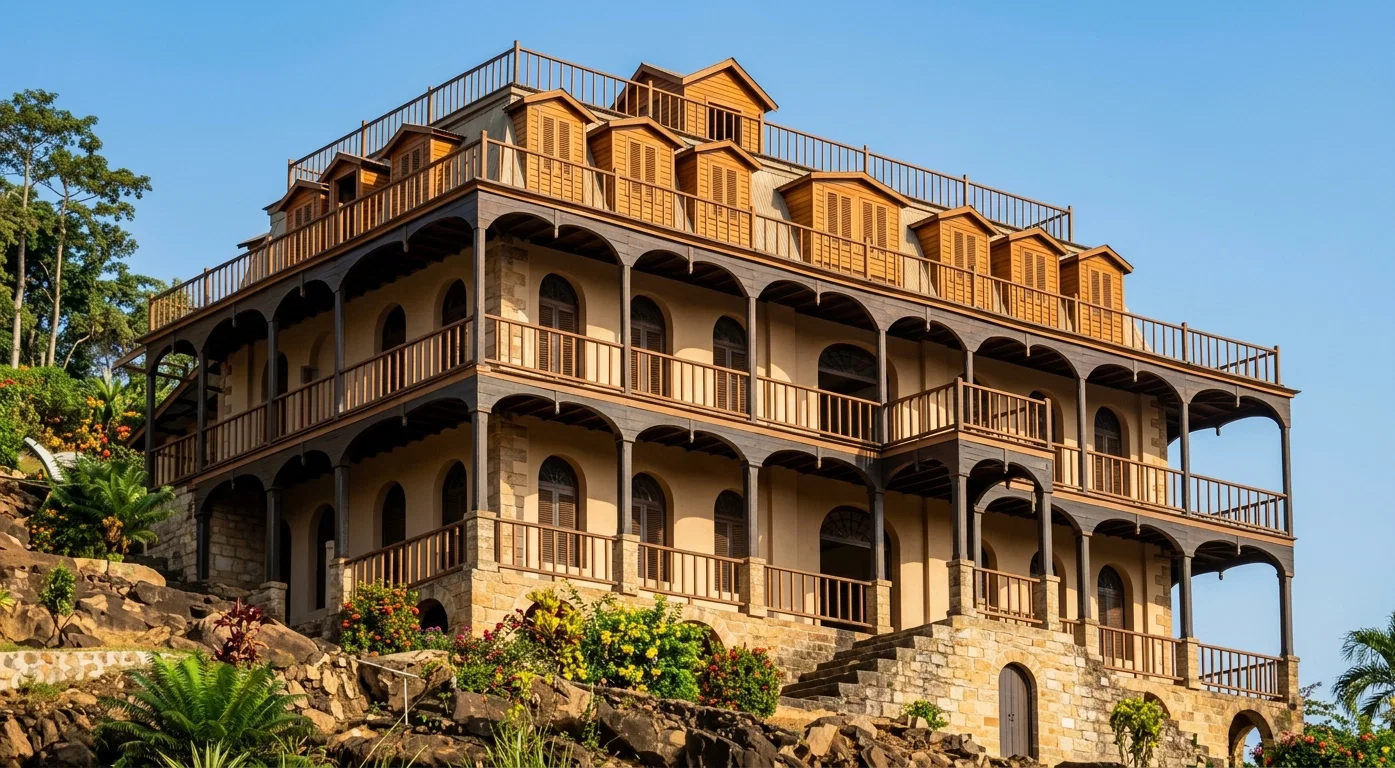
TRAINING-SCHOOL, FREETOWN, SIERRA LEONE, WEST AFRICA
“These out-schools are built of poles and grass, and do not cost any money. The seats are made of short poles laid on crotches set in the ground. The floor is natural earth, the door and window are open spaces in the grass wall. The furniture is a small blackboard, some old slates, one native Bible for the teacher, and native primers, costing six cents each, for the pupils. The wages of the teacher is four shillings (one dollar) a month, andhis food, which costs about fifty cents a month. Don’t you think we can well afford to multiply such schools, which cost so little? But as we multiply schools, you must provide more white teachers to oversee the schools.
“You rightfully ask, ‘What fruits come from these out-schools? Do the people accept the message?’ Even if we do not see them receiving the truth at once, we should multiply schools. In these out-schools are many children who never saw a white man nor a Bible, nor ever heard the name of Jesus. But some do accept the message. At our last baptismal service seventeen were baptized. Six months before, the chief of those villages was baptized. Others who were too old or too young to walk seventy-five miles for baptism are still waiting. Among those last baptized was the son of the chief of several villages where we have another out-school. We have baptized forty-eight since coming here. Forty to fifty are receiving instruction, in preparation for baptism. We seldom baptize any until they have been taught one year or more.”
This report serves but as an illustration of the missionary value of educational effort, not only in Africa, but in all lands of missionary endeavor, though of course the character of the work varies in different lands according to the needs and conditions of the people.
FREDERICK GRIGGS, Secretary Educational Department.