It having been decided at the late German Union Conference that I should assist Elder L. R. Conradi in the general work of the union, it was thought best for me to visit Russia, which I did, for the first time, in the early part of October. Stopping a short time in the capital of Poland, Warsaw, which has 638,000 inhabitants, I had opportunity to talk with our only brother in this large place, as he met me at the depot. Besides this brother we have eleven isolated Sabbath keepers in Russian Poland, with its ten millions of people. Just think of it! One representative for a little less than each million of inhabitants! Thinking of these millions of unsaved men and women, who wander about as sheep without a shepherd, I could not help but say to myself: “And what have we as a people done to bring the light to these poor souls, the purchase of the precious blood of Christ?”
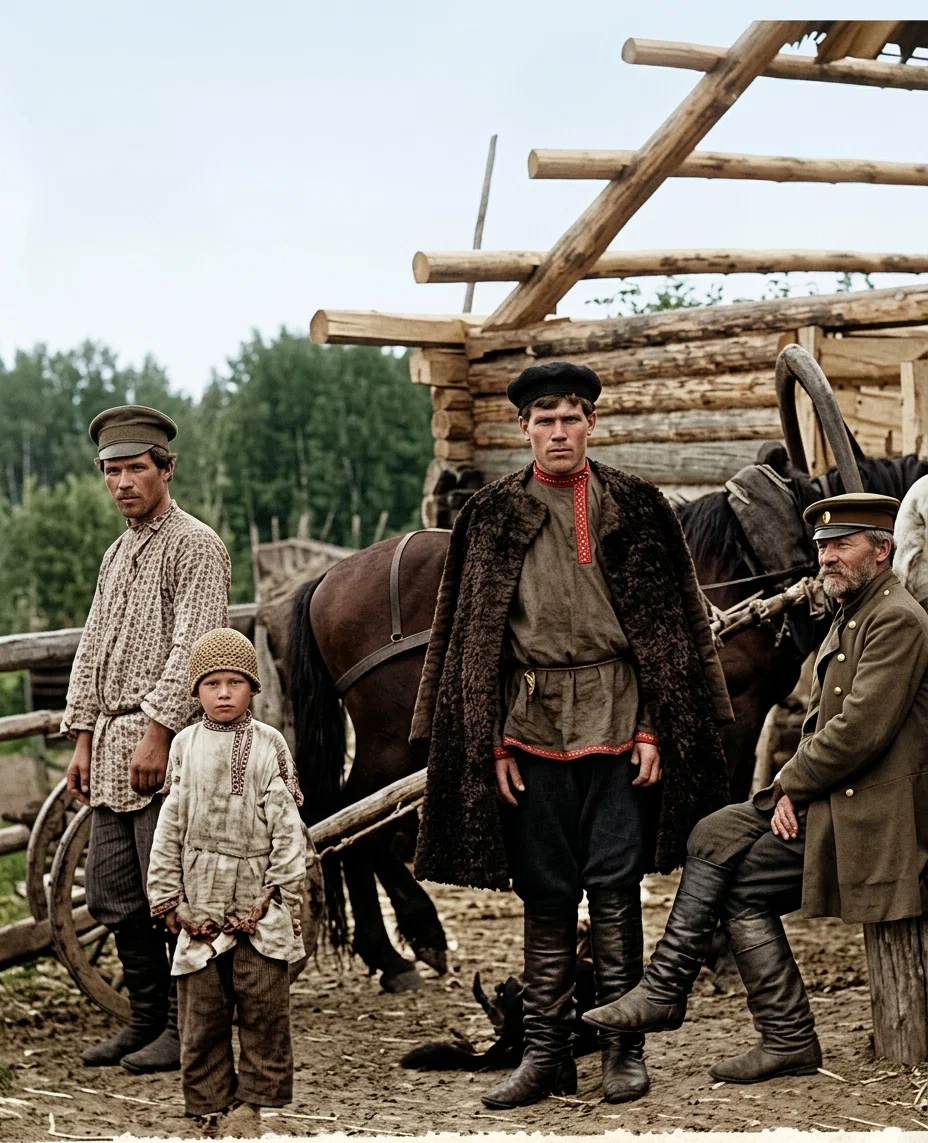
RUSSIAN LABORERS
Twenty-four hours more by train brought me to Zhitomir, Volhynia, where I met Elder Gaede, and together we rode five hours in a Russian lumber wagon, with the wind blowing as it knows how to blow only in the land of the czar. Next evening we proceeded to our meeting place, the home of a brother in the country, where we arrived after dark, to avoid detection; for our brethren here had had some difficulty with the authorities in reference to the holding of religious meetings. Remembering this, our people in the North Russian Mission had been seeking the Lord earnestly, pleading for his special care and protection at the time of their general meeting. Their prayers were heard. The Lord came very near. We had the best meeting I ever attended. Although the sheriff was in the village, we were unmolested. As the brethren in that section are very poor, some of them had come forty or fifty miles on foot to be present with us, but they felt fully repaid for the hardship and inconvenience they had experienced during the journey. The meetings were held in a barn. The question of providing lodging accommodations for those assembled was very simply but practically solved: in one part of the barn were rough benches and tables, which constituted the dining-room furniture. The weather was cold,—there was even some snow,—and we were obliged to eat without removing our hats and overcoats; but, as the warmth of the love of God glowed in our hearts, we enjoyed our meals very much. At night, after the last meeting had been dismissed, the assembly rooms were transformed into sleeping apartments. In the larger room the brethren lay down on some straw, which was brought in at night and removed in the morning, while the sisters slept in the same manner in the other room. As we were continually together in this way, we were enabled to make the best possible use of our time.
We next visited Kief, the holy city of the Russians. Here we held a meeting with a company of Sabbath keepers. Should you inquire why Kief is called a “holy” city, one would be compelled to answer: Because there are in this city so many holy relics of the saints. Thousands and thousands of pilgrims wend their way thither every year, that they may devoutly worship and offer candles before them. Many of these religious devotees come long distances on foot, with only a bag of dry zwieback strapped to their back, which, with water, forms their only food. The little money in their possession must be retained for an offering to the saints. One might suppose that these pilgrims would hear some good sermons in the holy city, around these shrines, but one would seek in vain for a pulpit. What then do they do?—They bow down and cross themselves before images of gold and silver, even kissing them. Among the images are also to be seen coffins, said to contain the corpses of foreign saints; these, too, are kissed and worshiped. As I saw these poor souls kneeling before their idols, and thought of the one hundred and twenty-eight millions of people in Russia, the majority of whom are in the same darkness, and then, on the other hand, when I thought of the self-satisfaction of our church members with regard to the light which they have received, I felt like crying out: “Spare thy people, O Lord, and give not thine heritage to reproach, that the heathen should rule over them.”
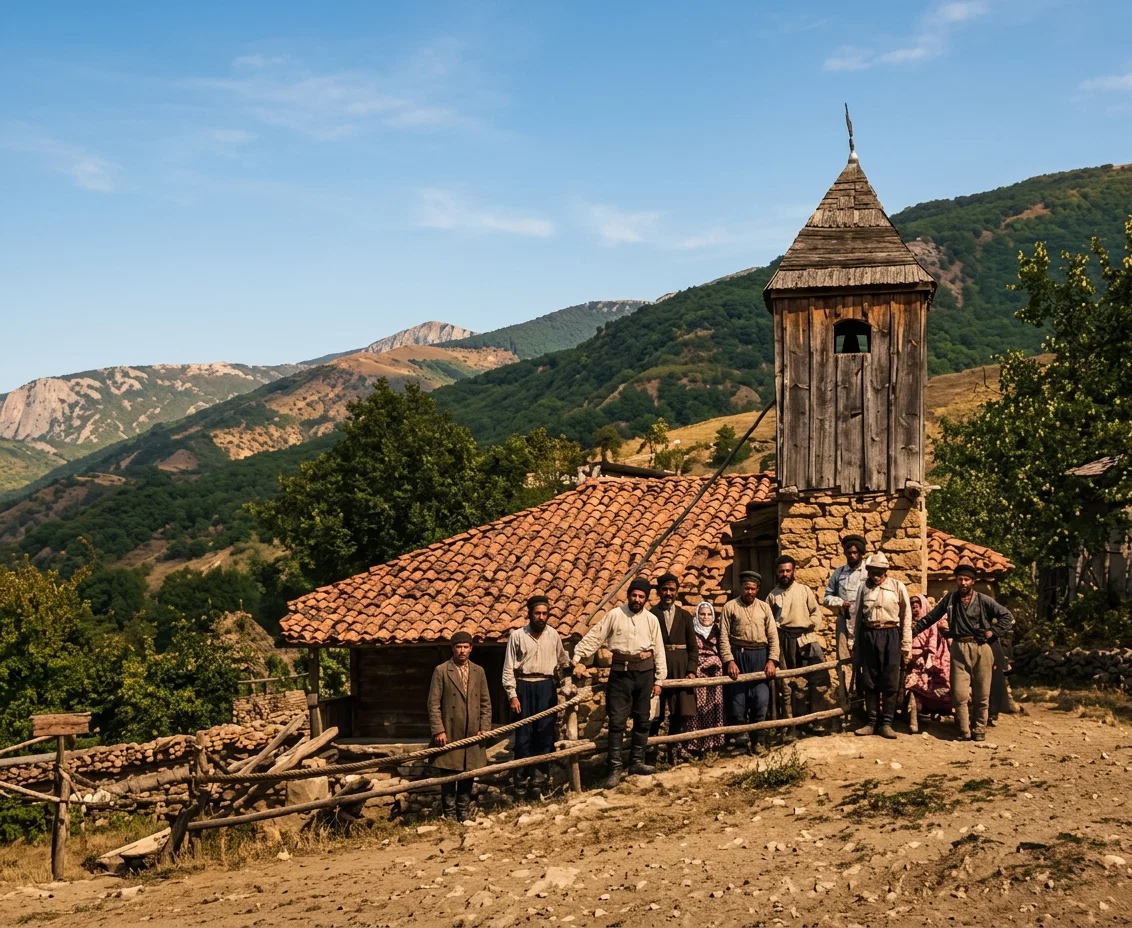
A TARTAR CHURCH IN THE CRIMEA
These idol worshipers know nothing of a Saviour. One of them, when questioned with reference to Christ, replied: “Is that true? Yes, I believe I once heard about a man like that.” I never saw people more anxious to hear the precious gospel for these days. We have been so slow that the Lord has gone out before us, and in several places companies are keeping the Sabbath, and waiting for us to come and baptize and organize them. But were we to do this, where would we obtain the literature necessary for their development and education? Where are the living messengers? O that we had one wide-awake minister for even every ten millions of the native Russians! While we have been doing something among the Russian-Germans for sixteen years, the work among the Russians themselves is but just begun. But those who work here must be men of courage and faith, men who are not afraid of imprisonment and Siberian exile; for if discovered, he who is instrumental in bringing men from the darkness of the established church into the light of present truth must suffer imprisonment and expulsion from the country if he is a foreigner, or lay himself liable to a cruel exile if he is a native.
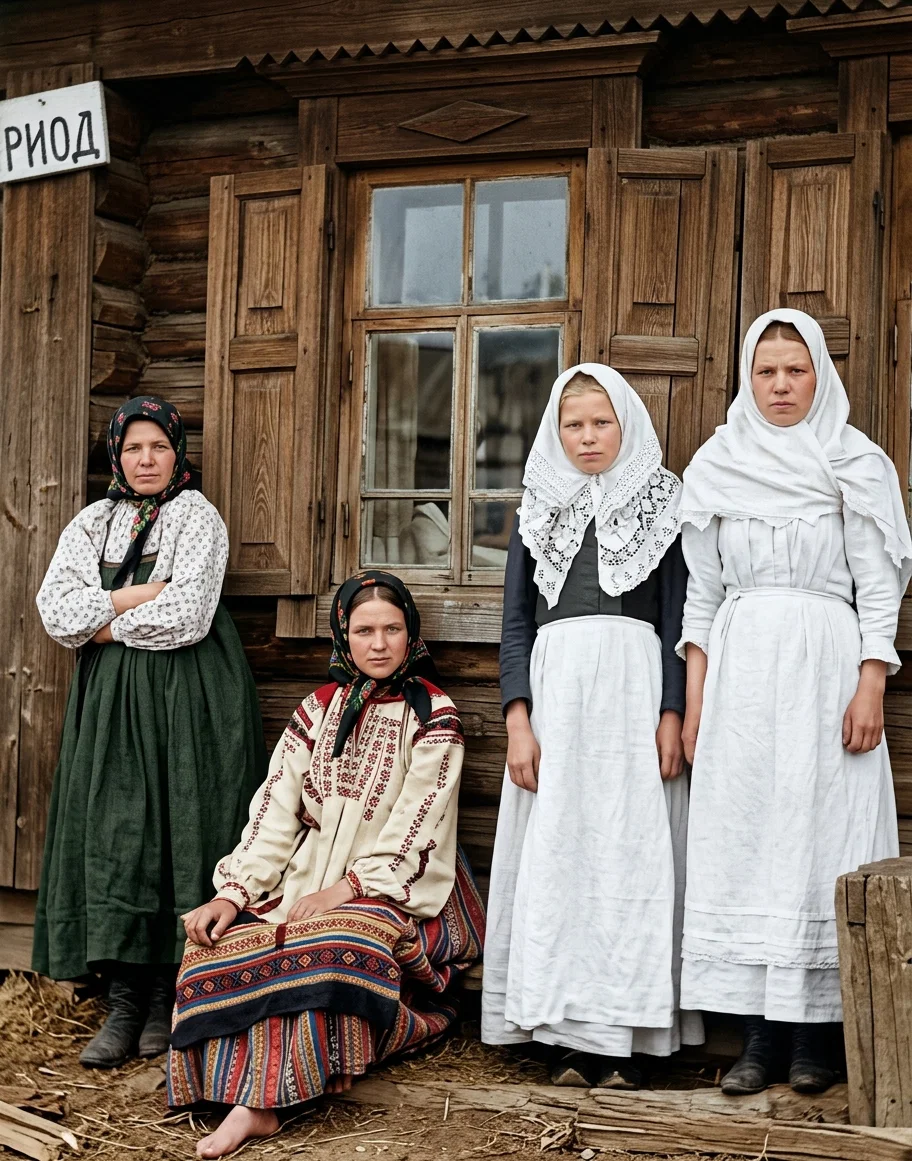
RUSSIAN PEASANT WOMEN
After another visit among some of the German churches in Bessarabia, we took the steamer from Odessa to Eupatoria, in the Crimea, where our general meeting for the South Russian Conference took place. Here we did not expect any trouble, and the churches, being more negligent than our brethren in16the north had been, did not especially seek God for protection. After holding our meetings in the house of one of our members for several days, the Lord impressed us with the thought that we should change our gathering to another place that afternoon; and no sooner had the transfer been made, than the policeman came, inquiring about the meeting and the foreigners, meaning Elder Gaede and myself. We now began holding our meetings in still another place, and stationed watchmen, whose duty it was to warn us in case of approaching danger. The next afternoon, as we were going from one place of meeting to another, we passed our lodging place, intending to step in for a minute, when suddenly we saw the police there, looking for us. Although they looked toward us, yet their eyes seemed to be holden, and we escaped.
As it was necessary for me to meet Elder Conradi in Friedensau before his departure for Egypt, it seemed best for me to leave that night, which I did, by wagon. Although very thankful for this blessed experience and the special help and protection of the Lord, I shall not be satisfied until my anxious prayer for Russia is heard, and the Lord impresses our people everywhere to do something definite for these millions who are in darkness, and more means are provided for the publication of much-needed literature, and for the education of more workers. There may be those who cannot give of their earnings or income; but there is no one who cannot earnestly and continually remember our workers in Russia before the throne of God, in their private devotions and around the family altar. Dear reader, do not forget the cause of God in this large field.