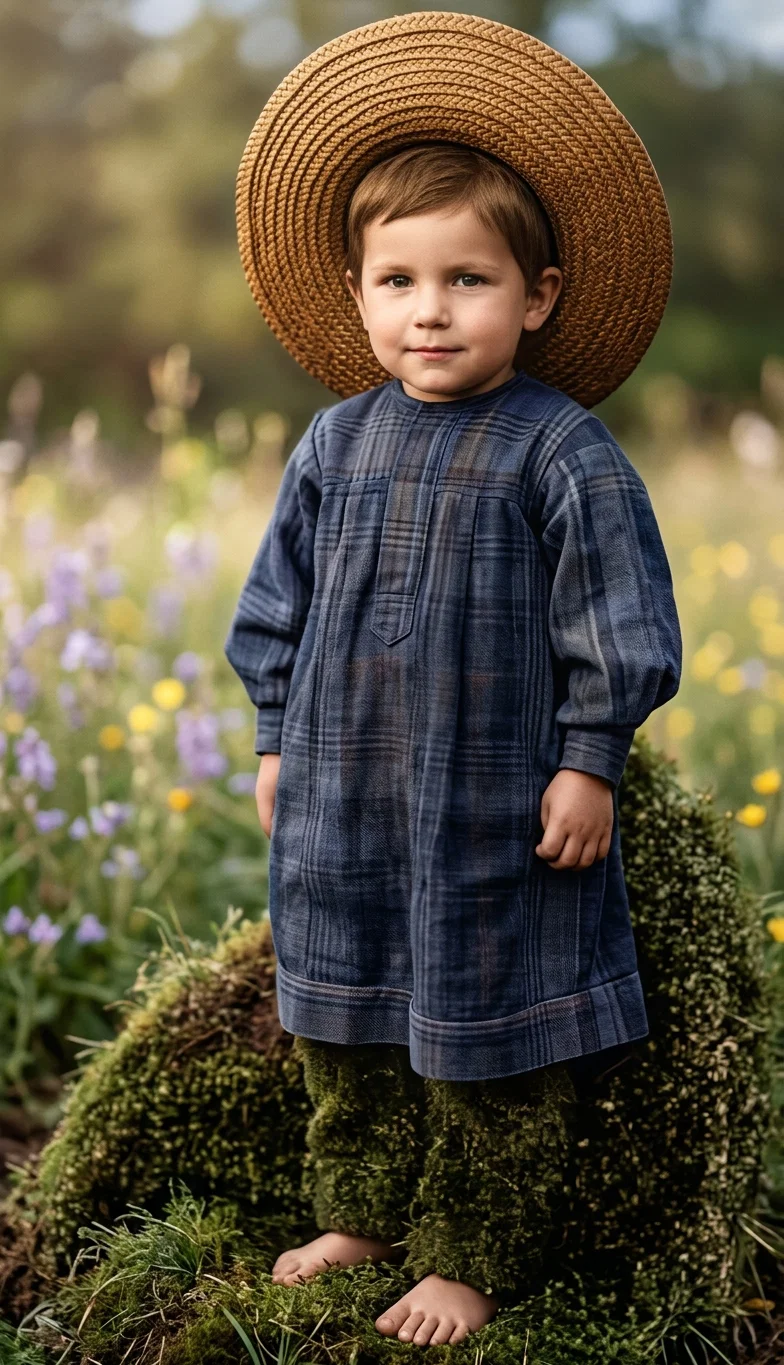
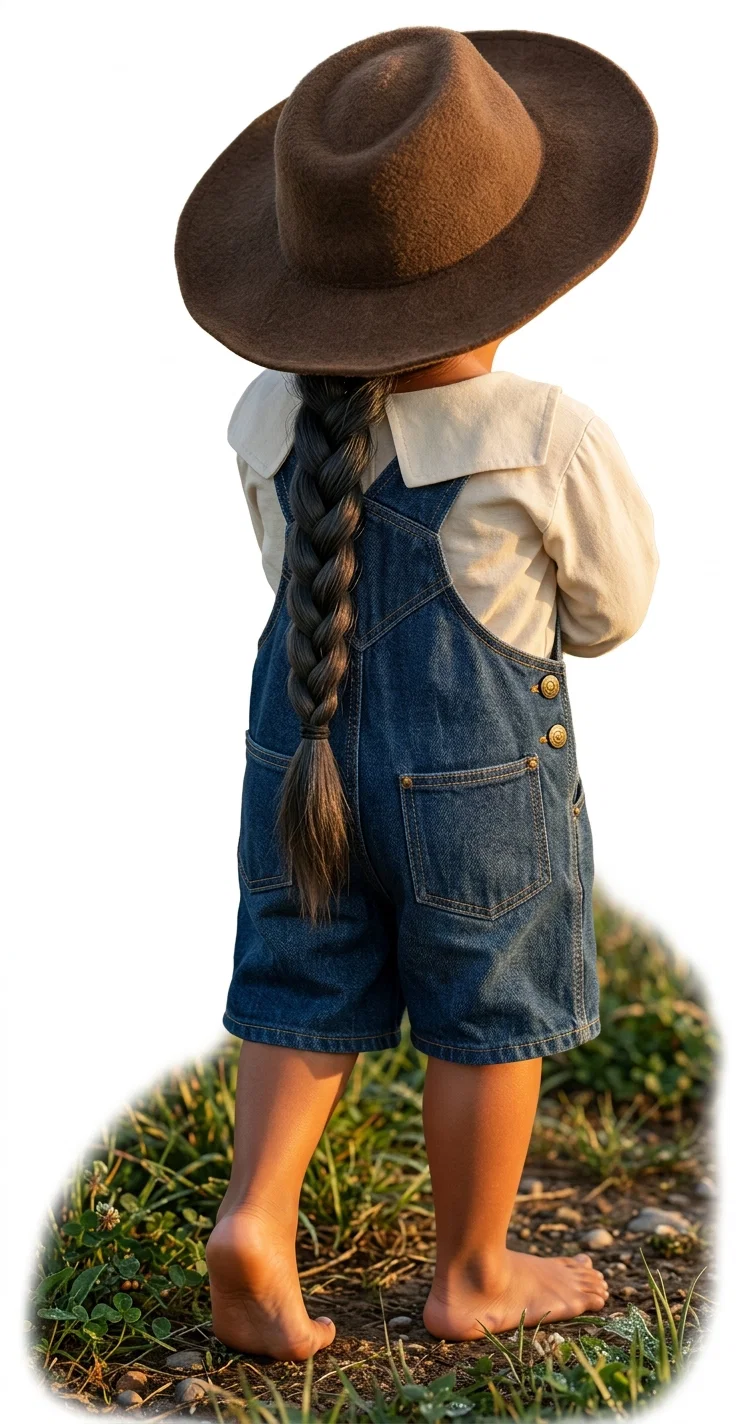
The Barefoot Boy

14%

Seventh-day Adventist Publishing Association · Battle Creek, Mich. · Apr 1, 1902

FromReview and Herald, Vol. 79, No. 13.

Read the full edition

The Barefoot Boy

O FOR boyhood's painless play, Sleep that wakes in laughing day, Health that mocks the doctor's rules, Knowledge never learned of schools, Of the wild bee's morning chase, Of the wild-flower's time and place, Flight of fowl and habitude, Of the tenants of the wood; How the tortoise bears his shell, How the woodchuck digs his cell, And the ground-mole sinks his well; How the robin feeds her young, How the oriole's nest is hung; Where the whitest lilies blow, Where the freshest berries grow, Where the groundnut trails its vine, Where the wood-grape clusters shine; Of the black wasp's cunning way, Mason of his walls of clay, And the architectural plans Of gray hornet artisans! For, eschewing books and tasks, Nature answers all he asks; Hand in hand with her he walks, Face to face with her he talks, Part and parcel of her joy,— Blessings on the barefoot boy!
O for festal dainties spread, Like my bowl of milk and bread, Pewter spoon and bowl of wood, On the door-stone, gray and rude! O'er me, like a regal tent, Cloudy-ribbed, the sunset bent, Purple-curtained, fringed with gold, Looped in may a wind-swung fold; While for music came the play Of the pied frogs' orchestra; And, to light the noisy choir, Lit the fly his lamp of fire. I was monarch: pomp and joy Waited on the barefoot boy!
Cheerily, then, my little man, Live and laugh, as boyhood can! Though the flinty slopes be hard, Stubble-speared the new-mown sward, Every morn shall lead thee through Fresh baptisms of the dew; Every evening from thy feet Shall the cool wind kiss the heat; All too soon these feet must hide In the prison cells of pride, Lose the freedom of the sod, Like a colt's for work be shod, Made to tread the mills of toil, Up and down in ceaseless moil; Happy if their track be found Never on forbidden ground; Happy if they sink not in Quick and treacherous sands of sin. Ah! that thou couldst know thy joy, Ere it passes, barefoot boy!
— Whittier.