Cook Islands

14%

Review and Herald Publishing Association · Washington, D. C. · Nov 19, 1903

FromReview and Herald, Vol. 80, No. 46.

Read the full edition

Cook Islands

RARATONGA.—As we work among the people, we find many inquiring for the truth. We recently met an influential native from Aitutaki, who told us that he had read his Bible through three times to find the truth on the Sabbath question, and had failed to find evidence of the sanctity of Sunday, the first day of the week. He pressed us to promise that we would soon present the truth on this and other questions in his island. On this same island, Brother E. H. Gates and I spent a day on our way from the late general meeting at Tahiti. We had with us a parcel of tracts on the second advent, and everybody we met, from the leading chief downward, was most anxious to receive a copy. There must be no delay longer in entering this promising field. Several young people in Raratonga have lately attended our meetings, and have begun to observe the Sabbath. We hope that they will have courage to be publicly baptized. This ordinance is a great cross to the Maori.
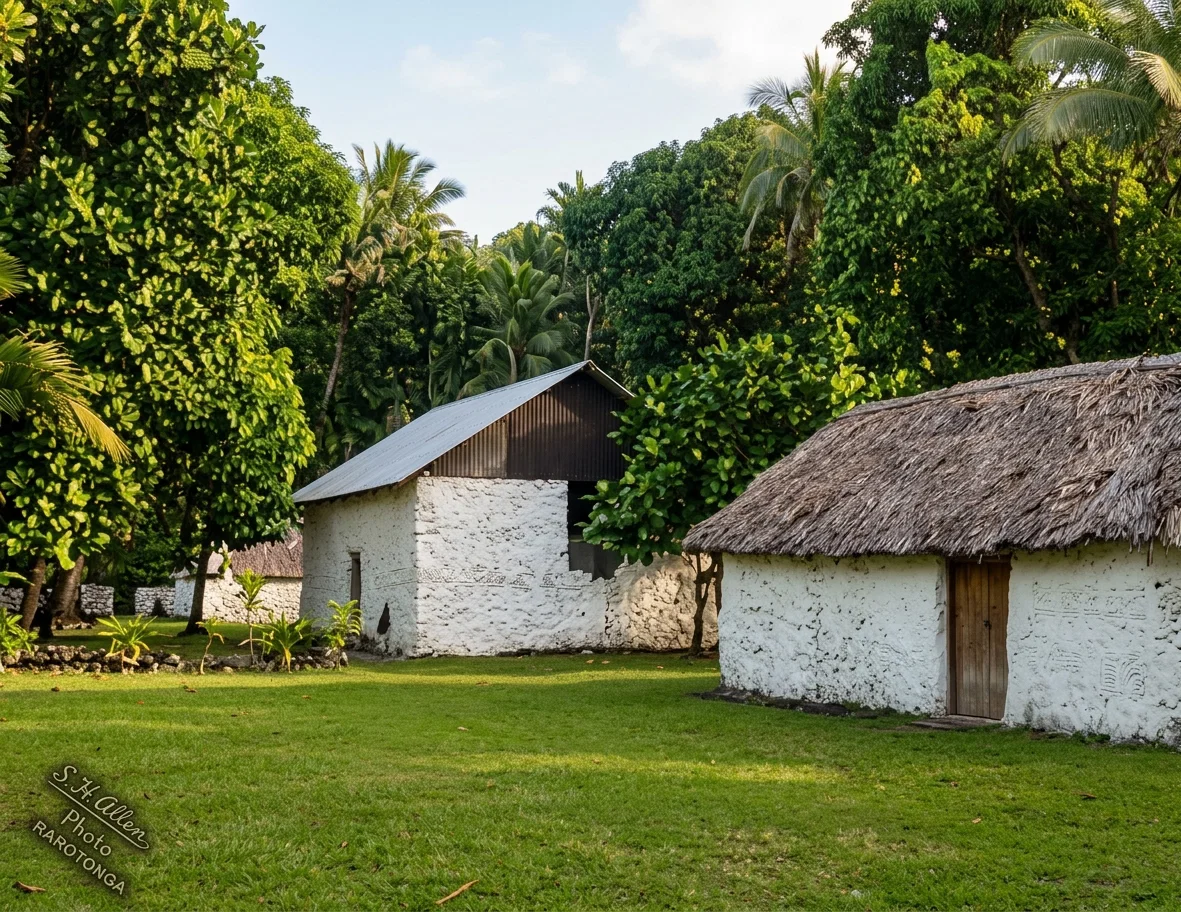
SCHOOL BUILDINGS, RARATONGA
Our church building at Titikaveka is slowly nearing completion. The native brethren devote much of their time to this enterprise, and it is a pleasure to note the interest they take in it. So far we have not spent a penny in wages.
The attendance at our boarding school is not so large as it was last year, but some of those attending give promise of future usefulness in the Lord’s work. We are very glad that we have such an institution; for it is doing a good work. We are sure that it would rejoice the hearts of the brethren in America, who gave of their means to help this enterprise, if they could step in and spend a day with us in our school work. The accompanying picture shows the main buildings.
On the third of last July we lost, by death, the first native of this group to accept present truth. Rata, for such was his name, was a good man, and lived up to all the light he had; he was an Adventist at heart. When first our workers came in contact with him, he was about as low in sin and degradation as any man could be; but after his conversion he was an example of the power of saving grace. During the long illness that preceded his death, we never heard him complain; and as we prayed with him, he, in his prayers, often told the Lord that he would like to be strong again, but that he was content to be, in Jesus’ keeping, well or sick. As we laid him to rest among the tombs of his heathen ancestors, we felt sure that on the resurrection morning, now almost due, we, if faithful, would meet our brother again to be “ever . . . with the Lord.”—
A. H. PIPER.