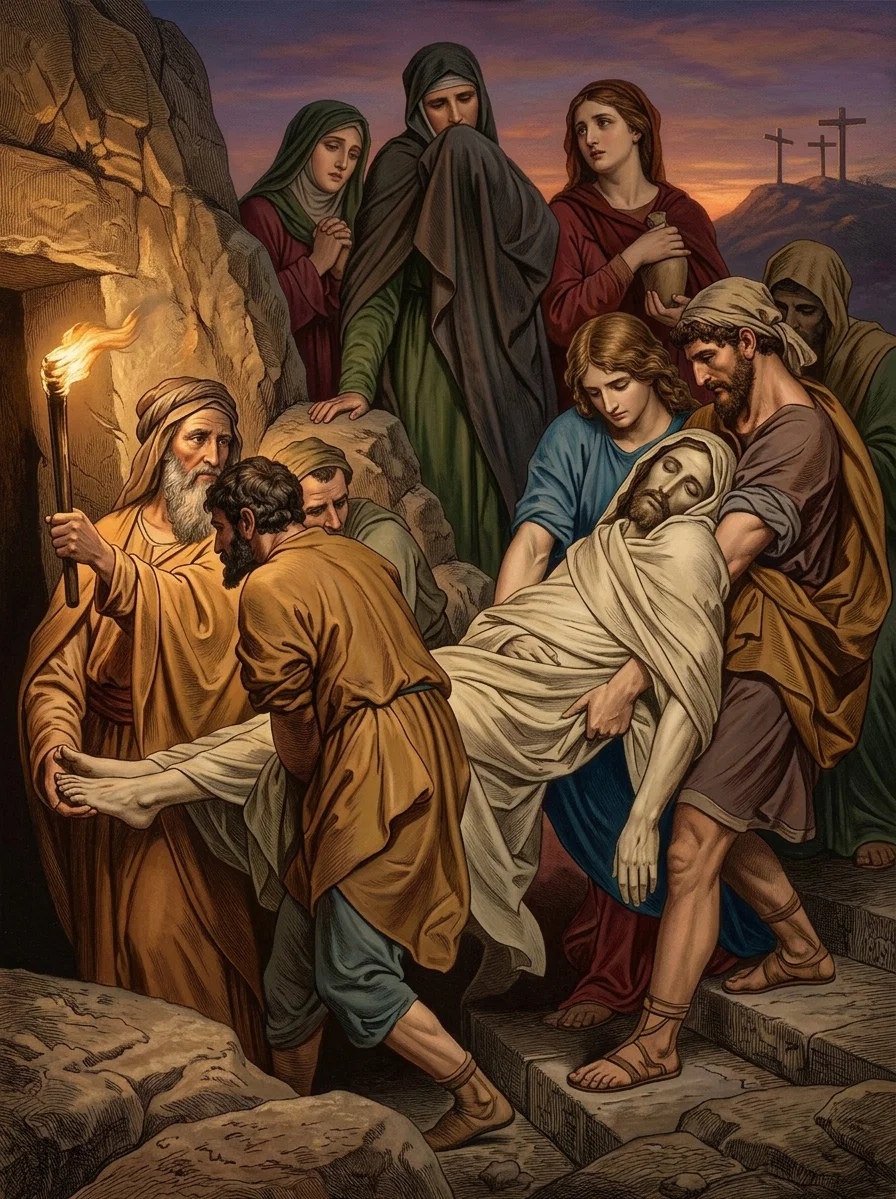
A CERTAIN radical sect teaches that only the elect are predestined to salvation; that God never tries to save the others, as they are born to be lost. In harmony with this, they hold that Christ, instead of dying for all, died for the sins of this privileged class only. Nearly all Bible students of to-day have rejected this provincial view, knowing that if Jesus died for any, He died for all. The Scriptures state very plainly that Christ “by the grace of God should taste death for every man.” Heb. 2: 9.
New Theological Invention
In a crude, inconsistent book recently published, the author propounds what he regards as a new “invention in the theological world.” He has discovered—so he claims—that it is untrue that “Christ died for all the sinning of all men.” “He did not taste death for every sin which it is possible for a man to commit.” “Christ died for all men, but not for all sins.”
The exception, the sin for which Christ did not die, is declared to be the sin against the Holy Spirit. “The sinning which is ‘unto death’ is the sinning which our Saviour did not bear.” This is the sinning which did not meet its penalty in the death of Christ. Not only is this unpardonable sin said to be “a final rejecting of the gospel,” but we are told that if a man had sinned “with a full knowledge of what he was doing, he would not have found mercy.”
We apprehend that this discovery is not so new as the writer supposes; whether old or new, it is woefully out of plumb with the Bible. For if this theory is right, some very precious scriptures will need to be revised. Instead of reading, “Behold the Lamb of God, which taketh away the sin of the world,” we will have to read, “Behold the Lamb of God, which taketh away a part of the sin of the world.” And the fifty-third chapter of Isaiah, that marvelous portrayal of the sufferings of our blessed Redeemer, would have to be very carefully edited, or possibly entirely eliminated. We could not say, “The Lord hath laid on Him the iniquity of us all,” but, “The Lord hath laid on Him a share of the iniquity of us all.”
Our difficulties, however, increase when we come to the New Testament. We are told in 1 John 2: 2 that Christ “is the propitiation for our sins: and not for ours only, but also for the sins of the whole world.” We might as well be blunt and right to the point. If this “new discovery” stands the test of truth, the above verse is a falsehood. The phrase, “the sins of the whole world,” is not qualified. It must mean all the sins of the whole world. Christ did not die for the sins committed by the fallen angels. They are not of this world. But if this and other like texts are true, then He did die for all the sins of all mankind.