The Vote on the Prohibition Amendment — Intense Interest Manifested — An Unprecedented Petition — Very Encouraging Showing — The Battle to Continue
By MAHLON E. OLSEN, A. M.
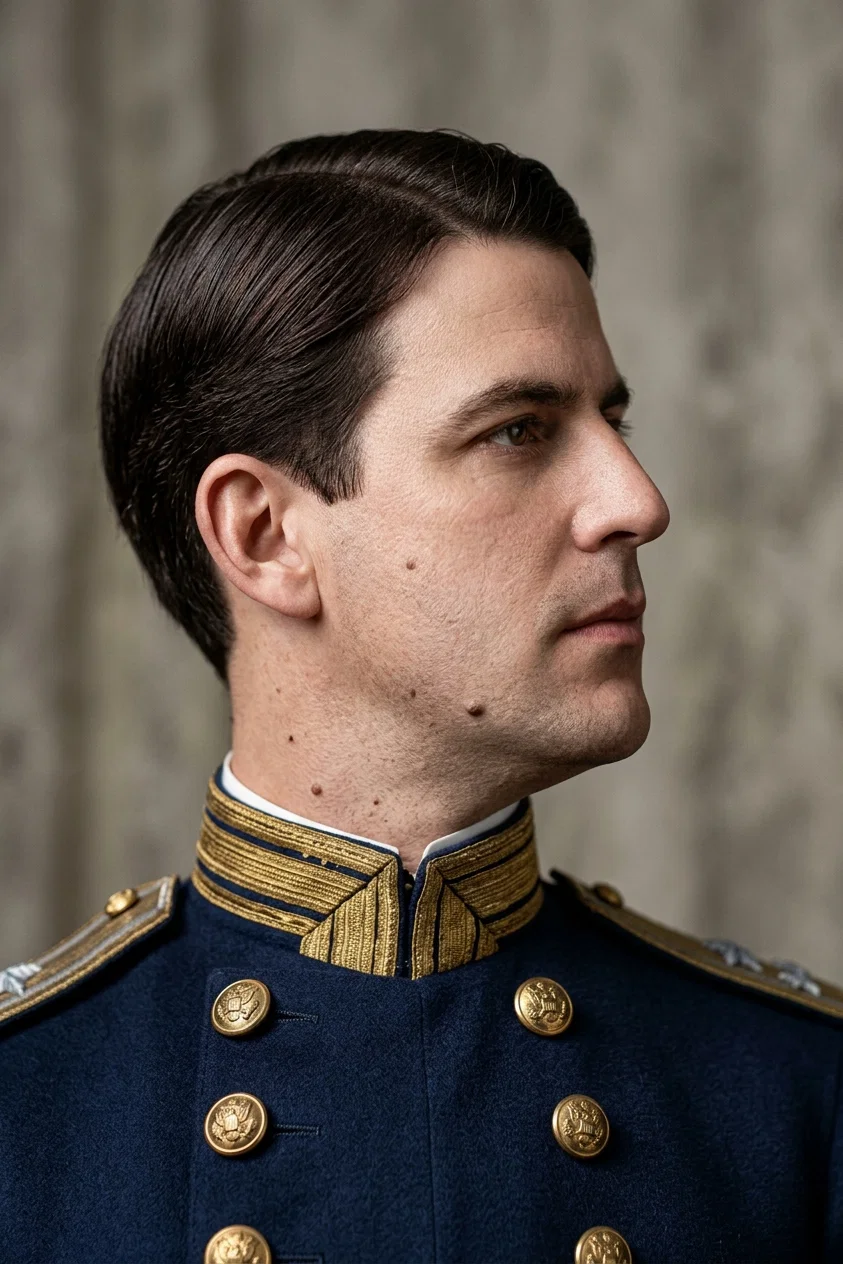
THE HON. RICHMOND PEARSON HOBSON
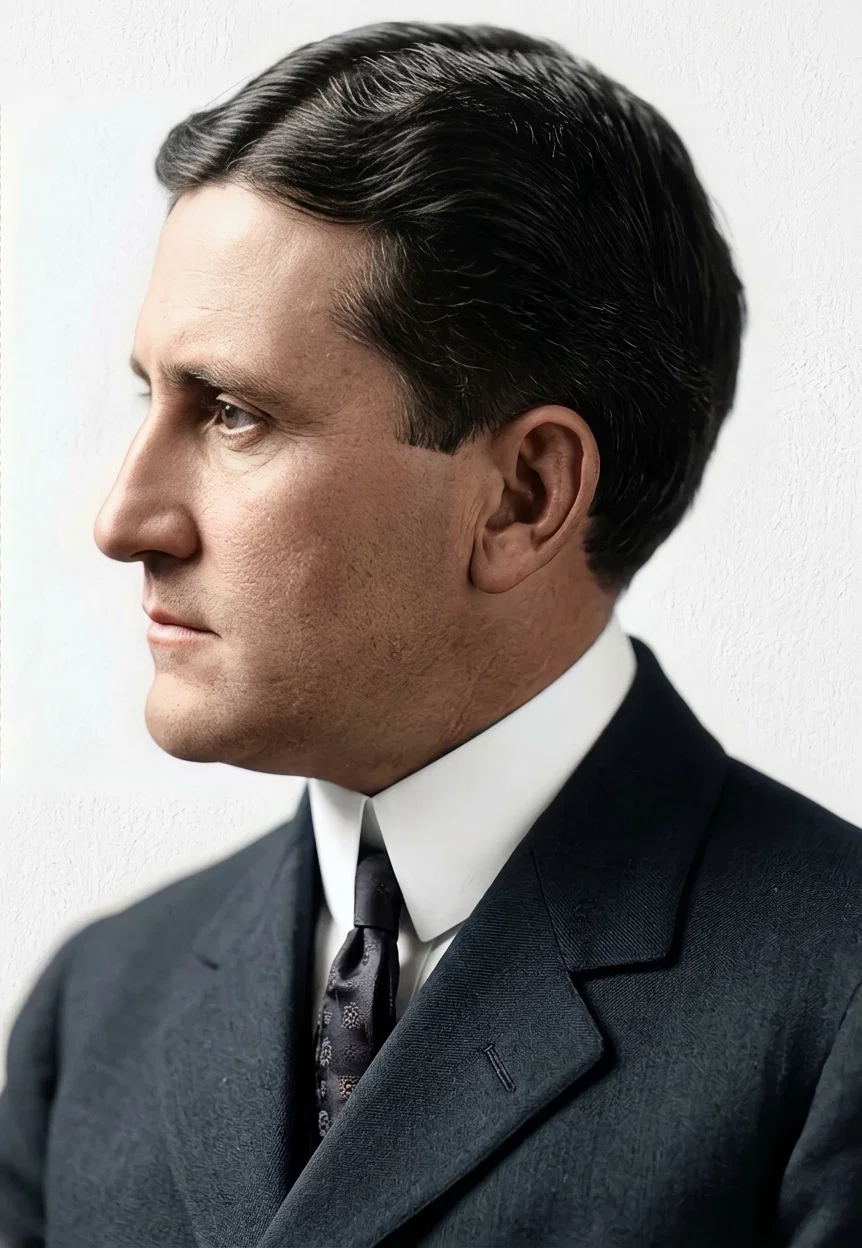
THE HON. MORRIS SHEPPARD
The Hobson-Sheppard amendment to the constitution, calling for nation-wide prohibition, was defeated in the House after an exciting debate lasting some twelve hours, in the course of which half a hundred speeches were made. A total of 197 votes were cast in favor of the amendment, and 189 against it. This gave a majority of eight, which fell sixty-one votes short of making up the necessary majority of two thirds.
The day was a memorable one in the annals of temperance reform, and indeed in the history of this country. Never before has a question involving such momentous consequences been brought squarely before the representatives of the United States; and taking into consideration the powerful interests that form the opposition, it speaks well for the efficiency and tireless vigilance of the temperance organizations that even a bare majority of the legislators put themselves on record as favoring national prohibition.
The contest began at ten in the morning, with a preliminary skirmish over the Cantrill rule to make the antiliquor amendment privileged. In this the temperance forces were victorious, the House voting, without a roll call, to take up immediately and proceed to debate and vote on the Hobson resolution proposing nation-wide prohibition by amendment to the constitution.
SIX MILLION PETITIONERS
Before a full house, and galleries crowded almost to suffocation, Representative Hobson made his brief introductory address. He called the attention of the members to the great string of petitions in favor of the bill which had been hung round the gallery rail, totaling six million names, a far greater number than had ever before been signed to a petition to this or any other government for any one thing. “If the details of the resolution are not satisfactory,” he continued, “let us amend it. What we seek is a scientific remedy for a deep-seated, organic disease, one which is debauching our youth.”
TEXT OF THE BILL
The text of the bill, which readers of the SIGNS will remember was somewhat fully discussed at hearings granted by the Senate and the House last spring, is as follows:
“Resolved by the Senate and House of Representatives of the United States of America in Congress assembled (two thirds of each House concurring therein), that the following amendment of the constitution be, and hereby is, proposed to the states, to become valid as a part of the constitution when ratified by the legislatures of the several states as provided by the constitution:
“Article —, section 1. The sale, manufacture for sale, transportation for sale, importation for sale, of intoxicating liquors for beverage purposes in the United States and all territory subject to the jurisdiction thereof, and exportation for sale thereof, are forever prohibited. “Sec. 2. The Congress, or the states, shall have power, independently or concurrently, to enforce this article by all needful legislation.”
Following the opening speech of Captain Hobson, the members of the House to the number of half a hundred expressed themselves for or against the bill. Among the strong supporters naturally were the men who came from prohibition states. Representative Campbell, of Kansas, made reference to the great act of Russia in abolishing the drink evil throughout that vast empire. With magnificent courage she had risen in her strength and cast off the shackles that bound her, thus asserting freedom for her millions of citizens. Already great social and economic advantages had resulted from the act.
THE WELL-WORN OBJECTIONS
The speakers in opposition offered the usual well-worn objections. Some thought it a question that ought to be referred to the state legislatures, at the same time arguing, with singular inconsistency, that state prohibition did not really prohibit, liquor being sold in spite of the law making its sale illegal. Obviously such a condition of things, if it exists, calls loudly for a national law, in order that the state laws may be effective. Some urged property considerations, the fact that the government derives a large revenue from the sale of intoxicants apparently going a long way with them toward making the traffic a proper thing. But temperance workers have many times proved that the cost of the drink evil in crime, to say nothing of ruined homes and blasted lives, is far in excess of the revenues derived from its sale. Some members were very fearful lest stopping the sale of liquor should interfere with the personal liberty of the people who wish to engage in the business. Some thought it would be difficult to enforce an antiliquor law.
STATES’ RIGHTS AND PERSONAL LIBERTY
But these and other objections seemed small when viewed in the light of the tremendous evils wrought by drink. “Talk about protecting state rights,” said Representative Quin, of Mississippi. “What we want is to protect the rights of society. The question here is whether you will stand with all the forces of evil, or whether you will join those who are trying to aid the progress of civilization.”
“We have been told that the vote here tonight means political death for many of us,” said Representative Murray, of Oklahoma; “but we can choose whether we will have the preacher and the church choir chant a benediction over the remains, or whether we will have a grave decorated with saloons, breweries, and distilleries.”
“Congress should pass this resolution,” said Representative Kelly, of Pennsylvania, “because it places the liquor question where it belongs — squarely before the people. Personal liberty is the law of the jungle — the strongest overcomes the weak.”
Representative Lindquist, of Michigan, made an impassioned plea for the resolution. “I want my boy to grow up a strong, sturdy American citizen, and I do not want to trust his future to the hands of the liquor traffic. Not all the wars since the dawn of the world have struck down the millions that have fallen under the onslaught of alcoholism. Now is our opportunity to save these lives.”
THIS CONGRESS PROBABLY UNFAVORABLE
What the fate of the amendment will be in the Senate remains to be seen. Even if it obtained the requisite number of votes in the Upper Chamber, which is not likely, it could have no practical result, the defeat in the House being, for the present, decisive. But the fight will go on. The prohibition forces of the country have made very substantial gains in the last few years; and with the divine blessing which always attends honest efforts to reform great evils, the active cooperation of a growing number of the men and women who love righteousness and hate iniquity will be secured.
The vote on the bill is really a victory, for it is a significant thing that the majority of the members of the House are willing to put themselves on record as favoring national prohibition. The moral forces of the country are against the open saloon. Such a menace to the young manhood of this nation must not be allowed to continue.