Man in Life and Death

2%

Pacific Press Publishing Association · Mountain View, California · Oct 28, 1913

FromSigns of the Times, Vol. 40, No. 42.

Read the full edition

Man in Life and Death

1. In whose image was man created?
“God created man in His own image, in the image of God created He him; male and female created He them.” Gen. 1: 27.
2. Of what was man formed?
“And the Lord God formed man of the dust of the ground.” Gen. 2: 7. See Gen. 3: 19.
“The first man is of the earth, earthy.” 1 Cor. 15: 47.
3. What caused man to live?
“And the Lord God . . . breathed into his nostrils the breath of life.” Gen. 2: 7.
4. What did this organism then become?
“And man became a living soul.” Gen. 2: 7.
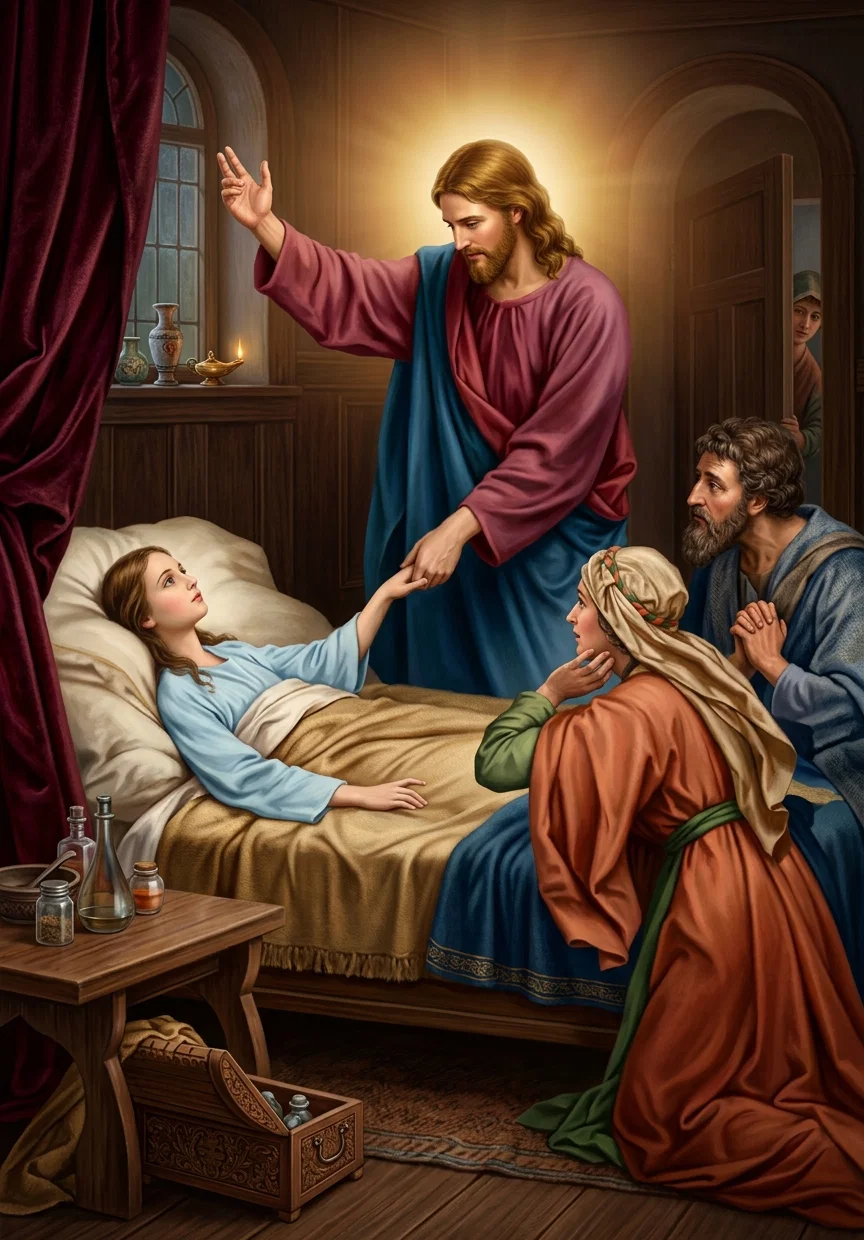
CHRIST THE LIFE-GIVER
There is hope of immortality in Him only
CHRIST THE LIFE-GIVER There is hope of immortality in Him only
NOTE.— This is the simple, clear account of the creation of man, bringing into existence that which had not before existed. He was formed of the dust, a perfect being in all his organs and functions, but still lifeless. God breathes into that form the breath of life, and that which He has formed from the dust becomes a living soul. Before that, it was a soul, a person, but a lifeless soul. The breath of life made man a living soul. There is nothing said in either of these scriptures about a dual man, or man’s possessing an immortal soul or spirit. Yet it is argued that God is immortal; man is made in God’s image; therefore man is immortal. But this reasoning is a non sequitur; it proves too much; for if to be made in the image of God invests man with one attribute of Deity, immortality, it logically would clothe him with all His attributes, such as omnipotence and omnipresence. An argument which proves too much proves nothing. “Breath of life” does not mean an entity, a spirit capable of existing consciously and intelligently without the body; for if such were the case, the beasts possess the same “breath of life.” Gen. 7: 15, 22. The “breath of life” is simply the vital energy by which the man is caused to live, given to man in harmony with the law of his being. Neither does “living soul” convey any idea of immortality in man. Its meaning is simply LIVING CREATURE. See Gen. 1: 30, margin, and Rev. 16: 3.
5. What test was placed upon man?
“Of the tree of the knowledge of good and evil, thou shalt not eat of it: for in the day that thou eatest thereof thou shalt surely die.” Gen. 2: 17.
NOTE.— The responsible man was the “thou,” the one that reasoned, chose, decided, moved the hand to take, the mouth to taste. It was the whole man, the responsible whole, that was addressed, and that, if disobedient, would die.
6. What contradiction was made to God’s word?
“And the serpent said, . . . Ye shall not surely die.” Gen. 3: 4.

Dissolution of Man

7. What did God do that man might not live a sinner forever?
“Now, lest he put forth his hand, and take also of the tree of life, and eat, and live forever: therefore the Lord God . . . drove out the man; and He placed at the east of the Garden of Eden cherubim, and a flaming sword which turned every way, to keep the way of the tree of life.” Gen. 3: 22-24.
8. What sentence did He visit upon man?
“In the sweat of thy face shalt thou eat bread, till thou return unto the ground; for out of it wast thou taken: for dust thou art, and unto dust shalt thou return.” Gen. 3: 19.
9. What takes place at death?
“Then shall the dust return to the earth as it was: and the spirit shall return unto God who gave it.” Eccl. 12: 7.
“His breath goeth forth, he returneth to his earth; in that very day his thoughts perish.” Ps. 146: 4.
NOTE.— Strange, isn’t it, that men should still take the word of the serpent in preference to the word of God? God said that when man sinned he should surely die; the old serpent declared, “Ye shall not surely die: . . . ye shall be as God.” Gen. 3: 4, 5, A.R.V. To every human sense, God’s words have been true; but to deceive men, the theory of an immortal soul, a conscious spirit, surviving the death of the body, has been invented. Men love to believe the invention, because it exalts sinful man. Yet how simple is the truth of God! The spirit was given to man as “the breath of life,” and it made the man formed out of dust a living soul. Man dies; the spirit goes back to God as the breath of life, even as God gave it. The dissolution of man is the opposite of his formation. When he dies, the thinking man, the thoughts, perish.
10. In what does continued righteousness always result?
“In the way of righteousness is life; and in the pathway thereof there is no death.” Prov. 12: 28.

Result of Sin

11. What is always the result of sin?
“Sin, when it is finished, bringeth forth death.” James 1: 15.
“Wherefore, as by one man sin entered into the world, and death by sin; and so death passed upon all men, for that all have sinned.” Rom. 5: 12.
NOTE.— The stream can rise no higher than its fountainhead. The children of men can not in themselves rise higher than their first father. They die. All men are subject to death; and death is extinction of life, cessation of being. The whole man dies. How reasonable it is that sin should at last, sooner or later, destroy itself; that the universe should not, could not, know immortal sinners; that God’s law and plan for man should indicate His wisdom and love; and that man should have his own choice, to live or to die! How the simple plan wipes from the pages of the past every charge against God of cruelty and injustice, and reveals beauty instead of ugliness!

Death and the Resurrection

12. What is man’s condition in death?
“His sons come to honor, and he knoweth it not; and they are brought low, but he perceiveth it not of them.” Job 14: 21.
“For the living know that they shall die: but the dead know not anything. . . . Also their love, and their hatred, and their envy, is now perished.” Eccl. 9: 5, 6.
“Let me freely speak unto you of the patriarch David, that he is both dead and buried, and his sepulcher is with us unto this day.” Acts 2: 29.

The Resurrection

13. Inasmuch as the descendants of Adam were not responsible for his sin and the death which came in consequence, how does God save them from it?
“For as in Adam all die, even so in Christ shall all be made alive.” 1 Cor. 15: 22.
14. But as Adam’s nature was not originally sinful, and ours is, because inherited from sinful parents, how does God meet our need, that we may not die for our own sins?
“Where sin abounded, grace did much more abound.” Rom. 5: 20.

Eternal Life by Faith

15. In what way is grace manifested that we may live again?
“For God so loved the world, that He gave His only-begotten Son, that whosoever believeth in Him should not perish, but have everlasting life.” John 3: 16.
16. Do men have eternal life, connection with God, by nature? Is there hope apart from Christ?
“That at that time ye were without Christ, being aliens from the commonwealthof Israel, and strangers from the covenants of promise, having no hope, and without God in the world.” Eph. 2: 12.
“Having the understanding darkened, being alienated from the life of God.” Eph. 4: 18.
17. But what do those who are in Christ possess?
“And this is the record, that God hath given to us eternal life, and this life is in His Son. He that hath the Son hath life; and he that hath not the Son of God hath not life. These things have I written unto you that believe on the name of the Son of God; that ye may know that ye have eternal life, and that ye may believe on the name of the Son of God.” 1 John 5: 11-13.

Two Resurrections

18. How, then, will the dead live, and how many classes will there be?
“Marvel not at this: for the hour is coming, in the which all that are in the graves shall hear His voice, and shall come forth; they that have done good, unto the resurrection of life; and they that have done evil, unto the resurrection of damnation.” John 5: 28, 29.
“There shall be a resurrection of the dead, both of the just and unjust.” Acts 24: 15.
19. Wherein, then, does the hope concerning the dead rest?
“Now if Christ be preached that He rose from the dead, how say some among you that there is no resurrection of the dead? But if there be no resurrection of the dead, then is Christ not risen: and if Christ be not risen, then is our preaching vain, and your faith is also vain. Yea, and we are found false witnesses of God; because we have testified of God that He raised up Christ: whom He raised not up, if so be that the dead rise not. For if the dead rise not, then is not Christ raised: and if Christ be not raised, your faith is vain; ye are yet in your sins. Then they also which are fallen asleep in Christ are perished.” 1 Cor. 15: 12-18.
20. When will the resurrection of the righteous occur?
“Behold, I show you a mystery; we shall not all sleep, but we shall all be changed, in a moment, in the twinkling of an eye, at the last trump: for the trumpet shall sound, and the dead shall be raised incorruptible, and we shall be changed. For this corruptible must put on incorruption, and this mortal must put on immortality. So when this corruptible shall have put on incorruption, and this mortal shall have put on immortality, then shall be brought to pass the saying that is written, Death is swallowed up in victory.” 1 Cor. 15: 51-54.
21. In connection with what great event will the trumpet sound?
“For this we say unto you by the word of the Lord, that we which are alive and remain unto the coming of the Lord shall not prevent them which are asleep. For the Lord Himself shall descend from heaven with a shout, with the voice of the Archangel and with the trump of God: and the dead in Christ shall rise first: then we which are alive and remain shall be caught up together with them in the clouds, to meet the Lord in the air: and so shall we ever be with the Lord.” 1 Thess. 4: 15-17.
22. Who alone possesses immortality by nature?
“The blessed and only Potentate, the King of kings, and Lord of lords; who only hath immortality.” 1 Tim. 6: 15, 16.
“Now unto the King eternal, immortal, invisible, the only wise God.” 1 Tim. 1: 17.
NOTE.— Everywhere in the Scriptures man is spoken of as mortal, subject to sin and death. He is vain man with a vain life, which is as a vapor, a cloud, his days swifter than a weaver’s shuttle, likened to things the most transitory and fleeting, everywhere demonstrating the truth of the word of God, “THE SOUL THAT SINNETH, IT SHALL DIE.” Eze. 18: 4, 20. His only hope of living is the resurrection through Christ. If he be a sinner, he is raised mortal, among the unjust, in the resurrection to condemnation; if he be clothed with Christ’s righteousness, he is raised to absolute eternal life and immortality of being, God’s stamp of an incorruptible character. Upon the perversions of truth concerning man’s nature—rather upon that first serpent’s falsehood—have been built the structures of idolatry in all its various forms,—spiritism ancient and modern, purgatory, invocation of saints, transmigration of souls, an eternally burning hell, and other equally soul-destroying errors.