The 2,300 Days

2%

Pacific Press Publishing Association · Mountain View, California · Sep 2, 1913

FromSigns of the Times, Vol. 40, No. 34.

Read the full edition

The 2,300 Days

1. What vision was given Daniel in the third year of Belshazzar?
The vision of the ram, the goat, the division of the goat’s kingdom, and a little horn that waxed greater than all. See Daniel 8.
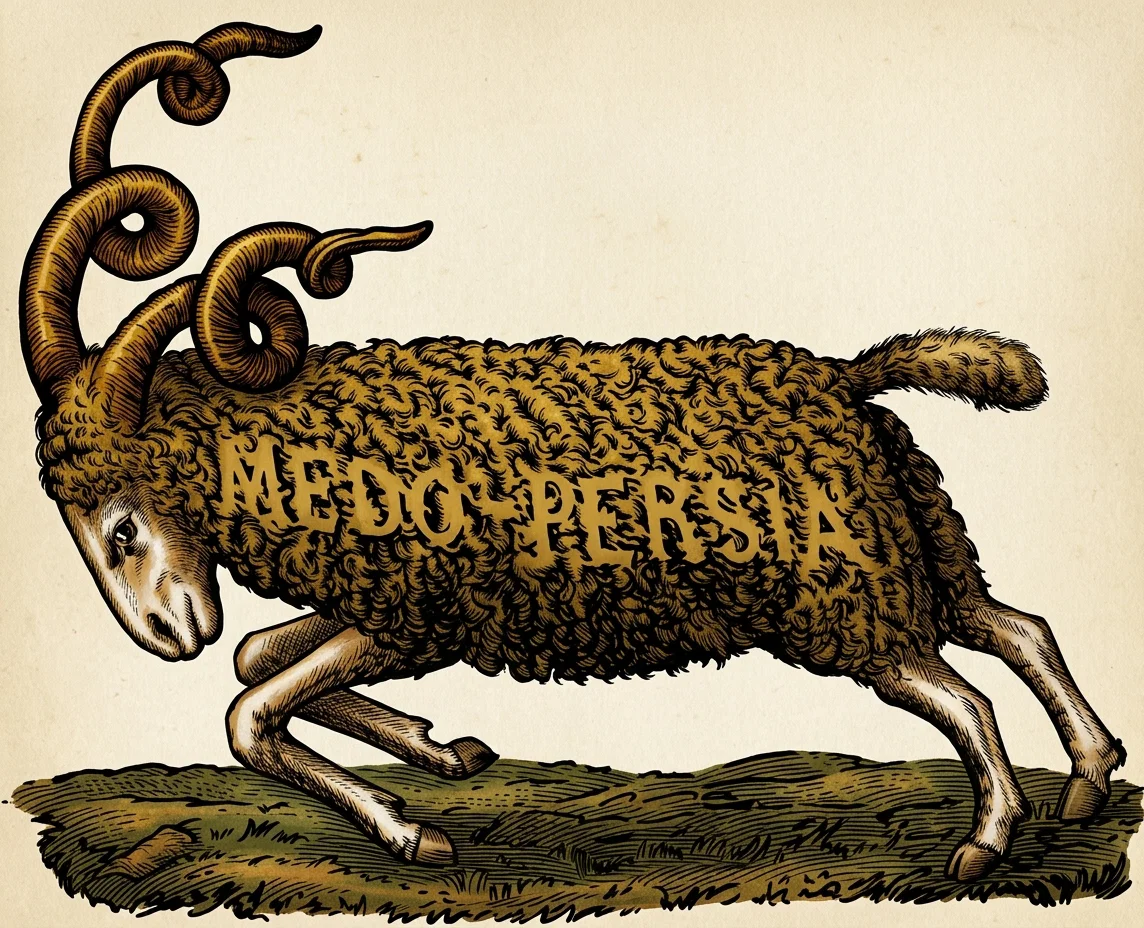
2. What is said of the ram?
He “had two horns; and the two horns were high; but one was higher than the other, and the higher came up last. . . . He did according to his will, and became great.” Verses 3, 4.
3. What did this ram with its two horns represent?
“The ram which thou sawest having two horns are the kings of Media and Persia.” Verse 20.
NOTE.— In the first year of Belshazzar, Daniel (chapter 7) had a vision of four beasts, representing so many great dynasties, beginning with the winged lion, Babylon, and ending with Rome. In the vision of the eighth chapter, Babylon’s career was run, and Medo-Persia was about to take her place; hence Babylon is not mentioned. Medo-Persia succeeded Babylon in world-empire in B.C. 538.
4. What symbol succeeded and overcame the ram?
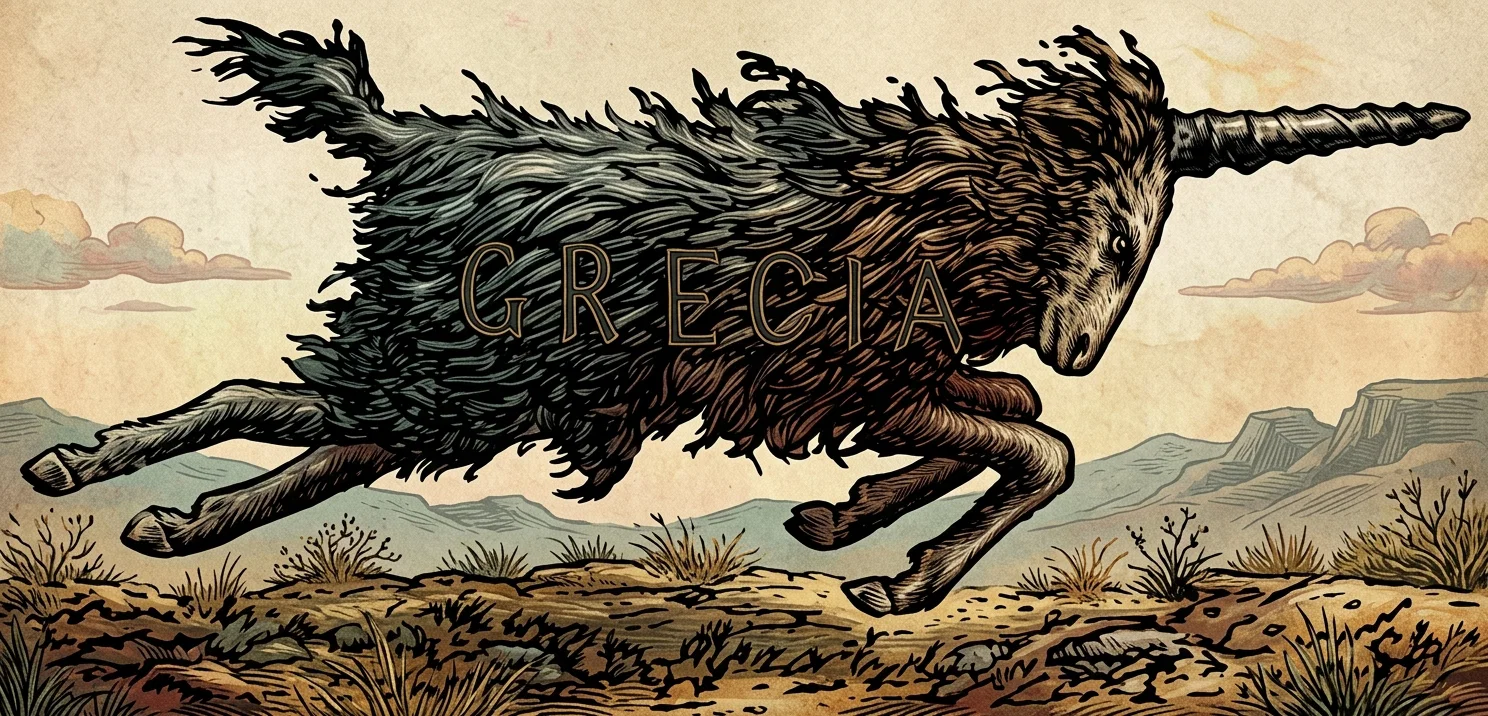
“An he-goat came from the west: . . . and the goat had a notable horn between his eyes. . . . And [he] smote the ram, and brake his two horns: and there was no power in the ram to stand before him; . . . and there was none that could deliver the ram out of his hand.” Verses 5-7.
5. What empire does the goat symbolize?
“And the rough goat is the king of Grecia: and the great horn that is between his eyes is the first king.” Verse 21.
6. In comparison with the ram what did the goat become?
“The he-goat waxed very great.” Verse 8.
7. What change took place in the goat?
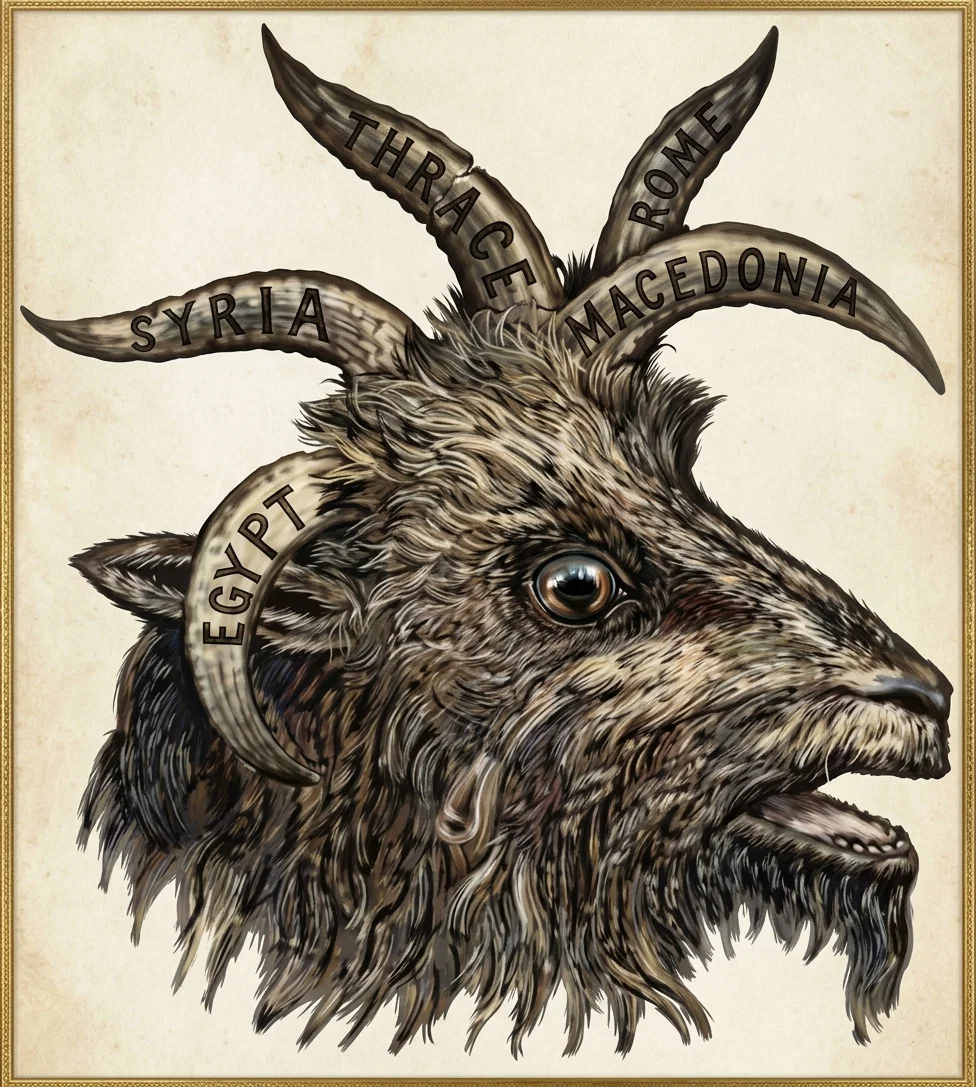
“When he was strong, the great horn was broken; and for it came up four notable ones toward the four winds of heaven.” Verse 8.
NOTE.— The angel declares that “the great horn . . . is the first king.” Verse 21. “That being broken, whereas four stood up for it, four kingdoms shall stand up out of the nation, but not in his power.” Verse 22. Alexander conquered Medo-Persia, and reigned gloriously for eight years. Within twenty-two years after his death in B.C. 323, the Grecian empire was divided into four parts, Macedon, Asia Minor, Syria, and Egypt, ruled over respectively by Cassander, Lysimachus, Seleucus, and Ptolemy.
8. What change did the prophet see take place among the horns?
“And out of one of them came forth a little horn, which waxed exceeding great, toward the south, and toward the east, and toward the pleasant land.” Verse 9.
Ark of the Covenant
Ark of the Covenant
NOTE.— The ram became “GREAT,” the goat “VERY GREAT,” and the little horn “EXCEEDING GREAT.” It must therefore symbolize a power greater even than Medo-Persia or Grecia. This in the very nature of the case could not be one of the divisions of the Grecian empire, but must be a power which becomes greater than all parts of the Grecian empire. But one power answers this; namely, Rome, which, beginning small, conquered the Macedonian horn of the goat, getting from that victory prestige which it could not have had without it, and seeming to the prophet’s vision to come out of one of the horns. This occurred in B.C. 168, and Rome came into more direct connection with the people of God in 161, seven years later.
9. What specifications are given of the little-horn power?
It would oppose God and His work, would magnify itself against the Prince of Princes, Christ, would pervert the continual service of God, would be mighty, would destroy wonderfully the holy people, and should prosper through craft. All this was true of Rome in her various phases. See Verses 10-12, 23-25.
10. What question did the prophet hear one holy being ask another?
“How long shall be the vision concerning the daily sacrifice [continual], and the transgression of desolation, to give both the sanctuary and the host to be trodden under foot?” Verse 13.
NOTE.— That is, How long shall this oppressive power pervert God’s service and truth and oppress His people? The word “sacrifice” is supplied by the translators. The word “daily” is applied to various parts of the service of God, and evidently stands for the continual, living, connecting service between God and His people. How long shall that true service be obscured and the truth hidden?
11. What answer did the holy one give to Daniel?
“And he said unto me, ‘Unto two thousand and three hundred days; then shall the sanctuary be cleansed.’” Verse 14.
12. What instruction was given the angel after Daniel had seen the vision?
“Gabriel, make this man to understand the vision.” Verse 16.
13. Did Gabriel respond to this?
“He said unto me, Understand, O son of man: for at the time of the end shall be the vision.” “Behold, I will make thee know.” Verses 17, 19.
14. What did the angel then explain?
The ram, the rough goat, the horn which waxed greater than either ram or goat. Verses 20-26.
15. What occurred at the end of this explanation?
“I Daniel fainted, and was sick certain days; . . . and I was astonished at the vision, but none understood it.” Verse 27.
NOTE.— This must have had reference to the TIME of the vision, as the symbols had been explained. Therefore we would expect that when Daniel was able to endure the rest of the explanation, Gabriel would explain the time. This came a few months later. In this little space of time Belshazzar had passed away, with the Babylonian empire; and Darius the Mede was beginning his reign in Babylon. The ninth chapter opens with an earnest prayer on Daniel’s part for God’s blessing upon His sanctuary.
16. While he was praying, who came to him?
“Gabriel, whom I had seen in the vision at the beginning.” Dan. 9: 21.
17. What did he say to Daniel?
“I am now come forth to give thee skill and understanding. . . . Therefore understand the matter, and consider the vision.” Verses 22, 23.
18. What did he first declare?
“Seventy weeks are determined upon thy people and upon thy holy city, to finish the transgression, and to make an end of sins, and to make reconciliation for iniquity, and to bring in everlasting righteousness, and to seal up the vision and prophecy, and to anoint the Most Holy.” Verse 24.
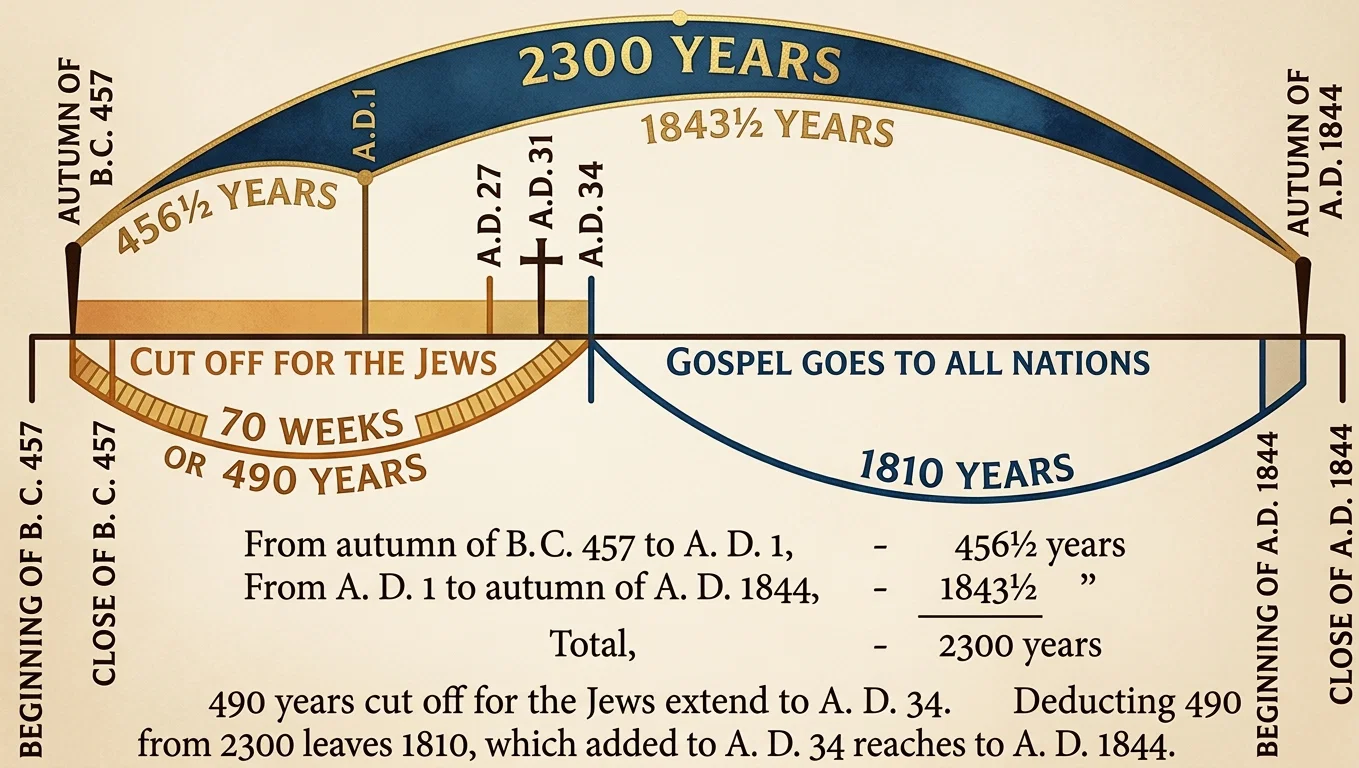
NOTE.— The verb “determined” is from the Hebrew chathak, meaning to “cut off,” to mark off. The conclusion is inevitable that the seventy weeks are cut off from the time left unexplained, the 2,300 days of the beginning of the vision. As the short-lived ram and goat represent long-existing empires, so the short period of time, a day, represents a longerperiod, a year. That is the rule which God Himself has given,—“I have appointed thee each day for a year.” Eze. 4: 4-6; Num. 14: 34. The seventy weeks are therefore seventy weeks of years, or 490 years, marked off upon the Jewish people, during which time they would fill up their cup of iniquity, and Christ Jesus should be manifest to make reconciliation for iniquity and bring in everlasting righteousness. These seventy weeks would also seal up, or make sure, demonstrate, the vision and the prophecy. As the events of seventy weeks were fulfilled, so may we know that all will be.
19. Where do the seventy weeks, and therefore the 2,300 days, begin? and what subdivisions were there in the seventy weeks?
“Know therefore and understand, that from the going forth of the commandment to restore and to build Jerusalem unto the Messiah the Prince shall be seven weeks, and threescore and two weeks: the street shall be built again, and the wall, even in troublous times.” Verse 25.
20. When did this “commandment” go forth?
“In the seventh year of Artaxerxes the king.” Ezra 7: 7.
NOTE.— There is one decree given by Artaxerxes Longimanus (Ezra 7) which meets all the requirements of the prophecy in the restoration of Jerusalem with its civil polity and complete government, even to the extent of administering capital punishment. That decree went forth in the seventh year of Artaxerxes Longimanus, who began his reign in B.C. 464. The seventh year of his reign fell, therefore, in B.C. 457. Seven weeks of years, or forty-nine years, ended in 408, in the last act of reformation under Nehemiah. From B.C. 408 to Messiah the Prince is sixty-two weeks, or 434 years, or 483 years from B.C. 457. “Messiah” means “anointed,” and Jesus was anointed with the Holy Spirit at the time of His baptism, and was thus manifested as the Messiah, or Christ. See Matt. 3: 16, 17; Luke 4: 18; Acts 10: 38. His baptism occurred in the autumn of A.D. 27. 483 years beginning in the autumn of B.C. 457 would extend to the autumn of A.D. 27.
21. What occurred in the last week of the seventy?
“And after threescore and two weeks shall Messiah be cut off, but not for Himself: and the people of the prince that shall come shall destroy the city and the sanctuary; and the end thereof shall be with a flood, and unto the end of the war desolations are determined. And He shall confirm the covenant with many for one week: and in the midst of the week He shall cause the sacrifice and the oblation to cease.” Dan. 9: 26, 27.
NOTE.— For one week Jesus would confirm the covenant with many of the Jews. This He did by His own ministry for three and one half years. In the midst of that week, A.D. 31, He was crucified, causing effectual sacrifice and oblation to cease; invisible hands rent the veil which screened the holy things of the sanctuary from the multitude, showing that the earthly temple had served its purpose; the shadow had reached the substance. Hales’s Chronology, on thirteen creditable authorities, places the death of Christ in A.D. 31. For the last half-week of the 490 years the apostles continued their ministration to the Jews. Heb. 2: 3, 4. Then came the second rejection of Christ in the martyrdom of Stephen, the scattering of the disciples to all parts in the persecution which followed, and the raising up of Paul the apostle to the Gentiles. See Acts 7, 8, 9. Thus are we brought to A.D. 34, the end of the 490 years. See the diagram.
22. How much remained?
If we deduct 490 years from 2,300 years, we have left 1,810 years, which added to A.D. 34 bring us to 1844. Then our Lord entered upon the last stage of His ministry in the sanctuary on high. That work is the finishing of the mystery of God (Rev. 10: 7); the examination of all the cases of those whose names are written in the Lamb’s Book of Life (Dan. 7: 9, 10; Matt. 22: 11; Luke 20: 35); the blotting out of all remembrance of sin recorded on the books of heaven against those who have proved faithful (Acts 3: 19); and the blotting out of the names of those who have proved faithless (Rev. 3: 5). In 1844 ended the longest and last prophetic period of the Bible in probationary times. In the full light of this prophecy, one can never set times for the Lord to come.
23. When that work is finished, what decree will go forth?
“He that is unjust, let him be unjust still: and he which is filthy, let him be filthy still: and he that is righteous, let him be righteous still; and he that is holy, let him be holy still.” Rev. 22: 11.
24. What will be done with the antitypical scapegoat (“Azazel,” the strong one who revolted)?
“And I saw an angel come down from heaven, having the key of the bottomless pit and a great chain in his hand. And he laid hold on the dragon, that old serpent, which is the devil, and Satan, and bound him a thousand years, and cast him into the bottomless pit, and shut him up, and set a seal upon him.” Rev. 20: 1-3. See Lev. 16: 21.
25. What will then take place?
“And, behold, I come quickly; and My reward is with Me, to give every man according as his work shall be.” Rev. 22: 12.
DIAGRAM OF THE 2300 DAYS. (Symbolic Time.)