The Love of Christ

6%

Pacific Press Publishing Association · Mountain View, California · Feb 4, 1913

FromSigns of the Times, Vol. 40, No. 5.

Read the full edition

The Love of Christ

By Mrs. E. G. White
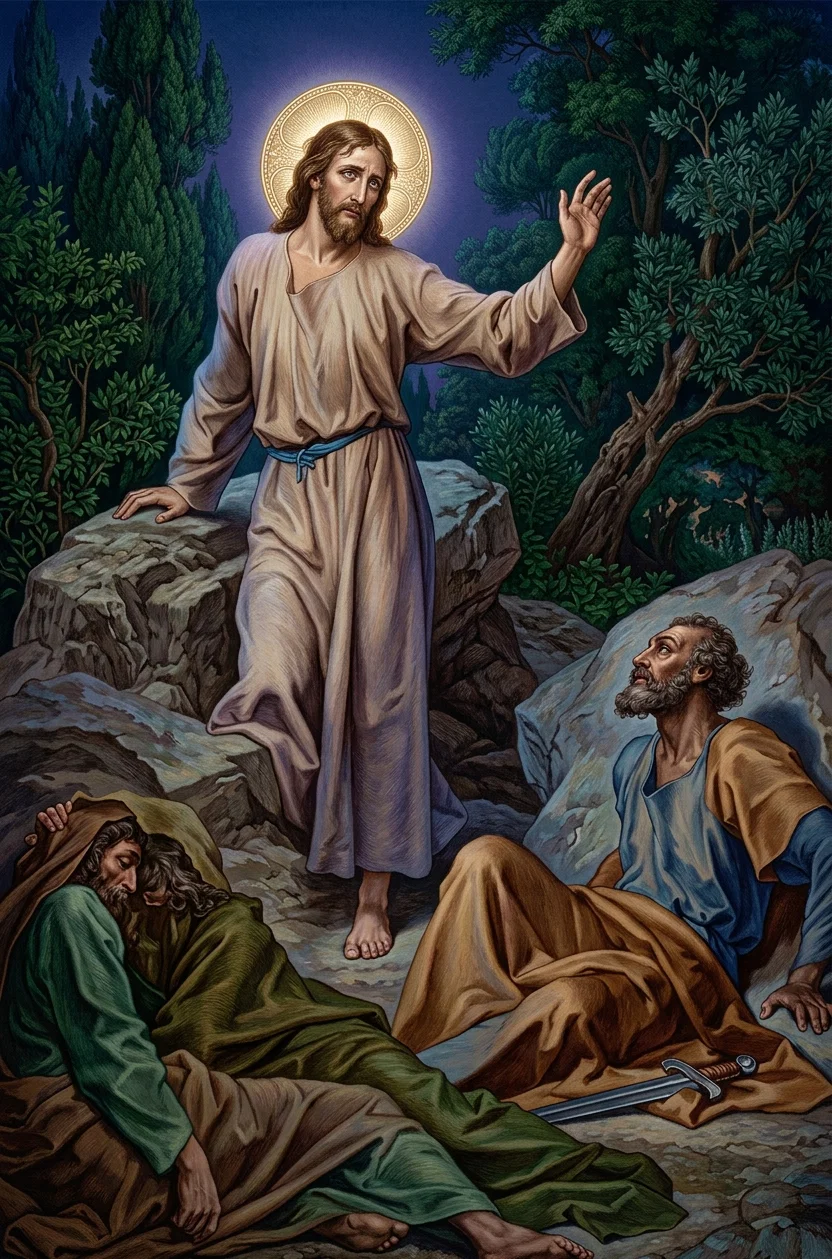
JESUS IN GETHSEMANE, PASSING THROUGH THE AGONY OF A DYING WORLD
O was there ever suffering and sorrow like that endured by the dying Saviour! It was the sense of His Father's displeasure which made His cup so bitter. It was not bodily suffering which so quickly ended the life of Christ upon the cross. It was the crushing weight of the sins of the world, and a sense of His Father's wrath that broke His heart. The Father's glory and sustaining presence had left Him, and despair pressed its crushing weight of darkness upon Him, and forced from His pale and quivering lips the anguished cry, “My God, My God, why hast Thou forsaken Me?”
Jesus had united with the Father in making the world. Amid the agonizing sufferings of the Son of God, blind and deluded men alone remain unfeeling. The chief priests and elders revile God's dear Son while in His expiring agonies. Yet inanimate nature groans in sympathy with her bleeding, dying Author. The earth trembles. The sun refuses to behold the scene. The heavens gather blackness. Angels have witnessed the scene of suffering until they can look on no longer, and hide their faces from the horrid sight. Christ is in despair! He is dying! His Father's approving smile is removed, and angels are not permitted to lighten the gloom of the terrible hour. They could only behold in amazement their loved Commander suffering the penalty of man's transgression of the Father's law.
Even doubts assailed the dying Son of God. He could not see through the portals of the tomb. Bright hope did not present to Him His coming forth from the tomb a conqueror, and His Father's acceptance of His sacrifice. The sin of the world with all its terribleness was felt to the utmost by the Son of God. The displeasure of the Father for sin, and its penalty, which was death, were all that He could realize through this amazing darkness. He was tempted to fear that sin was so offensive in the sight of His Father that He could not be reconciled to His Son. The fierce temptation that His own Father had forever left Him, caused that piercing cry from the cross, “My God, My God, why hast Thou forsaken Me?”
Christ felt much as sinners will feel when the vials of God's wrath shall be poured out upon them. Black despair, like the pall of death, will gather about their guilty souls, and then they will realize to the fullest extent the sinfulness of sin. Salvation has been purchased for them by the suffering and death of the Son of God. It might be theirs if they would accept of it willingly, gladly; but none are compelled to yield obedience to the law of God. If they refuse the heavenly benefit, if they choose the pleasures and deceitfulness of sin, they can have their choice, and at the end receive their wages, which is the wrath of God and eternal death. They will be forever separated from the presence of Jesus, whose sacrifice they had despised. They will have lost a life of happiness, and sacrificed eternal glory for the pleasures of sin for a season.

Reliance in a Crisis

Faith and hope trembled in the expiring agonies of Christ, because God had removed the assurance He had heretofore given His beloved Son of His approbation and acceptance. The Redeemer of the world then relied upon the evidences which had hitherto strengthened Him, that His Father accepted His labors and was pleased with His work. In His dying agony, as He yields up His precious life, He has by faith alone totrust in Him whom it has ever been His joy to obey. He is not cheered with clear, bright rays of hope on the right hand nor on the left. All is enshrouded in oppressive gloom. Amid the awful darkness which is felt even by sympathizing nature, the Redeemer drains the mysterious cup even to its dregs. Denied even bright hope and confidence in the triumph which will be His in the near future, He cries with a loud voice, “Father, into Thy hands I commend My spirit.” He is acquainted with the character of His Father, His justice, His mercy and great love. In submission He drops into the hands of His Father. Amid the convulsions of nature are heard by the amazed spectators the dying words of the Man of Calvary, “It is finished.”
Nature sympathized with the sufferings of its Author. The heaving earth, the rent rocks, and the terrific darkness, proclaimed that it was the Son of God that died. There was a mighty earthquake. The veil of the temple was rent in twain. Terror seized the executioners and spectators as they beheld the sun veiled in darkness, and felt the earth shake beneath them, and saw and heard the rending of the rocks. The mocking and jeering of the chief priests and elders was hushed as Christ commended His spirit into the hands of His Father. The astonished throng began to withdraw, and grope their way in the darkness to the city. They smote upon their breasts as they went, and in terror, speaking scarcely above a whisper, said among themselves: “It is an innocent person that has been murdered. What if, indeed, He is, as He asserted, the Son of God?”

It Is Finished

Jesus did not yield up His life till He had accomplished the work which He came to do, and exclaimed with His departing breath, “It is finished!” Satan was then defeated. He knew that his kingdom was lost. Angels rejoiced as the words were uttered, “It is finished.” The great plan of redemption, which was dependent on the death of Christ, had been thus far carried out. And there was joy in heaven that the sons of Adam could, through a life of obedience, be finally exalted to the throne of God. O, what love! what amazing love! that brought the Son of God to earth to be made sin for us, that we might be reconciled to God, and elevated to a life with Him in His mansions in glory. And O, what is man that such a price should be paid for his redemption!
When men and women can more fully comprehend the magnitude of the great sacrifice which was made by the Majesty of Heaven in dying in man's stead, then will the plan of salvation be magnified, and reflections of Calvary will awaken sacred and living emotions in the Christian's heart. Praises to God and the Lamb will be in their hearts and upon their lips. Pride and self-worship can not flourish in the hearts that keep fresh in memory the scenes of Calvary. This world will appear of but little value to those who appreciate the great price of man's redemption.
All the riches of the world are not of sufficient value to redeem one perishing soul. Who can measure the love Christ felt for a lost world, as He hung upon the cross, suffering for the sins of guilty men? This love was immeasurable, infinite.
Christ has shown that His love was stronger than death. Even when suffering the most fearful conflicts with the powers of darkness, His love for perishing sinners increased. He endured the hidings of His Father's countenance, until He was led to exclaim in the bitterness of His soul, “My God, My God, why hast Thou forsaken Me?” His arm brought salvation. The price was paid to purchase the redemption of man, when, in the last soul struggle, the blessed words were uttered, which seemed to resound through creation, “It is finished.”
(Concluded next week)