India During 1912

4%

Pacific Press Publishing Association · Mountain View, California · Jan 14, 1913

FromSigns of the Times, Vol. 40, No. 2.

Read the full edition

India During 1912

(From Our Own Correspondent)
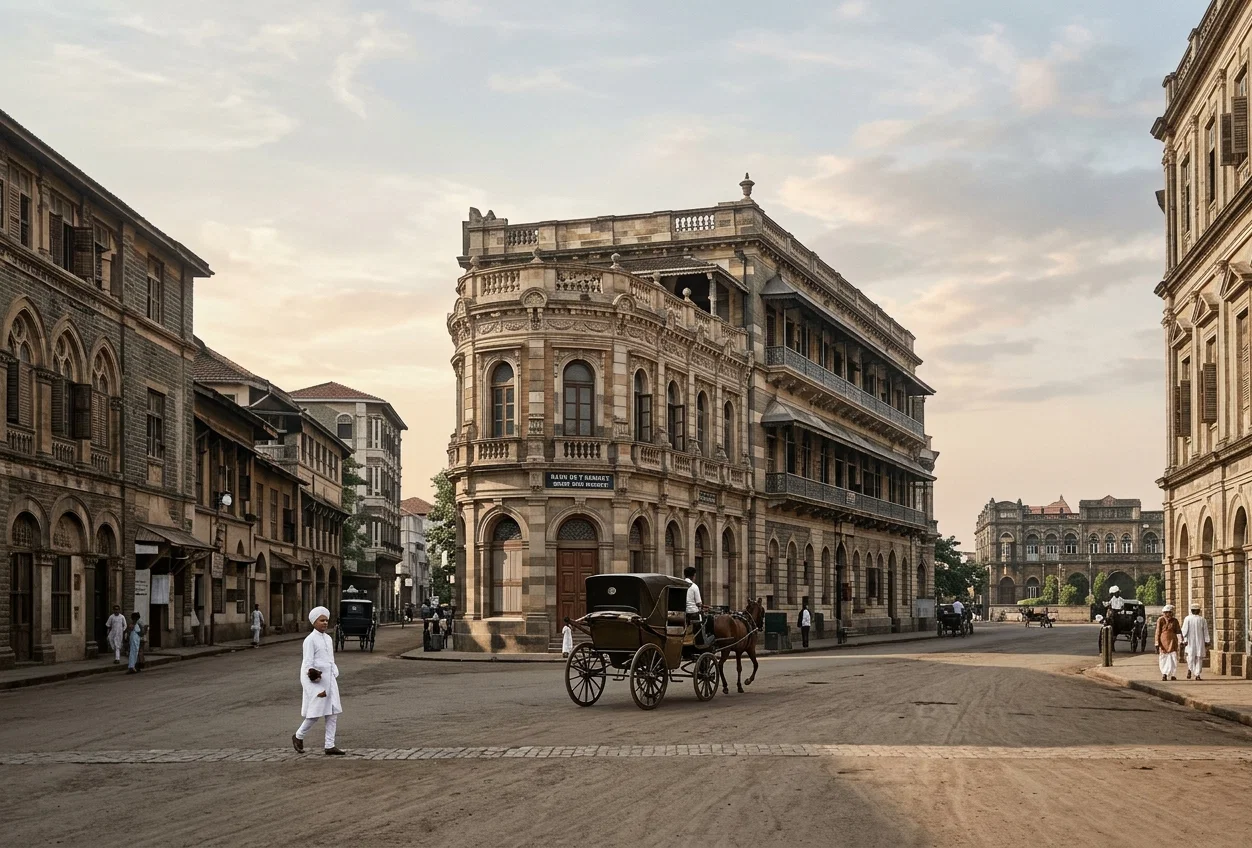
The Bank at Bombay
The Bank at Bombay
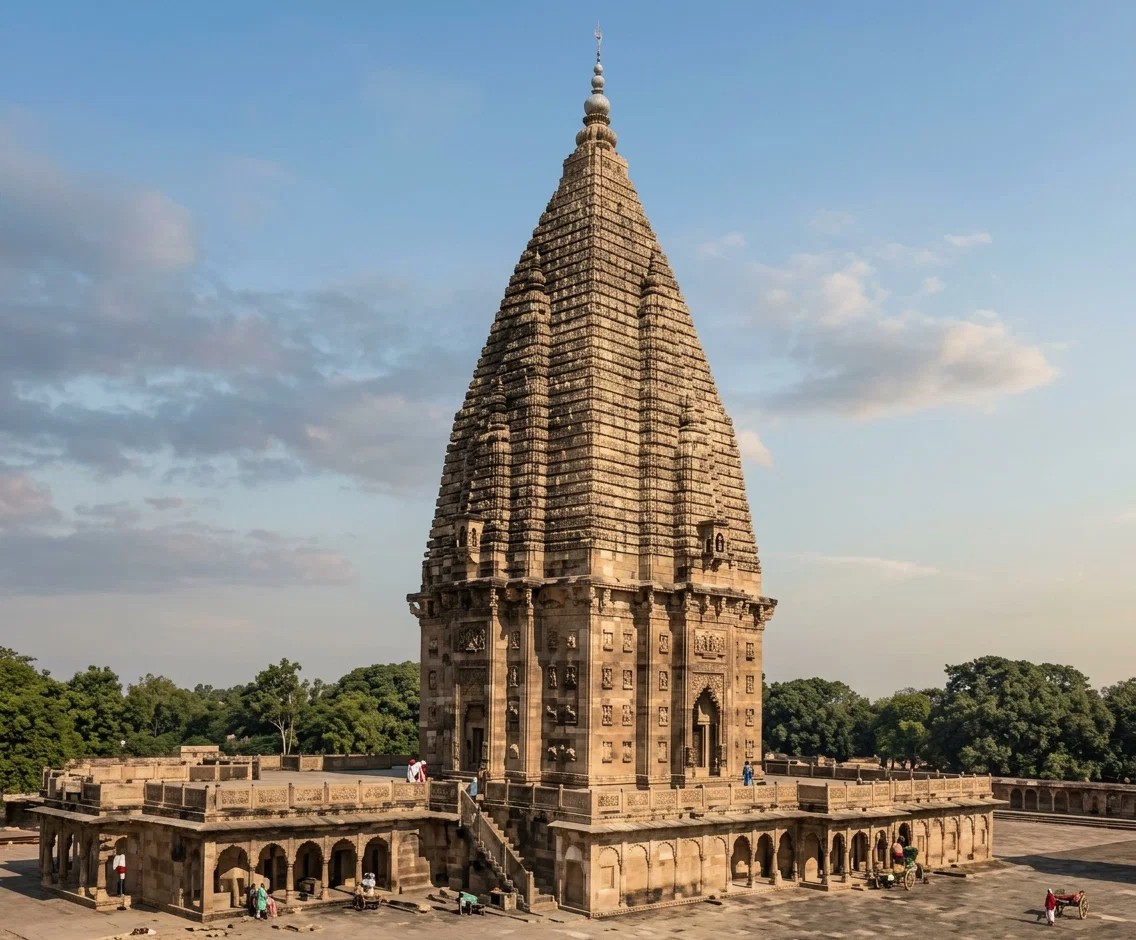
Sumaree Temple, at Benares
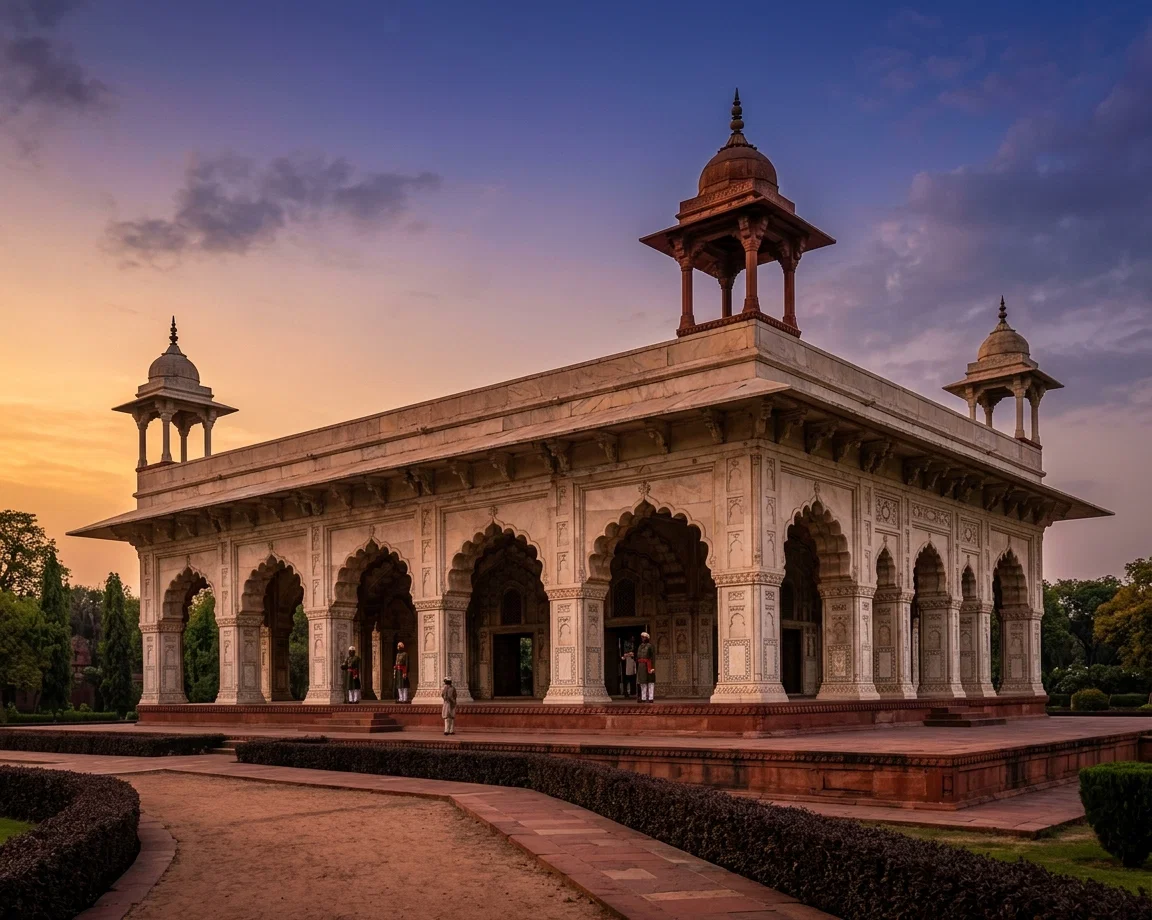
Hall of Private Audience, Delhi
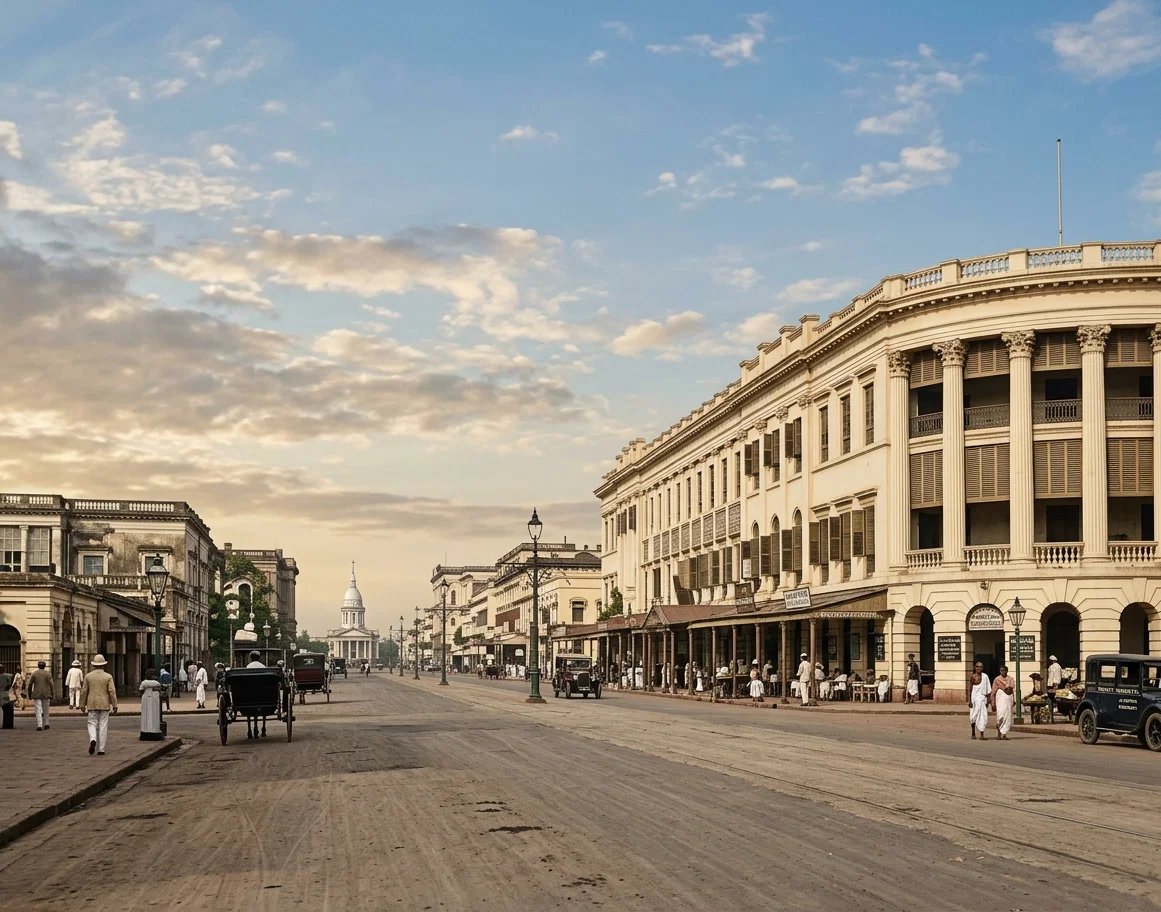
Council House Street, Calcutta
The varied experiences that have befallen this great land during 1912, serve to emphasize the fact that no portion of the world is any longer isolated. This earth might well be compared to the human body, with one common heart, the life-blood of which permeates the entire system. If the life-blood is corrupt, the entire body is affected deleteriously. There can be no doubt that the results of modern inventions in this great nation are being felt for ill as well as for good. The unrest of the Western world is being reflected in the Orient. The strikes, and moral corruption both as seen in the life and the literature of the West, are being reproduced in these Eastern lands. How sad the condition is, can only be appreciated by those who have the vision of what the case might have been had the West been what it should, when it came into vital touch with the Orient. Where there might have been the impartation of life and vitality, resulting in the regeneration of the effete East, we see only the introduction on a large scale of those seeds which will but hasten the decay of the entire body.

Results of the Visit of the King

Still, in the midst of prevailing conditions that cause one to look into the future with the gravest forebodings, there are some evidences that the overruling Providence has still a remnant, and that He is so shaping events as to hold in check the forces of corruption until all have been warned and the honest in heart gathered out. We have now had one year in which to weigh the results of the visit of H. M. King George the Fifth to India, and the probable results of the changes and boons announced at that time. Even the most casual observer must admit the good results of this visit and the boons then announced.

Rearrangement of Bengal

Bengal had been so partitioned by Lord Curzon that the native population had taken great offense, and that formed at least congenial soil for the microbe of unrest. The sedition and political crimes and even murders that followed in its wake, revealed a condition that showed how easy it was for the political fabric, and even social fabric, in this great land, to disintegrate and involve India in a chaos that no one has been bold enough to try to picture. This dissolution of the political fabric has been postponed by the great boons. Among these, stands out prominently first the rearrangement of the partition of Bengal. As divided by Lord Curzon, there were two provinces with a lieutenant-governor each.
As rearranged by the king, there are now three political divisions. That portion of East Bengal containing many Hindu Bengalis, whose separation from their brethren was so bitterly resented, has been reunited to Bengal proper, and Bengal has been elevated to the rank of a presidency. Hitherto there have been but two presidencies in India, the Bombay and Madras presidencies. The government of these political divisions is in a large measure independent of the viceroy’s government, the governor being appointed from England, and more liberty is allowed the legislative councils. But in addition to this, the western and southern portions of the original Bengal province have been made a separate province with a lieutenant-governor in charge, and the northeastern portion has been made a separate unit with
a commissioner in charge, and last but not least, the capital has been removed from Calcutta to Delhi. The year has shown that while these modifications and the removal of the capital have been unpopular in Bengal, still the greater blessing of a united Bengali nation has more than compensated; and this year, a day set apart by the Bengalis as a day of mourning and sedition, known as Partition Day, was scarcely observed, and was not attended by any Indian of note as in former years.

Removal of Capital

The removal of the capital has appealed to the imagination of India; but now that the sentimental part has been unduly emphasized, and the people have to face the stern necessity of providing the wherewithal to build the great city, it is a question if India will be able to bear the burden. Financial burdens frequently prove the disillusionment and undoing of sentiment. However, the building of the new city has been begun, and work is proceeding night and day. Only the future will tell if India can bear the financial burden.

Educational Progress

But to the readers of the SIGNS, doubtless the most interesting of the results of the visit of the king is the great impetus that has been given to the cause of education in India. Up to that visit, the system of education had only touched the fringes of India’s millions. But the greatest gift of the king was the large financial gift, with the added impetus, that the new policy as outlined by him changed the policy of Indian education. For the first time,
those responsible for the educational policy of the nation, began to talk about universal education and compulsory education, its natural corollary in a land like India. In the supreme legislature of India, an Indian gentleman, Mr. Gokhale, introduced a bill with these two objects in mind, but the government voted it down on the plea that altho they were friendly to the idea of the bill, they were not yet able to finance such a tremendous undertaking, but promised to push every resource steadily to that end.
Both for weal and for wo, this policy will henceforth be steadily pursued in India. Already two native states are pursuing this policy, Baroda in West India and Mysore in South India. Who can tell the outcome of the education of the millions of the rising generation, regardless of caste or condition? In this vast educational movement, the missions have a duty that can not be lightly regarded. The powers of evil will doubtless leave no stone unturned to sidetrack this movement to the injury of the people. Will the Christian societies be as vigilant to turn it to a good account?
But not only did the visit of the king give an impetus to primary and universal education; but it also gave birth to the hope of great religious universities, where the followers of Islam and the Hindu could be given higher education under an environment which, if possible, would build up and not tear down these religions. Accordingly, able lecturers visited the two communities in all parts of India to arouse a sentiment in behalf of, and raise means sufficient for, the establishment of a Moslem University at Aligarh, and a Hindu University at Benares. The government agreed to consider the proposition, provided that $1,000,000 in cash could be raised for the establishment of each institution. The desired amount was successfully raised, not without much effort, and especially great difficulty on the part of the Hindu in reconciling opposing factions. When the final conditions were laiddown by the government, there were two conditions that proved very unpalatable. In the first place, the universities were not allowed to take a religious name, but were to take their name after their respective cities; and in the second, the dream of the organizers of a network of affiliated religious colleges to embrace the whole land, was vetoed.

Political Progress

As a result of the new political representation of the people both in the supreme council and in the provincial councils, the plan has worked most admirably, and has done much to allay political discontent. Private members have brought forth notable bills, some of which have not passed and some are still under consideration; but they all show that India has statesmen who are rising to the political needs of India. Mr. Gokhale’s education bill; the pitiful but vain attempt of Indian members to revise the excise policy of India so that liquor drinking be at least not encouraged in this great land; Mr. Basu’s bill to revise the Indian marriage laws so that the various castes and religions might intermarry without civil disabilities; Mr. Madge’s bill for the discouragement of bringing prostitutes from foreign countries into India, from the West, chiefly, and from Japan; and Mr. Dadabhoy’s bill for the raising of the age of consent for girls from 13 to 16, and for the abolishing of the Indian custom of marrying minor girls, usually infants, to the gods of the temple, in the picturesque but brutally literal Indian idiom, “tying them to the stone;” and the further protection of minor girls from immoral lives before they are old enough to understand the meaning of such a life, are among the most notable. It is sad to know that most of these are destined not to pass now, because of the prevailing popular sentiment being against them. But they are evidences that leading Indians are becoming awakened to these evils, and we trust this sentiment will grow.
GEORGE F. ENOCH.
(Concluded next week)