Knights of Old

6%

Pacific Press Publishing Association · Mountain View, California · May 12, 1909

FromSigns of the Times, Vol. 36, No. 19.

Read the full edition

Knights of Old

IN that great metropolis of five continents — London — there is a plain open square, unadorned, and unornamented, save by the four sides of narrow streets and the smooth-worn cobblestones. It is unpretentious, unassuming, and in its way a quiet thorofare.
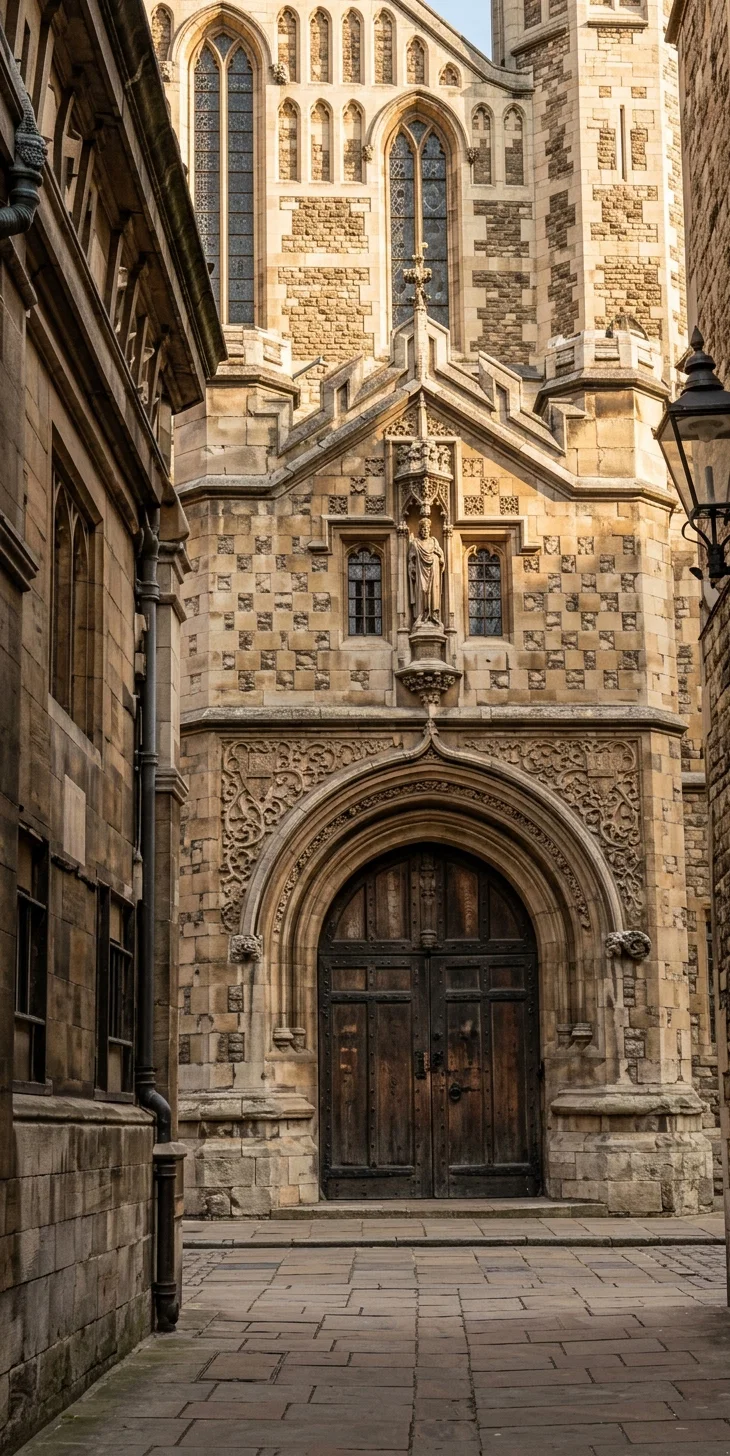
Front of St. Bartholomew's Church dedicated to the memory of the martyrs.
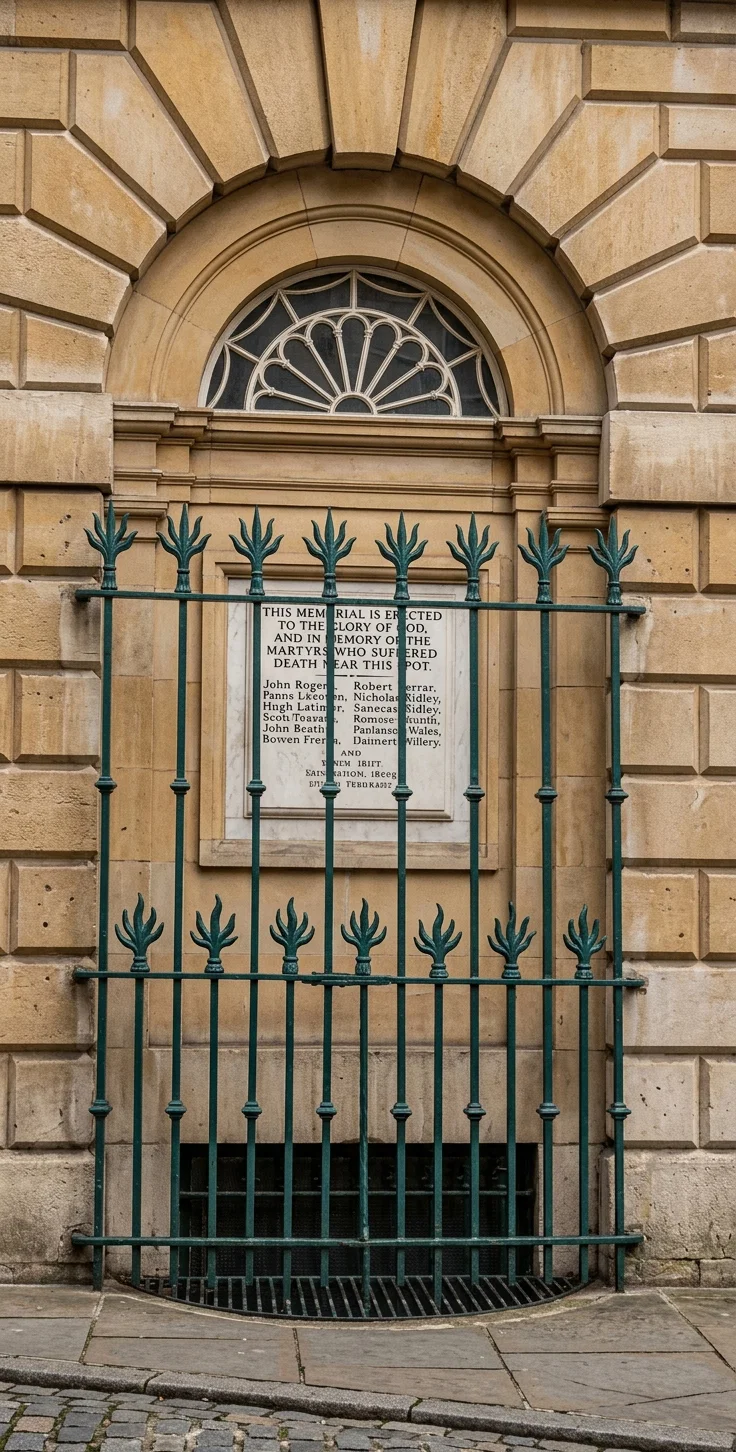
Memorial martyr tablet on St. Bartholomew's Hospital, near Smithfield market, London
It is bounded on one side by a wholesale meat-market, covering acres of ground, where in the early dawn the heavy trucks and wagons arrive and depart with the meat of all kinds for Greater London. On two sides narrow streets lead into the square, where the pedestrian must take to the road if he chance to meet one on the sidewalk. On the third side are the graystone walls of Saint Bartholomew’s Hospital, where white-capped nurses pass in and out, and the blinds are partly drawn in the wards, that the victims of accident and disease may rest or sleep if possible.
Altho the chance visitor would notice little of interest, nevertheless he treads on historic ground. It was here in Smithfield Square that the Knights of Saint John challenged all comers to friendly or deadly combat. It was a tournament ground and a battle-field, where the earth trembled with the charges of friends and foes. The surrounding country echoed with the clash of steel, and the impact and grinding of the coats of mail. Here might was right. The steadiest arm, the surest aim, and an unswerving determined steed, together with faultless armor, won the laurel wreath and the praise of the fair.
But pause, this is also hallowed ground. The dust is mingled with the ashes of holy men of old. Look! On yonder hospital walls is a small, unpretentious tablet, enclosed by iron bars, which marks a spot whose influence has been potent the wide world over. That monument commemorates greater knights than those in mail, tho they fought not against flesh and blood, but against principalities and powers. They contended not with sword, spear, or steed, yet theirs was a challenge to all the powers of darkness. Their victories were not heralded as glorious, they bore not the laurel wreath; for they “were despised and re-rejected of men,”—“they died for their faith, that was all.”
The tablet reads, as we stand before its fiery tipped rods,—
“Blessed Are the Dead Which Die in the Lord. The Noble Army of Martyrs Praise Thee. Within a Few Feet of This Spot, JOHN ROGERS, JOHN BRADFORD, JOHN PHILPOT, And Other Servants of God, Suffered Death by Fire for the Faith of Christ, In the Years 1555, 1556, 1557.”
Near this place is erected a church to the memory of said martyrs.
It was this square, near the historic Thames, where those satanic and diabolical tortures were enacted that were the fruitof the “Holy Inquisition.” Yet how true that,
“Truth crushed to earth shall rise again, The eternal years of God are hers.”
For altho, the exponents of faith perished, their deeds and the great unalterable truths remained.
As their ashes were blown by the merciless wind into the Thames and thence carried into the great ocean that washes the shores of many lands, so likewise the principles and truths by them taught, and for which they lived and died, were carried and promulgated to the uttermost ends of the earth.
What an example for us! What an inspiration to beholders! It was with hushed voice and softened step that the writer left that sacred spot, and with a renewed determination to stand firmly with those who seek to hold aloft the blood-stained banner of the Cross as Knight-errants of the Kingdom which is to come; for we know that nothing can be done against the truth but that will ultimately be for the truth.
Uthai Vincent Wilcox.