LIKE THE PALM TREE

13%

Pacific Press Publishing Company · Oakland, California · Jul 2, 1902

FromSigns of the Times, Vol. 28, No. 27.

Read the full edition

“LIKE THE PALM TREE.”

It is said of the righteous that they “shall flourish like the palm tree.” There are many species of palm, of which the stately date palm of Palestine is one. The Holy Land once abounded in these trees. In all parts they grew luxuriantly and fruitful.
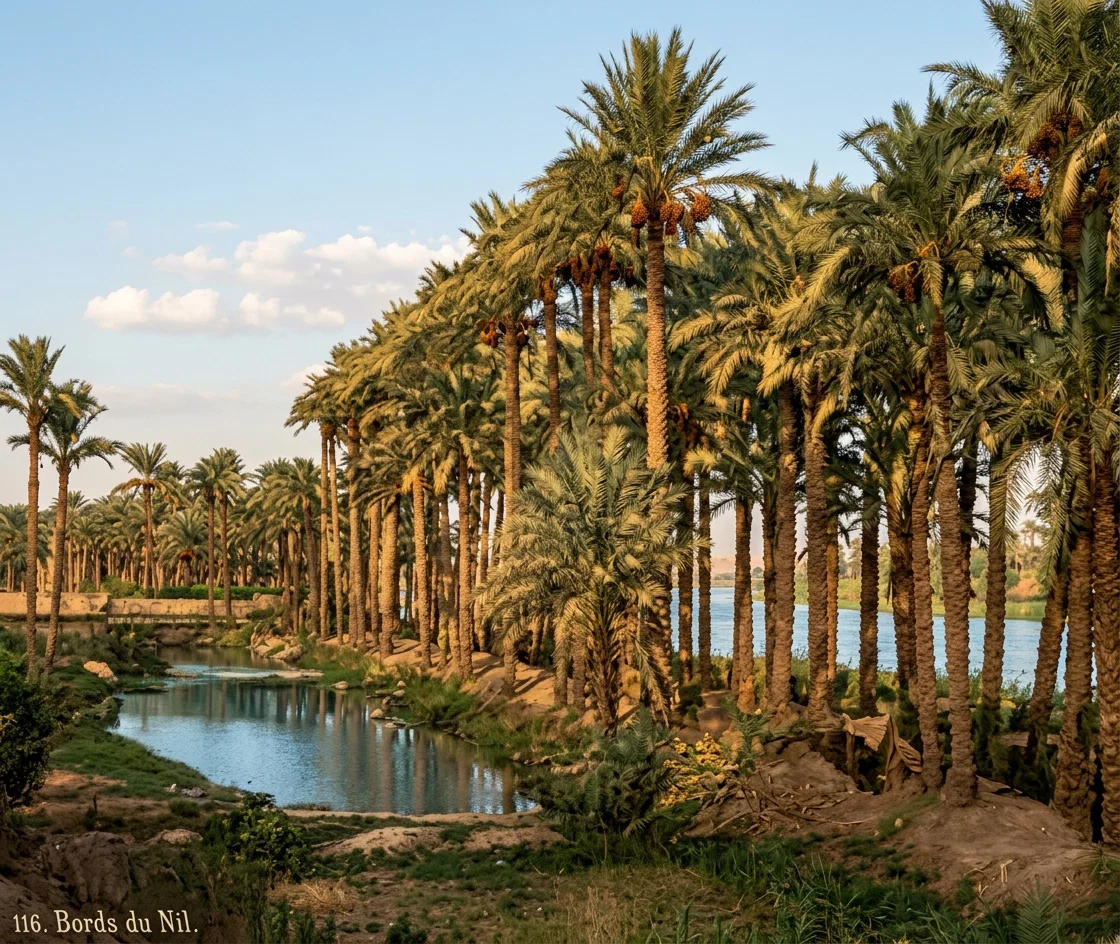
Palm Trees on the Banks of the Nile.
“LIKE the palm tree” means much. It flourishes in Egypt on the banks of the Nile, as in our illustration, of course. But it flourishes on higher lands. Its roots reach down and draw from unseen living fountains, and branch and fruit bear witness in a crown of glory at the very top of the tree, nearest heaven. In the desert oasis, where the burning sands are thrown about its trunk, and the fierce sun beats upon its unsheltered crown, the palm tree flourishes. So with the righteous. He drinks from the unseen fountain. And it is not by the river side nor by the pool border that the power of the righteous is manifest. It is not here that he is tested. It is when the fierce heat of relentless temptation and hate and persecution rain their burning torrent upon his shelterless head, when the biting, torrid blasts of the world’s drear desert pile the drifts of scorching sand about his everyday pathway, that the strength of the righteous is revealed. But it is there revealed. The secret of his growth is in God.
“LIKE the palm tree” in fruitfulness is the righteous. Every part of the tree is used. After it begins to bear fruit, it is productive for a hundred years. Even the abortive fruit, that which does not mature, and the date stones ground, are used by the Arabs to feed their camels. From the leaves of the palm are made baskets, bags, brushes, fly-traps, mats, and couches. The trunk furnishes material for cages for poultry, fences for gardens, and fuel for warmth and cooking. Thread is procured from the fibrous webs at the bases of the leaves, and this thread is made into cordage and ropes and rigging for ships. The head of the palm is cut off, the trunk is scooped out, and from the wounded trunk exudes a liquor which is fermented and used for drinking purposes. The delicious fruit—dates—is rich in sugar and nutriment. Date wine and honey are also products of this wonderful tree. The weary caravan of man and beast rest under its shade. So the righteous man is altogether fruitful. Here is enjoined his duty: “Thou shalt love the Lord thy God with all thy heart, and with all thy soul, and with all thy strength, and with all thy mind.” This takes in the whole man. Every purpose of life, every affection and motive, is to be exercised to God’s glory and the good of his neighbor, whom he is to love equally with himself. No part of the Christian is to run to waste. He is not to serve God on one day of the week, but every day; not only in matters that pertain to church or philanthropic matters, but in all his business relations. Like the palm tree he is to be every part useful. It is not only a holy duty, but a gracious privilege.
Thus like the palm tree he is to flourish. Like the palm tree he is ever to be a blessing. It was a blessing to Israel when they came to Elim where were “threescore and ten palm trees.” Num. 33:9. Jericho in its greatness was called the city of palm trees; but when Christ was rejected, the city came to ruin, and as fit symbol of its desolation, every palm tree is gone. The glorified saints are represented as having palms in their hands. The tree was used as a token of victory and peace. “Bethany” meant the “house of dates;” and the abundance of palms was indicated at Christ’s victory of peace and blessing when His way was strewn with palm branches on His entrance to Jerusalem. The palm was used as an ornament on the temple, indicative of the fruitfulness of the children of God, who compose the true temple.
“LIKE the palm tree” is to be “trees of righteousness, the planting of the Lord, that He might be glorified.” Isa. 61:3. So, reader, God would have you to be. The root is of Him. He will graft you into it, that you may partake of its life and fatness. Thus rooting downward in the life-fountains of God, you may bear fruit to the blessing of man and beast and to the glory of God unto everlasting life. “Herein,” says Jesus, “is My Father glorified that ye bear much fruit; so shall ye be My disciples.”