CHANGES IN ANIMAL LIFE

6%

Pacific Press Publishing Company · Oakland, California · Oct 23, 1901

FromSigns of the Times, Vol. 27, No. 43.

Read the full edition

CHANGES IN ANIMAL LIFE.

In creating man God placed him at the head of all His created works. He gave him dominion and authority over all the earth, and the other creatures which lived thereon. God intended that man should through the exercise of this authority cause all life to be a praise to its Creator. Had man remained unselfish as God created him, this would have certainly resulted. But when the one in whom this authority was vested, departed from the principles upon which that authority rested, all nature suffered, so that the whole creation groaneth and travaileth in pain until now.
The true object of nature study is not one of curiosity simply, observing the wonderful and astonishing things which animals and plants do; but it is to enable us better to co-operate with the work of the Creator in His plan of redemption. Not a sparrow falls to the ground but our Father's heart of sympathy is touched; and when we seek to produce conditions by which animals and plants can best develop, it can but be pleasing to the Giver of their life. This can not refer to the pests, which are directly the result of sin; one way in which conditions of right development of God's creatures can be presented is in the removal of these pests.
The spirit of destruction—the spirit of wrong—is so manifest in the animal world that one of the keenest and most affectionate observers of animal life says that the life of nearly every wild animal of whatever kind or nature ends in a tragedy, and that a natural death is of the rarest occurrence. To make this thought plain, suppose that every man, woman, and child who dies, expires by the hand of a murderer, who generally devours his victim. This would be a condition similar to that which exists in all animal life; and yet for all animals, from the gigantic elephant to the little insect floating in the sunbeam, our Father has the tenderest care. So, then, it can be only reasonable to say that the greatest, if not the one purpose, which we should have in studying this life about us is to alleviate its suffering.
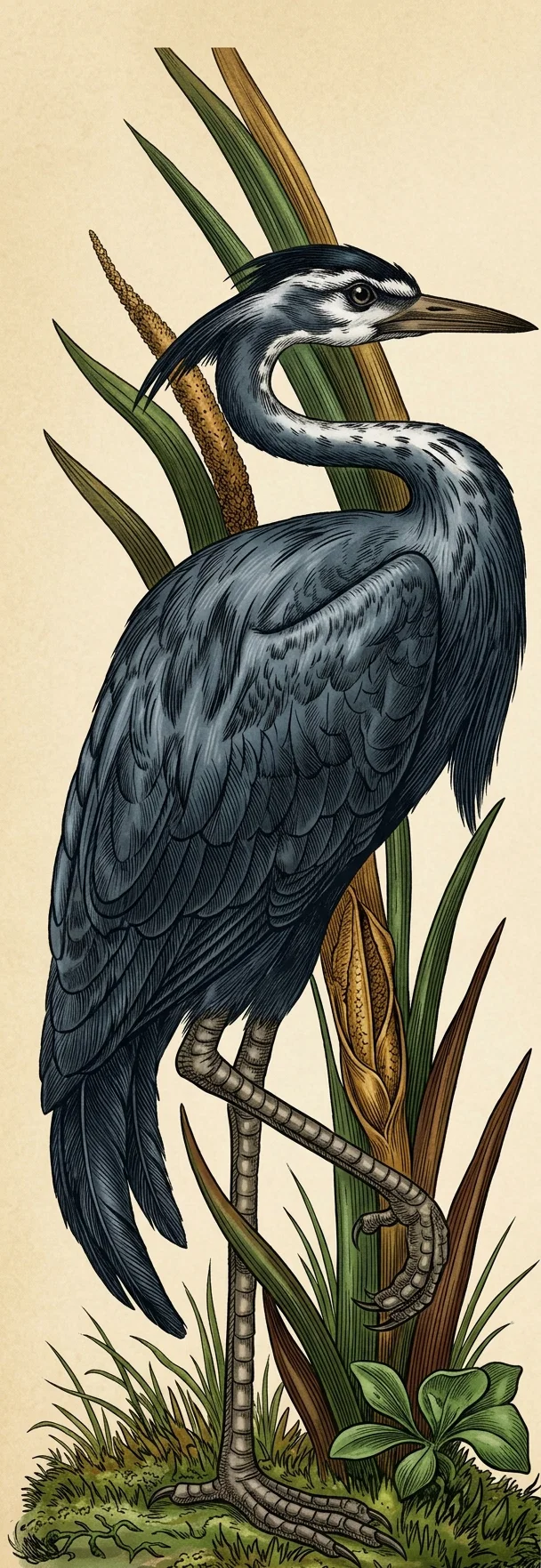
The crane.
The crane.
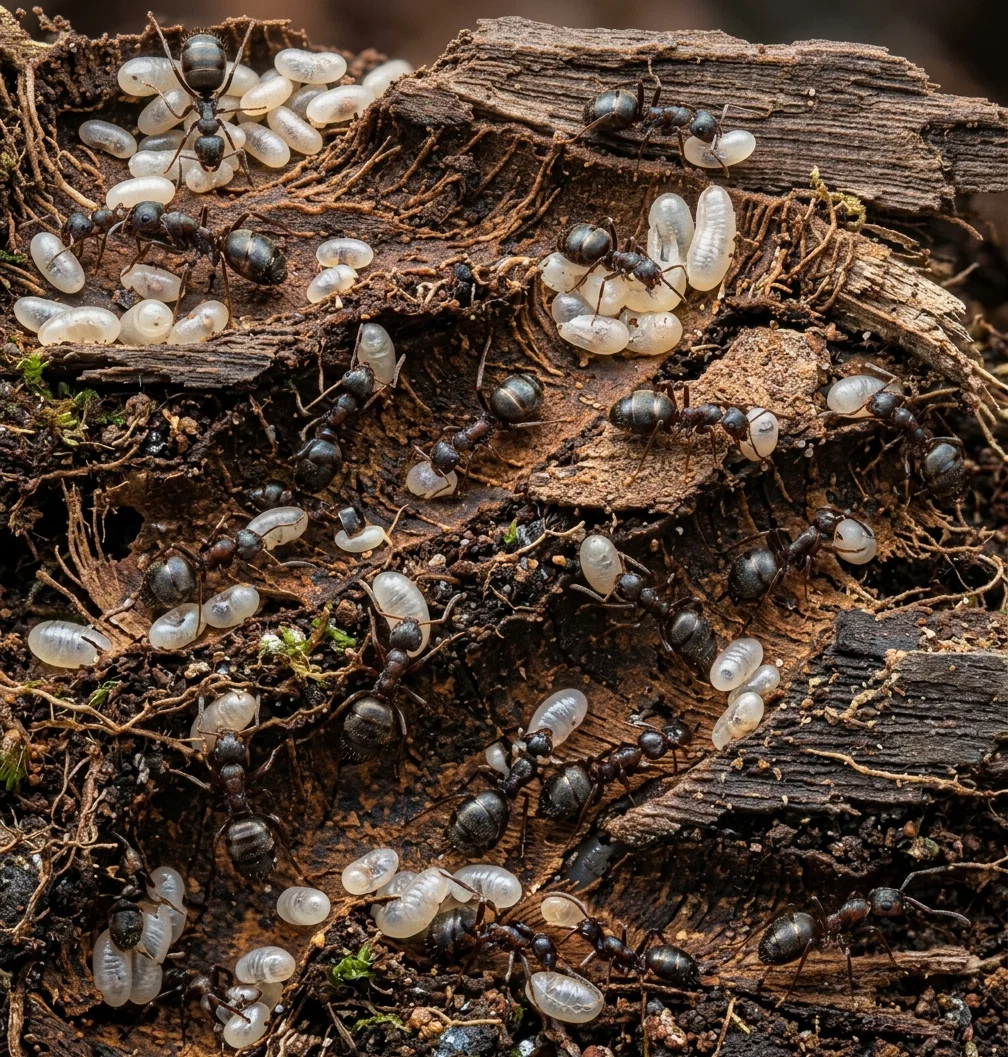
The animals (and by this word it will be seen that I mean all animate life) will teach us valuable lessons. “But ask now the beasts, and they shall teach thee; and the fowls of the air, and they shall tell thee.” Even the ants, which are naturally considered so very inferior to us, have their lessons for us. They have no guide or overseer; yet they prepare their meat in the summer, and gather their food in the harvest. This lesson of providing against want is one which the majority of men never learn; and yet the one who studies these little creatures can not but be impressed by it. In this way would our Father teach us.
Each season brings its changes to all living things both animal and plant. Consequently one of the most profitable ways in which to study animals is to observe their various changes and phases of life appropriate to the season. One of the most wonderful laws of life is that of adaptation. The form and structure of a plant or animal will change to meet different conditions in its life. To illustrate, plants which are taken from a warm to a cold climate will change in structure quite materially to defend themselves against the cold; the bark becoming thicker and the fiber firmer. The fur of animals which are taken from the North to warmer climates, gradually becomes thinner. Not only may these gradual changes in the working out of the law of adaptation be observed, but more plainly seen are these yearly or regular changes caused by the seasons.
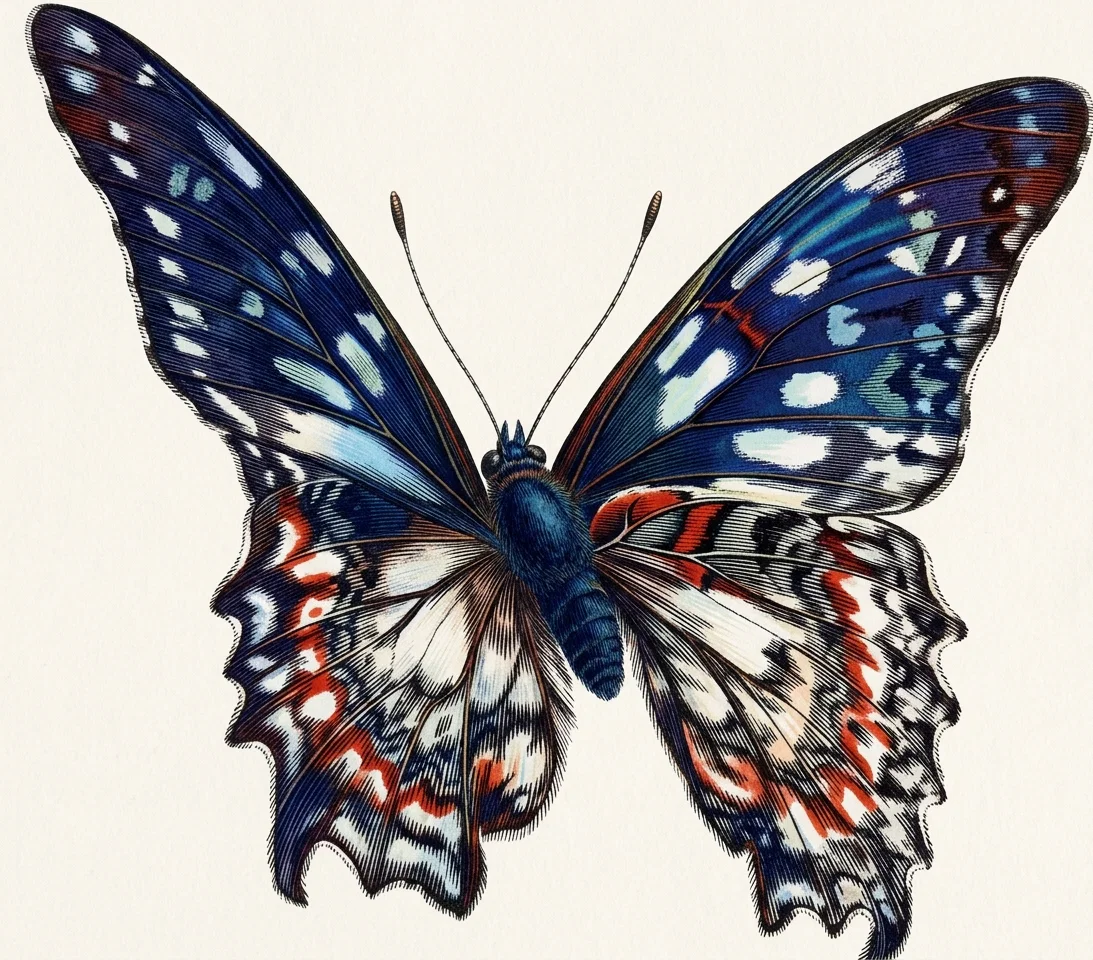
Higher and higher the sun appears in the heavens, rising earlier each morning and retiring later each evening. He is endeavoring to awaken this sleeping earth. He begins by removing the snowy cover. A robin greets us some morning with its cheerful song. Other birds soon come, and assist him in his apparent endeavor to drive out the cold. Frogs begin to croak, tho their voices are at first weak, resulting from their non-use during their long sleep. They, however, soon get their throats cleared out, and begin in earnest their chorus. A toad comes hopping along—joints pretty stiff from his long nap; a cricket chirps; a spider spins his web; an earth-worm crawls out to look at the weather; a moth floats lazily by; the buds swell; the leaves put forth; and spring is on. Birds mate, build their homes, and rear their young. Insects of every kind and description whir by. This is summer time, and all is life and motion; even the reptile which crawled forth so slowly and heavily from his winter house now glides swiftly along his way. The sun reaches its zenith, and apparently feeling that his greatest work is done, rises later in the morning and retires earlier at night. As he ceases, for long hours each day the air becomes chill. Now and then it creeps on us, cutting us with a sharp edge which it has acquired in some northern snow-field.
Ants moving their eggs to shelter after their home has been disturbed.
This is autumn, and all animal life begins to cease its activity and prepare for the changes which the sun is thus making. The birds—those which have never seen a flake of snow, together with the old and experienced veterans—gather themselves together, and are soon basking in sunnier climes. The Lord through Jeremiah teaches us a very forcible lesson in this migration of birds and the hibernation of animals when he says, “Yea, the stork in the heaven knoweth her appointed times; and the turtle and the crane and the swallow observe the time of their coming; but My people know not the judgment of their Lord.”
As the cold bears in more strongly, the reptiles appear with less and less frequency, and finally in the farthest part of the burrows give themselves up to their death-like sleep. Many of the insects, even with garments rent and torn, mere wrecks of their former selves, refusing to abandon their pleasures even for a moment, stiffen and die wherever the too chill air may find them. Others, however, do happen—for chance it seems to be—to find a lodge in a crack in some old log or board or under a stone or in a hole in the ground. These giddy, gaudy, stylish creatures are not wise as is the ant in her simple Puritan dress of brown—another lesson.
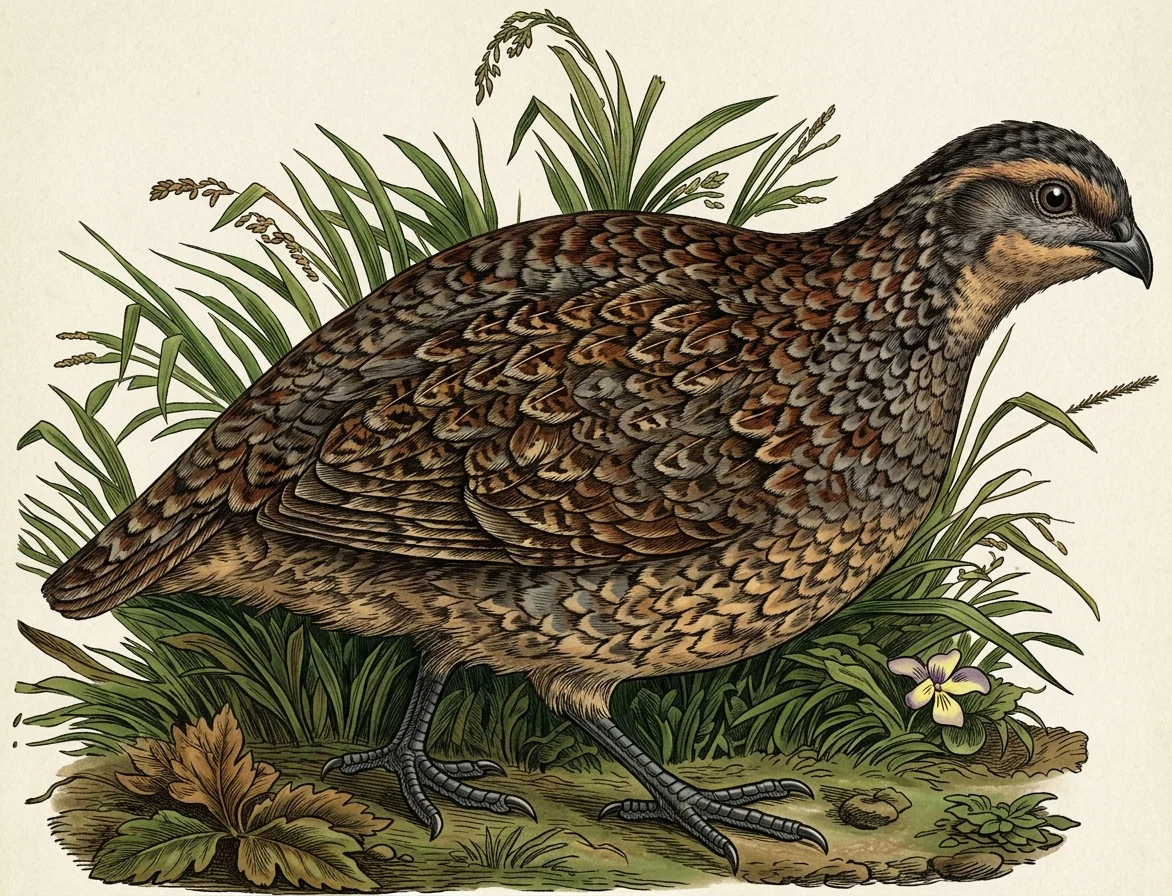
The partridge—a bird that spends the winter with us.
Other creatures, preferring to brave the old winter, put on underclothes in the shape of fat, and overcoats in the form of thicker furs. But in times of plenty they made these garments. The “craws” have dug for themselves dens into which they have backed, and where they will rest. The fish also have found their winter abode among the rocks and recesses in the bottom of their watery world. The tadpoles, too, seek a snug bed under some sunken stick or stone, or in a crevice in the bottom of the pond, and shortly, in their land of nod, forget all their purposes to be frogs.
With the sharper cold, the ceiling of the ponds and the rivers with ice and the spreading again of the coverlet of snow, repose comes to the earth, and the cycle of the year is completed. This yearly change has meant a complete change in the life of the animals. It has taken place so gradually and silently as to be almost imperceptible. Many of the causes which produce these changes are not yet understood. To lead a child to the study of these causes is to lead him to a love of the Creator’s works. And how wonderful these works are! They are manifold, but all made in wisdom.
So. Lancaster, Mass. FREDERICK GRIGGS.