Short Musical Notes

5%

International Tract and Missionary Society · Oakland, California · Apr 16, 1885

FromSigns of the Times, Vol. 11, No. 16.

Read the full edition

Short Musical Notes.

OUR Hymn Book says: "The music introduced into this book will greatly promote uniformity and correctness in singing." To this we may say: "That depends." Strictly speaking, there is no music in the book, nor in any other book. See Webster and Worcester. Music is a science; or it is a succession of pleasing sounds, as in melody, or a combination of those sounds, as in harmony. But neither of these is in the book. But there are characters which are technically called music, because they guide in producing melodious and harmonious sounds. They represent to the eye the form in which music is or should be presented to the ear.
How, then, can these characters "promote uniformity and correctness in singing?" A book will promote correctness in reading only provided that we study and follow its rules, and correctly express its words. The music in a book has of itself no power to form correct habits in any one, or to correct wrong habits. The reader may say that this is a round-about method of saying that, to have the music serve any good purpose we must use it—must heed its construction. Well, if he will look at it in both methods of statement, we shall the better be satisfied; as that may insure his attention to an important subject.
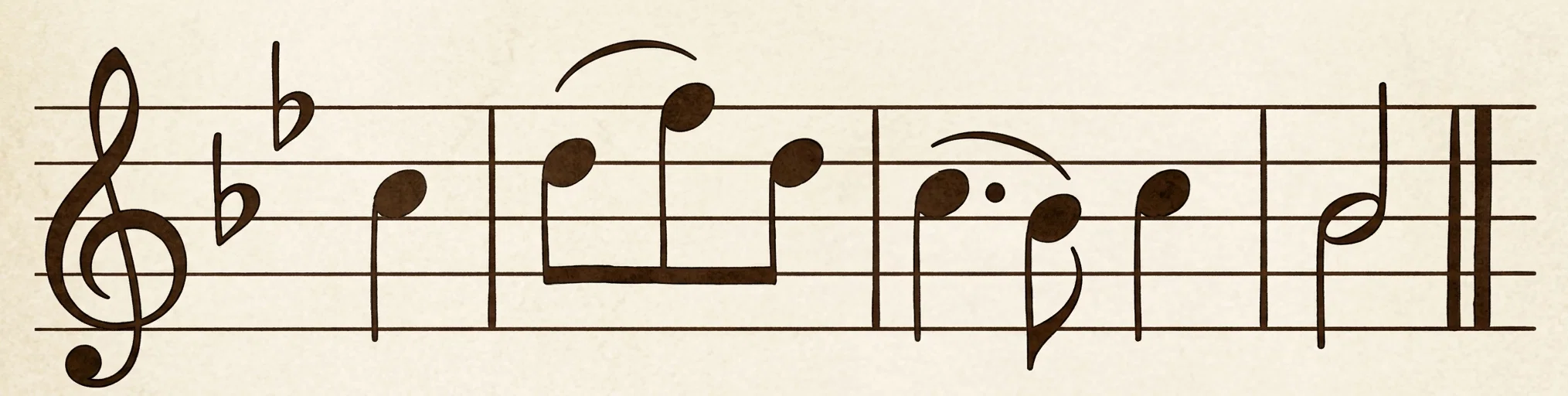
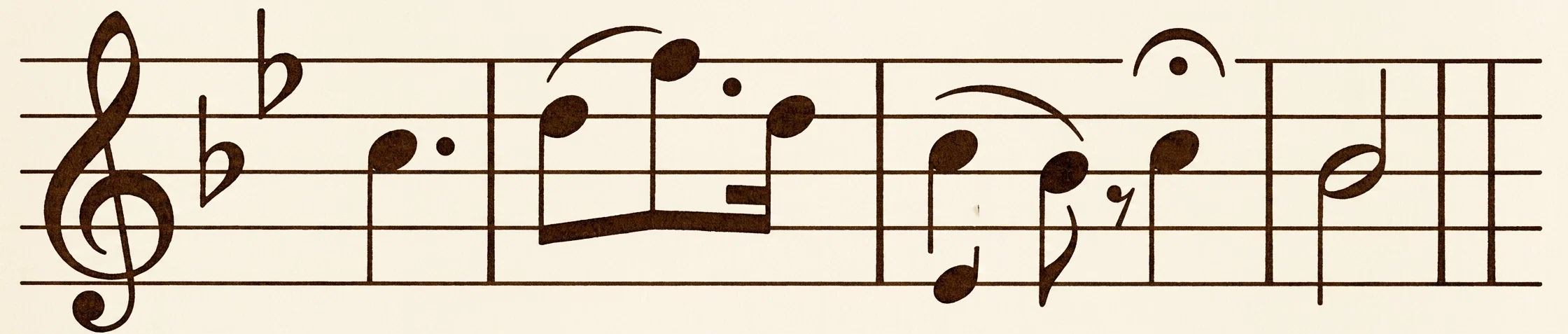
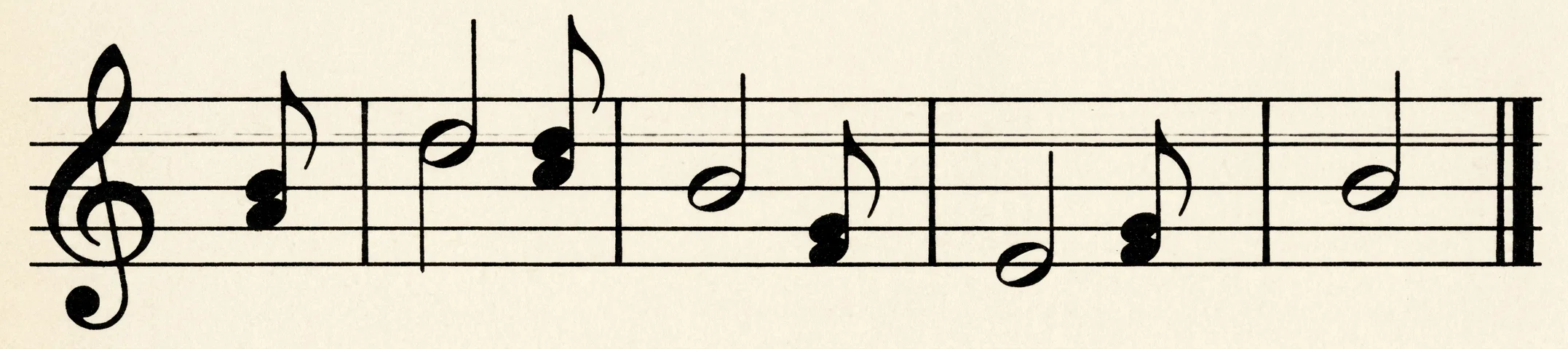
We have said that too many of our tunes are not sung at all. We now further notice that very few are sung correctly. Some old familiar tunes are almost uniformly mutilated in the singing. We will give a few instances: The last strain of Balerma is written as follows:—
But it is sung in this style:—
A certain writer has said that the tune to the words, "Nearer, My God, to Thee," has never been written. Thus far the favorite is Bethany, and probably will remain so. The movement is not difficult, and is generally preserved until we come to the last strain. Then a change takes place, as follows:—
As written
As sung
The effect is easy to see if part of the congregation sing it correctly, or if an instrument is used, as performers very laudably aim to keep the correct time.
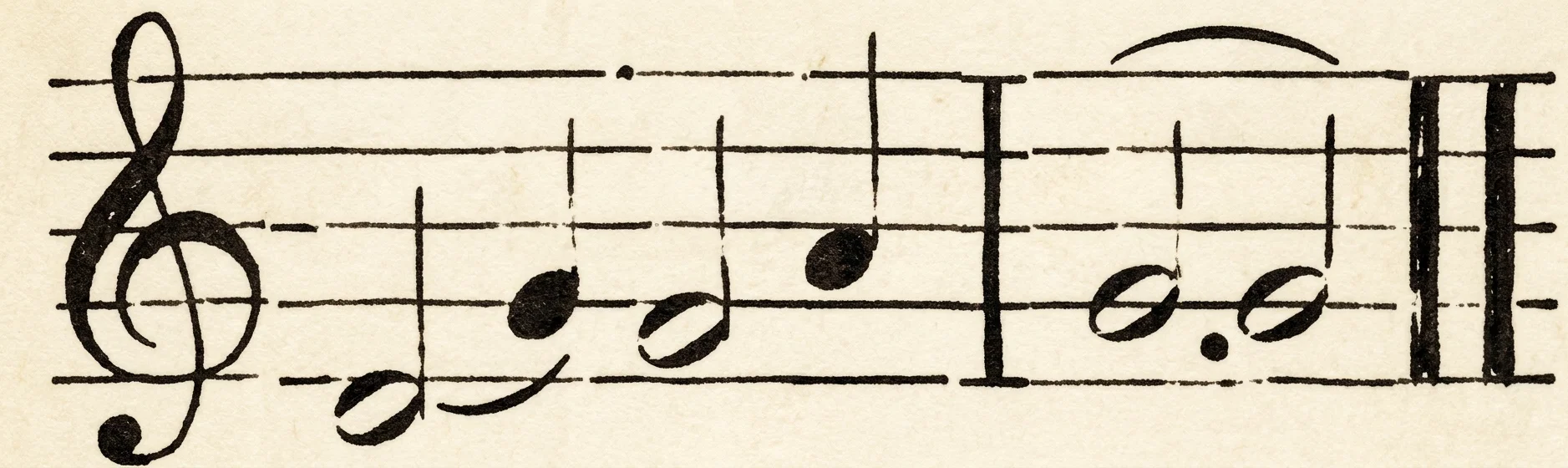
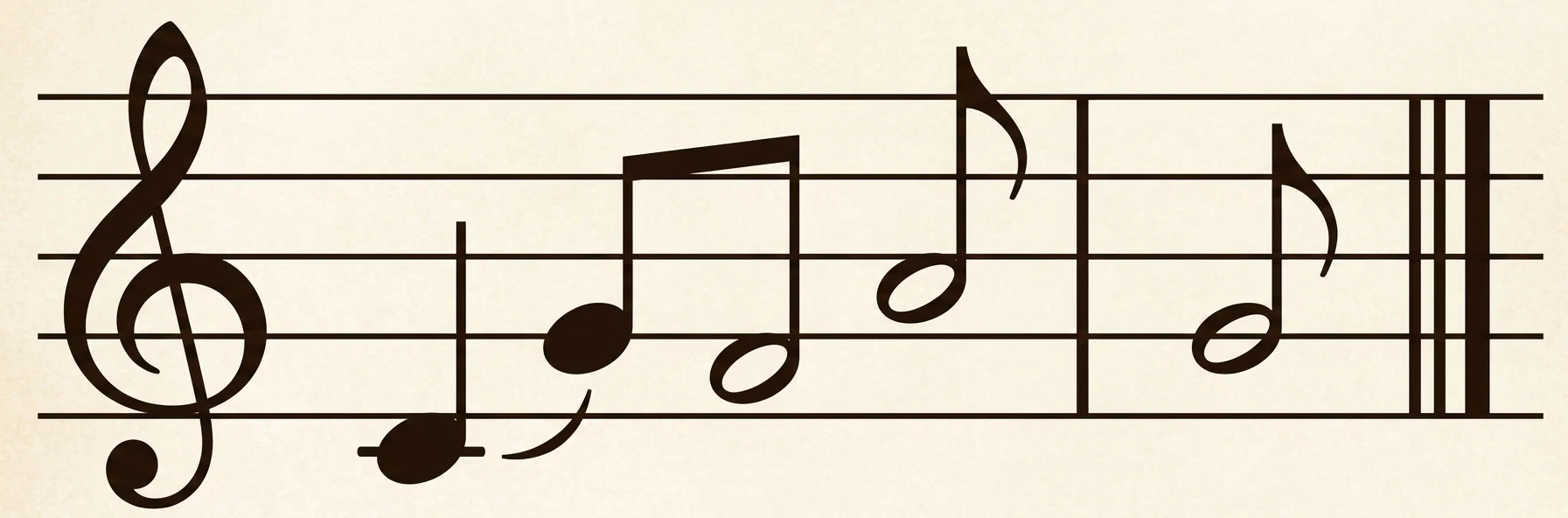
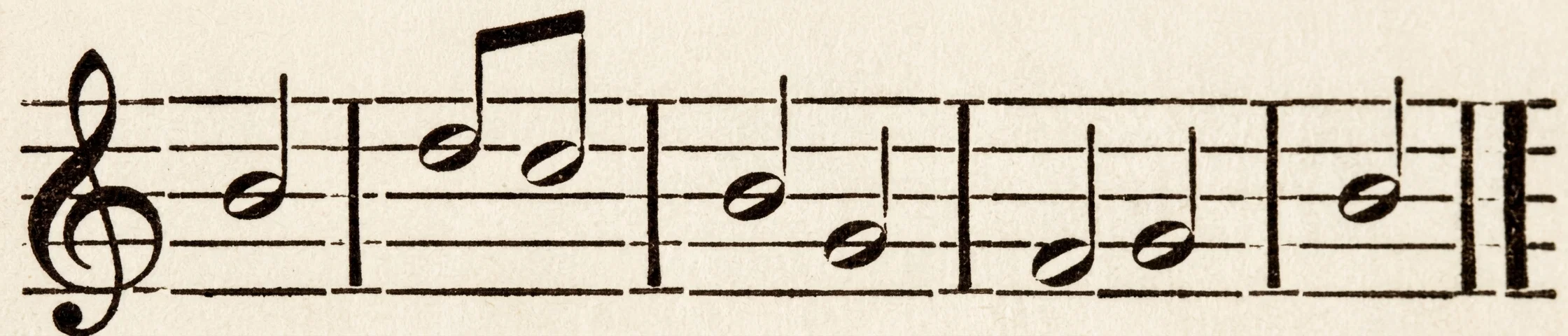
A common error is that of singing tunes of the style of Balerma or Ortonville as if they were written in notes of equal length, or very nearly so. The effect is as follows:—
As written
As sung
Let a few singers perform these as here written, some on one staff and some on the other, and note the effect. Of course such an effect in full will never be actually produced, because those who know how it should be sung are compelled to give way, and let the error prevail. In this manner a compromise may be obtained; the half or open notes will be given their proper time, and the quarter notes will be sung as if dotted—their time increased only by half.
For another instance let the singers in any of our churches sing Chopin, and let some one try to beat the time on the last strain.
Some insist that such inaccuracies in time make no difference, only so that all are agreed upon the time in which the piece is sung. For two reasons we dissent: (1) There is a material difference between producing a piece correctly, in the time in which it is written, and producing it in a careless, drawling manner. And, (2) All will never be agreed. When we are present, they never can obtain our consent to such mutilations! and we know many more of the same mind.
We are referred to such singers as Sankey, who observe no time, who aim only at the effect, without regard to rules. But such sing alone, and they do not sing church music. Of such we have nothing to say. We do not care how songs are sung by soloists. We are pleading only for congregational singing of church music. Here regard must be paid to time.