[J. E. Caldwell, M.D., in Australasian Union Conference Record.]
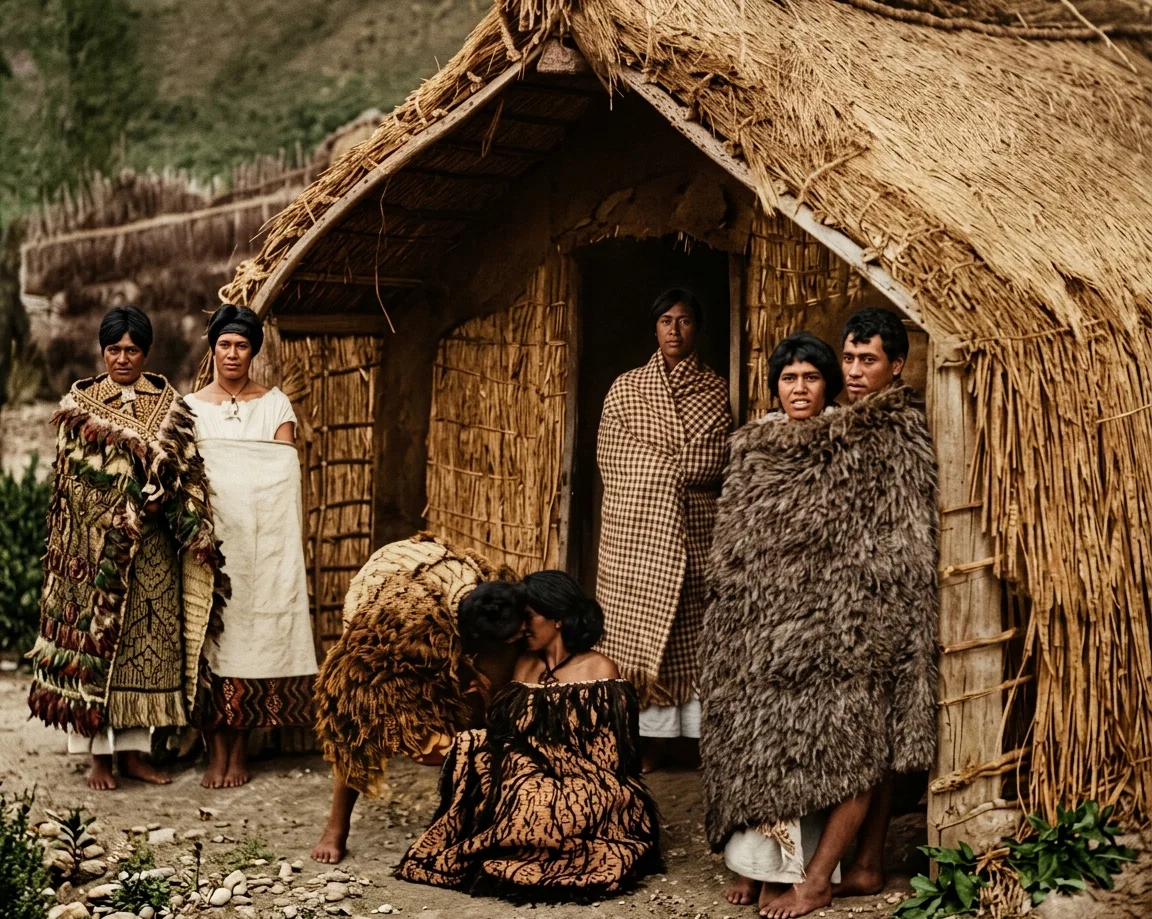
A Maori Dwelling.
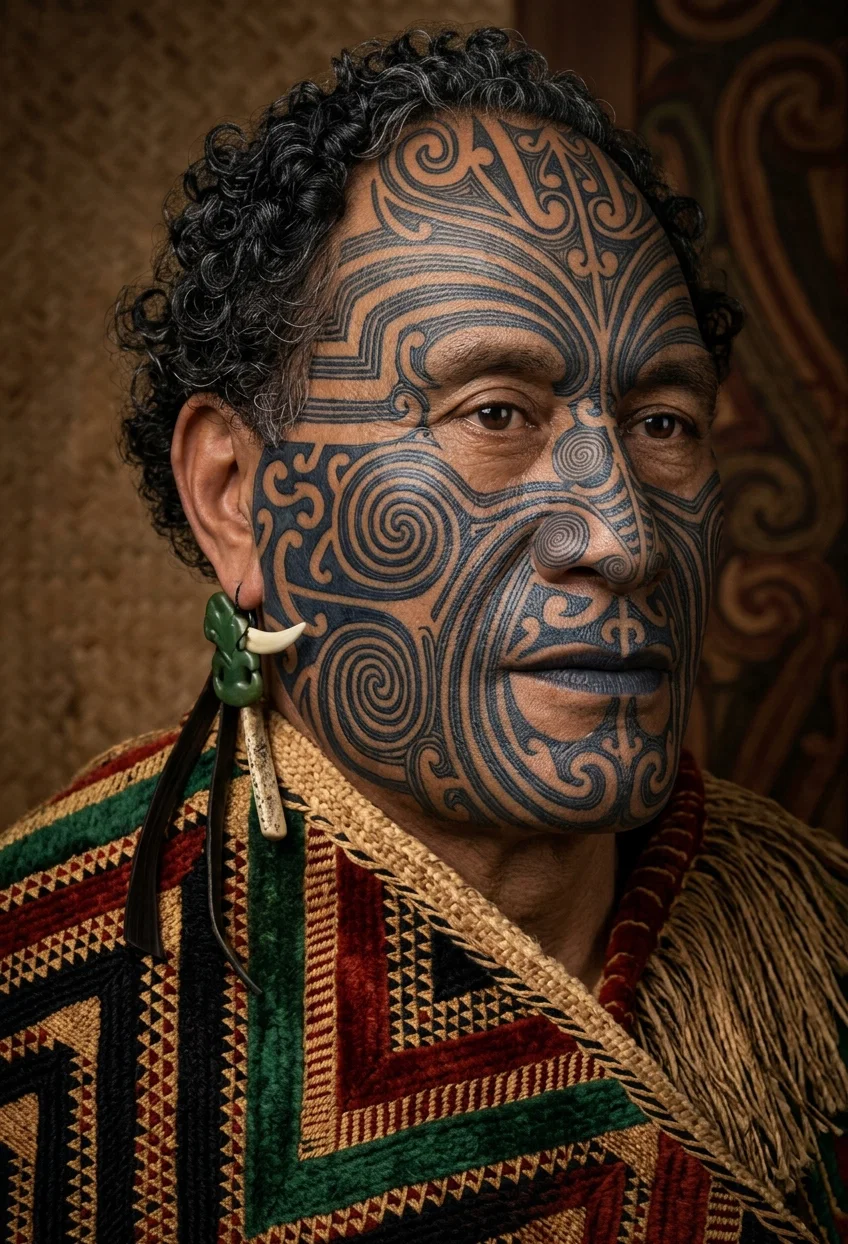
A Maori Chief.
At the last Union Conference held nearly two years ago, steps were taken to materialize the long-cherished purpose of Seventh-day Adventists everywhere, and of the New Zealand Conference in particular, to establish a mission among the Maoris of New Zealand. To that end a request was made to the Foreign Mission Board that I should be released from my work in the Raratonga Mission and connect with the New Zealand Conference and take up this work. As we were worn down by a somewhat protracted residence in the tropics and needed a change, the Foreign Mission Board acceded to the request, and voted myself and family a furlough of indefinite duration, with the understanding that it be spent among the Maoris of New Zealand.
Owing to unavoidable delays, and the difficulty of finding a suitable person to carry on the work in Raratonga, we were not released from our work there until about the first of February of the present year. At that time we came to New Zealand and settled temporarily in Auckland.
On the arrival of Brother E. H. Gates, Superintendent of Polynesian Missions, we prepared to visit the Maoris, that we might know for ourselves their real condition and needs before making a permanent settlement.
After making arrangements for the revision of a tract on the second coming of Christ already in Maori, and the immediate translation of more literature, Brother Gates and I left Auckland by one of the coasting steamers, and, after a rough passage and some delays, reached Opouriao, the home of Brother and Sister Marple, situated on the border of the Uriwera country.
Already we have made several short excursions across the “confiscation boundary,” a line fixed by government when a portion of land was exacted as a penalty from the untamed Uriweras for lawlessness and murder.
In addition to the information we have gathered ourselves, we have been enriched by meeting, providentially as it appears, a young Scotchman, a colporter of the Bible Society, who has just returned from a trip on horseback through the very country we came here to examine. For about eighteen months he has been traveling most of the time among these natives. During the past three weeks he has been in the bush, carrying his books on a pack-horse in the wildest part of New Zealand. He is not only very friendly, giving us all the information possible, but kindly allowed us to read his diary in which his experiences are detailed.
He tells us he saw more than one hundred natives making a new government road through their country, working on the “co-operative plan,” who themselves met the government surveyors only a few months ago, ready with arms, if necessary, to forbid the white man’s passage through the land. So great and so rapid is the change that is being witnessed among them. Yet for all this tribe numbering 900 souls, many of whom are primitive Maoris, not one resident missionary is to be found. By a strange mixture of Judaism, Christianity, and heathen practises, they worship, or, rather, go through a form of worship. They meet for prayers twice every day and four times on Sabbath; for, strange to say, they regard the seventh day as sacred time.
Brother Gates and I walked out to visit a few of them in their nearest village last Sabbath. When they knew we also keep the Sabbath of the Bible, which they accept, a bond of sympathy was formed at once. Has not Providence laid the burden on us as a denomination to lead this people into the light of truth?
They claim four or five thousand adherents among the various tribes, and are called Ringatus, from ringa-ringa (hand) and tu (to stand). In worship they always lift the hand in prayer, as mentioned in Ps. 63:4.