THE OPENING SEPULCHER

8%

Pacific Press Publishing Company · Oakland, California · Jun 12, 1901

FromSigns of the Times, Vol. 27, No. 24.

Read the full edition

THE OPENING SEPULCHER.

THE way the different nations and peoples of earth, during all the ages, have buried their dead, has always been an interesting study. The care that people have for the dead is a strong and clear indication of what some of their beliefs and superstitions were, and not infrequently does it mark their progress in civilization and enlightenment.
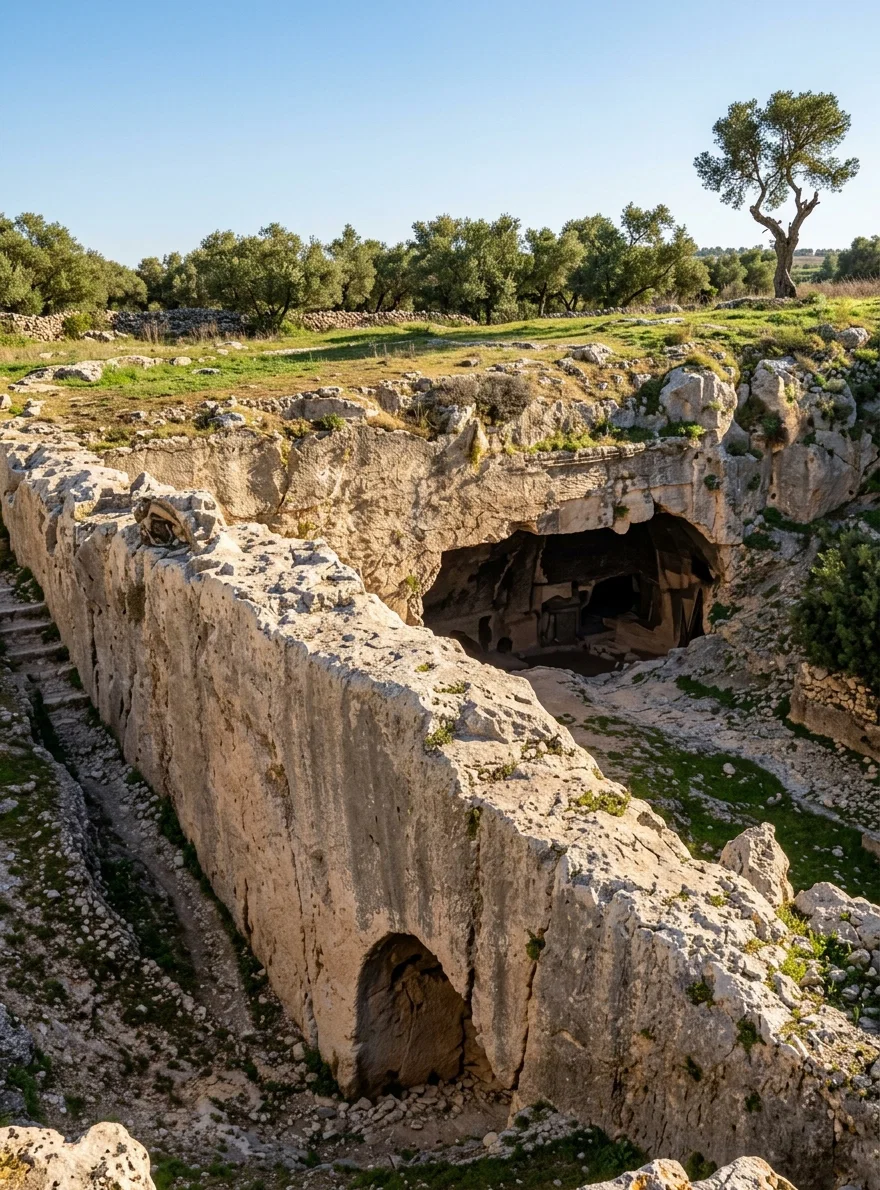
Jerusalem—Tombs of the Kings.
THE Egyptians believed that at some time the soul would of itself return to its body, and so they made mummies of their dead; while the Israelites believed in the resurrection of the dead by the power of God; and hence all they aimed to do was to give their deceased a respectful burial.
THE usual plan of the Israelite was for the burial ground to be on the family estate. And instead of simply burying the body in the earth, as is the custom so generally to-day, they had regular sepulchers cut in the rock, with places in them for entombing the members of the family as they died.
THE tombs, or “sepulchers, of the kings,” shown in our illustration, was in Jerusalem, “the City of David.” The biography of the kings of Judah usually closed with the statement that they were buried in the City of David, in the sepulchers of their fathers; the tombs of the kings of Judah. It is supposed that these sepulchers were near the temple on Mount Zion.
THE tomb has stood with an opening door ever since sin entered the world. Its doors swing ever inward; the dwellers in the “city of the dead,” so far as mere human knowledge can see, may never hope to see the doors turn outward, and give them release. But He with whom it is impossible for a mistake or failure to be made, has said: “Fear not; I am the first and the last, and the Living One; and I was dead, and behold, I am alive forevermore, and I have the keys of death and hades [the grave]. Write therefore the things which thou sawest, and the things which are, and the things which shall come to pass hereafter.” Rev. 1:17–19, R.V.
He who announces Himself as this “Living One,” and who says He has “the keys of death and hades [the grave]” also says, “The hour is coming, in the which all that are in the graves shall hear His voice, and shall come forth; they that have done good, unto the resurrection of life; and they that have done evil, unto the resurrection of damnation.” John 5:28, 29. It would be an absolute impossibility for the resurrection-day not to come. And when the day does come, it will also be an impossibility for the dead not to come forth. For the same voice that called man into existence will also call him from the grave at the resurrection.
WHEN that most glorious day is finally reached, how grand it will be to be found standing among those that are prepared to meet the Lord! It will not only be the “tombs of the kings” in “the City of David” that will possess their interest to us; but every hewn sepulcher, every lone grave, and every dark cavern, that has become the abode of the dead, will have its doors thrown outward that they may allow the sainted sleepers to come forth.
THE evidences all show that the resurrection-day is right at hand. Those of us who are now living may hope to see it without going into the tomb; we have good reason for the hope of being among those who are still living when the Lord comes. Does the thought of that great reunion thrill you with delight? Is your very soul panting for the time to come? If not, you have not yet learned to taste one of the sweetest and the most satisfying joys which God has given.
“Behold, I show you a mystery: We shall not all sleep [go into the grave], but we shall all be changed, in a moment, in the twinkling of an eye, at the last trump; for the trumpet shall sound, and the dead shall be raised incorruptible, and we shall be changed. For this corruptible must put on incorruption, and this mortal must put on immortality. So when this corruptible shall have put on incorruption, and this mortal shall have put on immortality, then shall be brought to pass the saying that is written, Death is swallowed up in victory. O death, where is thy sting? O grave, where is thy victory?” 1 Cor. 15:51-55.
T.