THE DEVOTED CITY

6%

Pacific Press Publishing Company · Oakland, California · Mar 20, 1901

FromSigns of the Times, Vol. 27, No. 12.

Read the full edition

THE DEVOTED CITY.

Which Shall It Be?

ALL that man holds is a gift from God. The Creator is owner; man is but His steward. Man’s first duty, therefore, is the recognition of God’s ownership.
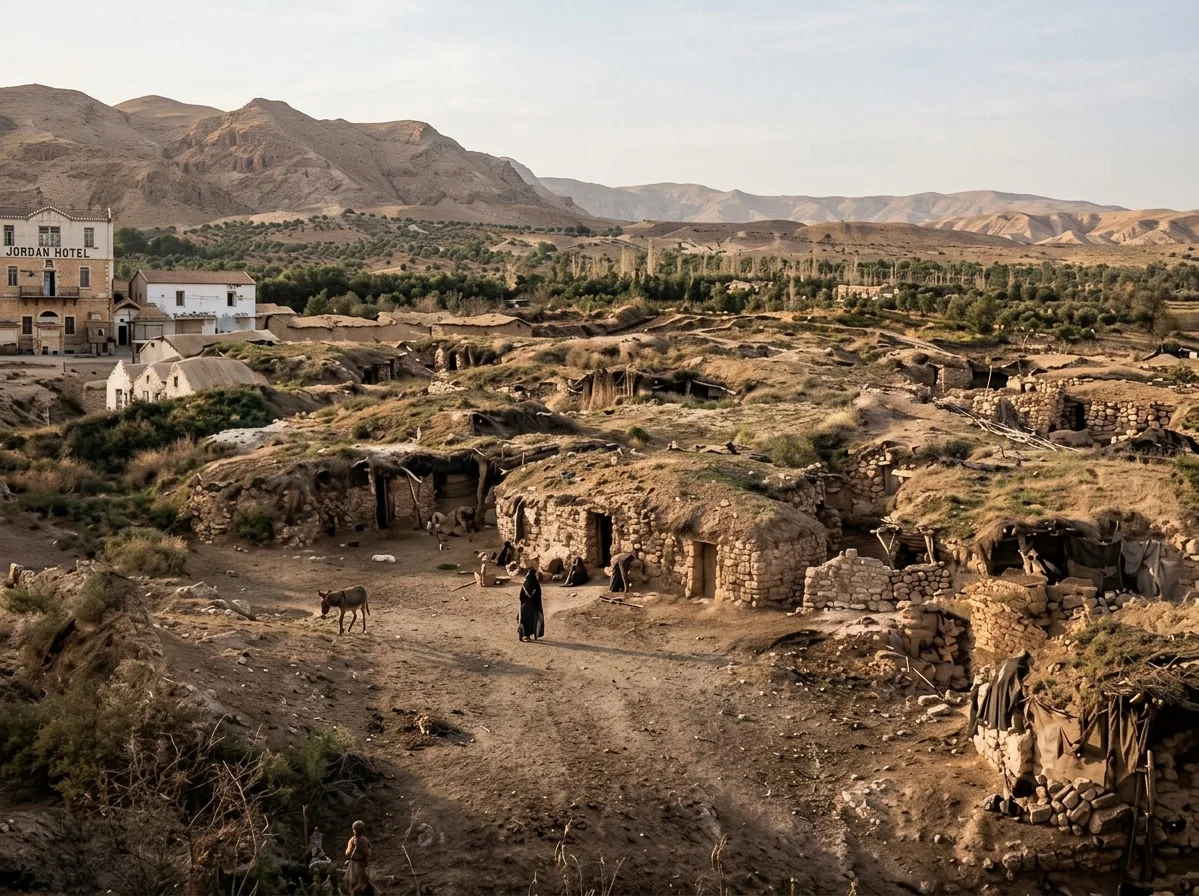
SITE OF ANCIENT JERICHO.
THIS is not an arbitrary or selfish exaction on the part of God; it is demanded by man’s well-being. To retain honor and integrity unblemished man must practise it. All that man has he owes to God. In honor he must recognize this. If he fail to do his duty in this respect his sense of honor becomes blunted, and his character is ruined. Moreover, man is dependent upon God for continued blessing and existence. Honor is an inherent, essential element of His character. Giving is His life. But the reception of the life of God, as His life—eternal life—is only possible by a soul in harmony with God’s character of honor and righteousness. No others can receive God’s life—eternal life—save those submitted to His will.
THE Lord has taught these lessons in many ways. The first-fruits were His, and before man ate of his harvest, he was to offer of it to the One who gave it all. The first-born were to be especially devoted to His service. The first city in the nation of the Jews was the “Holy City.” First of all God, the Giver, is to be remembered: in the morning, in early life, in prosperity, in business transactions, in pleasure, in sunlight and gladness. And if we so remember God, so plan for Him and His interests as good stewards of His kingdom, we may be assured that in the evening-time of life, in adversity, in losses, in sorrow and pain and trouble, God will remember us. He will plan for us. When we walk in darkness, He will be our light. When we sink in almost despair, underneath will be found the Everlasting Arms.
BUT if we neglect to render to God His own we shall suffer loss. The soul that does not honor God will seek to honor self and dishonor Him. He who does not identify himself with the righteousness and life of God, identifies himself with sin, and must inevitably suffer its death.
WHEN “the inhabitants of Palestine” reached that condition that their works were evil and only evil, and there was no hope for reformation, God rejected them and gave the land to Israel, that Israel might give the light and truth to the people of earth. Yet He warned the Canaanites. By Abraham, Isaac, Jacob, by Melchizedek, by the mighty works of God when He brought Israel out of Egypt, He warned them. The Philistines heard of the mighty One and were afraid. Jericho, the queen city of Canaan, the seat of moon-worshipas its name implies, heard of Jehovah. One soul in that city and her family yielded to God. So might the whole city have given itself. But it rebelled and sought to withstand God.
OUR illustration is a graphic lesson of the desolation which follows the rejection of God. It is from a photograph of the site of ancient Jericho. The city was situated in a fertile region, in one of the most fertile of the Jordan valleys, near its mouth, six miles west of the river. To the east, just over the river, were the mountains of Moab, among the peaks of which rose Nebo and Pisgah. Westward was the mountainous wilderness of Judea. Around it the rich Jordan Valley. From far Damascus and farther Babylon came the merchant caravans. It was a rich city for spoil and booty which the Israelitish host looked upon when they crossed the Jordan, in those vernal days of thirty-five centuries agone.
BUT it was not to be theirs. No hand must touch its riches. It belonged to God. It was the first-fruits of that land which God was soon to place in the stewardship of Israel.
THAT it came to them thru His gift, not thru their prowess, was manifest in a remarkable way in the taking of the city. Not one blow did they strike. Not one arrow did they shoot. They cast neither stone nor spear. Read the account in Joshua, chapters 2, 5, and 6.
THE spies sent out by Joshua had already visited the city. They had been received by Rahab, who believed. They had learned from her that the people had heard of God and His wonderful works. They had assured the woman that those who trust in Jehovah would be saved. The Captain of the Lord’s host met Joshua, and assured him that God’s invisible army was present to conquer. The people of Jericho might have opened their gates and received God’s people in His name, but they shut themselves up. They would neither go in nor come out; they would defy the people who had come. They might—every one of them—have been saved, as was Rahab. “God is no respecter of persons.” They might have yielded their sins and accepted life; but they would not. And so the city was “accursed,” or, better, “devoted,” as in the Revised Version. The word is used of offerings which were to be wholly given to God. See Lev. 27:21, 28, 29; Num. 18:14. Jericho was devoted to God. Had the people yielded to Him, He would have used them to His glory. But they chose sin, and with the sin they must perish.
JERICHO was the first-fruits of Canaan, a sample of all that God would have given to Israel if the people had remained humble. The Lord therefore commanded Joshua to go and possess it. They were to invest it as no city was ever invested before. They were to take it as no city ever was taken. The siege of the city, which ordinarily would have lasted months, or perhaps years, endured but a week. Once each day for six days with loud exultation of trumpet and march did the host encompass the city. It must have grown to seem folly to the Jerichoans before the week ended. It was in fact fast closing the time of their probation. Would they open the gates and receive God’s people? Six days passed. On the seventh day the host of Israel are to march around seven times. Each time the ark accompanies them. In that ark was the law defining sin, sin that was bringing upon the Canaanites their doom. Over that law was the glorious mercy-seat, indicative of the Lord’s feelings to even sinful Jericho. Once, twice, thrice, and so on to the seventh time, they pass around the devoted city: but the gates remain closed. The priests sound one last long, loud blast of their trumpets, the people shout, and the walls fall flat, thrown down by the invisible host of God. The city is devoted to God; the gold and silver and brass and iron are devoted to the Lord’s treasury, and all—men and things—that are identified with sin are destroyed.
GOD’S curse was pronounced upon the man who should attempt to build up again that which the angelic host cast down. This was fulfilled in Hiel, the Beth-elite, five hundred years later, with the loss of both his sons. 1 Kings 16:34.
THE new Jericho continued, a city of no particular consequence forever afterward. At one time the school of the prophets was there. Now it is a wretched village of no worth, as shown in the picture.
BUT tho Jericho is no more, its lesson still remains. Reader, God desires thee and thine. If you are yielded, consecrated to Him, there are blessing and life continually. He that giveth his life shall save it. But he who seeks to save his life, who in selfish sinfulness keeps to himself God’s blessings, will be devoted to destruction with the sin he has chosen. Which shall it be? Will you shut God out and sin in, as did Jericho? or will you open the heart to God, and let Him in, that He may cast sin out and save you?