NATURE'S MEANING

11%

Pacific Press Publishing Company · Oakland, California · Sep 15, 1898

FromSigns of the Times, Vol. 24, No. 37.

Read the full edition

NATURE'S MEANING.

“It takes the ideal to lift a hair’s weight of the dust of the actual,” says Mrs. Browning. The earthly shadow should always be associated with the heavenly substance. All nature is a parable, an art gallery, a poem of symbolism, a story told by metaphor, and the whole story is summed up in the text, “God is love.”
“The invisible things of Him from the creation of the world are clearly seen, being understood by the things that are made, even His eternal power and Godhead.”
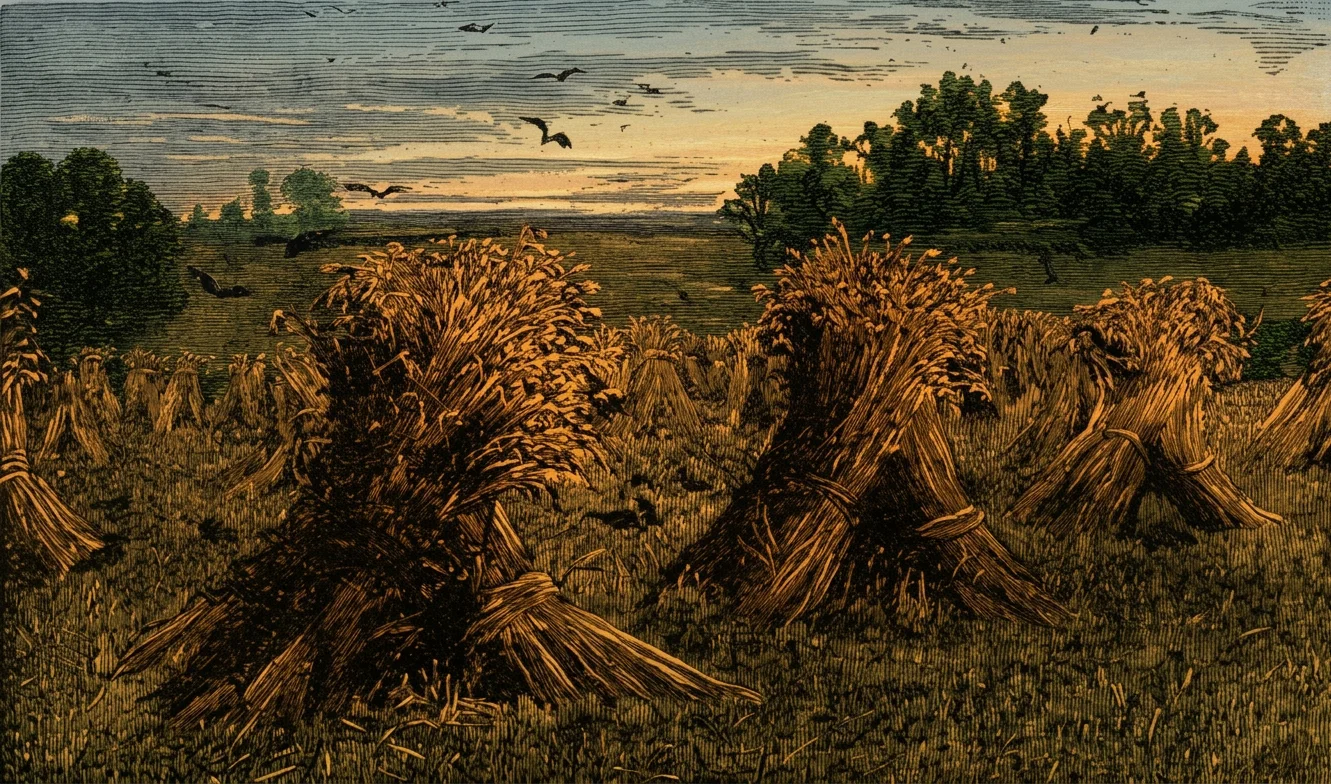
To study nature simply to know when, what, and how to plant in order to reap a harvest for our material wants, is to fail of the finest of the wheat, and the sweetest of the honey. This kind of study of nature leaves men selfish and sordid. It does not bring them in touch with God, but rather turns them into misers, who hoard up the material gold, and never find the true treasure. Such nature students are meager in mind, poor and calloused in soul, empty of spiritual power. “Having eyes they see not.”
Such nature students are pathetic pictures of soul want. While they rise early, and toil late, coming daily in contact with nature, yet their only thought is of how many potatoes to a hill, how many grains of corn to a planting, and so many bushels to the acre of the harvesting. The clouds are studied for rain, and the sunshine for utility. Their hands are calloused, their forms bowed down, their faces seamed with lines of care, their thoughts have narrowed to ruts, and their souls have become dwarfed, or are as undeveloped buds that have never bloomed, but drop stunted from the branch, withered and scentless. Their companions think life means simply brewing and baking and burden. Their boys slouch into the father’s gait, drop into his meager conversational habits, and unless the young life in them bursts up as new wine, and carries them into the meaning of things, the face of nature will never be more to them than potato hills and corn fields.
Never anything more?—Well, maybe; for God speaks to the young soul, and breathes so through nature that some of His rare spiritual meaning percolates through the crust of life’s hardest materialism, and finds crevices through which to pour suggestion. But to a greater or less extent we are all under the curse of materialism. Every day we hear from our own lips and from the lips of others that which savors not of the spiritual and eternal, but of the fleeting and temporal. Tho around us lies the open glory of God, the mysteries of redemption, yet we stand as those who are blind, and spend our time and talents in discussing some bit of gossip, dwarfing our minds, and encasing them more firmly in the crust of materialism, shutting our hearts away from the fine music of God’s creation. Tho nature’s orchestra plays a million strings, the soul that should hear, and sing, withdraws into a shell, and crawls as a snail.
“Awake, my soul, in joyful lays, And sing thy great Redeemer’s praise.”
FRANCES E. BOLTON.