In Rev. 14:6-11 three angels are represented as flying successively through the heavens, each having a message for the inhabitants of the earth, which he proclaims with a loud voice. The nature of the messengers and the manner of giving their messages indicate the importance of the mission upon which they are sent. An angel was sent to Mary to inform her that she had been chosen to be the mother of the Saviour, and again angels were sent to the shepherds to announce his birth. When God would have the Gospel go to the gentiles, he sent an angel to Cornelius to direct him to send for Peter, who would tell him what he ought to do. Angels are not sent to interpose in the affairs of men except in matters of great importance to those in whose interests they come. The message under consideration will not be literally given by angels, for literal angels do not preach the Gospel; that is a work that has been committed to men. But angels may, and do, direct in important movements among God's people on earth.
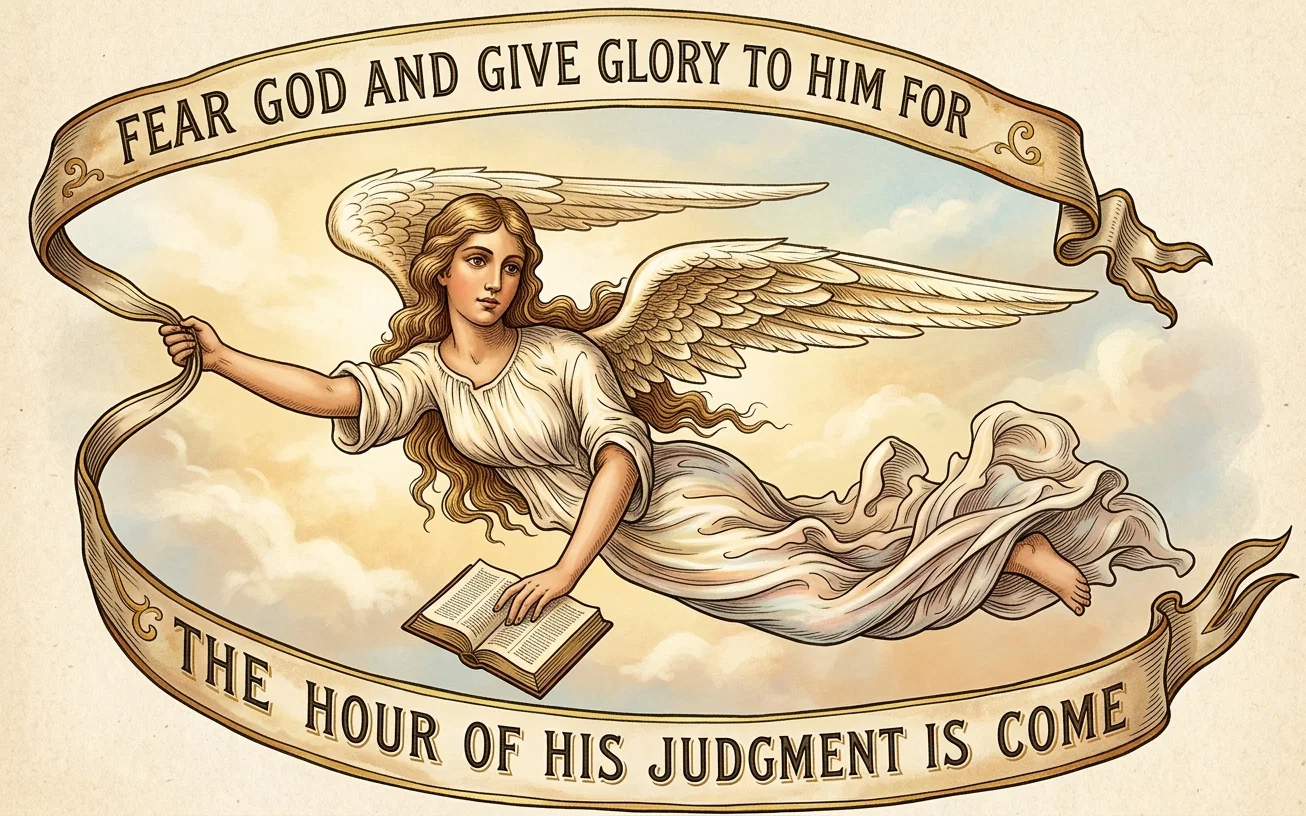
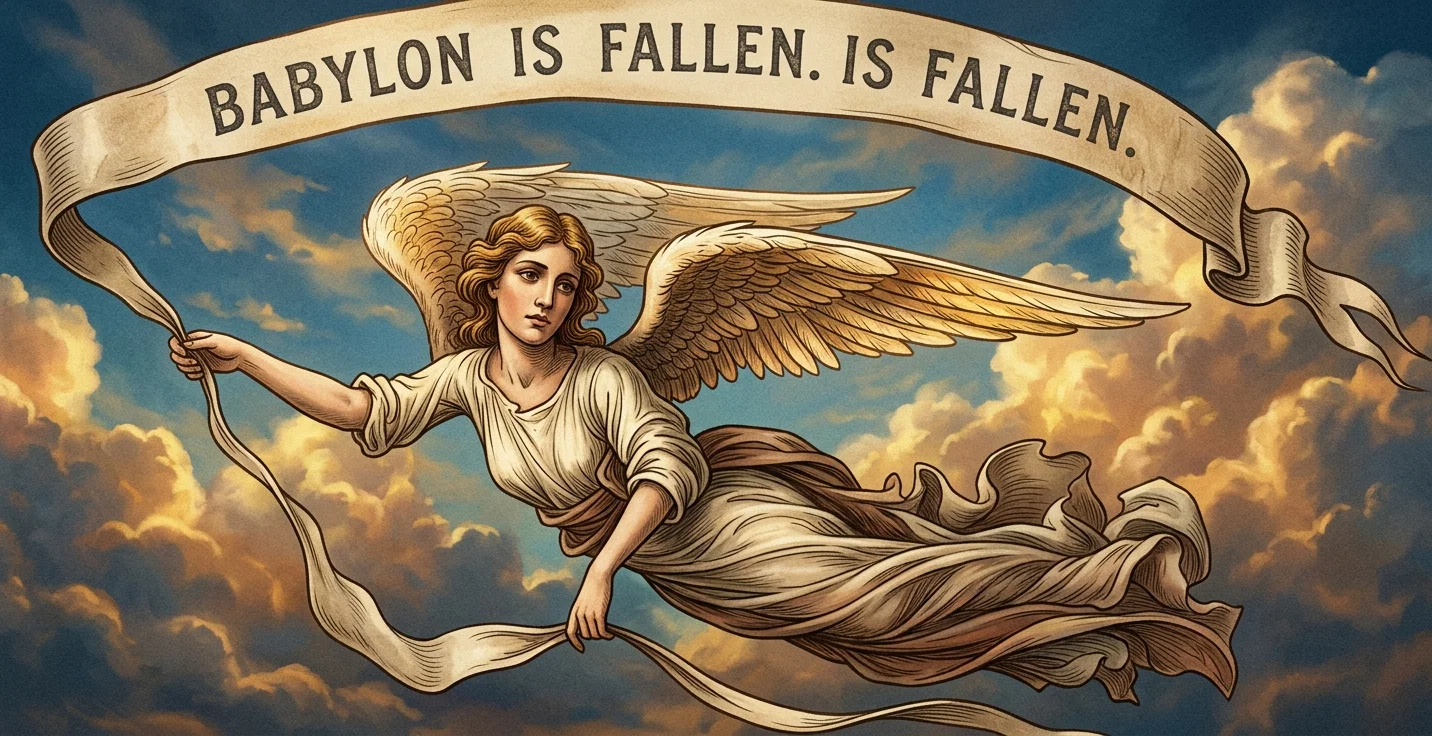
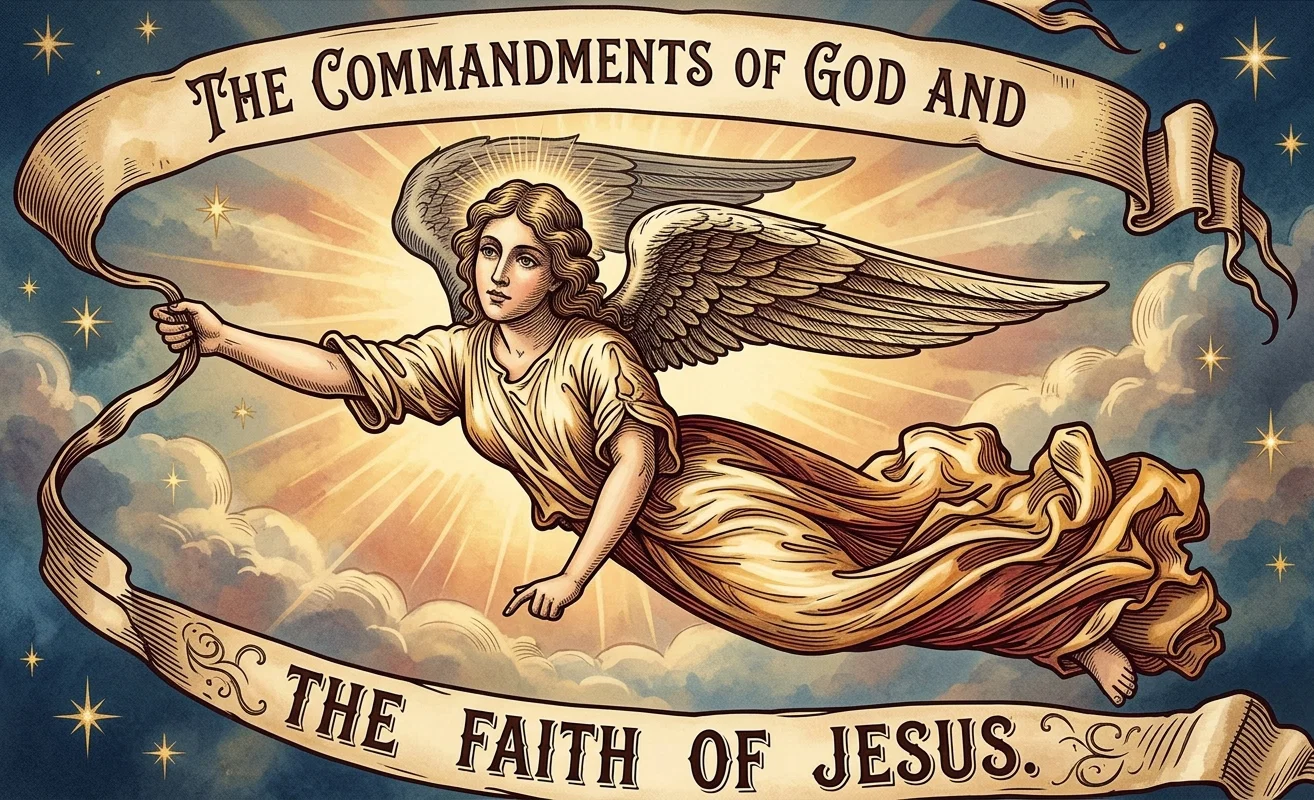
The importance of the message is further indicated by the subject matter and by the solemnity of the language used. The first has the everlasting Gospel to preach to every nation, kindred, tongue, and people, and calls upon all who dwell upon the earth to fear God and give glory to him who made the heavens and the earth, and bases his message on the fact that “the hour of his judgment is come.” This message clearly implies an apostasy from the true principles of the Gospel and from the true worship of God; and the message itself represents a reform movement to bring men back to the truths of the Gospel and to the unadulterated worship of the true God. The second angel declares the fall of those who refuse to heed the message which the angel gives, calling them Babylon—confusion—because they have adulterated the Gospel and the worship of God by bringing into them that which God has not placed there; and the third pronounces severe judgments against those who worship the “beast and his image” or “receive his mark” in their foreheads or in their hands. This gives a key to the whole prophecy. Men have been worshiping—rendering obedience—to the “beast,” Papal Rome, or the “image” of the beast in place of the true God, and have been taking upon themselves his “mark,” or sign, in place of the sign or “seal” of God.
Chronology of the Message.
The chronology of the message is indicated by its nature and by its position in the line of prophecy in which it is found. (1) The first angel proclaims the hour of God's judgment come. This judgment is the closing work of Christ in the heavenly sanctuary just before his second coming. In the anti-typical judgment work—the closing of the yearly round of service in the worldly sanctuary—the people were required to confess their sins and afflict their souls while the high priest went into the most holy place to perform the atonement work; so in the anti-type the two following messages go forth, which are to remind the people of their sins and of the impending judgments of God, which are so soon to fall upon the disobedient; that, understanding these, they may be led to repentance. This shows that this message will be given in the last days, just before Christ comes to execute judgment.
2. To draw a conclusion from the position which this message occupies in the line of prophecy in which it is found, it will be necessary briefly to refer to the style in which this particular prophecy is written, which is in some respects peculiar to the book in which it is found. In the twelfth chapter the church is introduced under the symbol of a woman, just at the time of the birth of Christ, or the beginning of the Christian era. Then follows a sketch of its history, in which it is represented as struggling against Satan down to the “remnant,” or last generation, when a special persecution is waged by Satan against those who “keep the commandments of God and have the testimony of Jesus Christ.” The thirteenth chapter goes back and takes up the civil powers through which Satan has waged his warfare against the church. Pagan Rome is represented by a dragon and Papal Rome by a beast with a body like a leopard, the feet of a bear, the mouth of a lion, etc.; and in the latter part of the chapter another new symbol is introduced, of a beast having two horns like a lamb and speaking as a dragon. It is through the power symbolized by this latter beast, especially, that the persecutions referred to in the last verse of the twelfth chapter are to be waged; and immediately following this the hundred and forty-four thousand are represented as standing upon the sea of glass, having their Father's name written in their foreheads, in contradistinction to the “mark of the beast,” which was placed in the foreheads or in the right hands of those who worship the beast and his image.
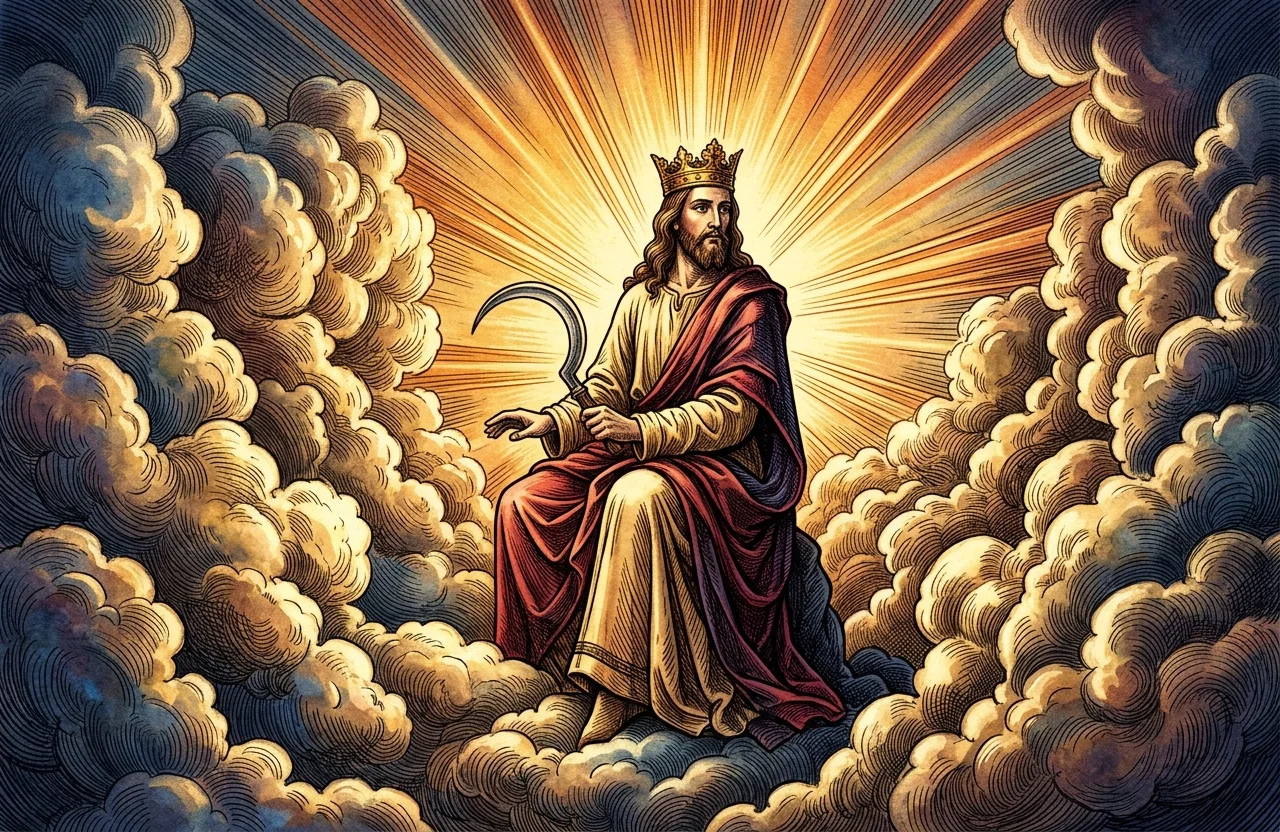
Following this the threefold message, which we have under consideration. The everlasting Gospel is the platform on which the “remnant of the seed of the woman”—the church—will stand in the final conflict with Satan; the second angel proclaims the fall—spiritual declension—of those who take the side of the dragon in his opposition to the remnant church, which is revived by the preaching of the everlasting Gospel; and the third angel proclaims the judgment of God which will fall upon those who “worship” the beast and his image, and receive his “mark” in place of the seal of God. The next event in the prophecy is Christ coming on the white cloud to reap the harvest of the earth. In chapter 15 the seven angels, having the seven last plagues, in which “is filled up the wrath of God,” are introduced; and in the sixteenth chapter is a record of the pouring out of the plagues and the events that follow. “The first went, and poured out his vial upon the earth; and there fell a noisome and grievous sore upon the men which had the mark of the beast, and upon them that worshiped his image.” This shows that the worshiping of the image and the receiving of the mark of the beast occur just before the pouring out of the first plague. “And the fifth angel poured out his vial upon the seat of the beast; and his kingdom was full of darkness; and they . . . blasphemed the God of heaven because of their pains and their sores.” This gives us an idea of the length of time which passes under the pouring out of the different plagues. The sores come as a consequence of the first plague, and men are still suffering from these sores under the pouring out of the fifth. Here we have unmistakable evidence that they are poured out in rapid succession, for only a short time elapses between the first and the fifth.
When the seventh plague is poured out, a voice is heard out of the temple in heaven saying, “IT IS DONE.” The everlasting Gospel has been preached to the world; the warnings have been given; those who have accepted the Gospel have been sealed with the5seal of God, and have been shielded by divine power from all harm, while the vials of the unmingled wrath of God have been poured out upon those who have rejected the Gospel, and worshiped the beast and his image, and received his mark, just as the children of Israel were shielded by the power of God in the days of Moses from the ten plagues that fell upon the Egyptians. The next event in chronological order is the coming of Christ as Lord of lords and King of kings to execute the judgments written.